

Why Football Is the Perfect Sport to Start at Any Age
Football is the most widely played sport in the world for one reason: the basic concept is simple enough to learn in an afternoon, and the depth is rich enough to study for a lifetime. Whether you want to play, coach, or simply understand the game better as a fan, this guide gives you the foundation.
The rules of football are simpler than most sports. The positions are logical and interconnected. The basic skills — passing, controlling the ball, shooting — can be developed by anyone with a ball and a wall. What separates the beginner from the advanced player is not talent but structured repetition and growing tactical understanding.
This guide is your starting point: rules, positions, basic skills, and a practice framework that builds real competence.
- The object of football is simple: put the ball in the opponent's goal more times than they put it in yours
- 11 players per team, four functional position groups: goalkeeper, defenders, midfielders, and forwards
- The five most important rules: offside, fouls, throw-ins, corner kicks, and goal kicks
- The three most important skills for beginners: passing with the inside foot, controlling with the chest and foot, and moving off the ball
Understanding the Basics: Positions, Formations, and Principles
A football team has 11 players arranged in a formation — a tactical structure that determines where players operate on the pitch. The most common formation for beginners to understand is the 4-3-3: four defenders, three midfielders, three forwards. But the formation is less important at beginner level than understanding the four functional groups.
Defenders (the back line) protect the goal and start attacks by building from the back. Midfielders link defence to attack, controlling possession and covering the width of the pitch. Forwards create chances and score goals. The goalkeeper defends the goal and distributes the ball to start play.
The simplest tactical principle for beginners: when your team has the ball, spread out to create space. When the opposition has it, compact together to deny them space. This principle — open up in possession, close down out of possession — is the foundation of all football tactics.
Core Principles
The best players in any game are active when they do not have the ball. Create space, offer passing options, drag defenders out of position.
At beginner level, the simple pass is almost always the right pass. Playing quickly with simple decisions beats trying to do too much.
How you control the ball determines everything that follows. A good first touch creates time; a bad one creates pressure.
Football is a team game. Calling for the ball, shouting a player's name, calling play — communication makes every player around you better.
Examples from Matches
How this works against real opposition at elite level
Watching a Barcelona match is a masterclass in the basics at the highest level — constant movement off the ball, simple passes completed under pressure, and collective shape that makes everything look easy.
Key Takeaway: Even elite football is built on the basics — just executed faster and under more pressure.
How to Start Training as a Beginner
Practical drills and a progression plan for coaches and players
The best beginner training is a ball, a wall, and 20 minutes a day. The drills below require minimal equipment and build the three most important beginner skills: passing, receiving, and ball control.
Training Drills
Pass against a wall using the inside of your foot. Focus on pointing your non-kicking foot at the wall and keeping the ball on the ground. 50 passes each foot.
Coaching Points
- Use the inside of the foot — the flat area between toe and heel
- Non-kicking foot points at target
- Keep the ball on the ground
Progression Path
Week 1–2: Master the inside-foot pass against a wall — 50 passes per foot per session
Week 3–4: Add juggling — develop touch and feel for the ball
Week 5–6: Find a partner — 1v1 games build decision-making and competitiveness
Week 7–8: Join a team or group session — apply your basics in a real football context
Month 3+: Begin learning positions and watching football analytically
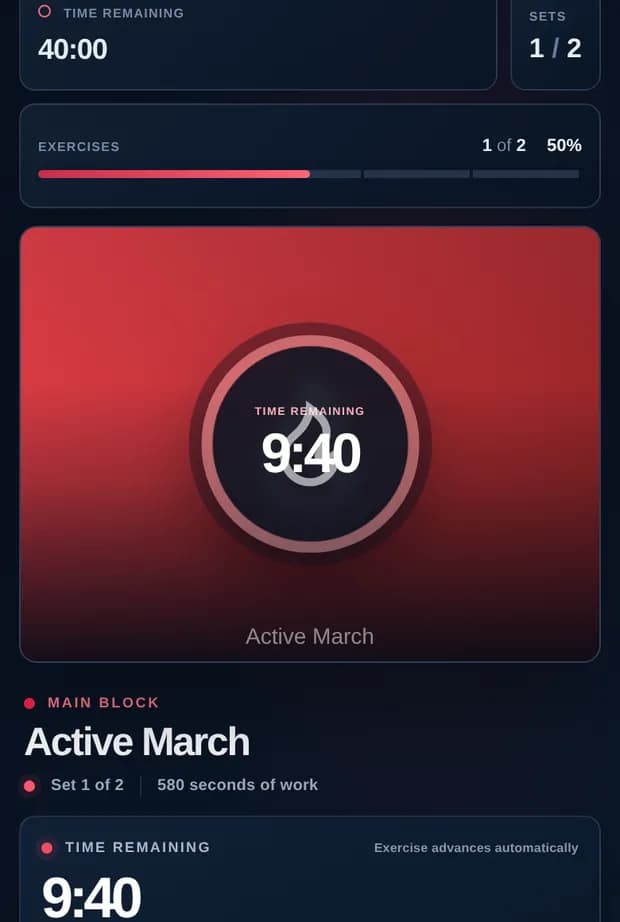
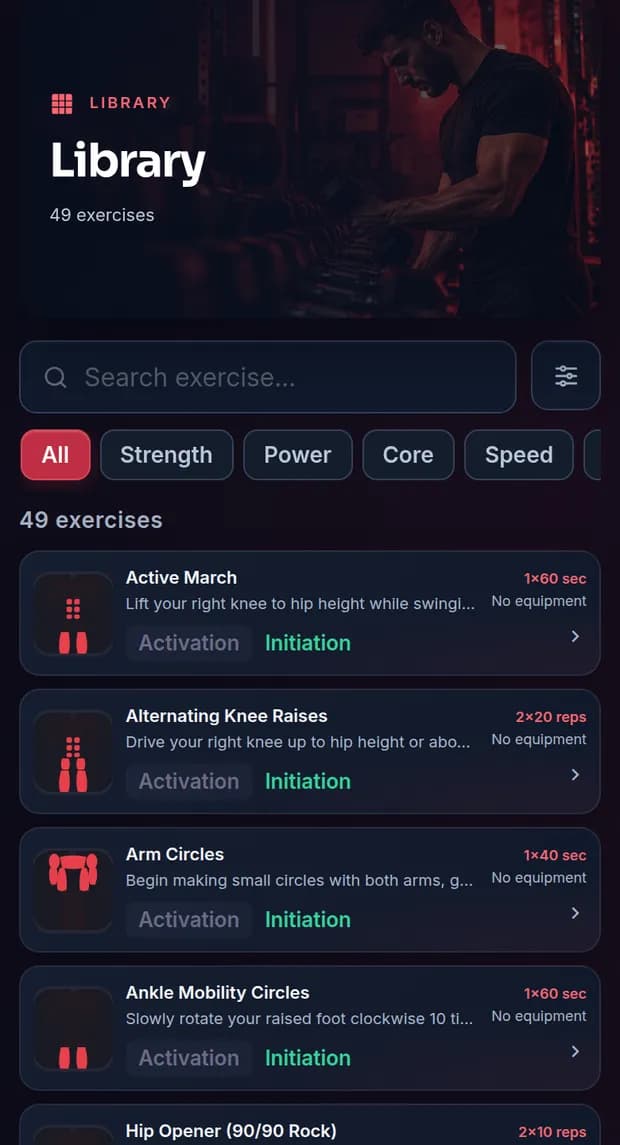
The Bench View app
Don’t just read football — train it
Everything you read here, turned into training you can follow step by step.
Physical training at home
AI daily sessions adapted to your level and position. No equipment needed.
Tactical training courses
Step-by-step courses on positioning, pressing, build-up and decision making.
- 7 days free
- No commitment
- Cancel anytime
Free account: 2 physical sessions + the first tactical course. PRO: 7-day free trial — cancel before day 8 and you pay nothing.
Related Guides
Positional Play
The complete guide to dominating through structure, spacing and numerical superiority
The High Press
How modern teams win the ball high up the pitch and turn defence into attack in seconds
Striker Movement
The complete guide to runs, timing, and positioning that separates elite centre-forwards from the rest