

Thomas Tuchel’s decision to flag UEFA anti‑racism protocols and the public exchange with Spain’s manager have dominated the narrative ahead of England’s trip to Madrid, alongside selection signals such as James Trafford being chosen to start in goal and Declan Rice admitting he had an “average” World Cup but has used a break to find form again. Observers have framed the match as a test of whether Tuchel and England have learned from recent tournament disappointment.
What happened
Thomas Tuchel said his words had been "twisted" as questions about anti‑racism protocols overshadowed England’s build‑up to the Madrid match. He told his squad he would remind them of UEFA's anti‑racism protocols ahead of the fixture. Spain manager Luis de la Fuente responded by saying there is "no racism in Spain" and telling Tuchel "we're not racists, none of us." The match is the first meeting between the two nations in Madrid since a previous fixture in which some England players experienced racist abuse at the Santiago Bernabéu. Meanwhile, England selected James Trafford to start in goal, and midfielder Declan Rice has accepted he had an "average" World Cup, saying he needed a break in the subsequent international window and believes that rest has helped him return stronger. Commentators have said the game will reveal whether Tuchel and England learned lessons from the World Cup campaign, and public debate included a combined XI discussion between England and Spain players.
The tactical reading
The circumstances around selection and preparation point to a coaching staff balancing psychological management with on‑field setup. Reminding players of anti‑racism protocols before a high‑profile match suggests a focus on ensuring concentration and emotional control—an underappreciated tactical element. When off‑field issues become prominent, managers often seek to reduce cognitive load on players with clear role definitions and simplified match plans; this kind of preparation typically leads to prioritising structural stability over experimental systems.
Picking James Trafford in goal signals a choice to commit to a specific goalkeeper profile for this fixture. Goalkeeper selection affects build‑out patterns, defensive line height and the kinds of passes defenders can risk under pressure. A starting choice often points to a desire for consistency from the back or a tactical preference for the keeper’s particular distribution and command of the area; coaches usually adapt the defensive shape to accommodate their goalkeeper’s strengths and limitations.
Declan Rice’s admission about his World Cup form and the benefit of a midseason break highlights individual load management feeding into collective tactics. Rested midfielders who have rebuilt energy and confidence typically take on more disciplined roles: protecting the defensive line, recycling possession and dictating tempo. This suggests a gameplan that might lean on Rice’s ability to stabilize midfield if he is deployed in his customary role, using him as an anchor to allow more adventurous teammates forward while keeping defensive transitions covered.
The public narrative framing the match as a test of whether Tuchel learned from the World Cup implies tactical scrutiny of adaptability and in‑game management. Against technically proficient opposition, coaches often weigh the trade‑off between pressing aggressively to disrupt possession and sitting deeper to avoid being pulled out of shape. The implications are clear: teams that learned tournament lessons typically display clearer contingency plans, better situational substitutions and tighter in‑possession moments when building out from the back.
Key tactical points
- Psychological preparation is tactical: pre‑match protocol reminders can reduce distractions and help maintain structural discipline during highly charged fixtures.
- Goalkeeper choice shapes defensive structure: the selected keeper influences line height, risk tolerance in build‑up and full‑back positioning.
- Load management affects midfield roles: a rested defensive midfielder is more likely to perform disciplined cover and tempo control.
- Clarity in contingency plans matters: managers who learned from tournament setbacks usually deploy clearer in‑match adjustments rather than reactive changes.
- Off‑field narratives influence on‑field tactics: when external issues dominate, teams typically simplify systems to reduce cognitive demands on players.
What to watch next
Watch how the selected goalkeeper’s profile influences the defensive unit’s positioning and passing choices—does the backline push higher or stay compact? Observe whether midfield roles, particularly the anchor role associated with Declan Rice, are simplified to protect transitions or expanded to enable more creative teammates to take greater offensive responsibility.
Also look for evidence of contingency plans in substitutions and tactical tweaks: are changes proactive to change the game state or reactive to negate specific Spanish strengths? How the coaching staff manages the psychological backdrop—through visible instruction, positional tweaks or personnel changes—will be telling about their broader tactical approach.
Train it
Drill: 6v6 possession with goalkeeper build‑out focus. Purpose: rehearse defensive shape and passing sequences starting from the goalkeeper under moderate pressure, while keeping midfielders disciplined in their covering roles.
- Set two goals defended by keepers; play 6v6 with neutral players who can be used to create numerical advantages in build‑up phases.
- Encourage the goalkeeper to start play with short passes; defending team must maintain a compact backline and midfield shield to invite progressive passing lanes.
- Coaching points: (1) keep lines compact to protect against quick transitions, (2) midfield anchor must orient body to see both ball and opposition runners, (3) goalkeeper’s distribution choices should dictate defensive line height—practise both short and longer outlet options.
Sources
- Sky Sports: Tuchel unhappy as anti-racism protocol questions overshadow Spain clash
- BBC Sport: Who would make your England-Spain combined XI?
- BBC Sport: Spain test will reveal if Tuchel and England have learned World Cup lessons
- BBC Sport: 'No racism in Spain' – De la Fuente message for Tuchel
- The Guardian: Declan Rice accepts he had an ‘average World Cup’ as England gear up for Spain showdown
- The Guardian: De la Fuente adamant there is no racism in Spain despite England reminder to players
- BBC Sport: Tuchel to remind England of anti-racism protocols before Spain game
The Bench View ऐप
सिर्फ़ फ़ुटबॉल पढ़ें नहीं — ट्रेन करें
यहाँ जो कुछ आप पढ़ते हैं, उसे कदम-दर-कदम ट्रेनिंग में बदला गया है।
घर पर फ़िज़िकल ट्रेनिंग
आपके स्तर और पोज़िशन के अनुसार AI डेली सेशन। किसी उपकरण की ज़रूरत नहीं।
टैक्टिकल ट्रेनिंग कोर्स
पोज़िशनिंग, प्रेसिंग, बिल्ड-अप और निर्णय लेने पर कदम-दर-कदम कोर्स।
- 7 दिन मुफ़्त
- कोई प्रतिबद्धता नहीं
- कभी भी रद्द करें
मुफ़्त अकाउंट: 2 फ़िज़िकल सेशन + पहला टैक्टिकल कोर्स। PRO: 7 दिन का मुफ़्त ट्रायल — 8वें दिन से पहले रद्द करें और कुछ भी भुगतान न करें।
और विश्लेषण
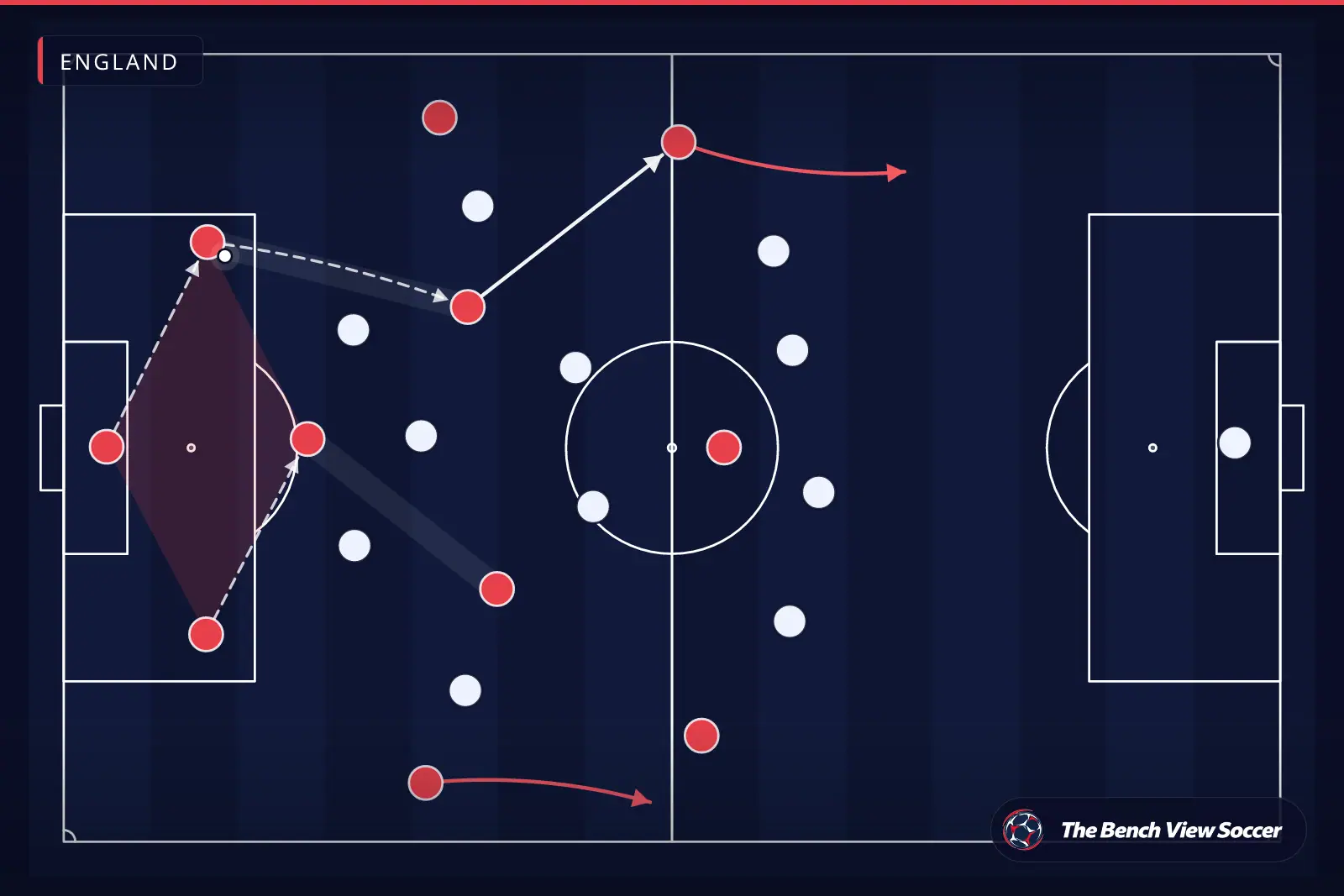
टुचेल, प्रोटोकॉल और चयन संबंधी दुविधाएँ: इंग्लैंड की मैड्रिड तैयारी से टैक्टिकल सबक
15 नवंबर 2026
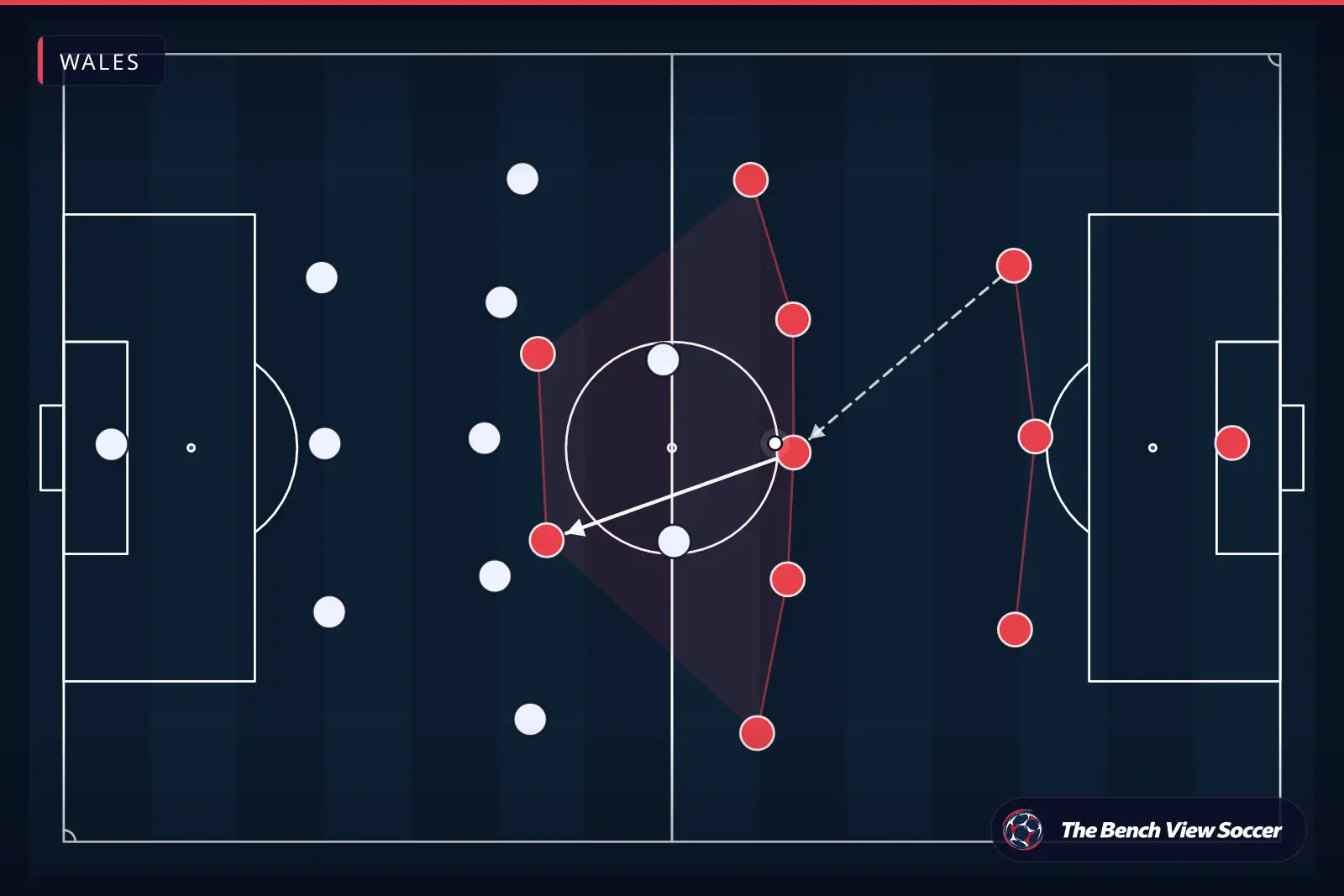
नॉर्वे 3-1 वेल्स — नेशंस लीग संकट और रणनैतिक सबक
14 नवंबर 2026
सिंगापुर में अराजकता, ब्यूनस आयर्स में सवाल: ब्राज़ील बनाम जापान और अर्जेंटीना बनाम उरुग्वे से सामरिक सबक
14 नवंबर 2026
मैड्रिड में टुचेल का 'प्रूफ ऑफ कॉन्सेप्ट' परीक्षण: नेशंस लीग निर्णायक से इंग्लैंड की रणनीतिक रूपरेखा क्या बताती है
14 नवंबर 2026