Gor Mahia tactical analysis
Gor Mahia sit at the heart of Kenyan football culture, representing the passion of Nairobi fans and the ambitions of the FKF Premier League. This tactical analysis breaks down how Gor Mahia play, why their approach works locally, and how players in Kenya can learn from their patterns to raise standards toward Harambee Stars selection and AFCON readiness.
Across FKF Premier League battles with AFC Leopards and rising clubs, Gor Mahia combine tradition with modern coaching. We cover formations, transitions, pressing, set-pieces and practical coaching steps usable at grassroots and elite levels across East Africa.
What is Gor Mahia tactical analysis?
Gor Mahia tactical analysis is a focused study of the club's formations, player roles, in-game patterns, and match strategies. It dissects how the K'Ogalo control possession phases, press opponents, build attacks from wide areas and set up defensively to win FKF Premier League matches and compete in regional cups.
How to analyse Gor Mahia tactically?
- Collect match footage: gather full matches, highlights, and training clips from FKF Premier League fixtures, CECAFA Cup and continental ties to observe recurring patterns.
- Map formations and roles: identify base formation (often 4-2-3-1 transitioning to 4-3-3), the double pivot behaviour, wing-back involvement and striker movements.
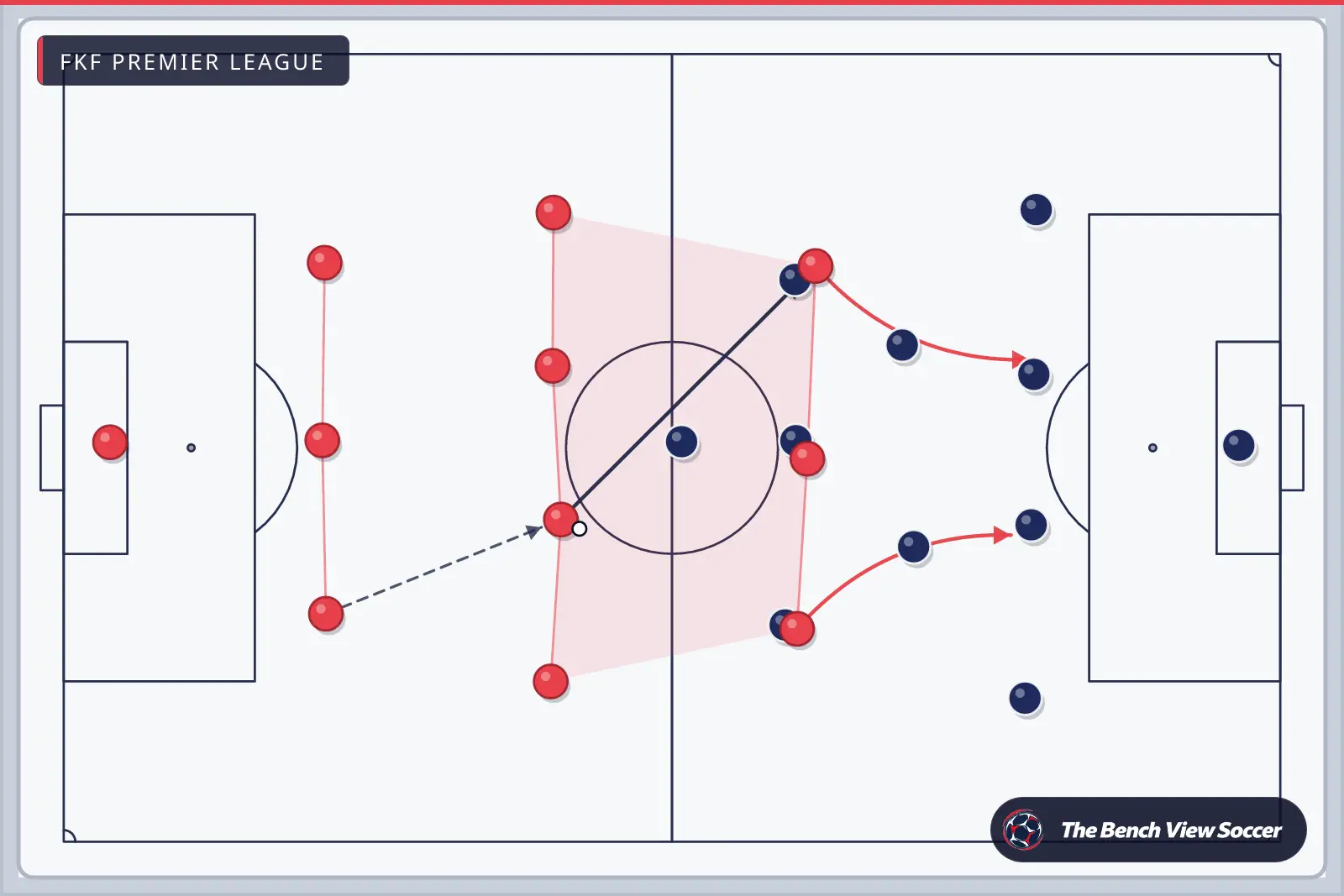
- Study phases: separate analysis into build-up, chance creation, pressing, and defending transitions. Note where turnovers happen and which players trigger pressing triggers.
- Quantify tendencies: record events—number of crosses, long balls, successful high-press recoveries, set-piece goals—then compare across matches to find consistent tactics.
- Translate to coaching: convert insights into drills focusing on positional awareness, pressing triggers, wide overloads, and set-piece routines suitable for club and youth coaching in Kenya.
Real examples from FKF Premier League?
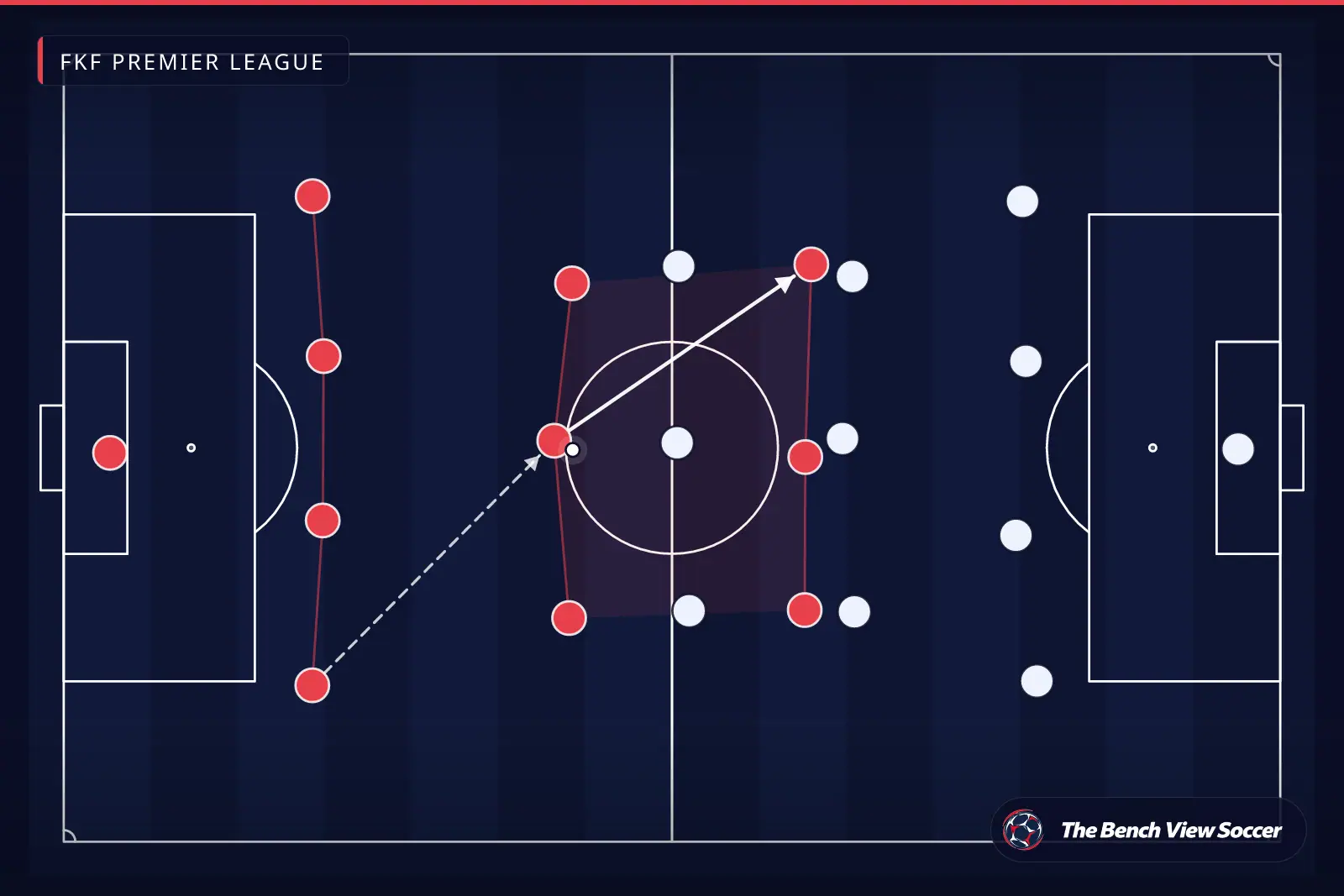
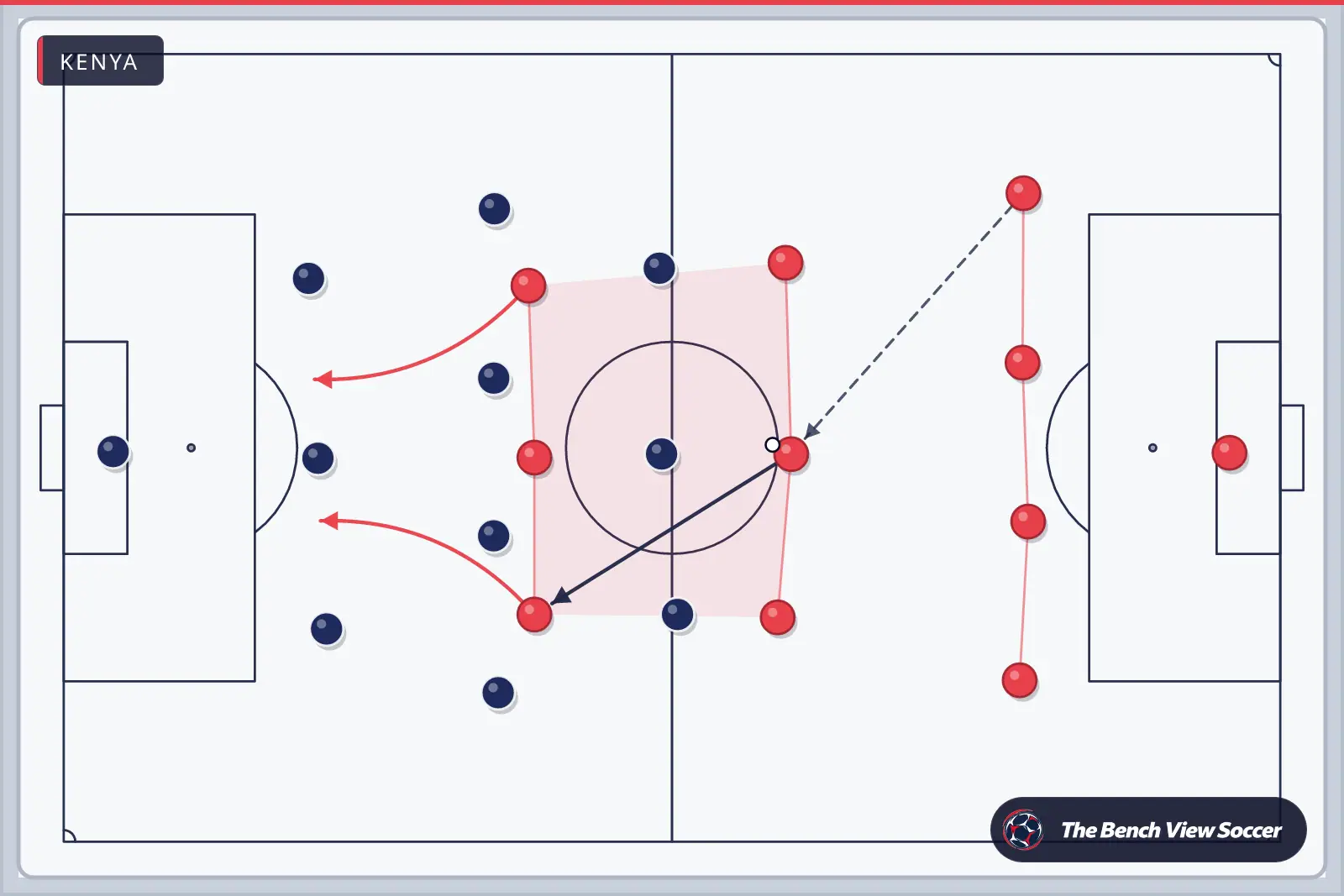
1) Versus AFC Leopards: Gor Mahia often deployed a narrow 4-2-3-1, using the number 10 to drop between midfield lines to draw opposition central midfielders out, creating space for overlapping full-backs. The result: wide overloads and low cross completion rate from the opponent.
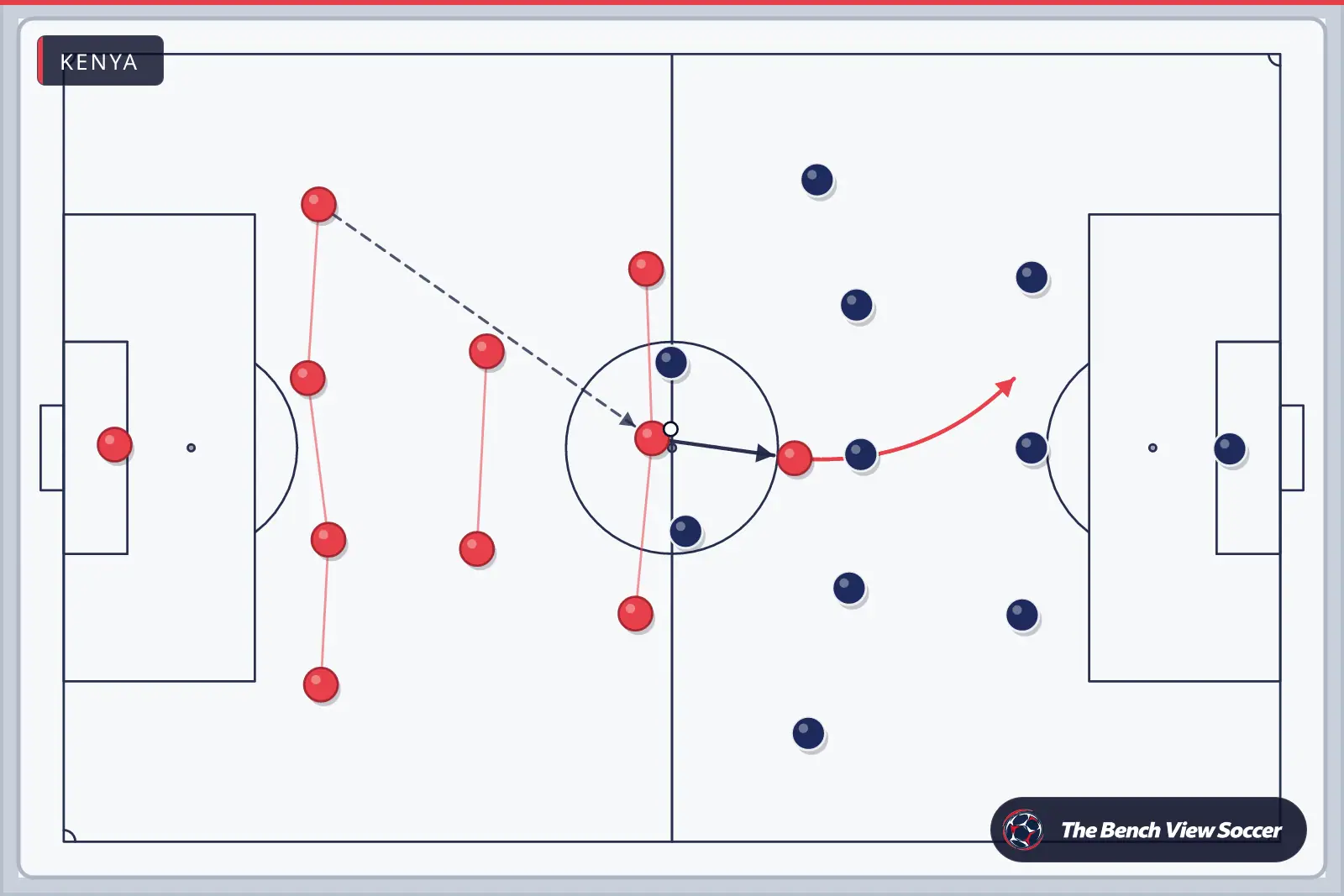
2) Against Tusker FC: Gor Mahia used quick vertical switches to exploit slow defensive rotations. A deep-lying pivot played diagonal passes to the left winger who inverted to shoot, showing planned patterns to punish one-on-one defenders.
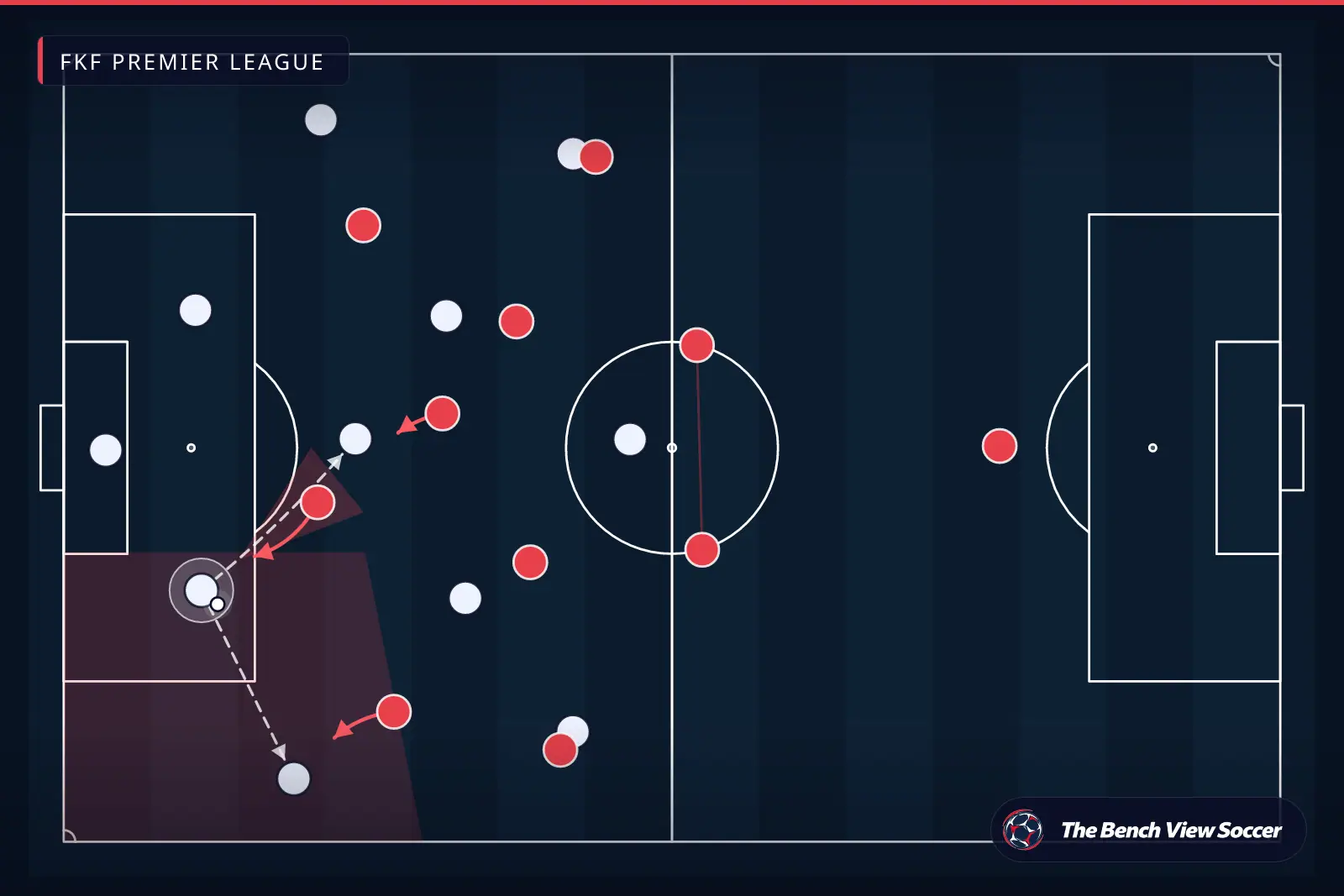
3) In Cup ties: Set-piece dominance was clear. Rehearsed near-post throws and coordinated blocking runs produced multiple headers. This emphasis on physicality and timing is a model for Kenyan clubs prioritising set-piece work.
Best tips to improve with Gor Mahia tactical analysis?
- Watch with intent: focus on one element per viewing—pressing, build-up, or finishing—to notice subtle habits.
- Practice the double pivot: train midfield duos to shift laterally, cover for advancing full-backs and create passing triangles.
- Train pressing triggers: teach players to press on bad touches, backward passes, and specific receiving zones to replicate Gor Mahia’s midfield pressure.
- Rehearse wide transitions: develop drills for quick switch play and overlapping full-back runs to create 2v1 situations on the flank.
- Prioritise set-pieces: allocate practice time weekly to corners and free-kick routines—precision and timing beat athleticism alone.
Mistakes to avoid?
- Ignoring context: don’t copy formations blindly—Gor Mahia’s tactics are tuned to player profiles and FKF Premier League opponents; adapt to your squad.
- Overpressing without cover: pressing high without a disciplined pivot leaves gaps; train triggers and recovery runs first.
- Underestimating physicality: Kenyan leagues reward physical duels—technical drills must combine conditioning and strength preparation.
- Neglecting set-piece defence: teams that focus only on scoring set-piece goals can be punished by well-drilled opposition routines.
Frequently Asked Questions
How does Gor Mahia set up defensively?
Gor Mahia often use a compact back four with two midfielders shielding the defence. They defend in mid-blocks against weaker teams and shift to a higher press when chasing games, relying on disciplined pivots to intercept and launch counters.
Related Resources
Which formations does Gor Mahia prefer?
The club regularly rotates between a 4-2-3-1 and a 4-3-3, creating fluidity by asking wide midfielders to invert and full-backs to provide width. This hybrid approach allows transition between possession control and direct attacks.
What role do set-pieces play for Gor Mahia?
Set-pieces are a key component—corners and free kicks are rehearsed with blocking runs, zonal marking and targeted deliveries to tall players. Their preparation often yields match-winning goals in tight FKF Premier League fixtures.
Can grassroots players learn from this analysis?
Yes. Young players benefit from simplified principles: understand your role in attack and defence, practice pressing triggers, work on timing overlaps, and rehearse set-pieces. These habits scale from local academies to national team opportunities.
Gor Mahia tactical analysis provides a roadmap for Kenyan players and coaches seeking practical, match-proven methods. Studying K'Ogalo helps bridge grassroots talent with FKF Premier League demands and Harambee Stars aspirations.
Start our free courses on The Bench View Soccer.