AFC Leopards tactics Kenya
Kenya's FKF Premier League demands tactical clarity and local adaptation. AFC Leopards tactics Kenya reflect the club's history, passionate fanbase and the national push to feed the Harambee Stars with tactically aware players. For motivated players, understanding these tactics unlocks starting roles and showcases you for national selection and AFCON exposure.
This guide breaks down how AFC Leopards set up defensively and offensively, practical steps to train the system, league examples featuring Gor Mahia and Leopards encounters, top coaching tips and mistakes to avoid. Read as a player-coach hybrid: aim to learn, apply and lead on the pitch.
What is AFC Leopards tactics Kenya?
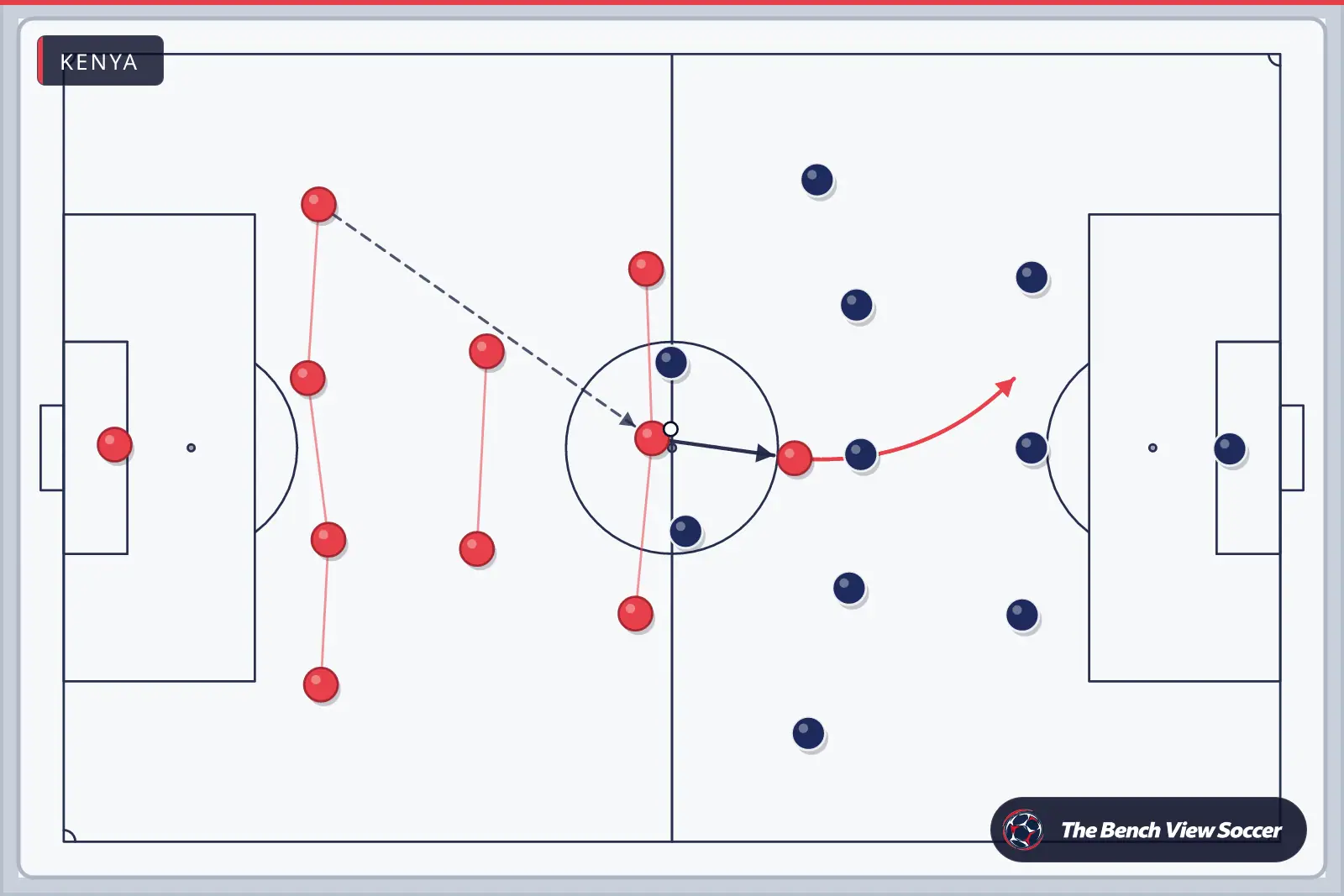
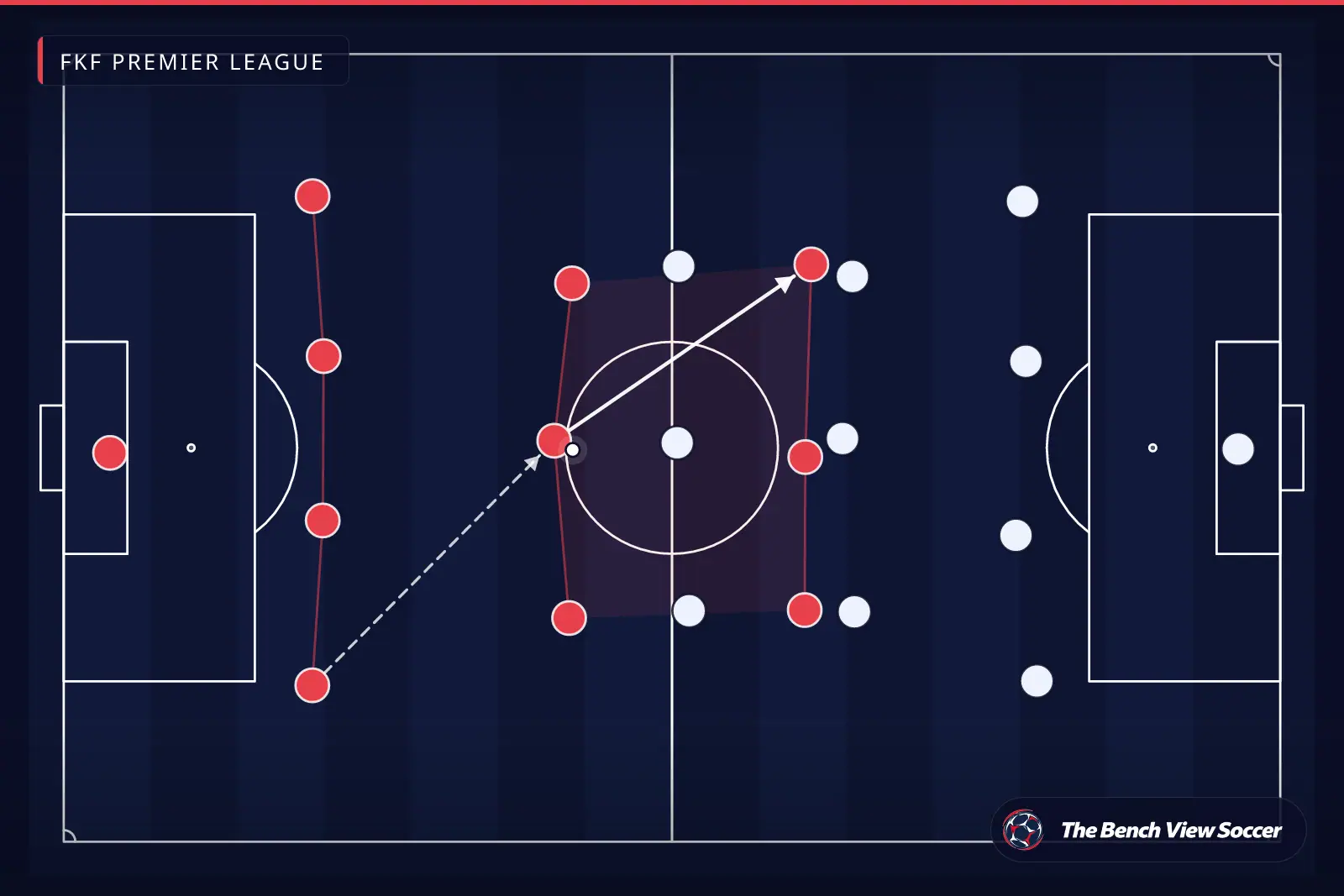
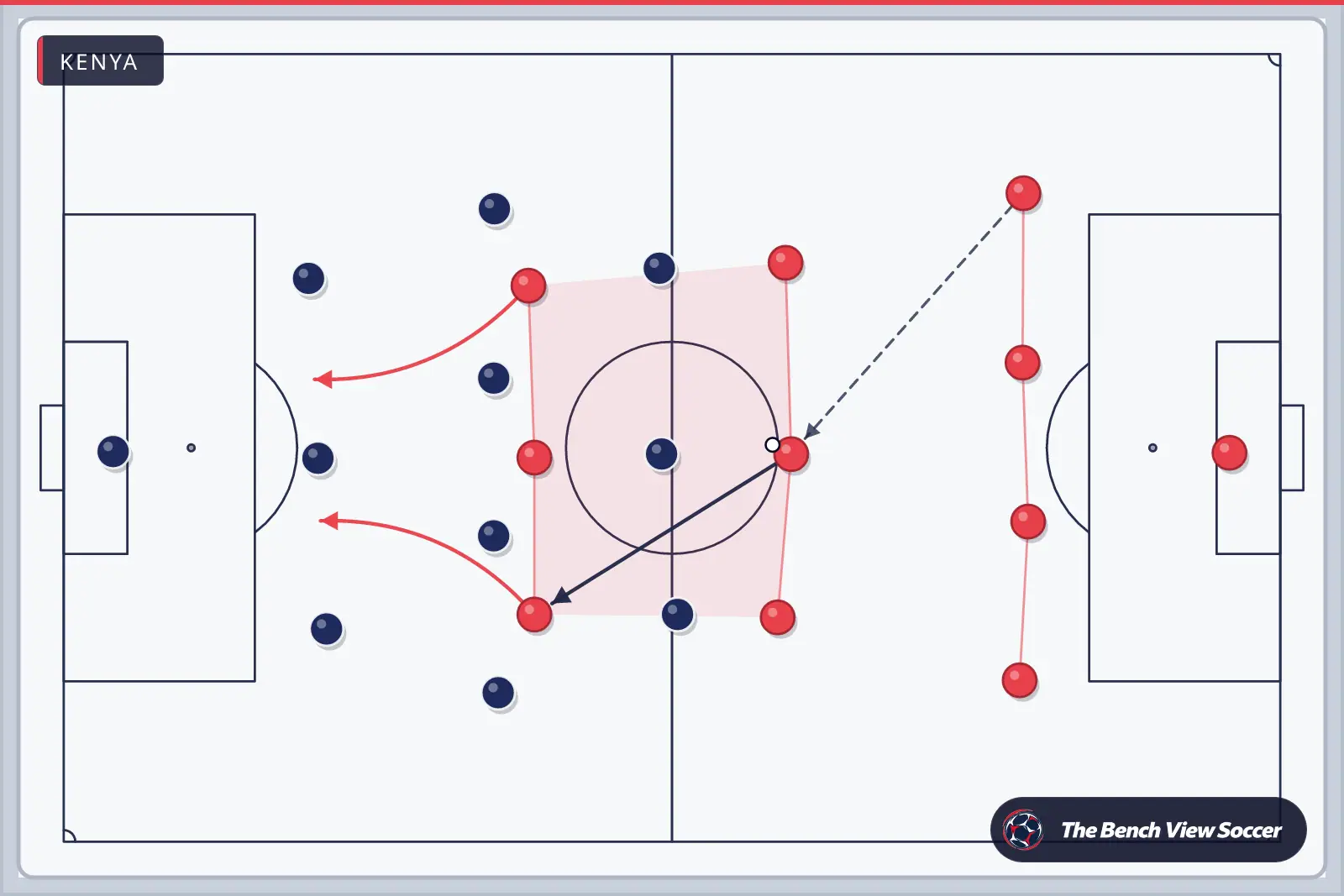
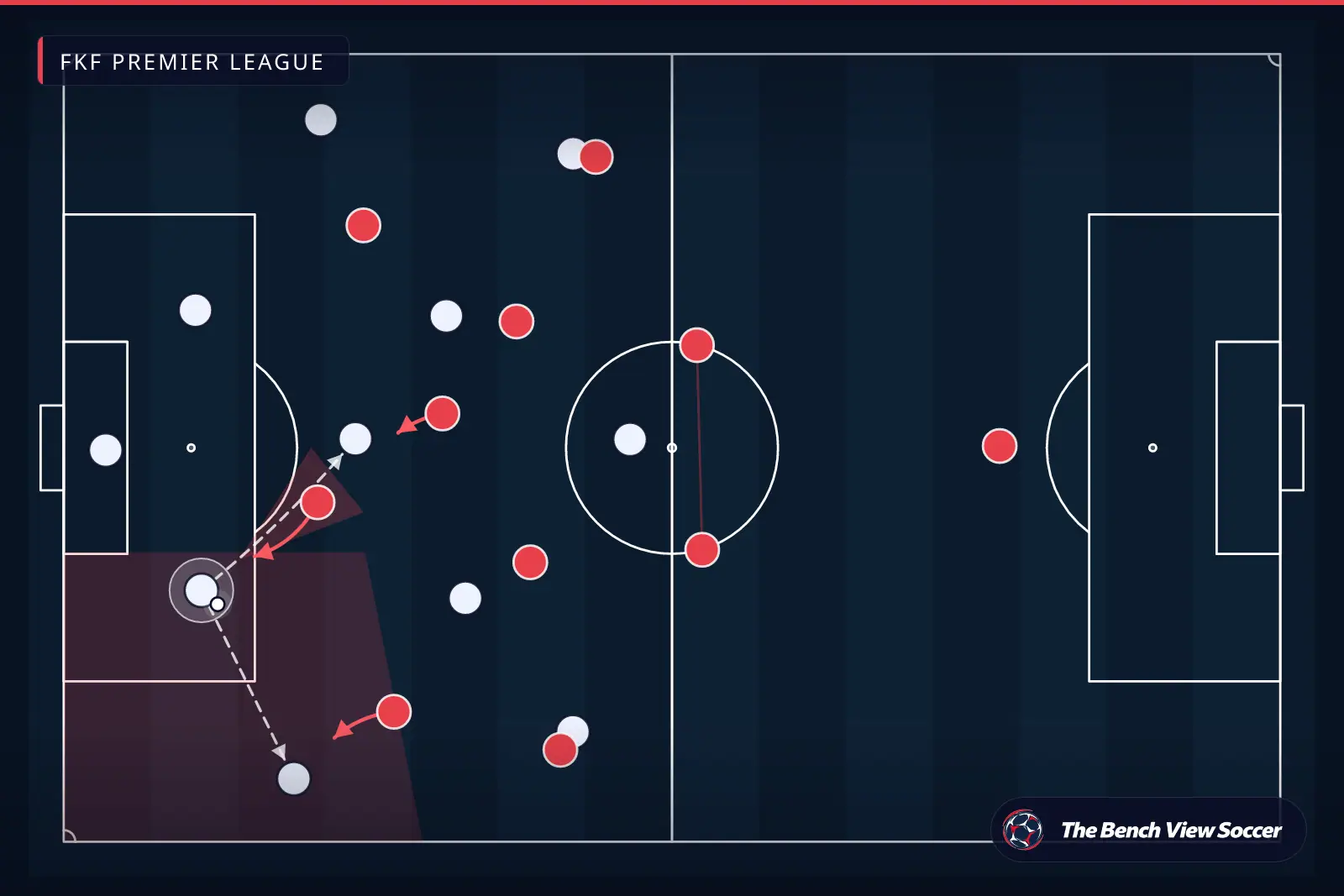
AFC Leopards tactics Kenya are a pragmatic mix of compact defending, energetic midfield pressing and direct wide attacks. The team often uses a 4-2-3-1 or 4-3-3 base, prioritising quick transitions from defence to attack, overlapping fullbacks and set-piece routines—optimised for FKF Premier League tempo and physicality.
How to implement AFC Leopards tactics in training?
- Define roles: Assign a midfield pivot (defensive) and a dynamic box-to-box partner to control tempo. Clarify fullback responsibilities for overlap and recovery runs.
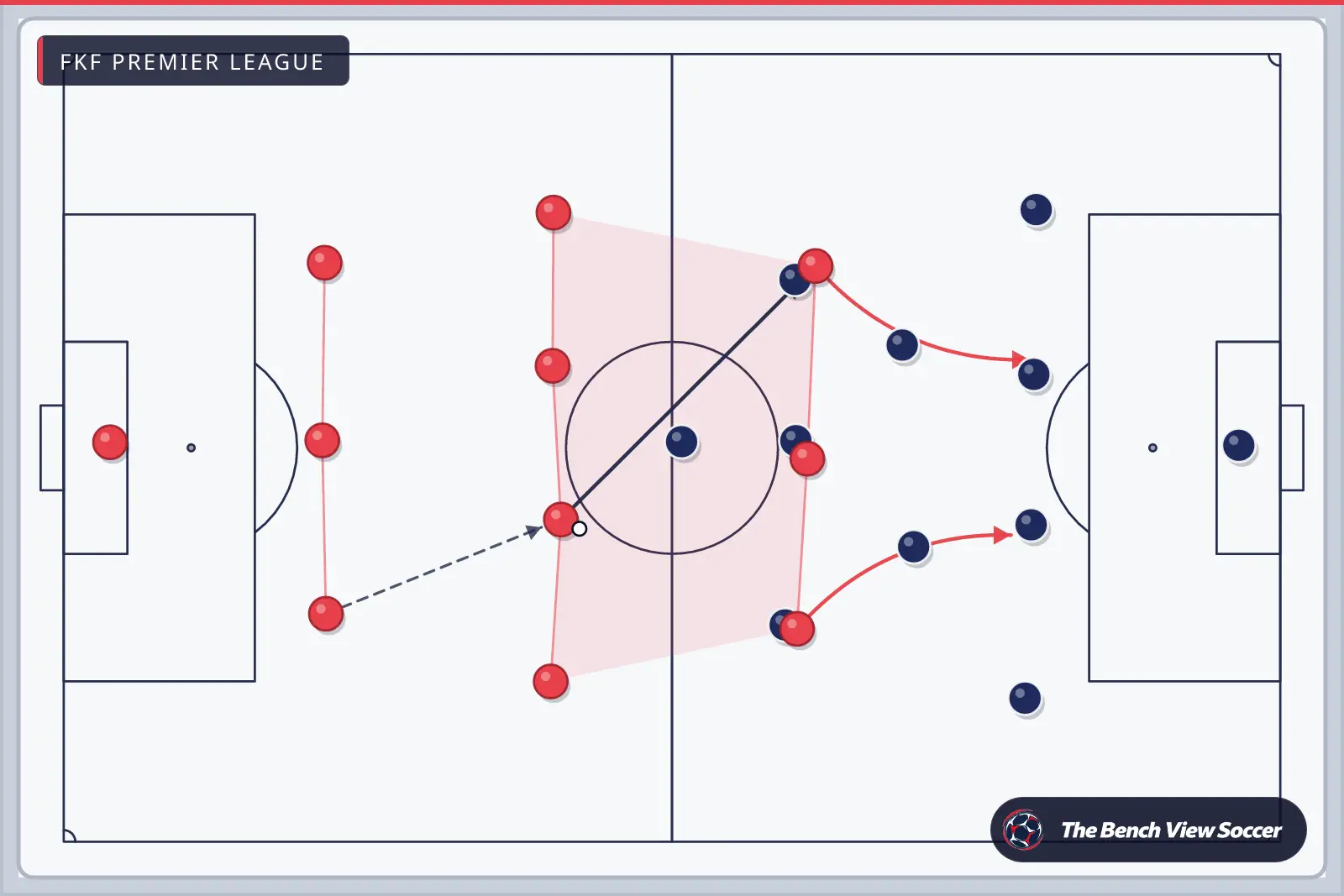
- Press in triggers: Train coordinated pressing triggers—bad first touch, back pass to centre-back, or goalkeeper under pressure—so the team presses as a unit.
- Transition drills: Practice 3v2 and 4v3 quick transition exercises where the ball is turned over and the next phase is an immediate wide attack.
- Set-piece routines: Build 3–4 repeatable set-piece plays (corners, free-kicks) with targeted runners and decoy movements for aerial advantage.
- Match simulation: Run 70–90 minute small-sided scenarios reflecting FKF Premier League conditions—heat, crowd, and physical duels—and rotate players through different tactical roles.
Real examples from FKF Premier League?
In recent FKF Premier League matches, AFC Leopards showed the system against rivals Gor Mahia and mid-table sides. Against Gor Mahia, Leopards compacted the midfield, forcing long balls and countering through pacey wingers. Versus lower-ranked teams they played higher up the pitch, pressing goalkeeper distribution and creating overloads on the flanks.
Coaches have emphasised youth promotion from grassroots and local academies—feeding Harambee Stars prospects. Tactical shifts during CECAFA Cup and AFCON qualifiers mirrored the club's adaptability: more conservative versus stronger continental opponents, expansive at home in Kisumu.
Best tips to master AFC Leopards tactics?
- Understand your primary and secondary role—be ready to switch from fullback to winger-support in transitions.
- Work on first touch and passing under pressure; quick, clean possession beats physical pressure.
- Develop fitness for high-intensity press cycles and repeated sprints—Leopards demand engine players.
- Study set-piece responsibilities; being reliable in dead-ball situations wins matches in the FKF Premier League.
- Communicate constantly—verbal and non-verbal cues align pressing and cover responsibilities.
Mistakes to avoid?
- Overcommitting in press and leaving gaps—balance aggression with cover to avoid counterattacks.
- Ignoring positional discipline; drifting midfielders create holes between lines.
- Neglecting recovery runs after overlaps—fullbacks must track back to maintain defensive shape.
- Undertraining set-pieces—small margins decide FKF Premier League and AFCON qualifiers.
Frequently Asked Questions?
How flexible are AFC Leopards formations?
Leopards typically use a 4-2-3-1 or 4-3-3 but switch to a compact 4-4-2 in defensive phases. Flexibility depends on opposition and player availability. Coaches value players who can move between wide and central roles to maintain tactical balance during matches.
Related Resources
Can youth players adapt quickly to these tactics?
Yes. With clear role education, small-sided tactical drills and repetition of pressing triggers, youth players adapt rapidly. Focus on game understanding, discipline and physical conditioning to match FKF Premier League demands and progress toward Harambee Stars consideration.
Do Leopards focus more on possession or counter-attacks?
They strike a balance—possession is controlled in midfield but quick counter-attacks are the primary scoring mode. The system prizes clean possession to lure opponents forward, then exploits space with direct passes and rapid wing play.
How do set-pieces fit into the Leopards' strategy?
Set-pieces are a major emphasis. Leopards practice near-identical routines for corners and free-kicks to create predictable scoring patterns. Coaches assign primary aerial threats and decoy runners, making dead-ball situations a planned offensive weapon.
For players aiming to break into the starting XI or catch the eye of national selectors, embedding AFC Leopards tactics Kenya into your daily training lifts your game. Start applying these principles in training, review match footage, and lead by example in positional discipline and intensity. Start our free courses on The Bench View Soccer.