FKF Premier League tactics analysis 2025
Kenyan football fans and players are watching 2025 as a turning point. The FKF Premier League is blending traditional physicality with smarter tactical patterns, serving as a talent pipeline for Harambee Stars and creating a visible pathway to AFCON impact. This analysis focuses on practical lessons for motivated players and aspiring coaches.
The Bench View Soccer draws on match footage, coach interviews, and grassroots observations to decode trends. Whether you play in Nairobi, Kisumu or a county league, understanding these tactical shifts will improve decision-making, help you spot pathways to the big clubs and boost Kenya's regional standing in East Africa.
What is FKF Premier League tactics analysis 2025?
FKF Premier League tactics analysis 2025 is a structured breakdown of playing styles, formation trends, pressing methods and transition play used across the Kenyan top flight this season. It identifies patterns like high-possession builds, wing overloads, midblock pressing and counter-attacking triggers, and links them to player roles and coach philosophies.
How to analyse FKF Premier League tactics in 2025?
- Collect match footage and data: focus on full matches, not just highlights. Track sequences of play for 10 matches per team to spot repeatable patterns.
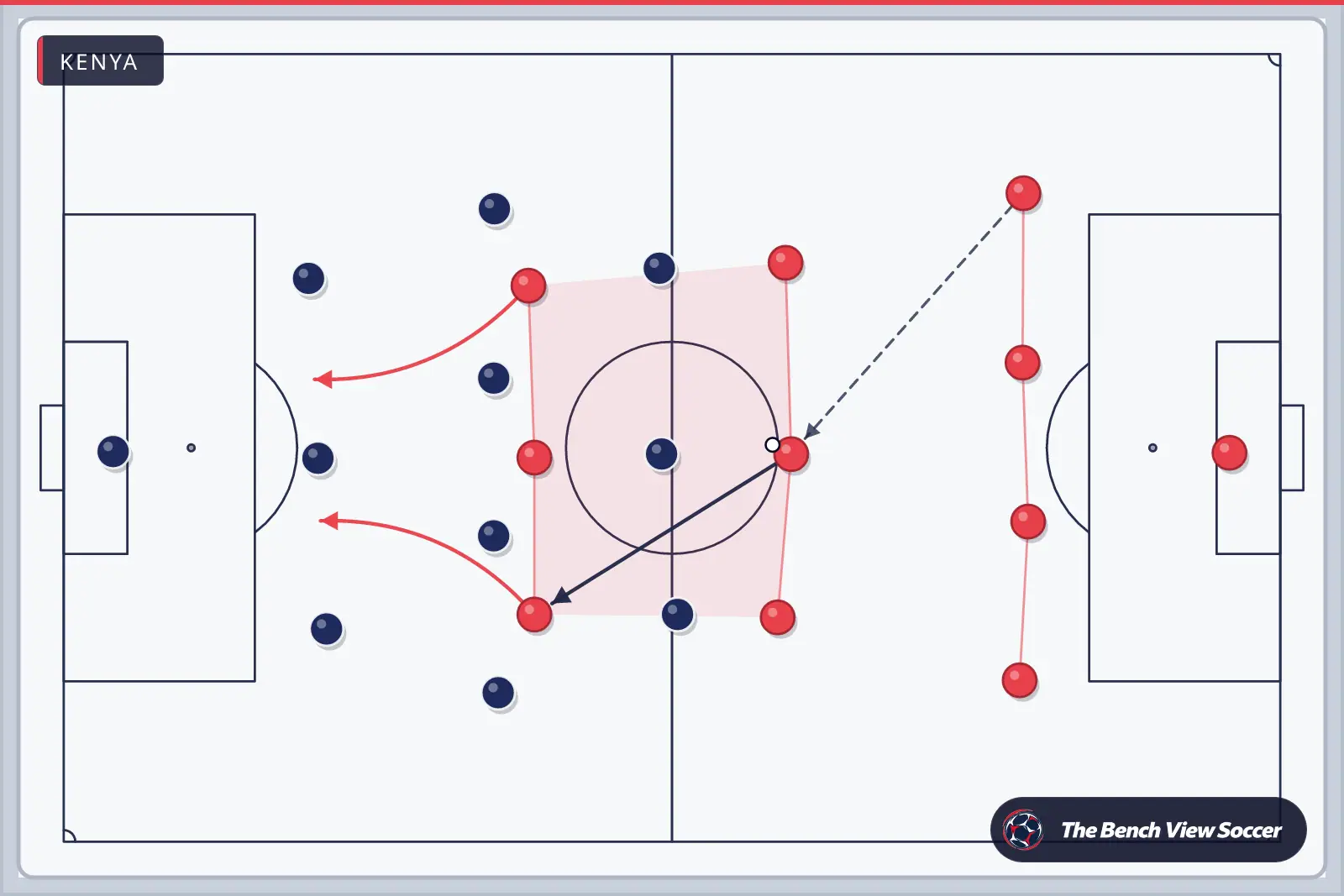
- Map formations and role shifts: note starting formations and how shape changes on and off the ball, including fullback advances and striker drops.
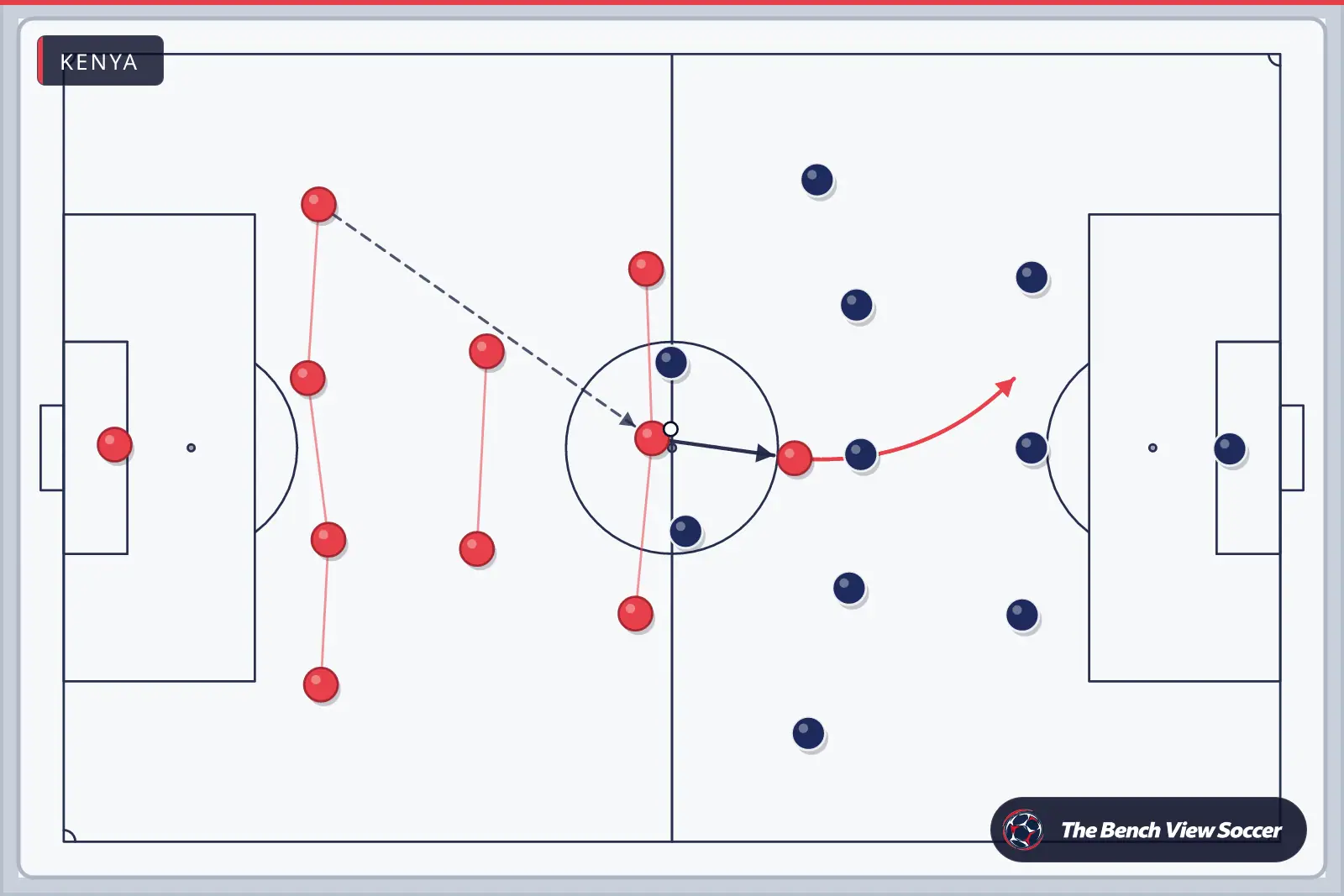
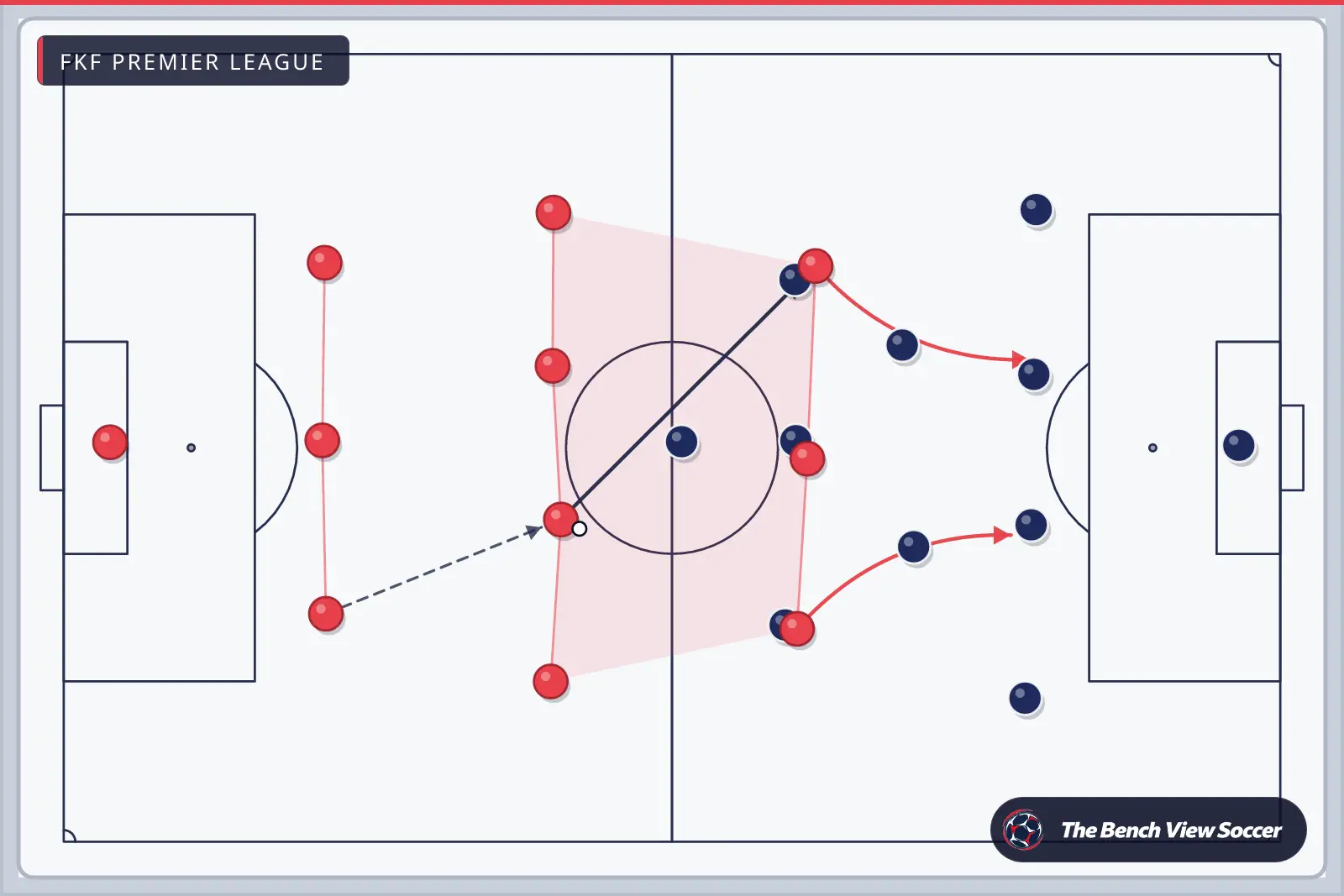
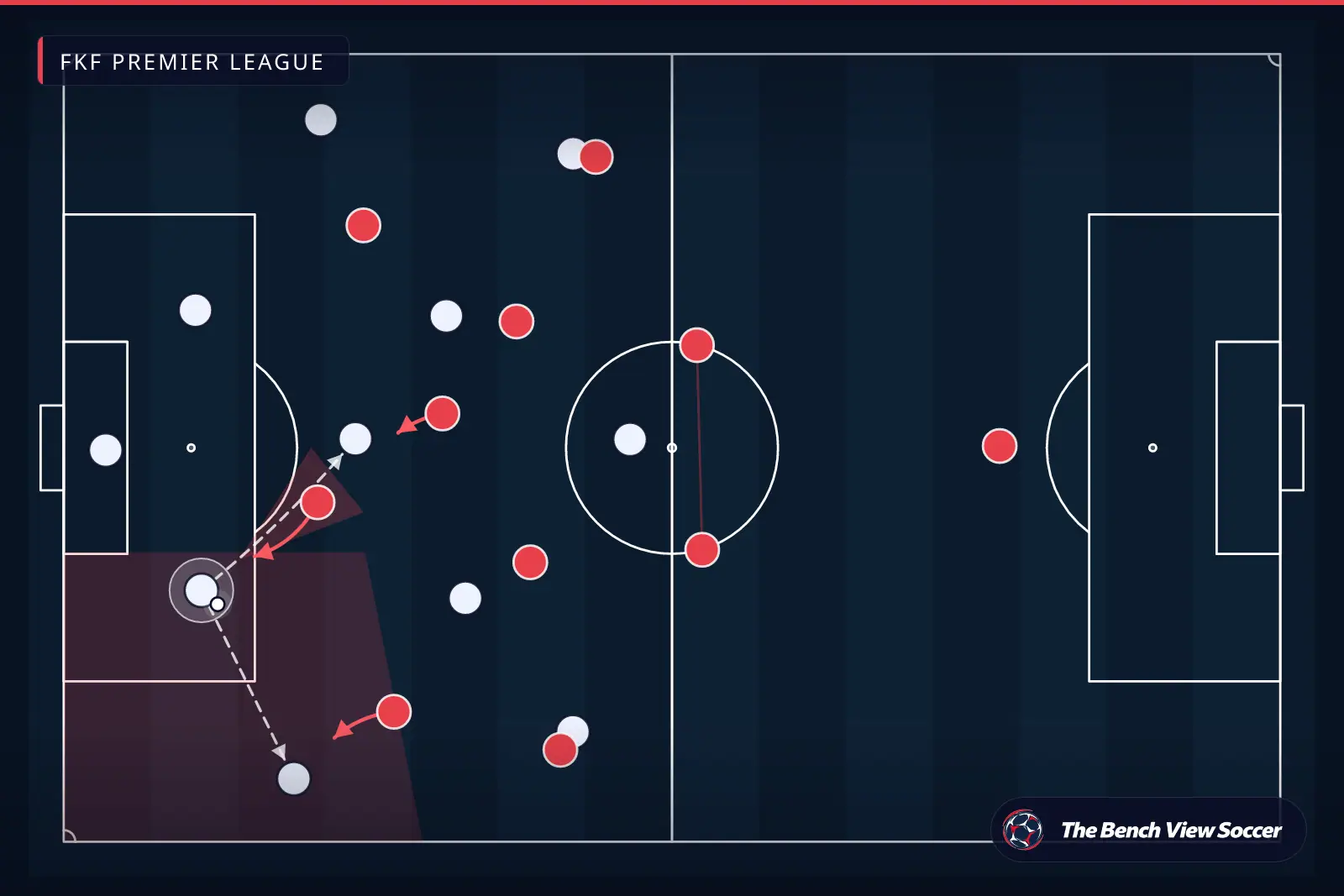
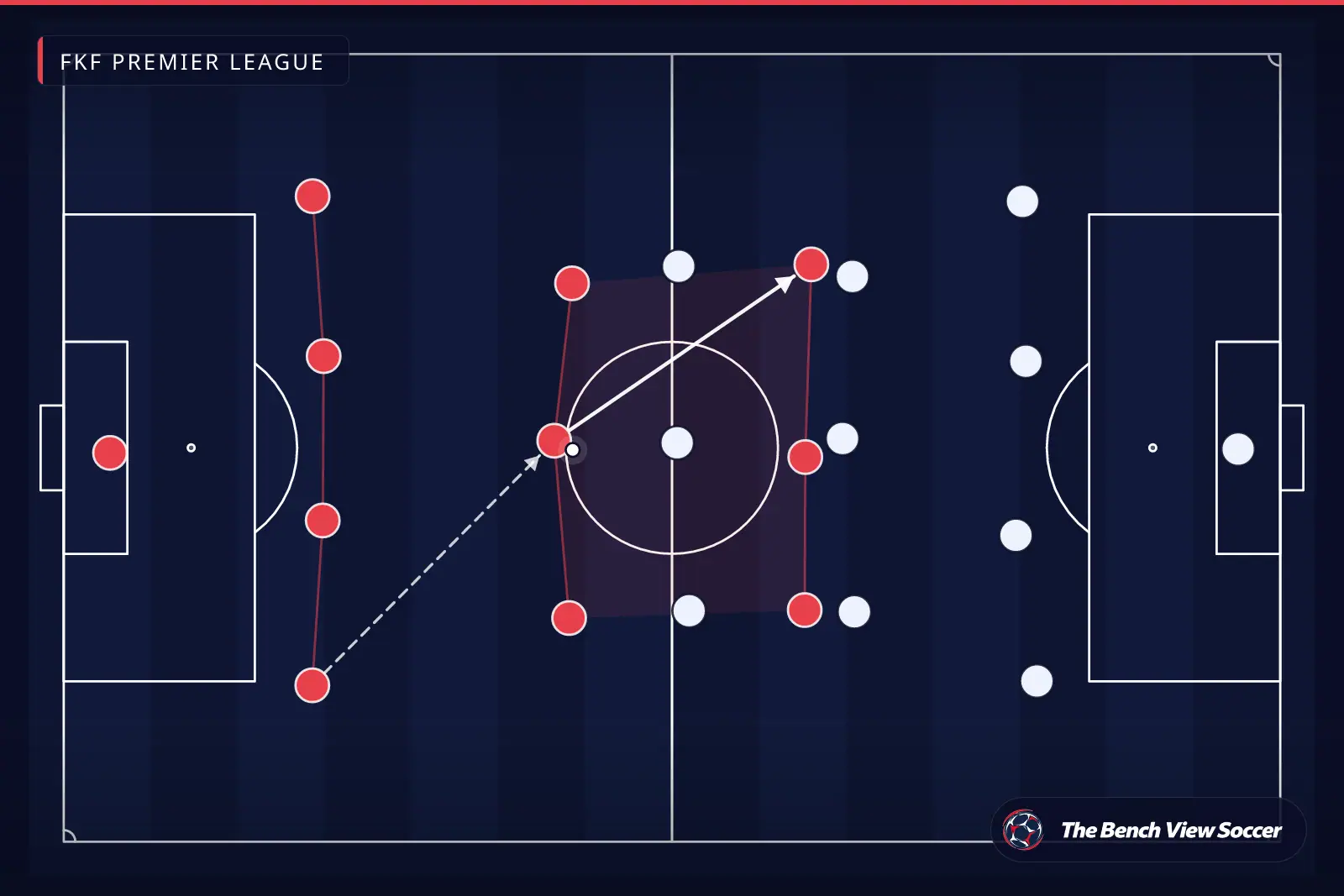
- Identify triggers for pressing and transition: log what cues cause teams to press high or retreat into a midblock, including opponent passes, goalkeeper distribution, or wing events.
- Measure ball progression methods: record how teams progress from defence to attack: through central combinations, wide switches, or direct long balls, and the success rate of each.
- Translate insights to training: design drills that replicate game scenarios you observed, such as overloads on the flank, midblock defensive shaping, or quick transition patterns for strikers and midfielders.
Real examples from FKF Premier League?
Gor Mahia has refined a possession foundation with targeted vertical passes. Their midfield pivot now moves laterally to create half-space for wingers, converting possession into high-quality chances. AFC Leopards have prioritized quick wing transitions, heavily using overlapping fullbacks to create numerical superiority on the flanks.
Smaller clubs are adopting compact midblocks, forcing rivals to play long and inviting turnovers. In several matches, teams that successfully pressed the goalkeeper regained the ball in the opponent's half and created immediate scoring chances. Young Harambee Stars prospects are emerging from these systems, showing tactical readiness for international football.
Best tips to apply these tactics?
- Prioritise positional awareness: learn role-specific lanes and when to occupy half-spaces to stretch defences.
- Practice ball circulation under pressure: quick first touches and rotation between midfield and fullbacks beats static setups.
- Train transitional speed: short, intensive drills that simulate winning the ball and moving at pace into attack.
- Develop overlapping and underlapping options: fullbacks and wingers must rehearse timing to create overloads.
- Work on compact defensive blocks: organise your team to reduce space between lines and force opponents wide.
Mistakes to avoid?
- Overcommitting fullbacks without cover, leaving gaps behind for counter-attacks.
- Neglecting goalkeeper distribution patterns; misreading this reduces pressing effectiveness.
- Copying elite tactics without adjusting for player quality and physical conditioning.
- Ignoring set piece organisation; many FKF Premier League goals still come from poorly defended dead balls.
Frequently Asked Questions
How do Gor Mahia and AFC Leopards influence league tactics?
Gor Mahia and AFC Leopards set tactical trends by combining resources and coaching networks that influence others. Their focus on possession and wing play creates templates smaller clubs adapt, while their player pipelines feed tactical-trained talent to Harambee Stars and regional competitions.
Can grassroots players apply these 2025 tactics?
Yes. Grassroots teams should simplify: focus on basic passing patterns, compact defensive shape and quick transition drills. These foundational elements mirror FKF Premier League trends and help players progress technically and tactically toward professional standards.
Which formations dominate FKF Premier League 2025?
Formations with a midfield pivot, such as 4-2-3-1 and 4-3-3 variants, are common. Teams tweak these shapes by pushing fullbacks higher or using a false nine to create pockets between opposition lines for midfield runners.
How does this analysis help Harambee Stars prospects?
Players schooled in these FKF Premier League patterns arrive at national team camp with experience in pressing triggers, transitional runs and positional rotations, reducing adaptation time and improving Kenya's tactical options for AFCON and CECAFA competitions.
Start our free courses on The Bench View Soccer.