football pressing tactics Vietnam
Vietnamese bóng đá fans live and breathe pressing: the Park Hang-seo era and AFF Championship success showed how organised, high-intensity defending lifts a nation. For motivated players and coaches in V.League 1, understanding pressing isn’t just theory — it is the tactical heartbeat that can disrupt better-equipped opponents.
This guide distils pressing into clear coaching ideas and practical steps you can train this week. It links to V.League 1 examples — Hanoi FC, Hoang Anh Gia Lai and Ho Chi Minh City FC — and highlights how national icons like Nguyen Quang Hai inspire the next generation to press with purpose.
What is pressing in bóng đá?
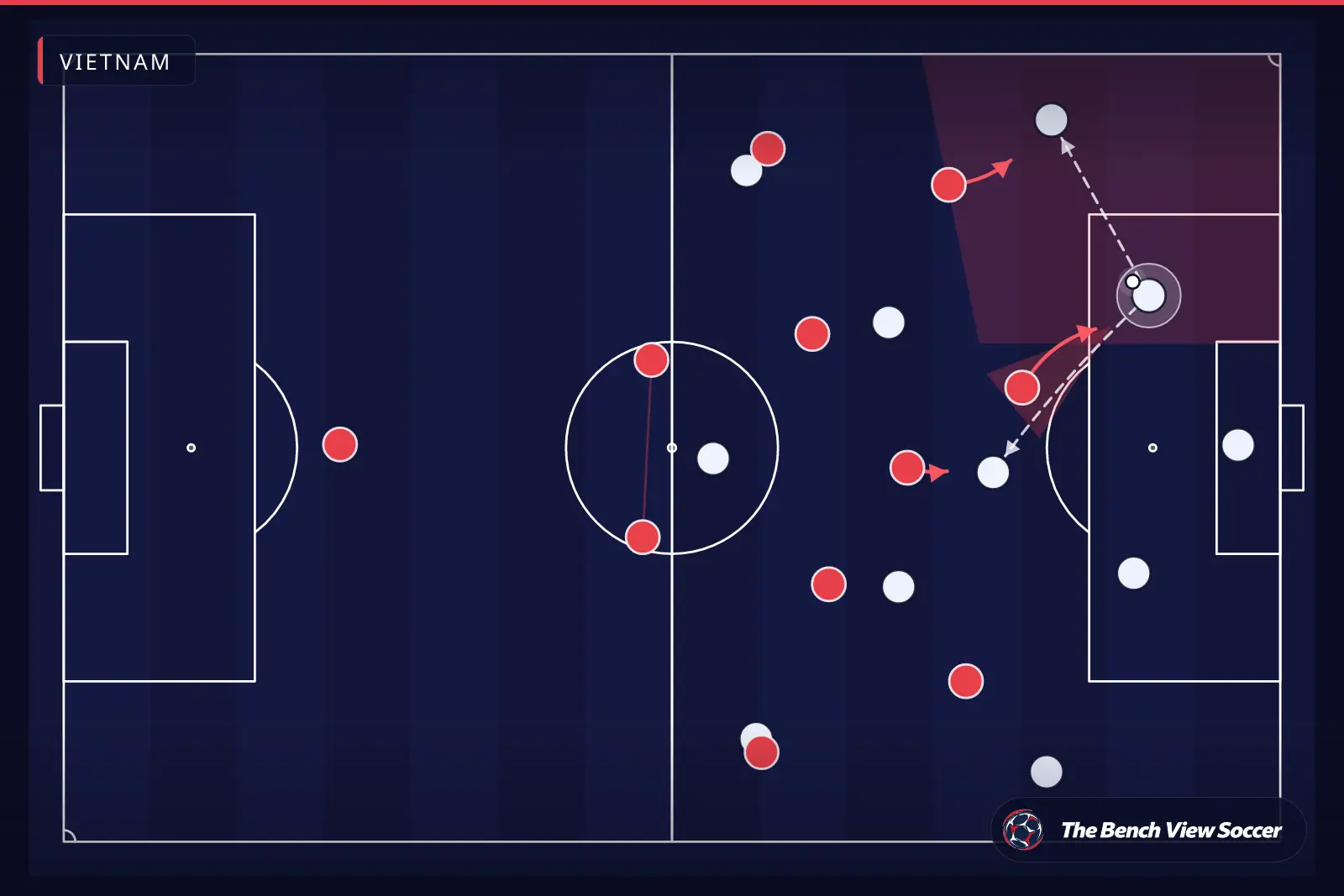
Pressing in bóng đá is organised collective action to apply pressure on the opponent in possession, forcing errors or hurried passes that lead to turnovers. It ranges from high pressing near the opponent’s goal to mid-block and low-block, with shared triggers and coordinated movement across lines.
How to apply football pressing tactics Vietnam?
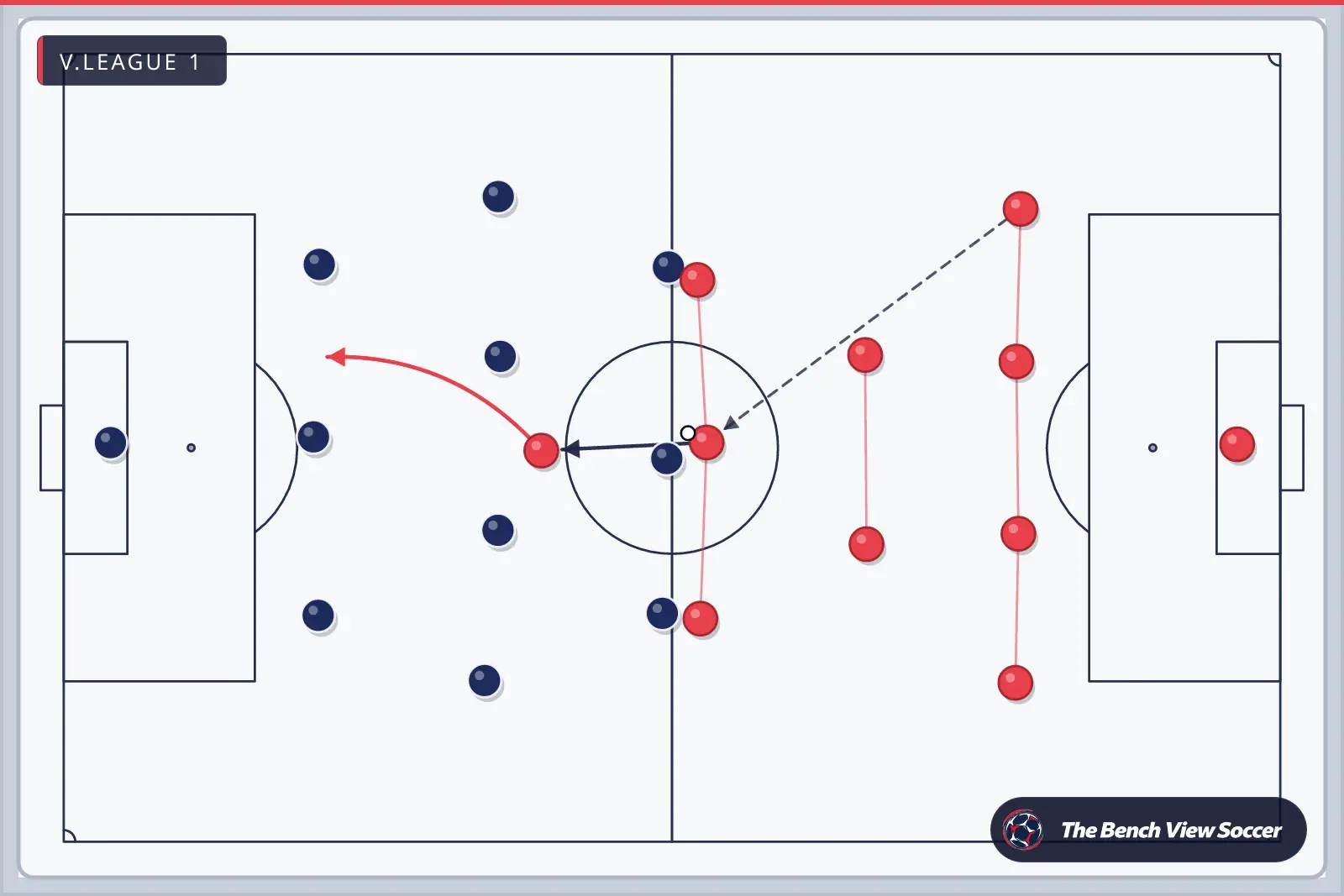
- Define your pressing trigger: choose clear moments to press (bad touch, backward pass, isolated fullback). Train recognition drills so every player reacts identically.
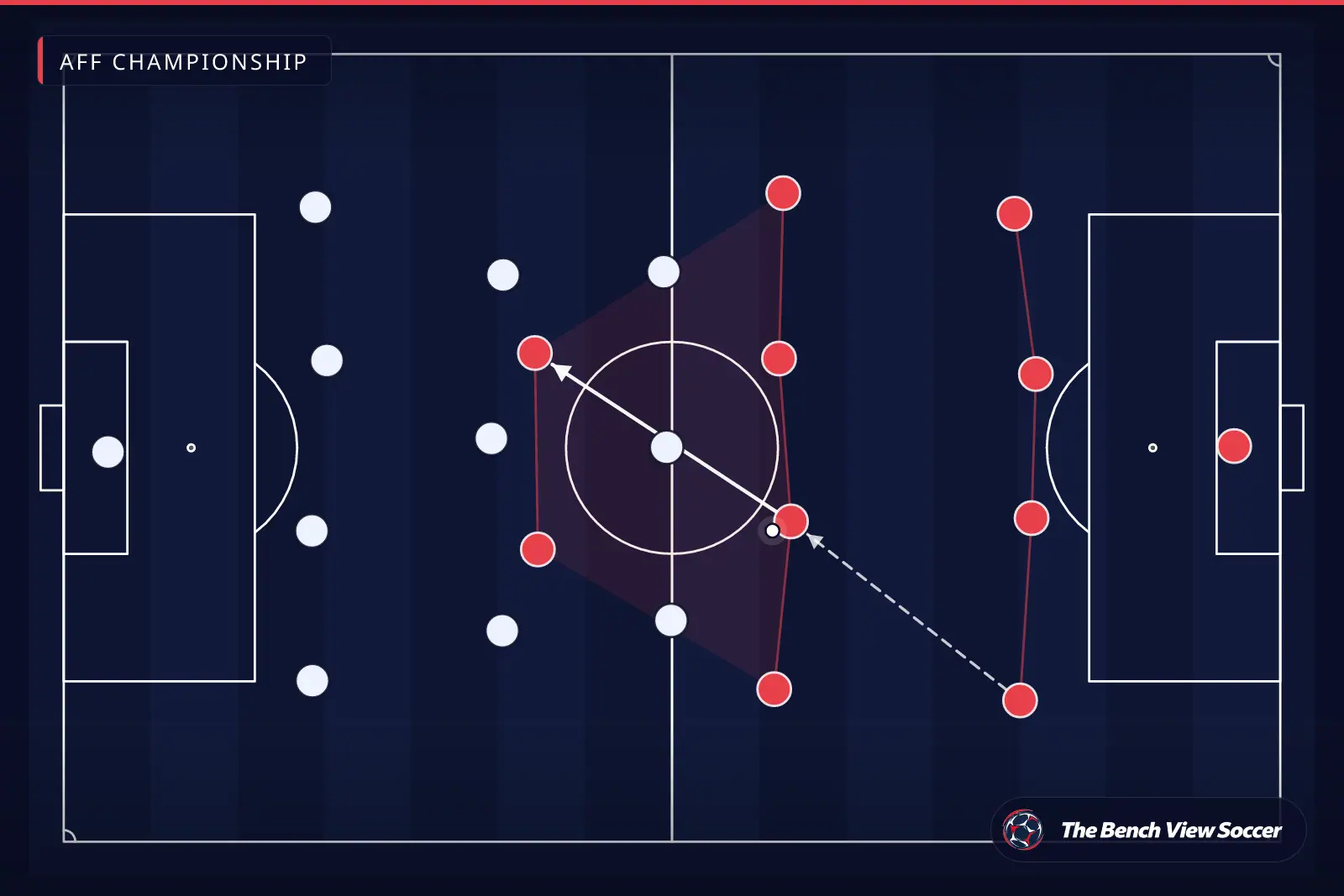
- Set distances and compactness: coach the gap between lines and the cover shadow. Compact teams steal time and make pressing efficient rather than frantic.
- Teach role-specific actions: front players must channel play; midfielders must block passing lanes; defenders must be ready to step up or drop depending on the trigger.
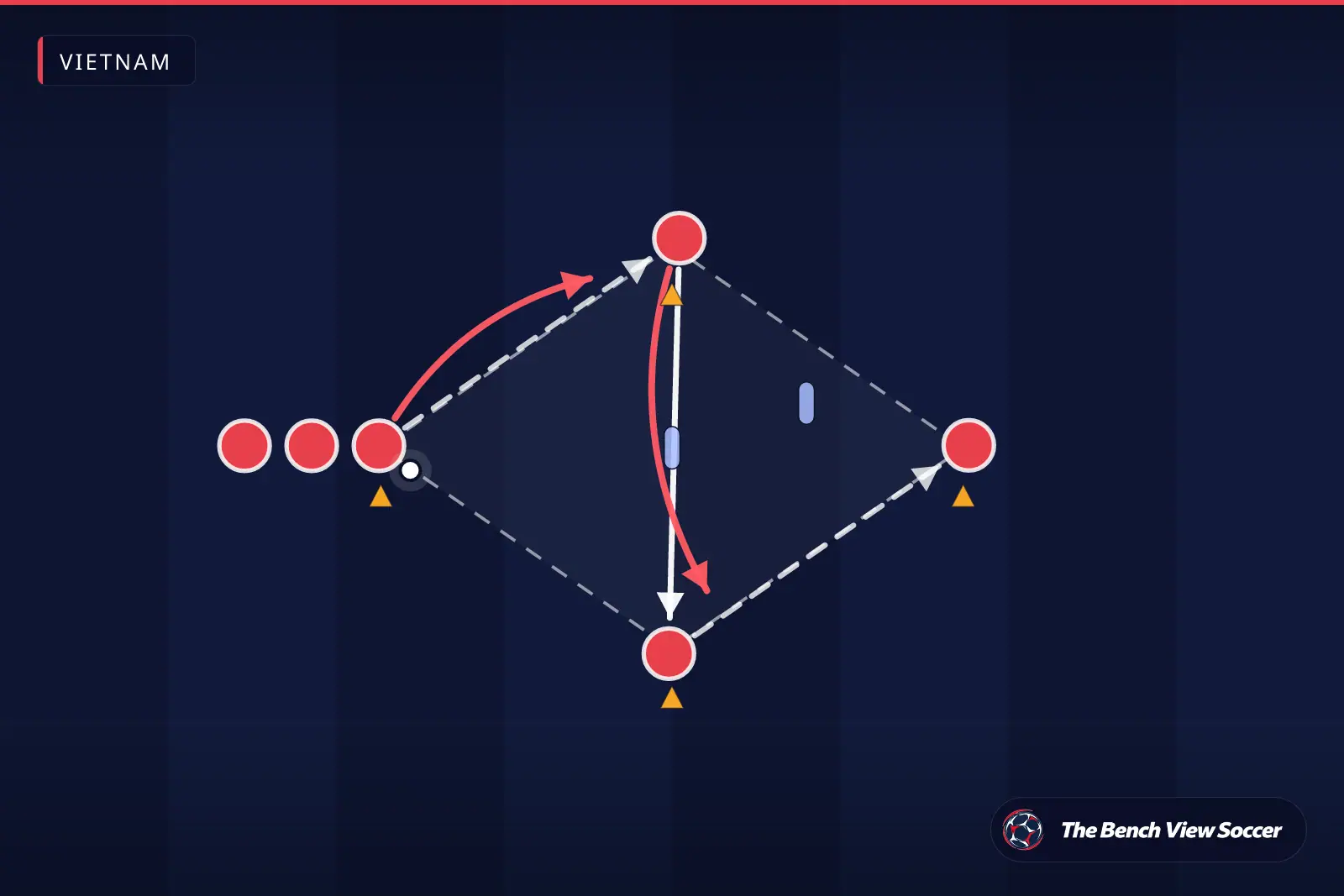
- Practice coordinated sprints and rotations: use 6v6 or 8v8 rondos with directional pressure to replicate match rhythms and recovery runs after turnovers.
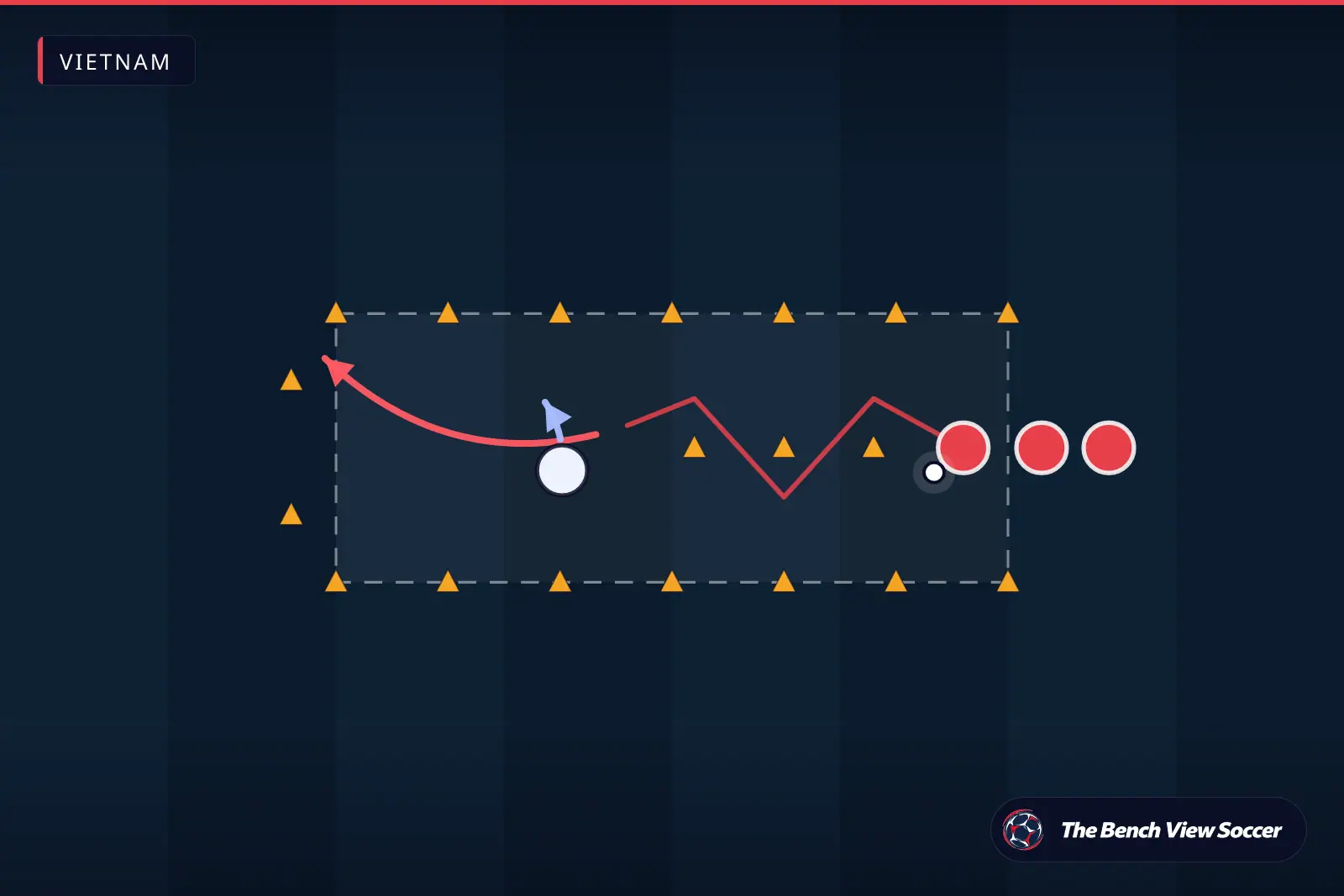
- Condition with game-like repetition: progressive load sessions that blend tactical walkthroughs, micro-scrimmages and interval conditioning to build pressing endurance.
What are real examples from V.League 1?
Hanoi FC: often demonstrates organised mid-block pressing that funnels opponents wide, using quick interceptions to feed counter-attacks. Their compact midfield and disciplined wingbacks show how pressing can create scoring transitions.
Hoang Anh Gia Lai: youth development and mobile midfielders provide high-energy pressing bursts. HAGL’s academy graduates press in waves, reflecting a coaching emphasis on triggers and recovery — a model for clubs aiming to press without sacrificing shape.
Ho Chi Minh City FC: mixes high press moments with rapid fallback. They show how to mix press styles in a match—aggressive in short periods, conservative when managing fatigue—useful in congested V.League 1 calendars.
Best tips to master football pressing tactics Vietnam?
- Train triggers first: make one shared cue for when to press and drill it until automatic.
- Prioritise communication: short phrases and eye contact reduce hesitation when pressing together.
- Use conditioned games: small-sided games with scoring for successful turnovers build pressing instincts.
- Work on recovery shape: pressing wins are short-lived unless players immediately form a defensive shape after loss.
- Balance intensity with rotation: switch pressing responsibilities to manage fatigue across 90 minutes.
Mistakes to avoid?
- Pressing without cover: pressing a striker alone leaves gaps for quick passes behind the line.
- Over-pressing all game: constant high press without rest leads to mental errors and physical collapse.
- Poor trigger clarity: if players use different cues they press at the wrong moments and create chaos.
- Ignoring transition defence: forgetting to organise after a turnover invites counter-attacks and bad results.
Frequently Asked Questions?
How often should a youth team train pressing?
Train pressing twice weekly with one tactical session and one conditioned game. Young players need repetition on triggers and compactness plus recovery work. Keep sessions short and focused to build recognition, fitness and confidence without burnout.
Can V.League 1 teams press successfully against stronger opponents?
Yes. Pressing is a leveler when executed with discipline. Focus on trigger-based pressing, limit risky spaces, and use counter-press after turnovers. Clubs like Hanoi FC have used tactical intelligence and compact structures to upset technically superior sides.
What physical qualities matter most for pressing?
Explosive acceleration, repeated sprint ability and quick recovery are essential. Equally important are decision speed and spatial awareness: pressing relies on timing and coordination rather than brute endurance alone.
How can amateur players practice pressing alone?
Solo players can emulate pressing by doing reaction drills, shadowing passing lanes, and using wall passes to work on first touch and immediate pressure. Record small-sided games to study positioning and trigger recognition for personal improvement.
Pressing is as much a cultural identity in Vietnam’s modern bóng đá as creativity and work rate. From Nguyen Quang Hai’s smart interceptions to club-level discipline in V.League 1, the blueprint is clear: teach triggers, rehearse shape, and cultivate relentless teamwork.
Start our free courses on The Bench View Soccer.