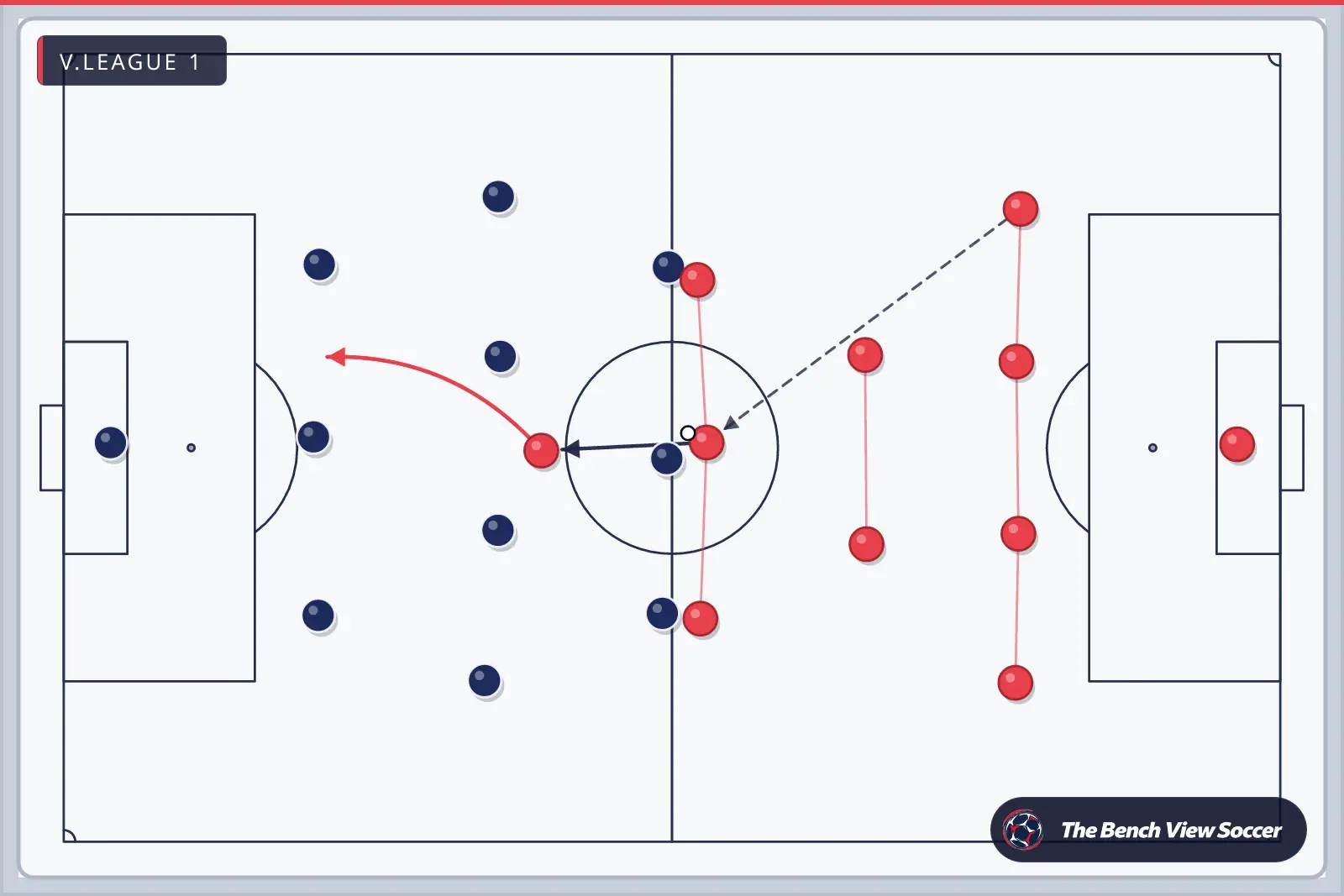
V.League 1 tactics analysis 2025
Vietnamese bóng đá enthusiasm remains at fever pitch after the Park Hang-seo era and the Asian Cup 2023 qualification that reinvigorated the nation. As a player motivated to improve, you need a clear, actionable read on how V.League 1 teams are evolving in 2025 so your training and match decisions match modern demands.
This V.League 1 tactics analysis 2025 breaks down trends, step-by-step coaching actions, real club examples and practical drills. Expect beginner-friendly explanations plus deeper tactical nuances you can use in team sessions or personal development.
What is V.League 1 tactics analysis 2025?
V.League 1 tactics analysis 2025 is a targeted review of tactical patterns, coaching choices, and player roles shaping Vietnam's top-flight bóng đá this season. It identifies pressing triggers, build-up templates, defensive block shapes, and transition strategies used by leading clubs and national team-inspired philosophies.
How to conduct your own V.League 1 tactics analysis 2025?
- Collect footage: Record full matches and 10–15 minute clips of phases (build-up, transition, set pieces). Focus on Hanoi FC, Hoang Anh Gia Lai, Ho Chi Minh City FC and national-team influenced games.
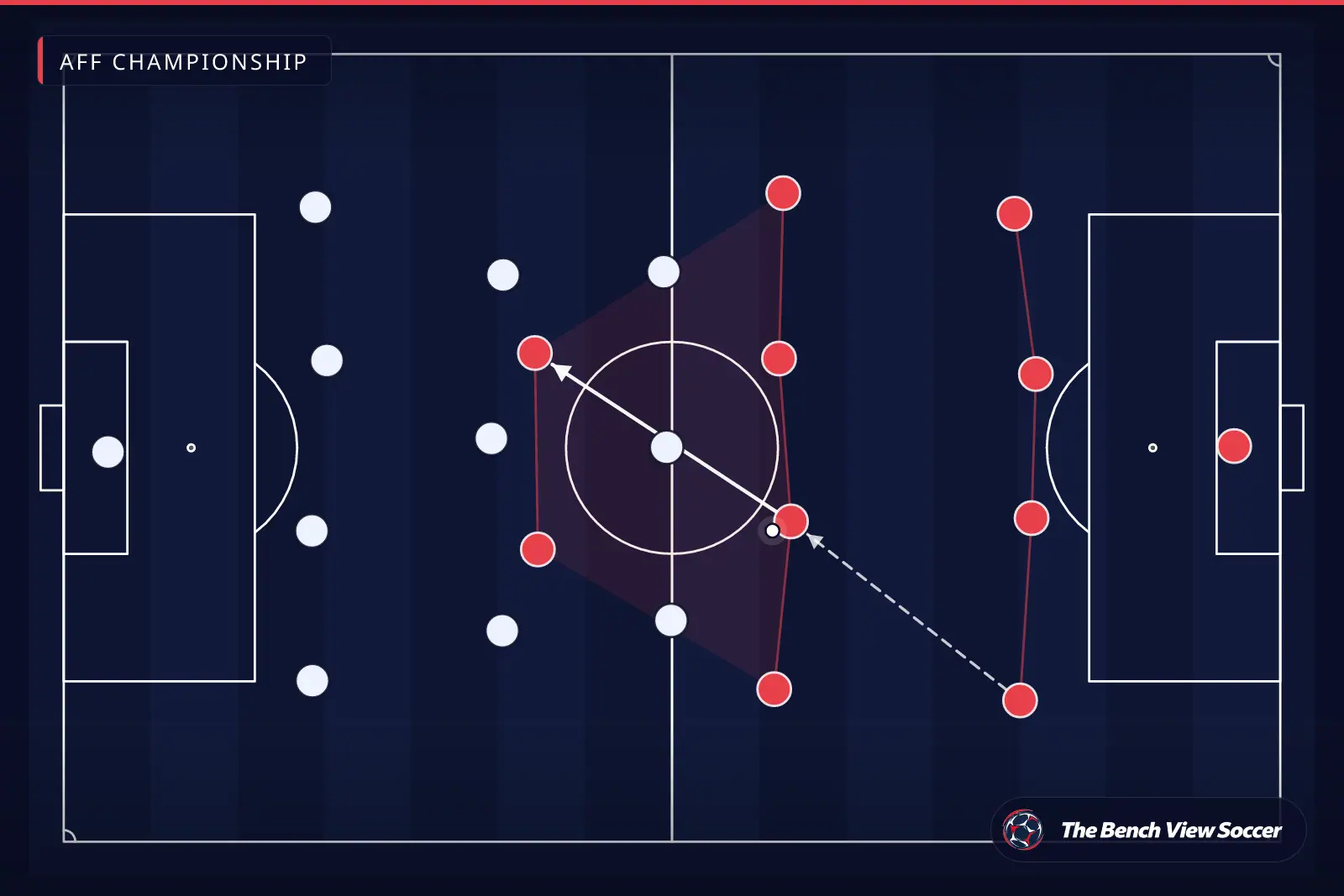
- Map structures: Draw simple 4-3-3, 3-5-2 or hybrid shapes you observe. Mark how width is created, where overloads happen, and who steps into midfield when defenders split play.
- Identify triggers: Note cues for pressing (bad backpass, narrow control, winger inside) and counter-attack triggers (recovery run, loose second ball). Timestamp repeated patterns for repeats in training.
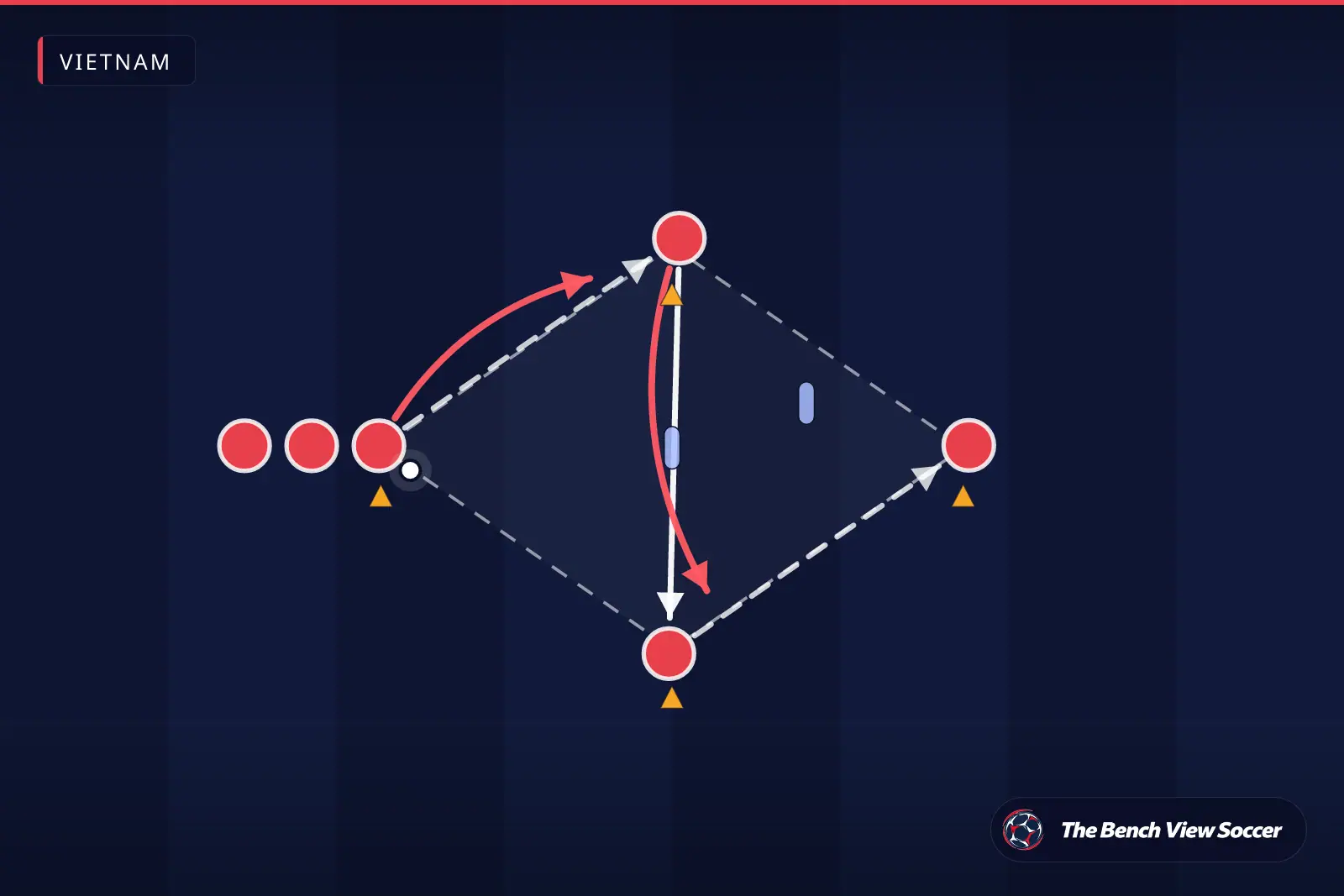
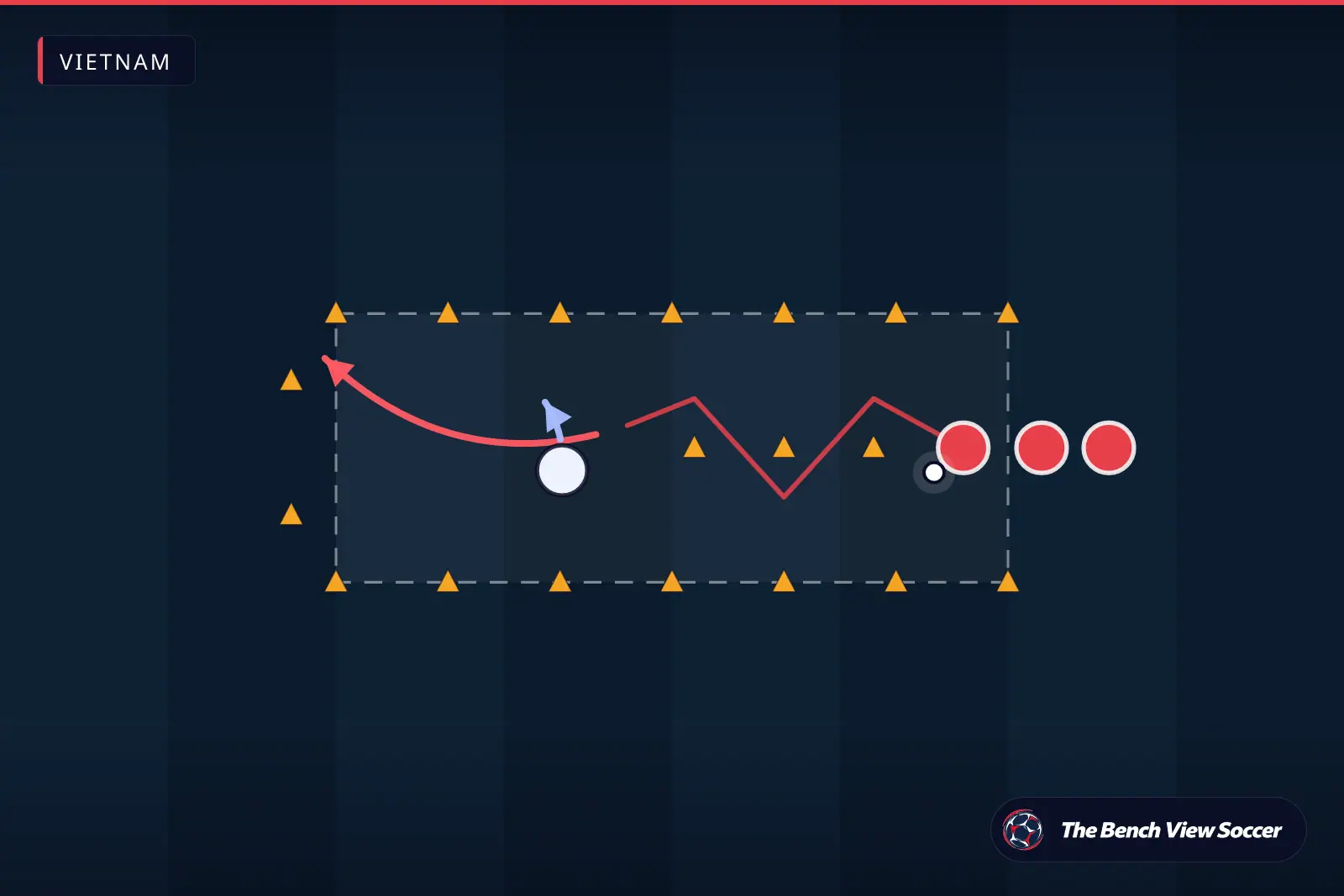
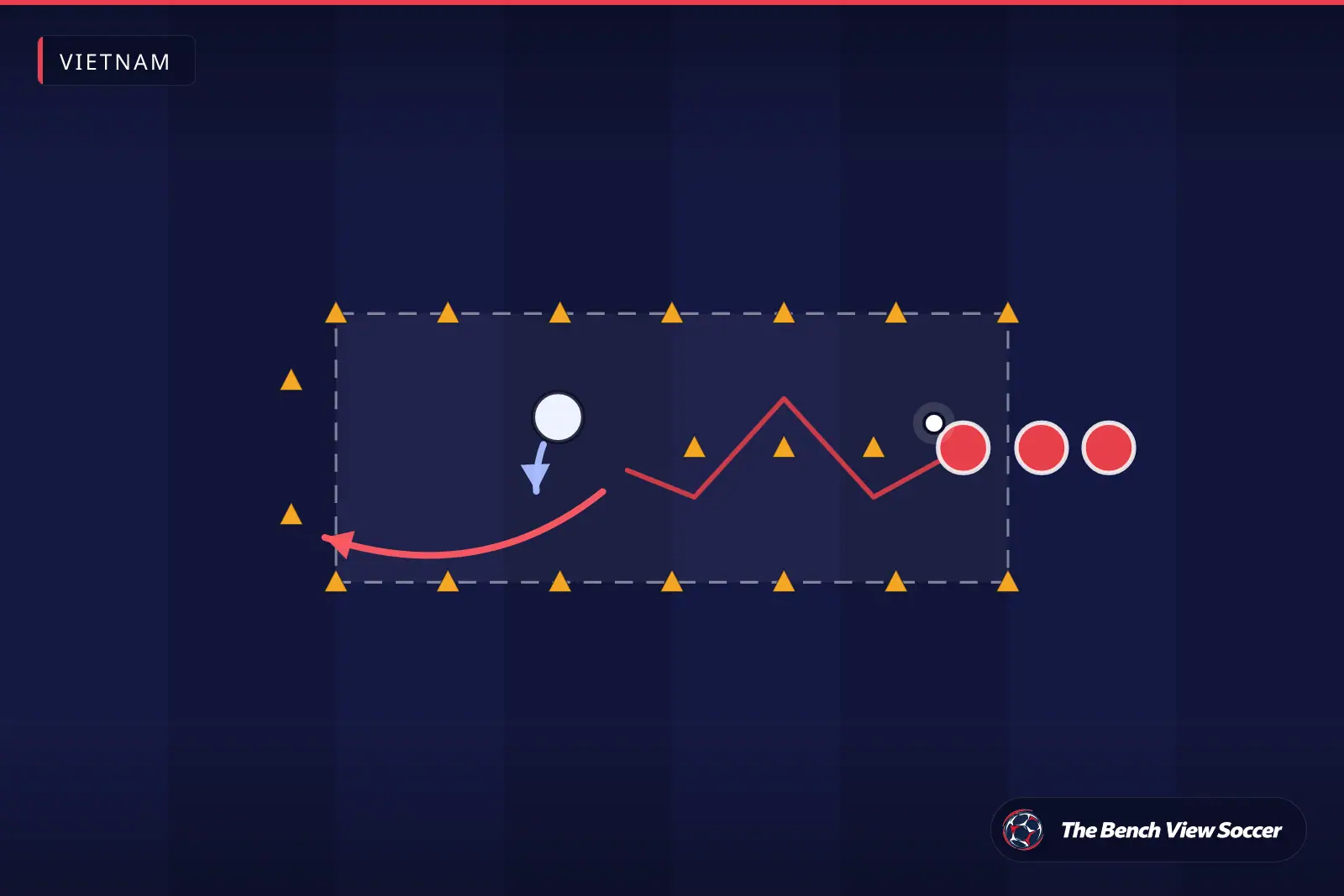
- Translate to drills: Design 3v2 overloads, positional rondos, and transition games that replicate the pattern. Keep exercises short, focused, and measurable (reps, successful patterns).
- Test and refine: Use weekly microcycles — implement in training, test in friendlies or intra-squad, collect feedback, and adjust role definitions and distances between lines.
Real examples from V.League 1?
Hanoi FC: Look at their controlled possession out from the back, often using a deep-lying midfielder as the pivot. Hanoi balances patient circulation with vertical penetrations into half-spaces. This V.League 1 tactics analysis 2025 highlights their disciplined pressing triggers and coordinated wing rotations.
Hoang Anh Gia Lai (HAGL): HAGL emphasizes ball progression through quick one-touch passing and wide overloads. Their academy-trained technical players prioritize mobility, making HAGL a model for transitional speed and inside-forward rotations in this V.League 1 tactics analysis 2025.
Ho Chi Minh City FC: They mix aggressive counter-pressing after turnover with direct set-piece focus. Expect compact midblocks that spring to rapid vertical attacks. The club often funnels play to Nguyen Quang Hai-like creators who unlock defenses — a national icon influence felt across the league.
Best tips to master V.League 1 tactics analysis 2025?
- Watch focused clips: Study 10-minute phases repeatedly, not whole matches at first, to spot recurring patterns.
- Train triggers deliberately: Use small-sided games that reward the correct pressing or switching decisions within 4–8 seconds.
- Improve positional discipline: Work distance control between lines — compact vertically when defending, wider in build-up to create passing lanes.
- Practice set-piece routines: V.League 1 games often decide outcomes on set pieces; rehearse defensive and attacking scripts weekly.
- Learn from national trends: Incorporate Park Hang-seo era lessons on teamwork, intensity, and mental resilience into club-level drills.
- Personalize roles: If you idolize Nguyen Quang Hai, study his off-the-ball movement and craft similar spatial habits suited to your strengths.
Mistakes to avoid?
- Copying formations blindly: Don’t force a formation if your squad lacks players with the required profile — adapt principles instead of shapes.
- Ignoring transition phases: Many teams focus on attack/defense but neglect quick transition training, which costs points in V.League 1.
- Overcomplicating instructions: Keep player roles clear; too many tactical rules slow decision-making in high-pressure matches.
- Neglecting physical specificity: Tactical plans fail without practicing the required intensity and recovery patterns that V.League 1 demands.
Frequently Asked Questions
Q: How does V.League 1 tactics analysis 2025 reflect national team trends?
A: The 2025 V.League 1 tactics analysis shows heavy influence from the Park Hang-seo era and Asian Cup 2023 lessons: emphasis on collective pressing, zonal compactness and direct vertical moments. Clubs adopt national ideas but modify them to squad strengths and domestic match tempo.
Q: Which positions are most important under current V.League 1 tactics analysis 2025?
A: Midfield pivot and wide creators are crucial. A deep-lying pivot enables clean build-up while mobile wingers or inside-forwards provide vertical thrust. Nguyen Quang Hai-style creators remain valuable for unlocking compact defenses in the league.
Q: Can youth players use this V.League 1 tactics analysis 2025 to improve quickly?
A: Yes. Focus on pattern recognition, decision speed, and basic tactical principles: compactness, trigger-based pressing, and efficient vertical passing. Pair tactical learning with technical repetitions to accelerate development at academy and SEA Games levels.
Q: How should coaches measure success after applying ideas from V.League 1 tactics analysis 2025?
A: Use clear KPIs: successful build-up completions, turnovers recovered in the final third, transition goal probability, and set-piece conversion/defense rates. Track these across microcycles and adjust training priorities accordingly.
Start applying the V.League 1 tactics analysis 2025 principles today: record, map, train, test and refine. Use the examples from Hanoi FC, Hoang Anh Gia Lai and Ho Chi Minh City FC as templates and always tailor ideas to your squad and player strengths. Start our free courses on The Bench View Soccer.