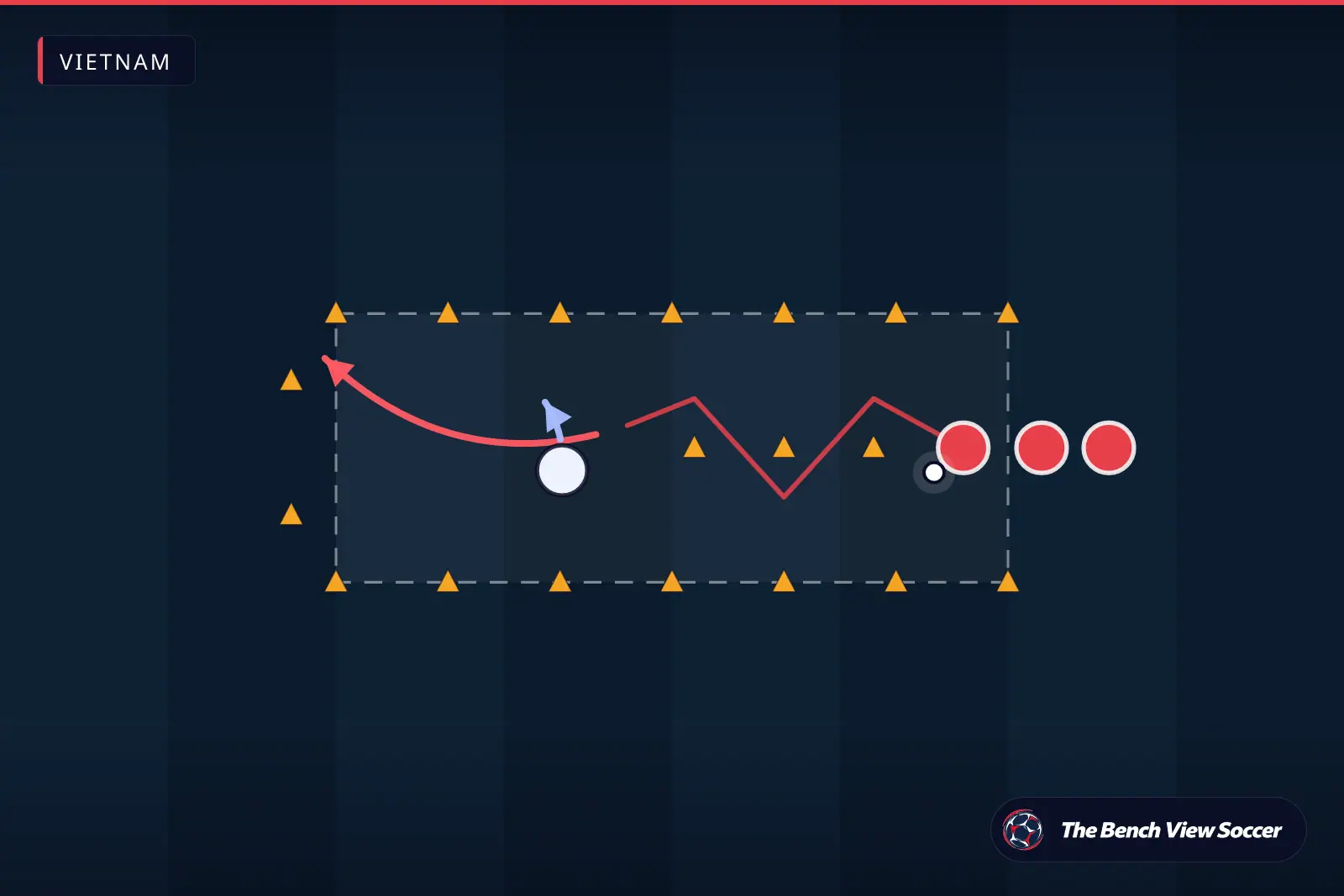
Vietnam football training program
Vietnamese bóng đá has surged from passionate grassroots matches to regional prominence. Under Park Hang-seo and the rise of icons like Nguyen Quang Hai, fans and players expect training that turns local talent into consistent performers at the AFF Championship, SEA Games and Asian Cup qualifiers.
Whether you train at a Ho Chi Minh City FC academy, watch Hanoi FC’s positional play, or want to improve for V.League 1 trials, a clear Vietnam football training program gives you a roadmap: technical mastery, physical readiness, tactical intelligence, and the right mindset.
What is a Vietnam football training program?
A Vietnam football training program is a structured plan for developing bóng đá players in Vietnam’s context. It combines ball control, passing, finishing, conditioning, and tactical drills tailored to local playing styles and competition levels. The program aligns weekly microcycles with long-term goals—youth development, club readiness, or national team pathways.
How to implement a Vietnam football training program?
- Assess the player: Start with technical baseline tests (passing, dribbling, shooting), aerobic/anaerobic fitness, and position-specific skills. Use simple drills to identify strengths and weaknesses.
- Set progressive goals: Create 4–12 week blocks focusing on one primary attribute (e.g., first touch), plus maintenance sessions for others. Goals should be measurable: improve 20m sprint by X%, increase pass completion in pressure drills.
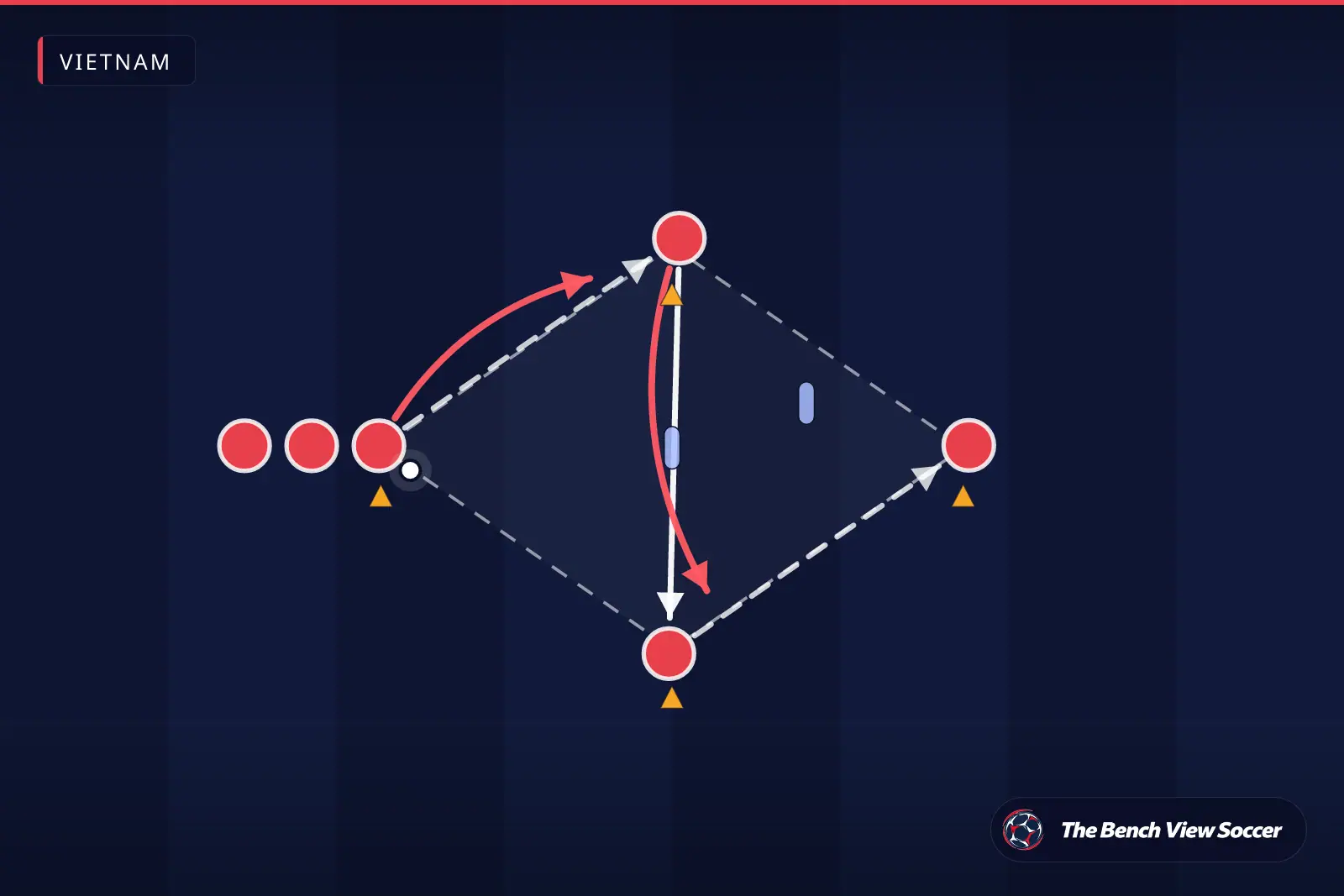
- Design weekly microcycles: Structure 3–5 training days: 1 technical, 1 tactical, 1 strength/conditioning, 1 recovery/individual skills, and 1 match or high-intensity practice. Integrate bóng đá-specific conditioning (shuttle runs with ball, repeat sprints).
- Use small-sided games and position drills: Prioritize 3v3 to 5v5 for touch frequency and tactical cues. Add position-specific sequences (full-back overlaps, striker movement patterns) to mirror V.League 1 match demands.
- Monitor and adapt: Track performance data (training load, perceived exertion, technical metrics). Adjust volume and intensity to avoid injury and ensure steady progression toward trials or competitions.
What are real examples from V.League 1?
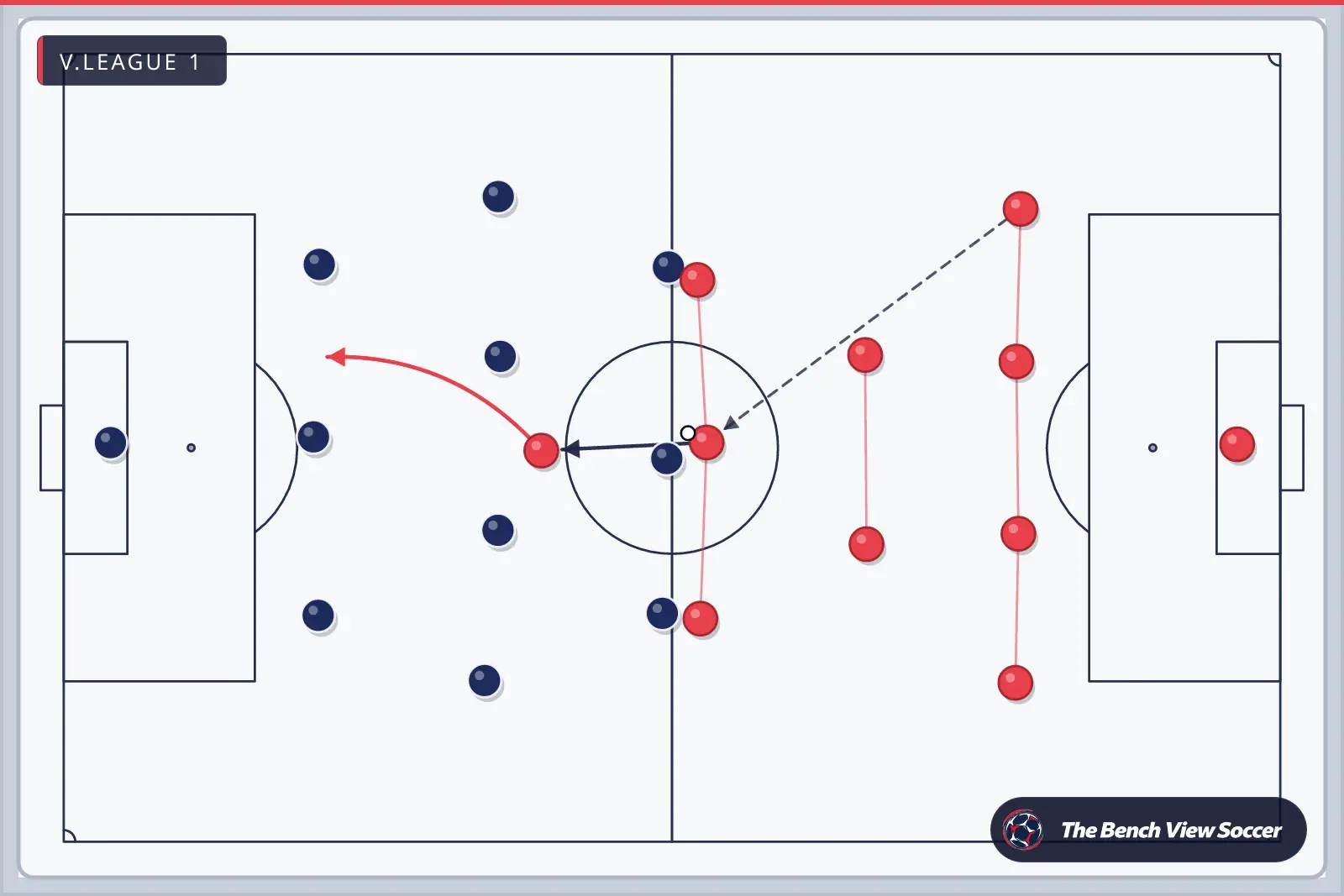
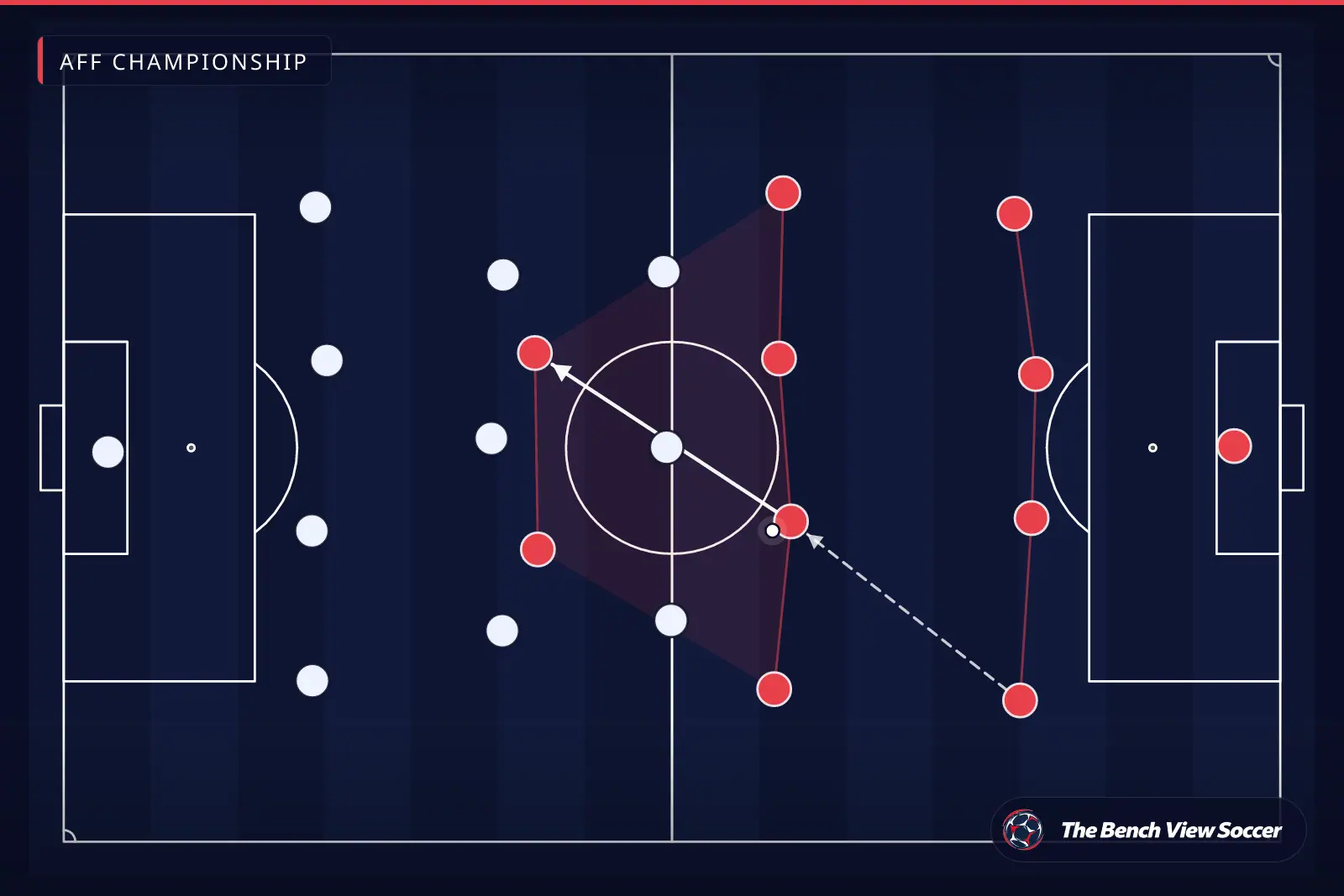
V.League 1 clubs provide practical templates you can adapt. Hanoi FC emphasizes high-possession technical drills and quick combination play in tight spaces—ideal for midfielders and attackers. Hoang Anh Gia Lai focuses on youth integration and ball mastery under pressure, reflecting their JMG-inspired academy approach. Ho Chi Minh City FC trains dynamic wing play and transition speed, with sessions dedicated to repeat sprint ability and crossing accuracy. Studying these models helps form a Vietnam football training program that matches local tactical identity.
What are the best tips to improve with this program?
- Practice first touch every day: 10–15 minutes of wall passes and receiving under pressure improves control fast.
- Use small-sided games for decision-making: 3v3/4v4 accelerate technical and tactical learning under physical stress.
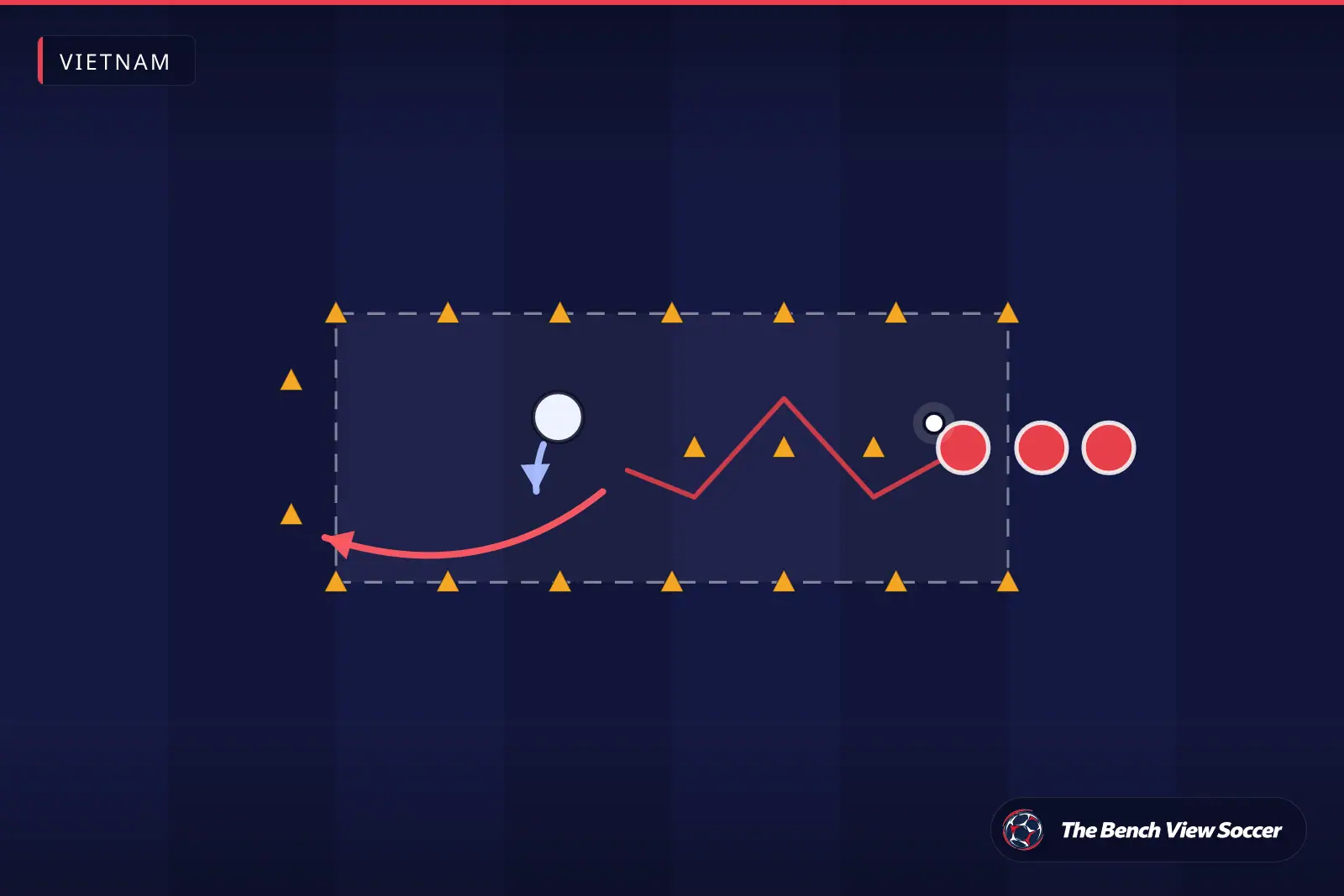
- Combine ball work with conditioning: do sprint reps holding distance markers, then touch-based finishing to mimic match fatigue.
- Film training and matches: review positioning, movement off the ball, and transition moments—learn like Nguyen Quang Hai studies space and timing.
- Prioritize recovery and nutrition: Vietnamese heat and humidity require hydration strategies, mobility work, and sleep for consistent gains.
What mistakes should players avoid?
- Ignoring fundamentals: Skipping basic passing and first-touch drills slows long-term progress—always reinforce the basics.
- Overtraining without recovery: High load without planned rest increases injury risk, particularly in hot Vietnamese summers.
- Neglecting tactical context: Technical skills must transfer to game situations—practice in small-sided and position-specific drills.
- Only training alone: Collective patterns, communication, and reading teammates are essential for success in V.League 1 and international play.
Frequently Asked Questions
How long before I see results from a Vietnam football training program?
With consistent training—3–5 sessions weekly—you can expect measurable technical and fitness improvements in 6–12 weeks. Skill retention and tactical maturity develop over 6–18 months. Youth players often show faster adaptation; adult amateurs need steady progressive overload and recovery management.
Related Resources
Can I follow this program at home or in local parks?
Yes. Many drills require only a ball, cones, and a wall. Small-sided games and conditioning can be done in local parks. For position-specific and high-intensity sessions, coordinate with teammates or local academies to simulate match conditions and contact.
What equipment do I need for a proper Vietnam football training program?
Basic equipment: a quality ball, cones, agility ladder, stopwatch, and resistance bands. Optional: rebounder wall, GPS or heart-rate monitor for advanced load tracking. Clubs like Hoang Anh Gia Lai use structured equipment sets, but fundamentals rely on consistent practice.
How does this program prepare players for V.League 1 or national selection?
It develops the four pillars coaches look for: technical consistency, tactical understanding, physical readiness, and mental resilience. By mirroring club microcycles and competitive intensity, a Vietnam football training program helps players transition to V.League 1 trials and international squads.
Vietnam’s bóng đá culture—fueled by Park Hang-seo’s era and figures like Nguyen Quang Hai—means opportunities are rising. Build your program with smart progressions, local examples, and consistent review, and you’ll move from weekend matches to professional standards.
Start our free courses on The Bench View Soccer.