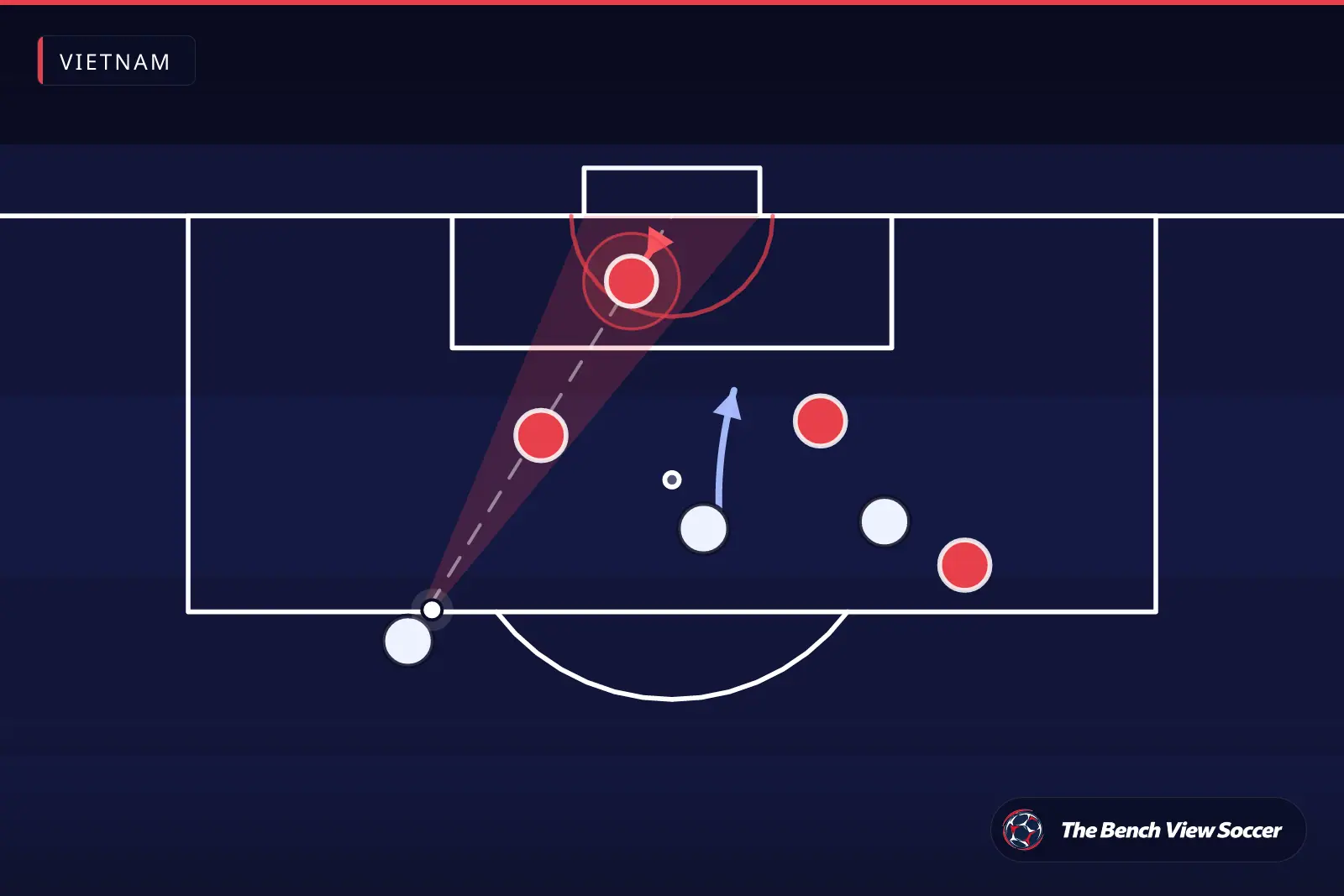
goalkeeper training Vietnam football
Vietnam's passion for bóng đá—fired by the Park Hang-seo era, Nguyen Quang Hai's icon status and our historic Asian Cup 2023 qualification—demands goalkeepers who can match attacking flair with modern shot-stopping and distribution. This drills-focused guide gives coaches and keepers a repeatable session plan used across youth academies and V.League 1 clubs.
Whether you work at Hanoi FC, Hoang Anh Gia Lai, Ho Chi Minh City FC or a community pitch, these targeted goalkeeper training Vietnam football drills build confidence, decision-making and footwork under pressure. Start each session with a clear progression and measurable outcomes.
Drills: 1–8
-
1. Rapid Shot-Stopping
Equipment: 6–8 footballs, cones, 1 goal
Step-by-step:
- Keeper on goal line; coach or players take rapid shots from 6–12m.
- Ball fed every 3–4 seconds to force quick resets.
- After each save, quick distribution to a target cone.
Coaching cue: ‘Eyes on ball, hands ready, recover quickly.’
Progression: Add movement before the save and weaker foot placement for distribution.
-
2. Close-Range Reflexs
Equipment: Rebounder or teammate, small goals
Step-by-step:
- Keeper stands 3–5m from rebounder; ball fired low and high unpredictably.
- Two-touch rule: save then parry to a recovery cone.
Coaching cue: ‘Soft hands, absorb and redirect.’
Progression: Add a second ball or a dummy to simulate screens.
-
3. Crossing & High Ball Control
Equipment: Balls, mannequins, poles, full penalty area
Step-by-step:
- Deliver varied crosses from both flanks; keeper must claim or punch.
- Alternate contested catches with defenders providing light pressure.
Coaching cue: ‘Attack the ball, secure with body, clear eyes.’
Progression: Increase traffic, add simulated opposition headers.
-
4. Distribution & Throwing Accuracy
Equipment: Balls, cones, small targets
Step-by-step:
- Keeper practices throws to moving targets (wingers, fullbacks).
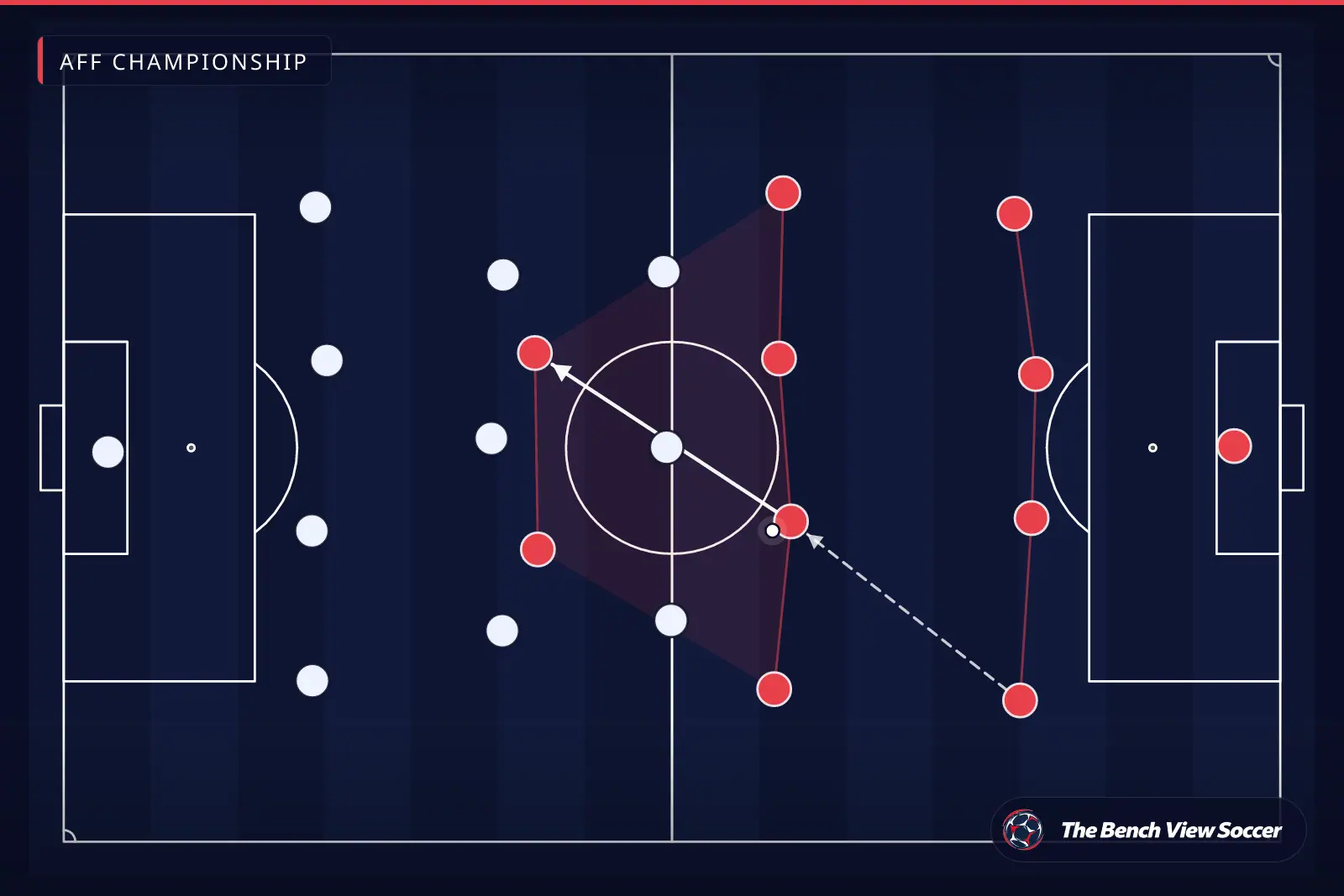
- Alternate long kicks to a marked zone and low driven throws into channels.
Coaching cue: ‘Speed to teammates, choose the right option.’
Progression: Add time pressure or a pressuring forward to simulate match resets.
-
5. 1v1 Decision-Making
Equipment: Balls, cones, attacker supply
Step-by-step:
- Attacker drives at keeper from edge of box; keeper chooses to close down or hold line.
- Repeat with varying angles and attacker fakes.
Coaching cue: ‘Delay attacker, narrow angle, commit late.’
Progression: Add a second attacker or a turning attacker to stress recovery.
-
6. Sweeper-Keeper Footwork
Equipment: Balls, cones, half-pitch space
Step-by-step:
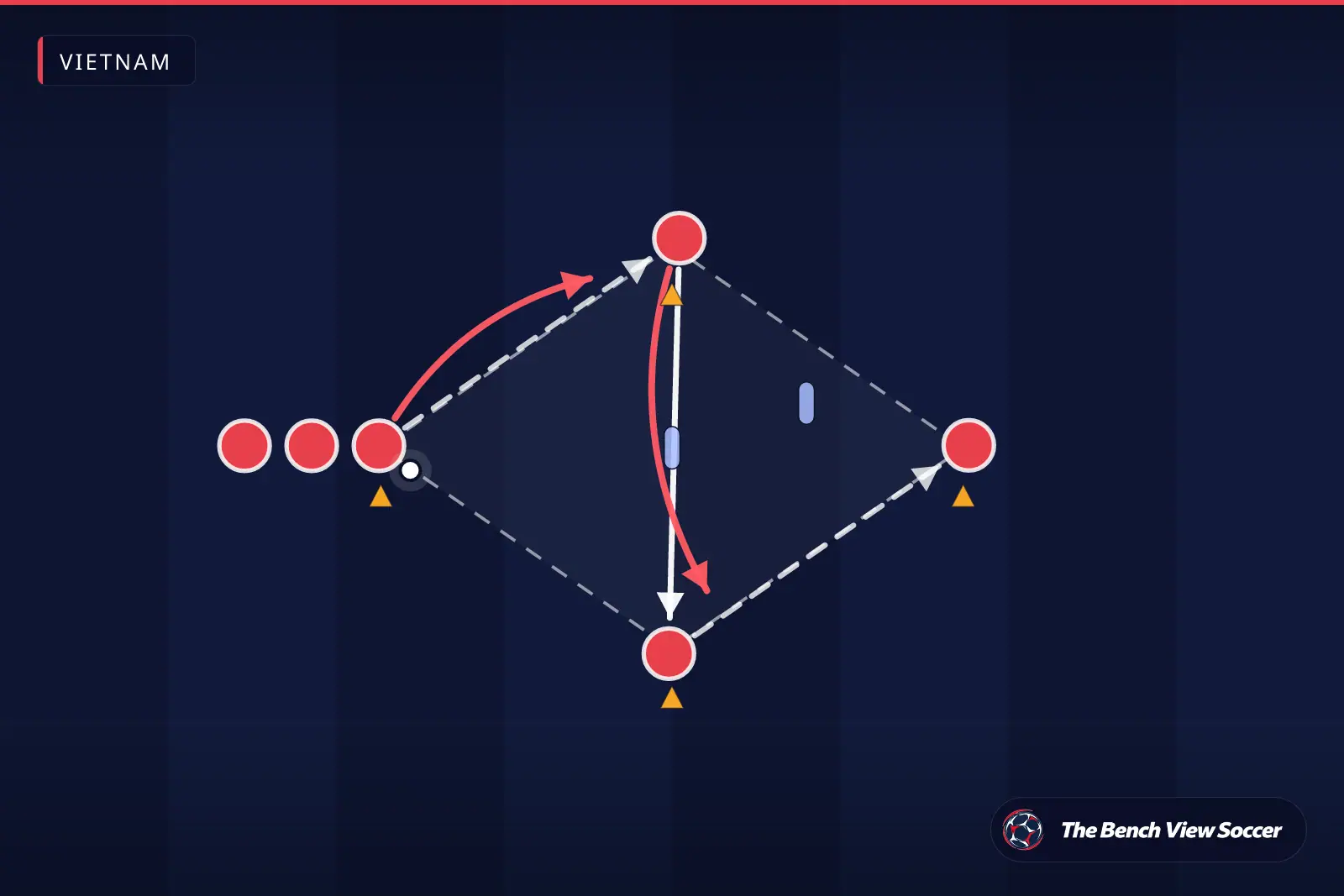
- Simulate backpasses under pressure; keeper dribbles out and plays accurate pass.
- Include quick lateral sprints and diagonal clearances.
Coaching cue: ‘First touch controls tempo, clear when necessary.’
Progression: Add opposition line and time constraints.
-
7. Agility & Footwork Circuit
Equipment: Ladder, cones, mini-hurdles
Step-by-step:
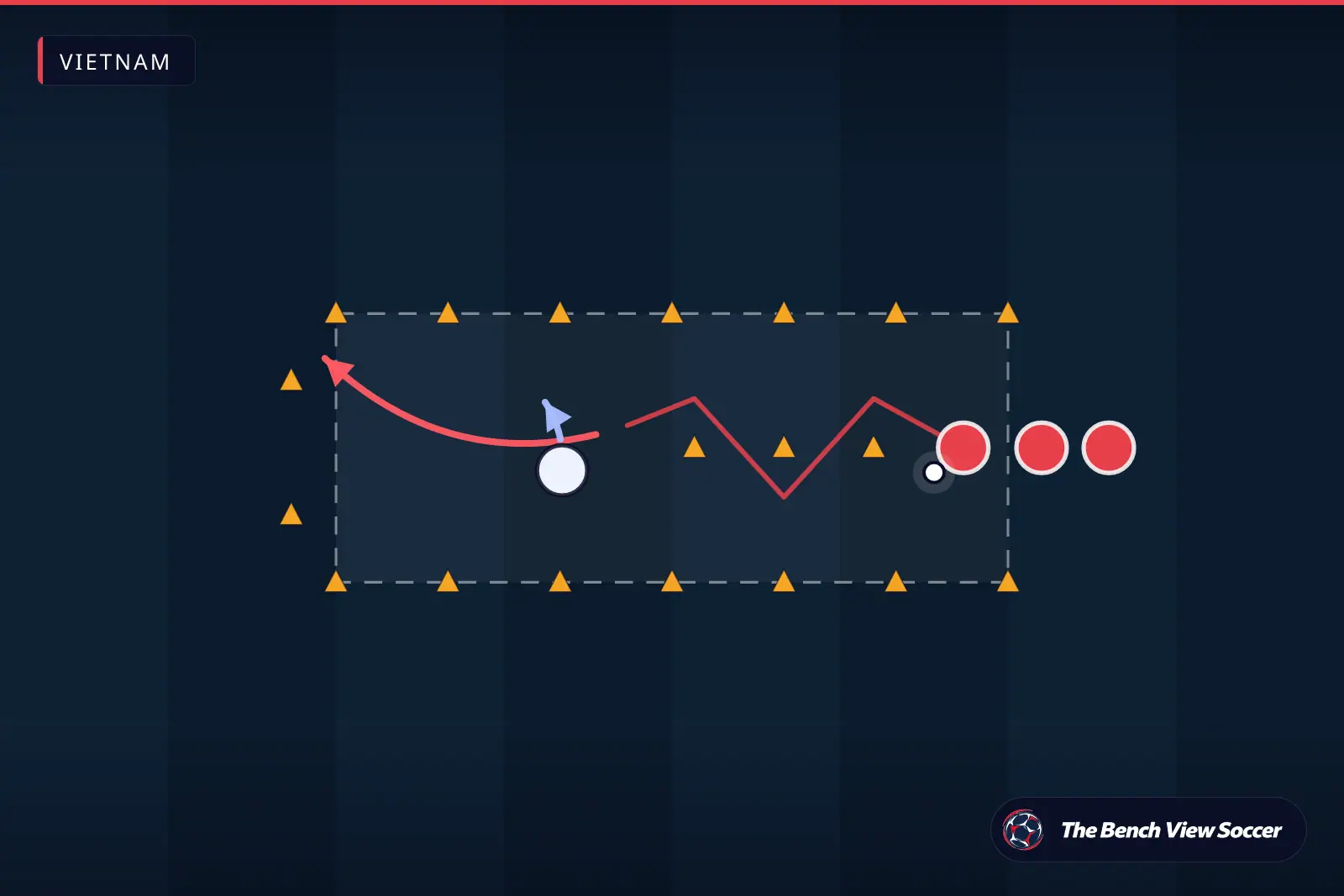
- Quick ladder drills, lateral shuffles, explosive dives into soft landings.
- Combine with short reaction saves immediately after circuit.
Coaching cue: ‘Small steps, balanced, explosive finishes.’
Progression: Add a ball reaction element or reduce rest time.
-
8. Penalty & Pressure Management
Equipment: Balls, penalty spot, goalkeeper coach
Step-by-step:
- Simulate penalties with crowd noise, coach time management, and rebound scenarios.
- After penalty, play quick 2v2 to emphasize recovery and concentration.
Coaching cue: ‘Calm, read run-up, commit late.’
Progression: Introduce psychological pressure like shootout formats.
What is goalkeeper training Vietnam football?
Goalkeeper training Vietnam football means structured sessions that prepare keepers for the demands of Vietnamese bóng đá: fast-paced attacks, aerial challenges, and modern distribution. It combines technical saves, aerial command, footwork, decision-making, and game-specific conditioning so keepers can perform for V.League 1 clubs and national squads.
How to practice goalkeeper training Vietnam football?
- Plan sessions around clear outcomes: reflexes, crosses, distribution, decision-making and match simulation.
- Warm up dynamically for 10–12 minutes with footwork and reaction components tailored to keepers.
- Run 6–8 focused drills with progressive difficulty; keep reps high and coaching feedback specific.
- Apply game scenarios: small-sided games, set-piece defense, and recovery after concessions.
- Finish with individual technical work and a short debrief including video feedback if possible.
Real examples from V.League 1?
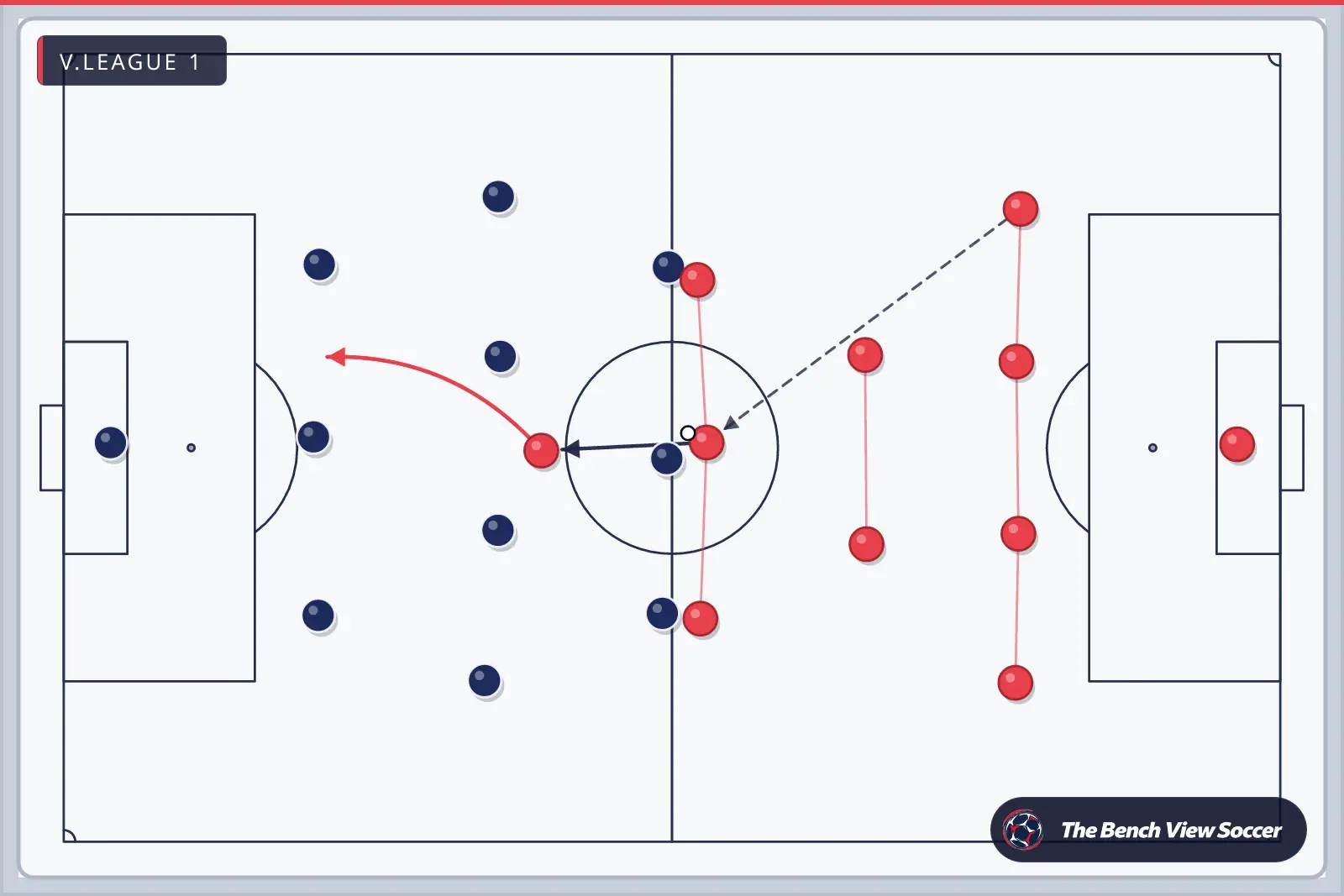
Clubs like Hanoi FC and Hoang Anh Gia Lai emphasize goalkeeper ball-playing skills and recovery speed in training, reflecting national trends. Ho Chi Minh City FC integrates passing under pressure to mirror modern bóng đá. Coaches adopt match-simulation sessions influenced by the Park Hang-seo era’s tactical discipline used during Asian Cup qualification.
Best tips to goalkeeper training Vietnam football?
- Prioritize repetition of game-like saves over random drills—quality reps build instinct.
- Build distribution practice into every session: short throws, long kicks and one-touch passes.
- Train under pressure: add attackers, noisy environments, and time constraints to replicate match stress.
- Use video review to correct positioning and decision-making—compare to V.League 1 examples.
- Balance physical conditioning with recovery; goalkeepers need explosive power and soft-tissue resilience.
Mistakes to avoid?
- Focusing only on shot-stopping and ignoring distribution and footwork.
- Using drills without progression—keepers improve fastest with gradually increasing difficulty.
- Neglecting communication and set-piece organization during training sessions.
- Overloading volume without recovery—injuries reduce long-term development.
Frequently Asked Questions?
Q: How often should young keepers train per week?
A: Two to three dedicated goalkeeper sessions plus regular team training is ideal for youth keepers. Focus on quality over quantity—short, intense sessions with specific technical goals in distribution, crosses and reflexes help development without excessive load.
Q: What age to start specialist goalkeeper training?
A: Basic goalkeeper skills can begin around 8–10 years old; specialist technical work becomes valuable from 12 onwards. Emphasize fun, coordination and fundamental movement early, then introduce tactical decision-making and advanced drills in adolescence.
Q: How to measure progress for keepers in bóng đá?
A: Track save percentage in training rep sets, distribution accuracy, reaction times, and successful claims from crosses. Combine stats with coach observation and video analysis to monitor decision-making improvement and confidence in match scenarios.
Q: Which physical qualities are most important?
A: Explosive power, lateral agility, core strength and mobility are crucial. Keepers need short-burst acceleration, strong jump ability for crosses, and stable landings to handle the physical demands of professional bóng đá.
Start our free courses on The Bench View Soccer.
Train Your Goalkeeping
Goalkeeper-specific drills and positioning
Start free on The Bench View Soccer →