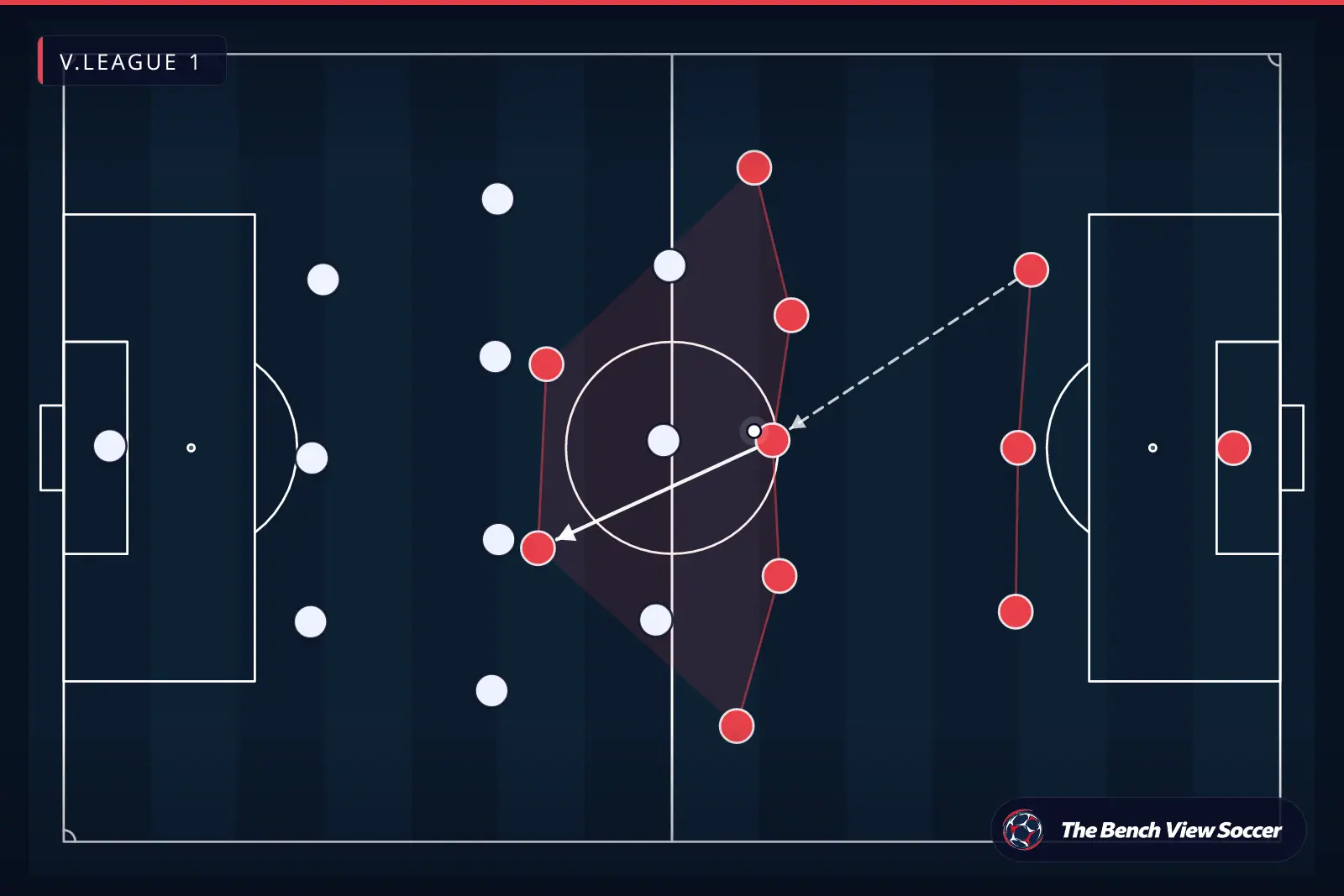
Hanoi FC tactical analysis
Vietnamese fans know how quickly a tactical idea can capture a nation — Park Hang-seo’s era and AFF success taught us that. Hanoi FC sit at the centre of V.League 1 conversations because their tactical identity combines professional discipline with local bóng đá passion.
This tactical overview is written for motivated players and coaches who want practical steps to read, train, and apply Hanoi FC’s methods on the pitch. Expect beginner-accessible explanations with coach-level detail referencing V.League rivals like Hoang Anh Gia Lai and Ho Chi Minh City FC, and icons such as Nguyen Quang Hai.
What is Hanoi FC tactical analysis?
Hanoi FC tactical analysis examines how the team organizes possession, pressing, transitions, and set plays within V.League 1. It decodes formations, player roles, movement patterns, and match-phase priorities so coaches and players can replicate strengths and exploit weaknesses in training and matches.
How to analyze Hanoi FC tactics?
- Collect match footage: gather full-match videos, highlight clips, and player tracking from at least 5 recent V.League 1 games involving Hanoi FC to see patterns across opponents.
- Map formations by phase: chart starting formation (common: 4-2-3-1 or adaptable back three), then note shape differences in possession, recovery, and press phases.
- Identify key players and roles: label playmakers, ball-progressors, wing-backs, and pressing triggers — observe who dictates tempo and who makes line-breaking runs.
- Analyze transitions: time the moments of turnover to see counter-attack patterns or counter-press (gegenpress) routines; note where Hanoi wins the ball most and how they exploit space.
- Translate to training: design drills that recreate observed patterns (possession overloads, quick transition outlets, set-piece routines) and test them in controlled practice matches.
What are real examples from V.League 1?
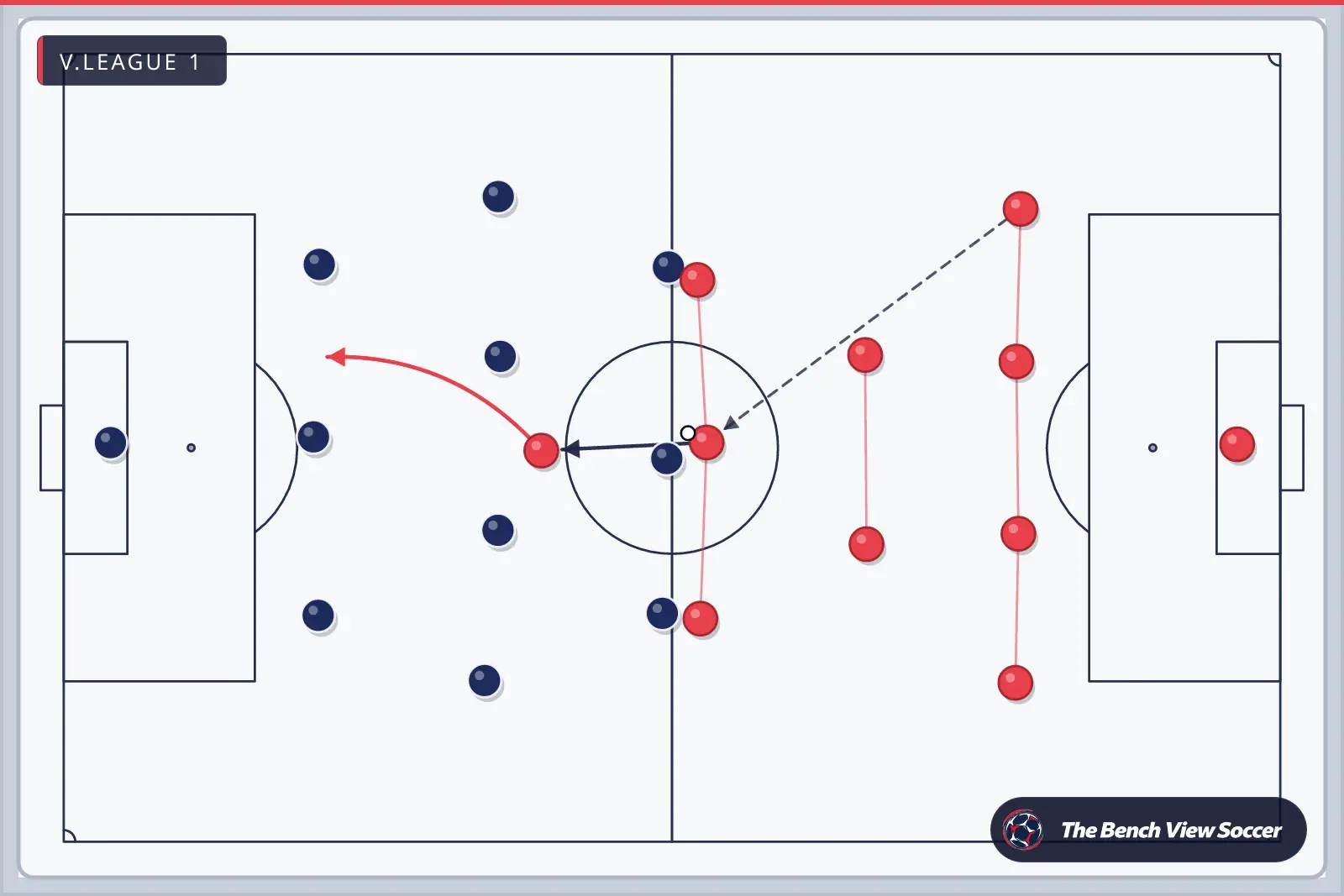
Example 1 — Build from back vs. Ho Chi Minh City FC: Hanoi FC often moves centre-backs wide to create 3v2 at the back, inviting a press and then switching play to a full-back explosion. This pattern leverages patient bóng đá build-up and opens lanes for the number 10.
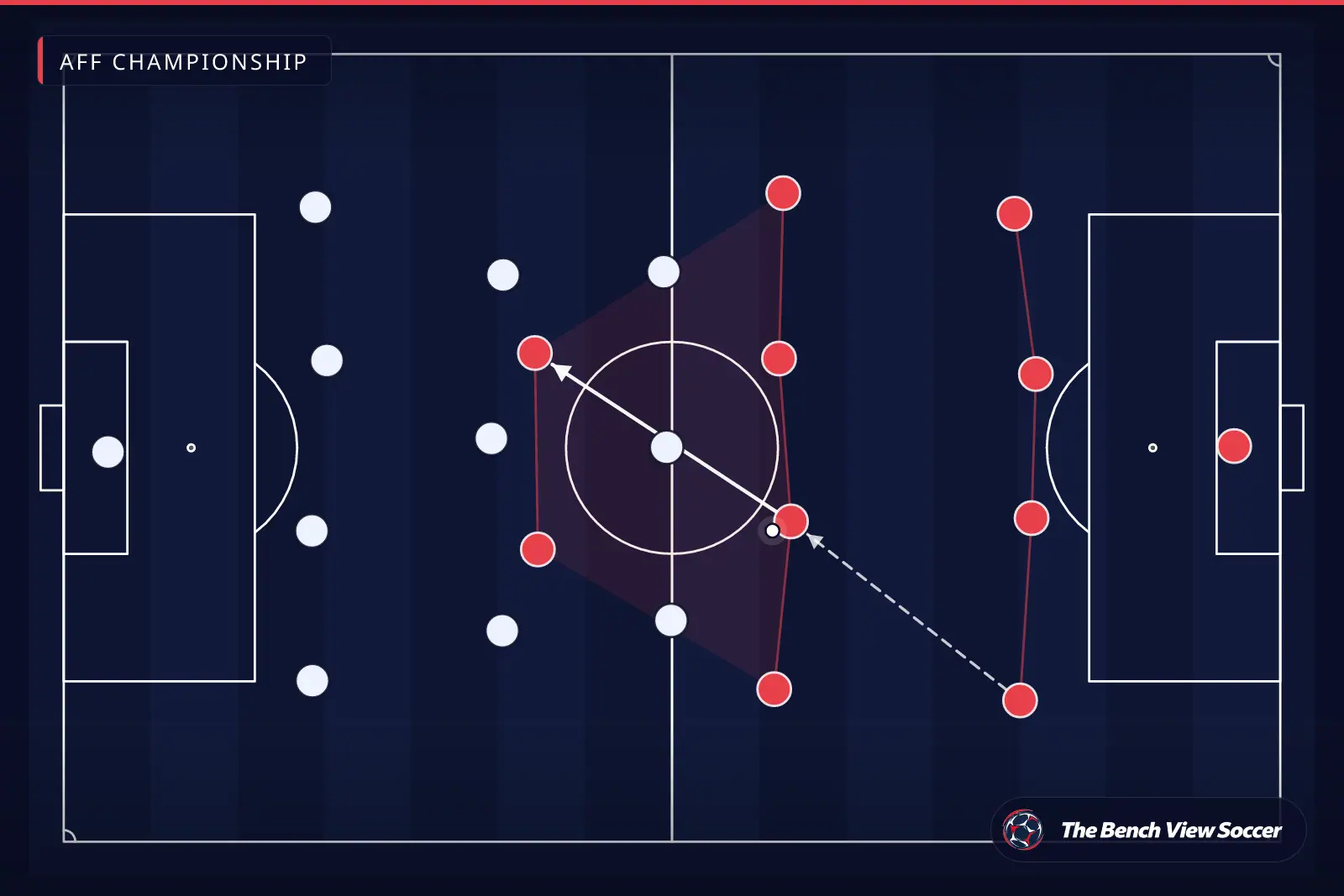
Example 2 — Midfield overload vs. Hoang Anh Gia Lai: midfield double-pivot compresses the centre, allowing the attacking midfielder to receive in half-spaces. HAGL’s pace forces Hanoi to choose between cutting passing lines or committing to backline pushes.
Example 3 — Set-play efficiency in AFF contexts: Hanoi FC’s routines show rehearsed near-post runs and coordinated zonal-man hybrid marking. That discipline is part of why Vietnamese bóng đá has improved in multi-nation tournaments like the AFF and Asian Cup qualifiers.
Best tips to apply Hanoi FC tactics?
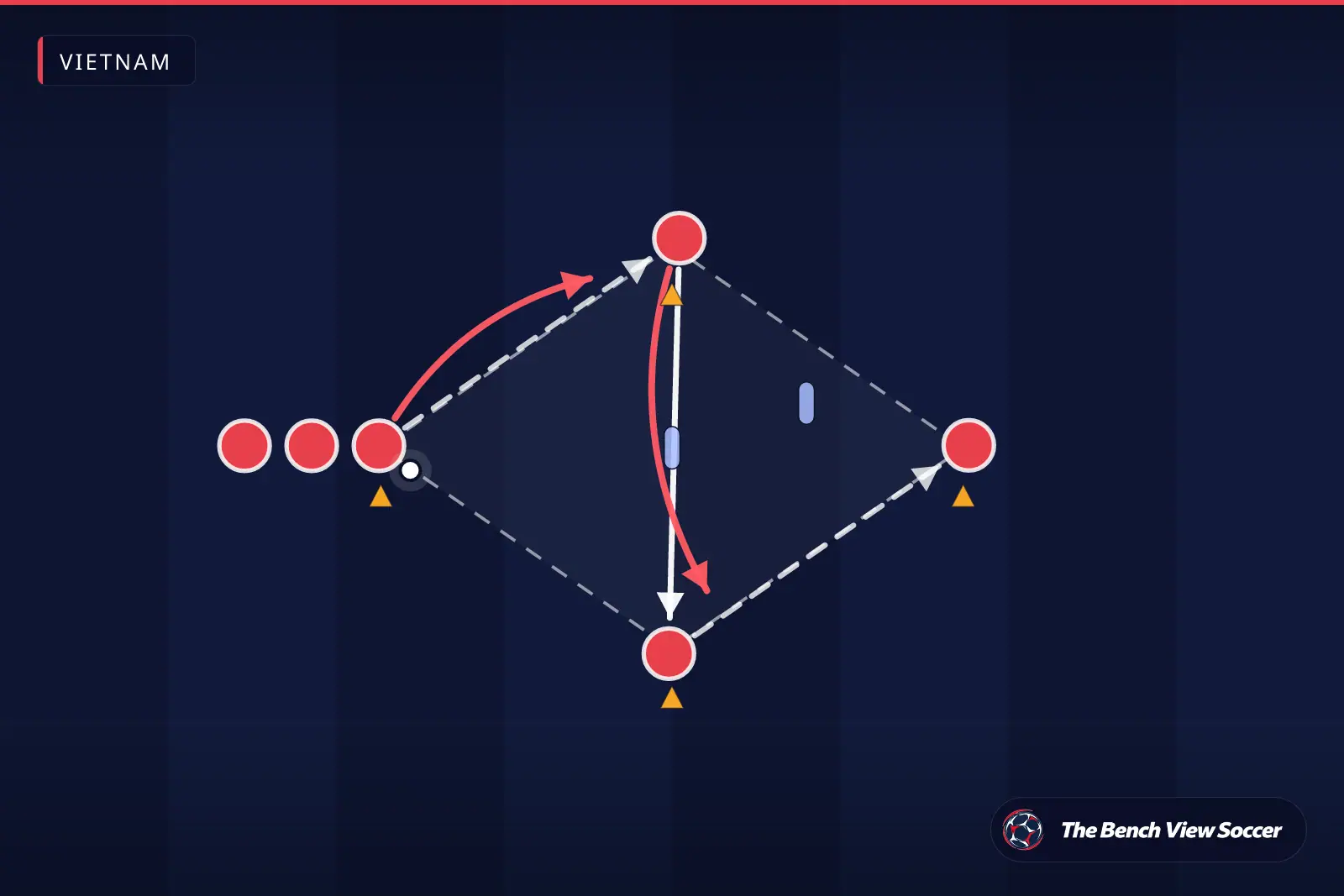
- Train possession under pressure: use 6v4 rondos that force quick switches and decision-making to mimic Hanoi’s midfield control.
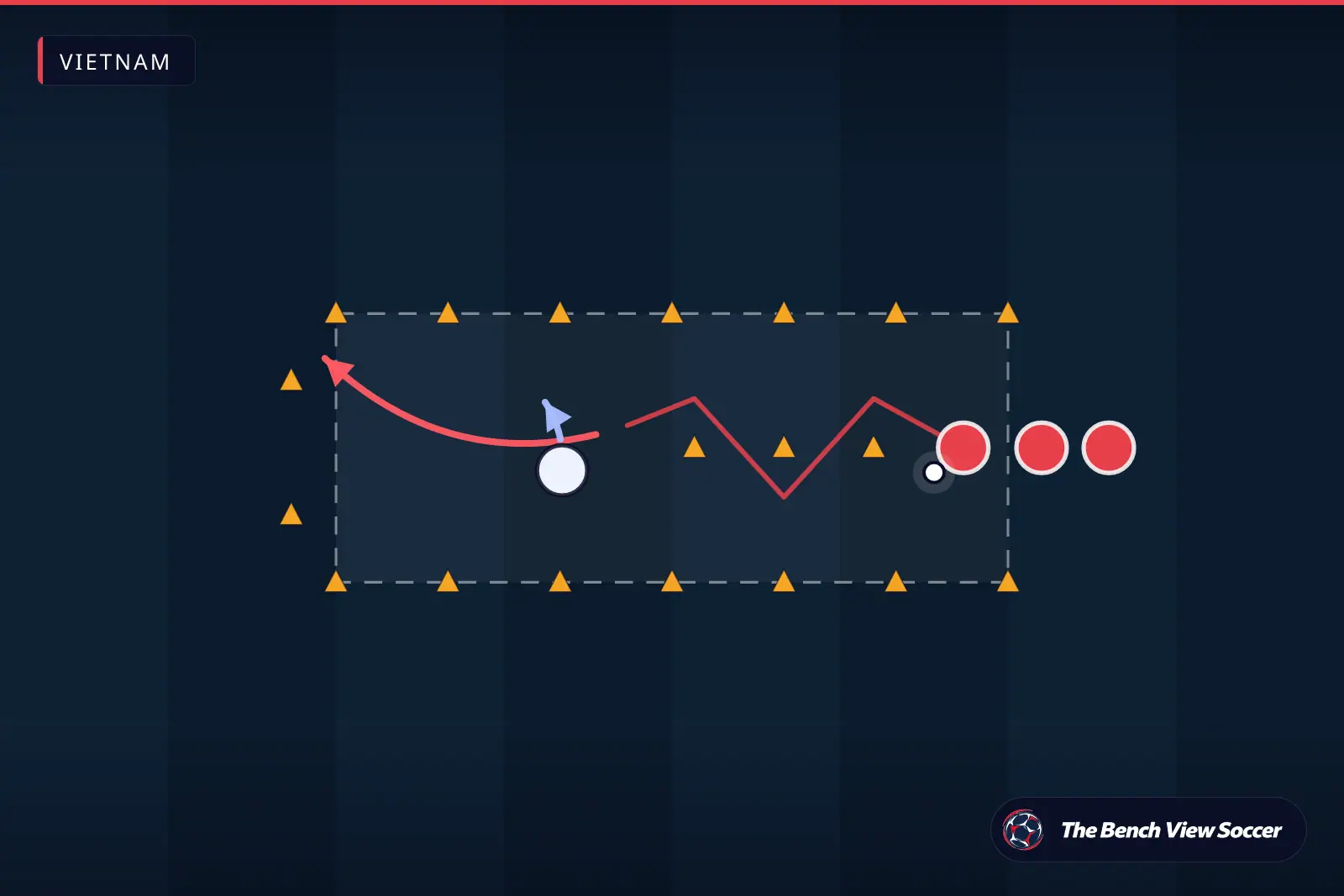
- Practice transitional triggers: rehearse immediate counter-press or sprint transitions on the coach’s whistle to ingrain reaction patterns.
- Develop wing-back chemistry: pair drills for overlapping runs with cross-field switching to exploit wide overloads.
- Emphasize positional discipline: defenders and midfield pivots should practice narrow compactness and clear rotation cues to preserve shape.
- Work set-piece routines weekly: allocate focused sessions for offensive and defensive set pieces, using specific player roles and timing.
Mistakes to avoid?
- Over-committing pressing without cover — leaving channels that quick opponents (like HAGL) can exploit.
- Neglecting silent rotations — failing to teach off-ball movement that creates passing lanes for the number 10 or wide forwards.
- Ignoring transition speed — slow recovery kills counter-press opportunities and invites dangerous counters.
- Copying formation without mindset — adopting a 4-2-3-1 shape alone doesn’t work unless players understand tempo control and discipline.
Frequently Asked Questions?
How does Hanoi FC set up defensively?
Hanoi FC typically defend in a compact block that prioritizes central control and denies through-balls. Full-backs tuck in when under threat, while midfield pivots screen the backline. The team uses zonal principles combined with selective man pressure to protect the penalty area.
Related Resources
Which formation best describes Hanoi FC?
The most common baseline is a flexible 4-2-3-1 that can morph into 4-4-2 or a narrow 4-1-4-1 depending on possession. Adaptability is key — coaches rotate to counter opponent strengths while keeping a possession-first philosophy.
How can youth players in Vietnam improve to fit this style?
Youth players should focus on first touch, passing under pressure, spatial awareness and quick recovery running. Learn patterns by watching V.League 1 matches and practicing small-sided games that replicate Hanoi FC’s central overloads and quick transitional actions.
Does Hanoi FC press high or sit deep?
They use a mixed approach: selective high pressing to force mistakes in certain zones, but often sit in a mid-block to protect spaces and invite play wide. Pressing is coordinated — triggers come from forward movements or specific opponent actions.
Hanoi FC tactical analysis combines modern possession principles with local bóng đá flair. Whether you’re a player at Ho Chi Minh City FC, Hoang Anh Gia Lai, or a youth academy hopeful, these patterns are trainable and repeatable.
Start our free courses on The Bench View Soccer.