how to improve football skills Vietnam
Vietnamese fans live and breathe bóng đá. From Park Hang-seo’s era to the Asian Cup 2023 qualification and AFF Championship success, players and supporters expect continuous progress. If you want to raise your game — whether you’re a teen kicking in Ho Chi Minh City or training with Hanoi FC youth — the path is clear: consistent, sport-specific practice.
This guide is coach-driven, practical and Vietnam-focused. You’ll get a simple definition of skill development, five actionable steps, real V.League 1 examples from Hanoi FC, Hoang Anh Gia Lai and Ho Chi Minh City FC, plus top tips and common mistakes to avoid.
What is bóng đá skill development?
Bóng đá skill development is the structured process of improving technical abilities (control, passing, shooting), physical qualities (speed, agility, endurance), tactical understanding (positioning, decision-making), and psychological traits (confidence, resilience) through progressive drills, match play and feedback.
How to improve football skills Vietnam?
- Assess your baseline. Record short video of yourself in training and match situations. Note strengths (e.g., close control) and weak spots (weak weaker foot, first touch).
- Design a weekly plan. Split sessions: 2 technical sessions (30–45 min drills), 2 tactical/small-sided games, 1 strength/agility session, and 1 recovery session. Keep progression across weeks.
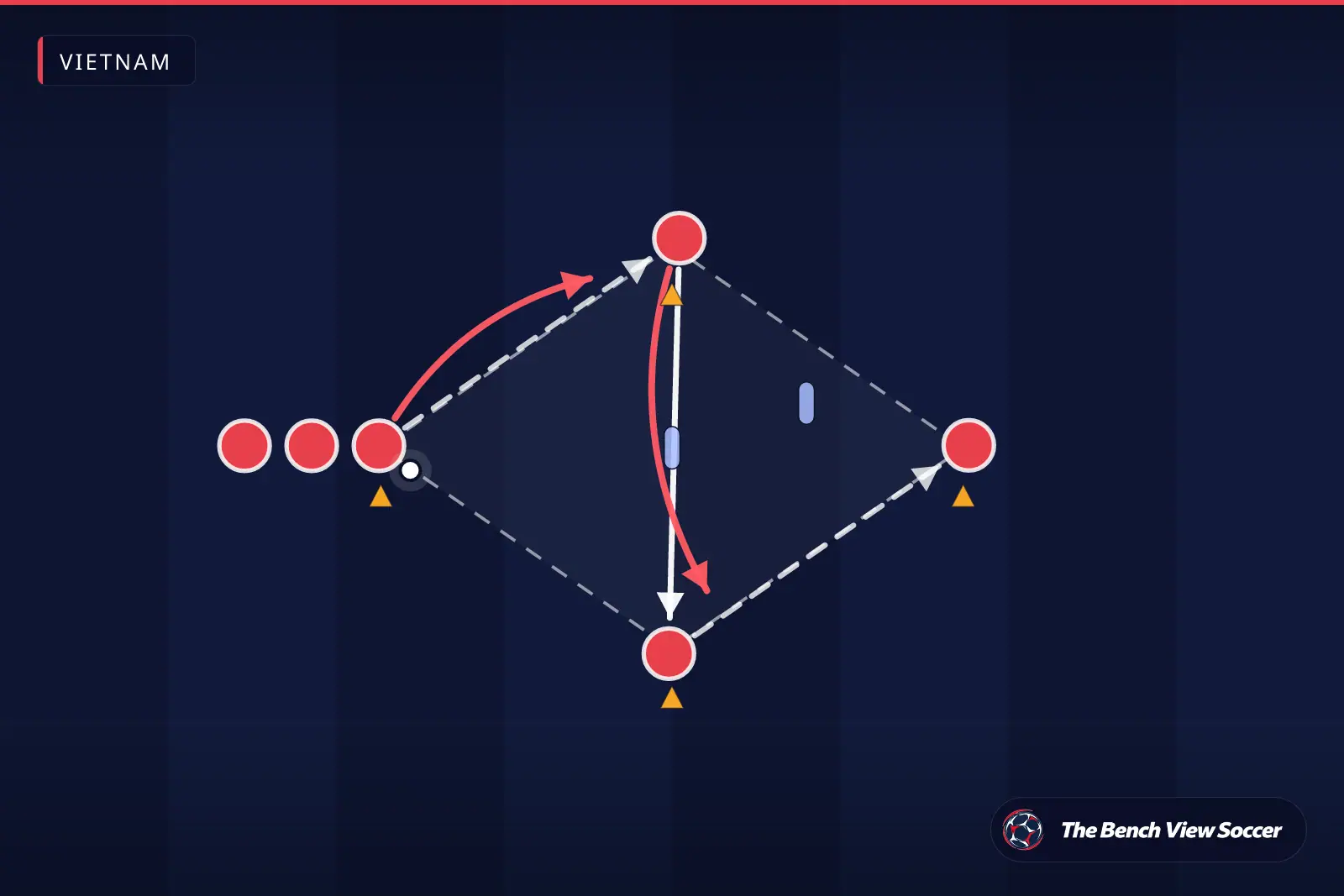
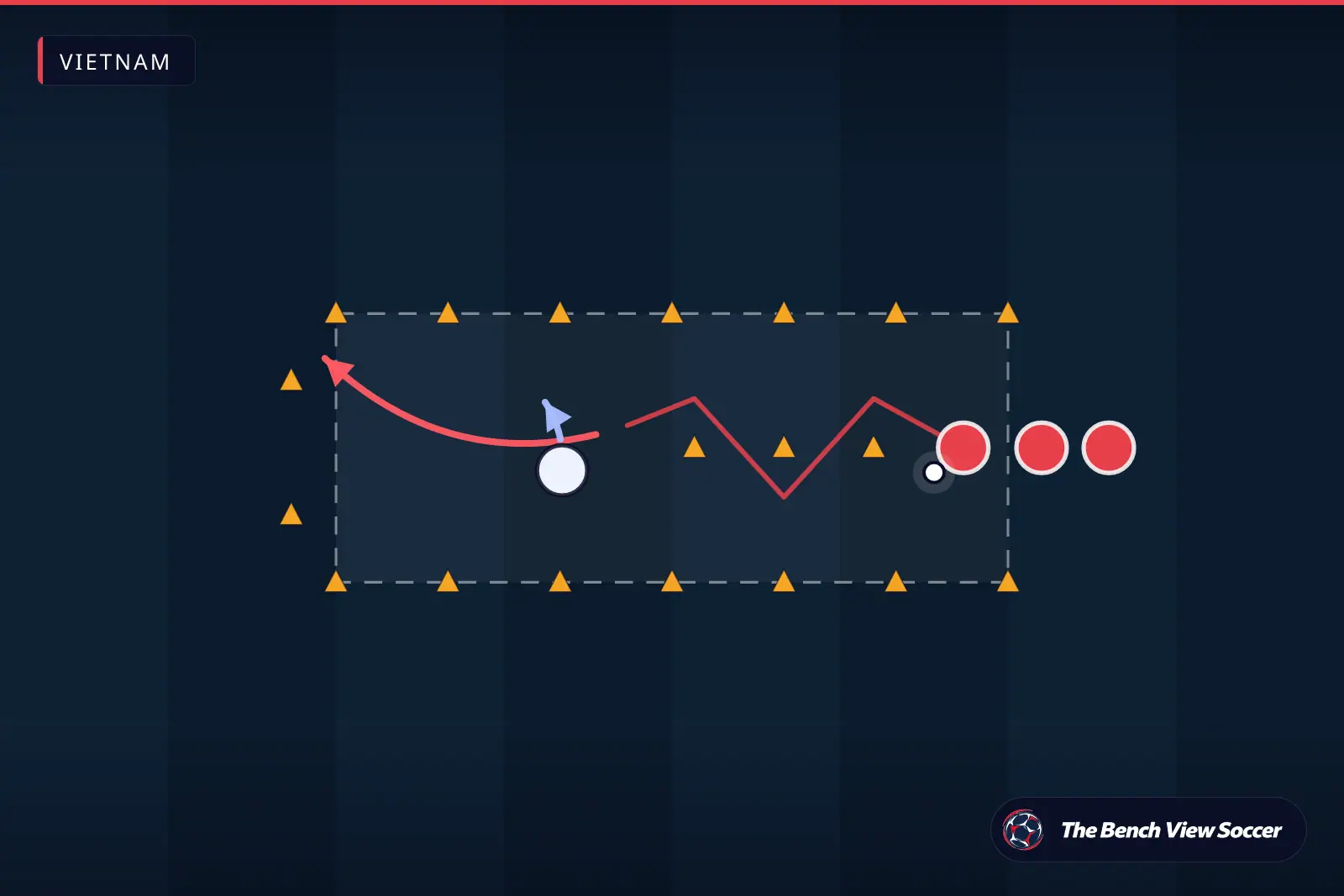
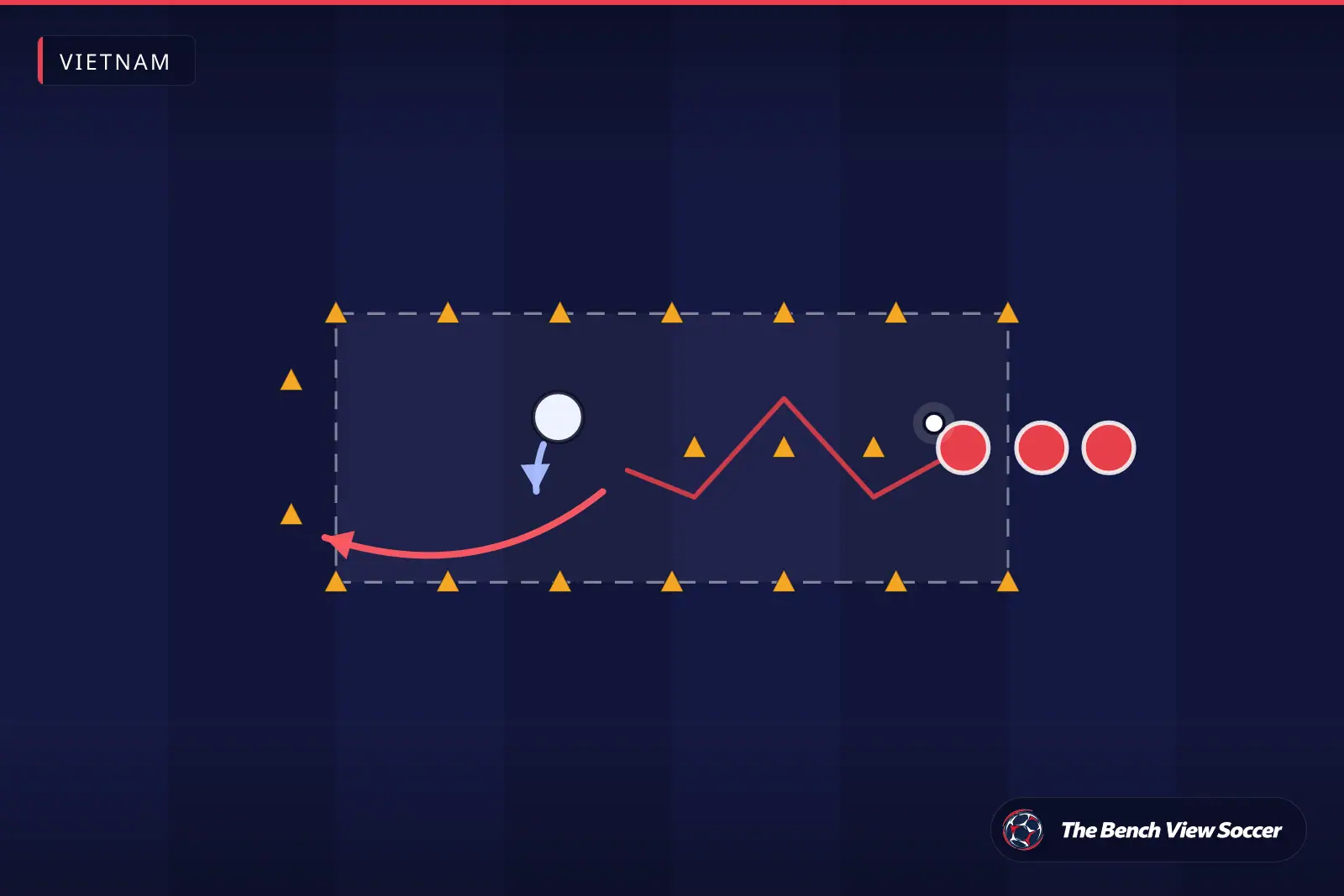
- Drill with purpose. Use focused reps: 10–15 minutes of wall passes for passing accuracy, cone slalom for close control, and finishing drills with one-touch and volleys. Increase speed, then add pressure.
- Play small-sided matches. 4v4 or 5v5 games increase touches, improve decision-making and replicate match intensity. Aim for 3–4 small-sided sessions per week to reinforce learning under pressure.
- Measure and adapt. Track improvements (successful passes, first-touch errors, sprint times) and adjust drills. Seek coach feedback — film training and review clips with a mentor or local V.League youth coach.
Real examples from V.League 1?
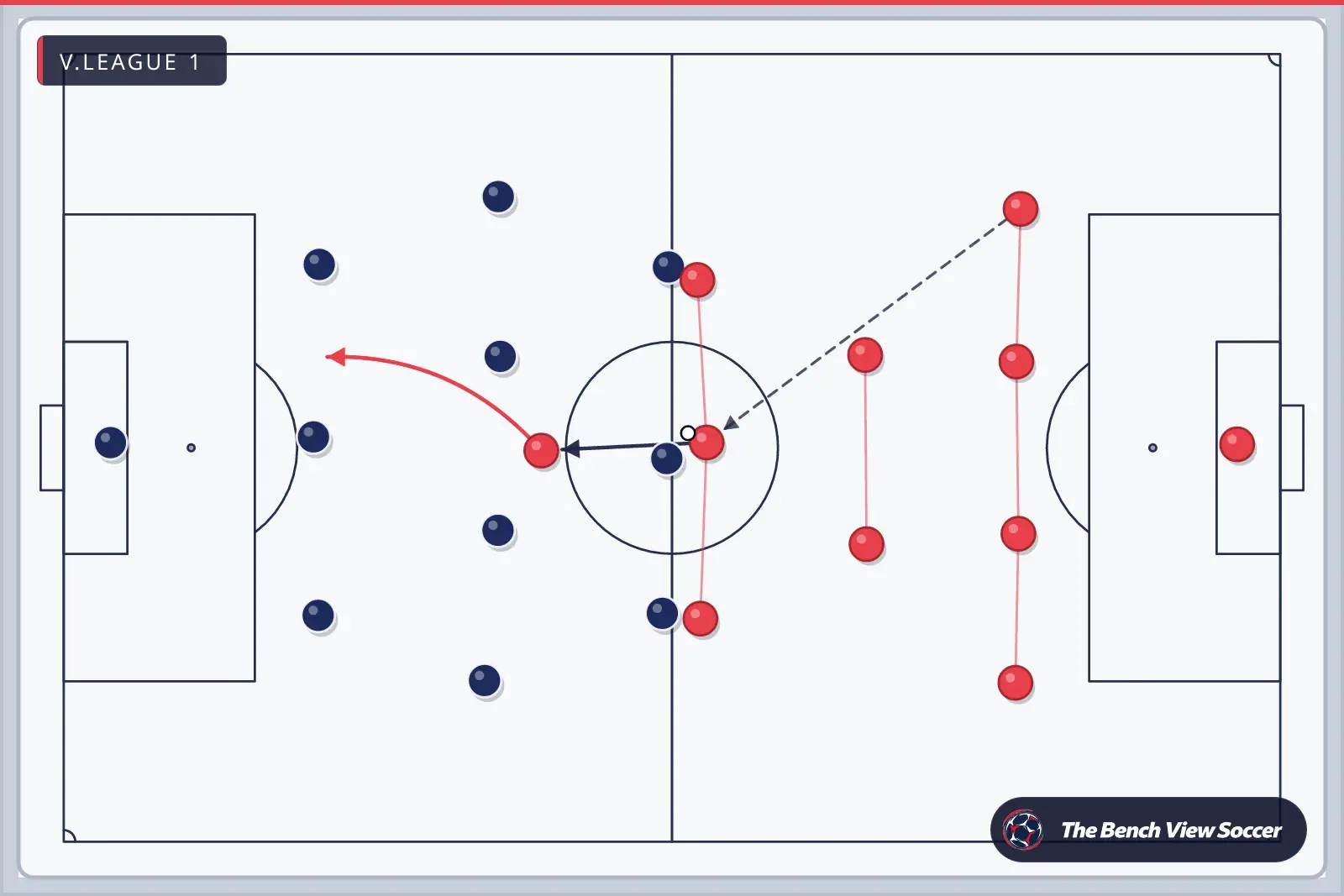
Look at how Hanoi FC and Hoang Anh Gia Lai structure youth sessions: high-repetition technical drills followed by tactical patterns and conditioned games. Nguyen Quang Hai’s technique shows hours of ball mastery, tight-space passing and smart movement; emulate his first touch and spatial awareness. Ho Chi Minh City FC’s tempo in transition highlights fitness and quick decision pathways — a model for players wanting to raise match intensity.
Best tips to improve bóng đá skills?
- Practice with your weaker foot daily — 10 minutes of simple passes and finishing builds symmetry.
- Prioritise quality over volume: focused 15–20 minute sessions beat unfocused hours.
- Use small-sided games to simulate real pressure and increase touches per minute.
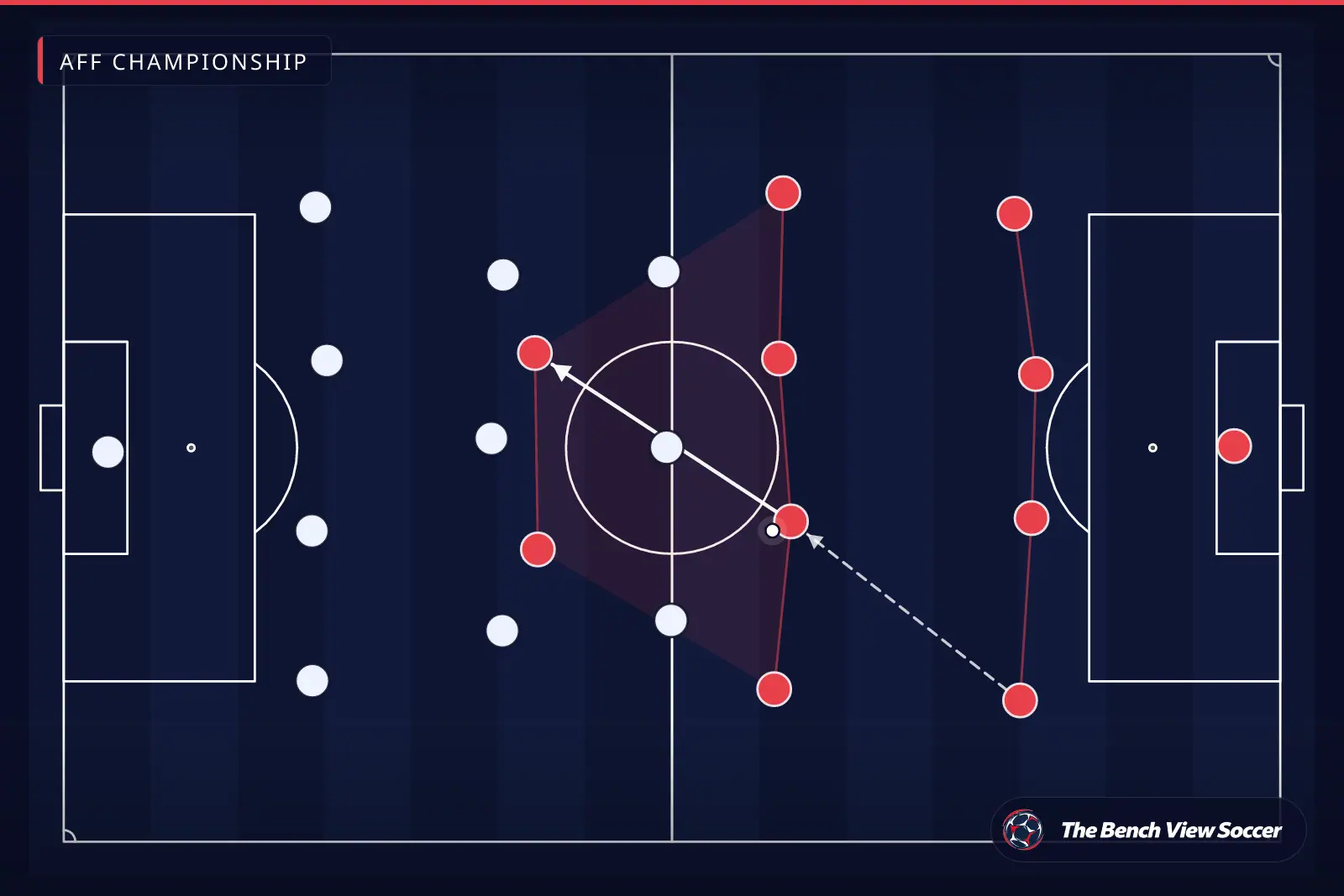
- Study local pros: watch V.League 1 matches and note movement patterns, not just goals — position, runs, and decision-making.
- Manage recovery: sleep, hydration, and light mobility sessions prevent injury and speed learning.
Mistakes to avoid?
- Training only alone with ball mastery and ignoring match-play. Skills must transfer into game situations.
- Copying pros without context — emulate principles (movement, timing), not just flashy tricks.
- Neglecting physical preparation. Poor conditioning limits technical execution late in matches.
- Skipping feedback and video review — self-awareness stalls improvement.
Frequently Asked Questions
How long until I see improvement in my bóng đá skills?
With a structured plan and consistent practice, expect noticeable gains in 6–8 weeks for technique and decision speed; meaningful tactical and physical improvements typically appear in 3–6 months. Progress depends on session quality, coaching feedback and recovery.
Related Resources
Can I improve at home in Vietnam without a club?
Yes. Home sessions focusing on ball control, passing against a wall, fitness circuits and small-sided games with friends build core skills. Combine solo drills with weekend matches or local futsal to apply your improvements under pressure.
What drills do V.League 1 youth players use most?
They emphasize high-repetition passing sequences, tight-space rondos for quick decision-making, finishing under pressure, and transition games. Coaches at Hanoi FC and HAGL layer technical drills with conditioned games to speed up tactical learning.
How important is nutrition and recovery for young players?
Critical. Proper sleep, balanced meals with carbs and protein, hydration and light mobility sessions accelerate skill learning and reduce injury risk. Recovery days and active regeneration keep training consistent over months.
Start our free courses on The Bench View Soccer.