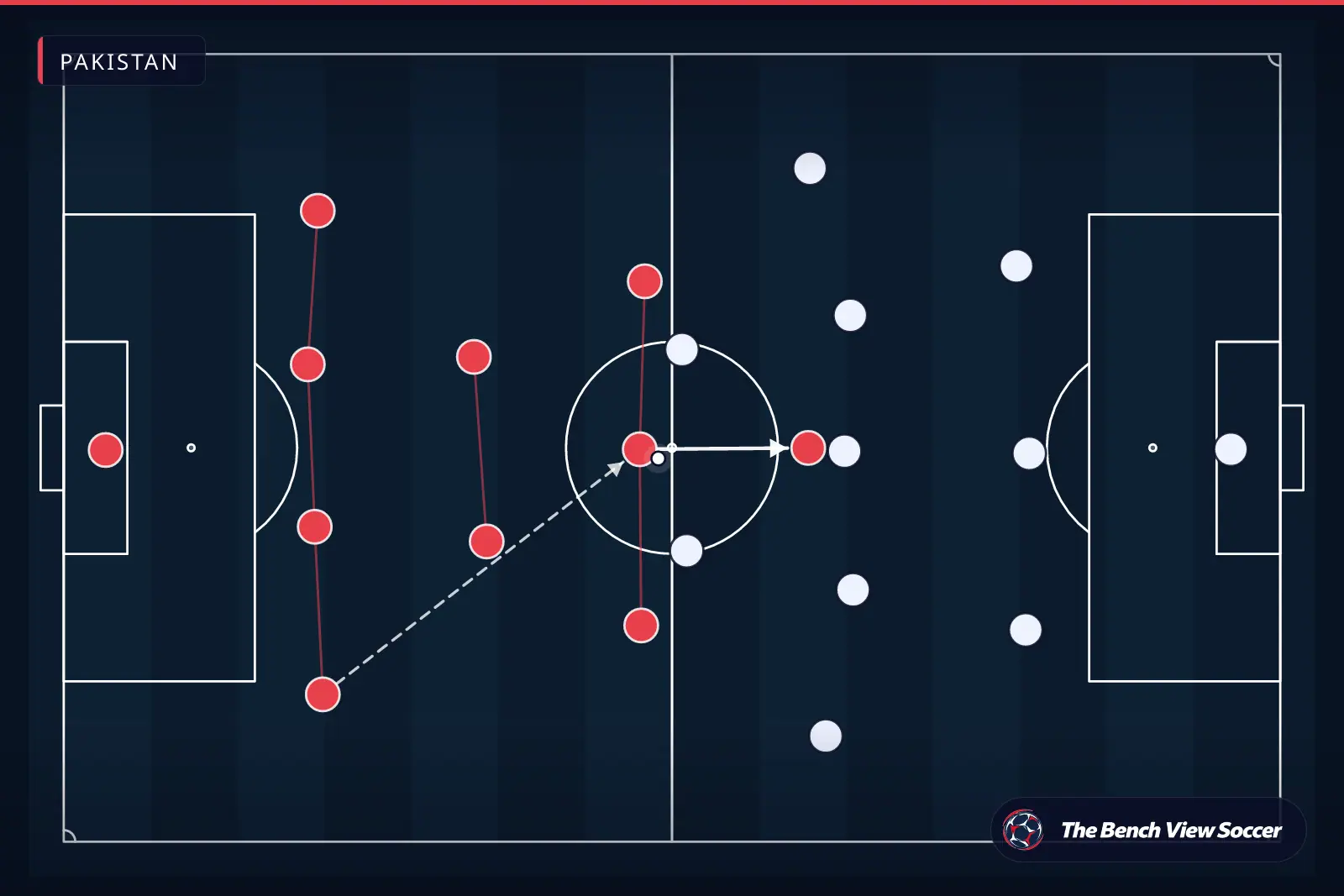
best football formations Pakistan
Pakistan is at a turning point: PFF restructuring, new coaching programs, and a huge youth population hungry for high-level football education. The right formation helps convert raw talent into tactical advantage across the Pakistan Premier League, SAFF Championship campaigns, and Asian qualifiers.
This guide breaks down the best football formations Pakistan coaches and motivated players should prioritize, with practical steps, club examples from the Pakistan Premier League, coaching tips, and common mistakes to avoid.
What is a football formation?
A football formation is the organised shape a team uses to allocate players across defense, midfield, and attack. It defines roles, spacing, and first principles of play—whether you want defensive solidity, midfield control, or attacking width. For Pakistan teams, formations must match player athletic profiles and pitch conditions.
How to choose the best football formation?
- Assess your squad: Identify your strongest position groups (defenders, midfielders, attackers) and the number of natural wingbacks, playmakers, and target forwards.
- Decide style of play: Do you want possession control (4-3-3/4-2-3-1), quick transition (4-2-3-1/3-5-2), or counter-attacking speed? Match formation to that style.
- Consider pitch and competition: Smaller, heavy pitches favor compact shapes; higher-level continental matches require tactical flexibility and pressing traps.
- Train the system in phases: Start with defensive shape, then build passing lanes, then attacking patterns. Use small-sided games to ingrain roles.
- Iterate and evaluate: Use match footage, GPS/fitness data, and player feedback to tweak personnel and in-game switches.
What are real examples from Pakistan Premier League?
Clubs like Khan Research Laboratories (KRL) and WAPDA historically used structured 4-4-2 variants to control defensive balance. More recent Pakistan Premier League sides and academy setups have adopted 4-2-3-1 to develop creative attacking midfielders and shield a young back four. When physical wingbacks are available, Pakistan teams have experimented successfully with 3-5-2 in domestic cup ties, using the extra midfielder to dominate SAFF Championship-style midfield battles.
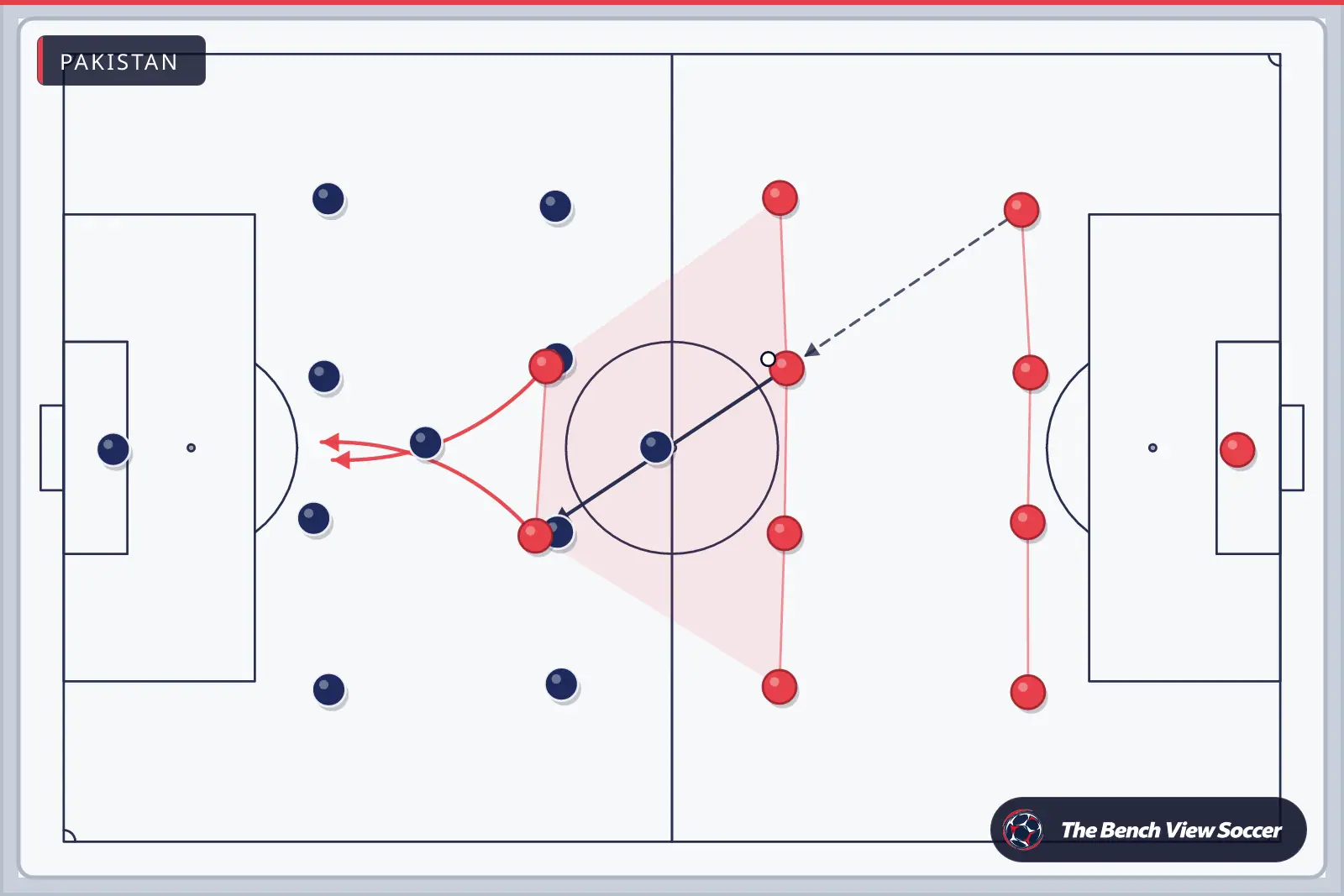
At international level, Pakistan’s Asian qualifiers and SAFF Championship campaigns showed that compact 4-3-3 can help press higher and provide quick counter options on the flanks—especially when bridging local talent to the international pace of play.
Best tips to implement formations in Pakistan?
- Prioritise fundamentals: Passing range, first touch, and compact defensive lines translate across formations.
- Develop versatile players: Train midfielders and fullbacks to play multiple roles—this eases formation changes mid-game.
- Use age-group teams to teach systems: Start 4-2-3-1 at U15–U18 to shape creative and defensive balance simultaneously.
- Match formation to opponent: Be prepared to shift from 4-3-3 to 4-2-3-1 to neutralise strong wide opponents.
- Invest in coaching education: PFF restructuring offers an opening for certified coaching modules focused on formations and tactics.
Mistakes to avoid?
- Over-complicating tactics: Don’t overload young players with complex systems before basics are solid.
- Ignoring player suitability: Forcing a formation that doesn’t match player attributes leads to poor performance.
- Failing to practice transitions: Teams that train shape but not transition suffer in quick counter scenarios common in local matches.
- Sticking to one rigid formation: Without in-game flexibility, teams falter against varied opposition styles in SAFF and Asian qualifiers.
Frequently Asked Questions?
Which formation suits Pakistan youth academies best?
4-2-3-1 is ideal for youth development in Pakistan: it balances defensive cover with a creative three behind the striker, allowing coaches to teach possession, pressing, and transitions while developing individual attacking talents.
Related Resources
Can smaller clubs use 3-5-2 effectively in the Pakistan Premier League?
Yes—3-5-2 works when you have energetic wingbacks and two disciplined central defenders. It can overwhelm opponents in midfield but demands high fitness and clear wingback roles, which require regular conditioning sessions.
How do formations change for SAFF Championship vs Asian qualifiers?
SAFF matches often allow for more control and patience; use formations that dominate midfield. Asian qualifiers usually require compact defensive setups and rapid counterattacks—flexibility between 4-3-3 and 4-2-3-1 is valuable.
How many formations should a coach teach per season?
Focus on two main formations per season: a primary shape for most matches and a secondary one for tactical flexibility. Mastery of both allows smooth in-game adjustments without confusing players.
Start our free courses on The Bench View Soccer.