how to improve football skills Pakistan
Pakistan’s football scene is on the cusp of growth. With PFF restructuring, renewed grassroots funding and a huge youth population, now is the moment for players to level up. Whether you train in Karachi, Lahore or smaller towns, smart work and structure will separate players who dream from those who deliver.
This guide blends practical coaching methods, Pakistan Premier League examples, and competition-ready routines tied to SAFF Championship and Asian qualifier standards. Read, apply, and repeat: consistent practice plus local competition accelerates progress.
What is football skill development?
Football skill development is a structured process of improving technical, tactical, physical and psychological attributes needed to perform in matches. It includes ball mastery, passing, shooting, positioning, decision-making, fitness and confidence — practiced in drills, small-sided games and full competitive environments.
How to improve football skills in Pakistan?
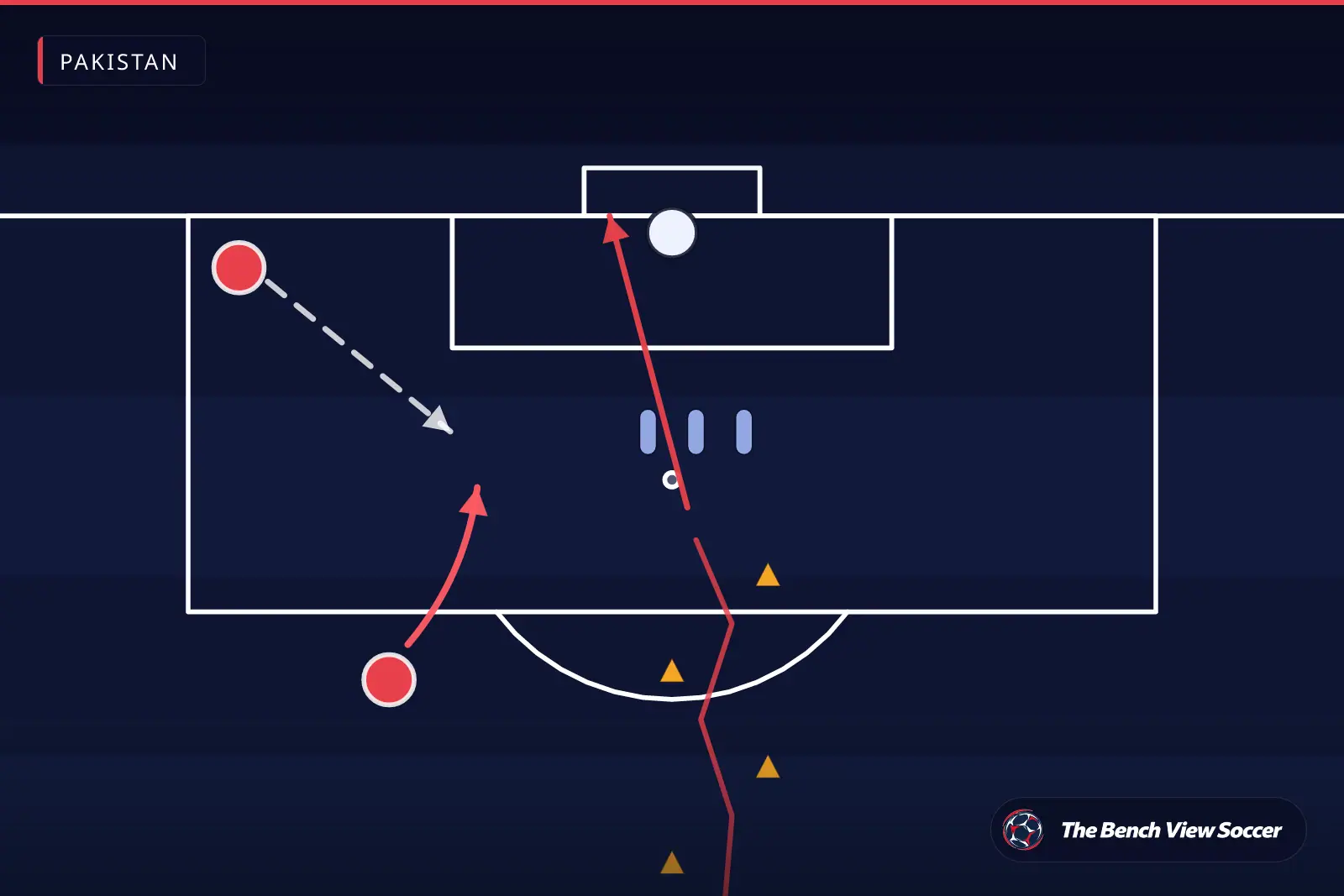
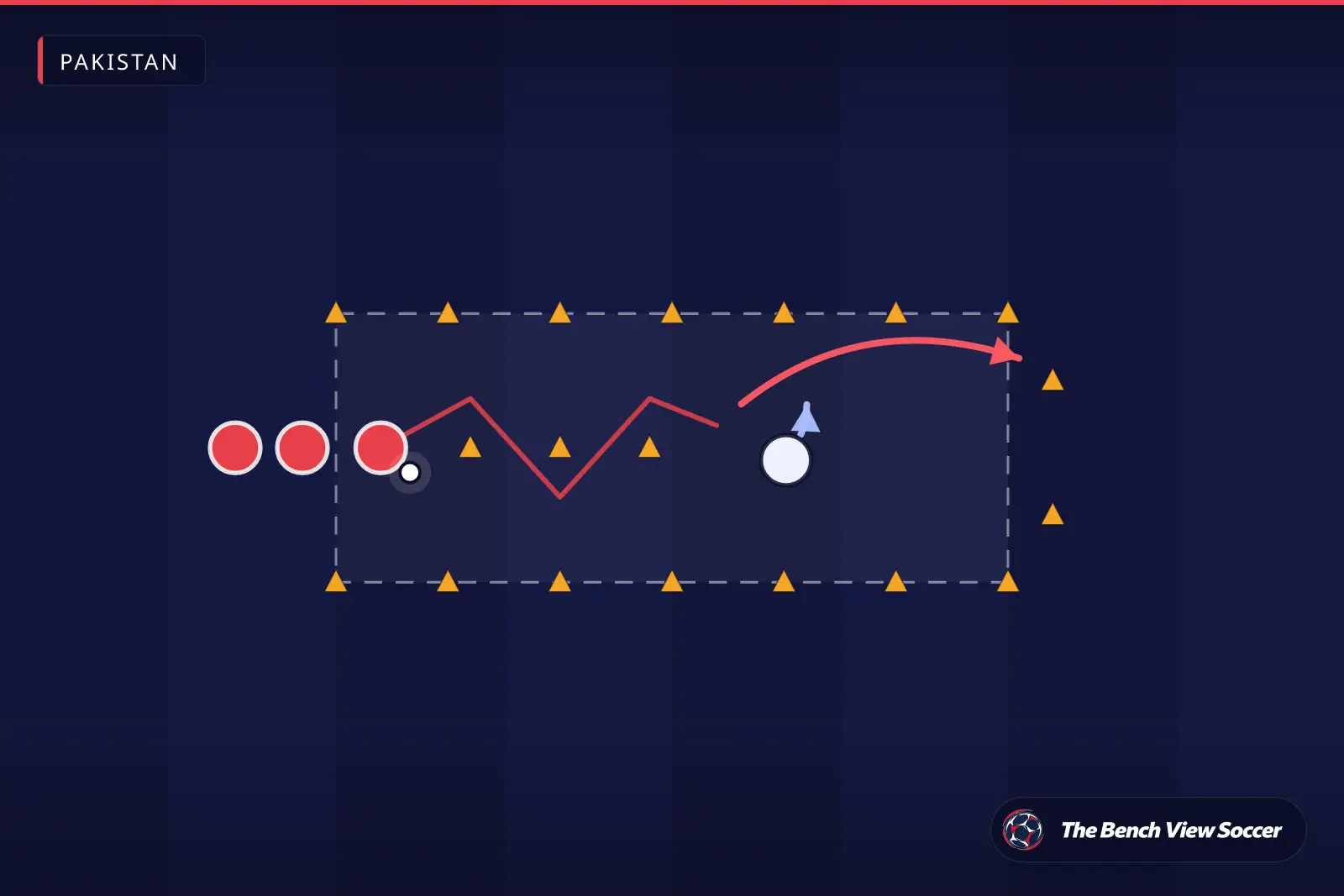
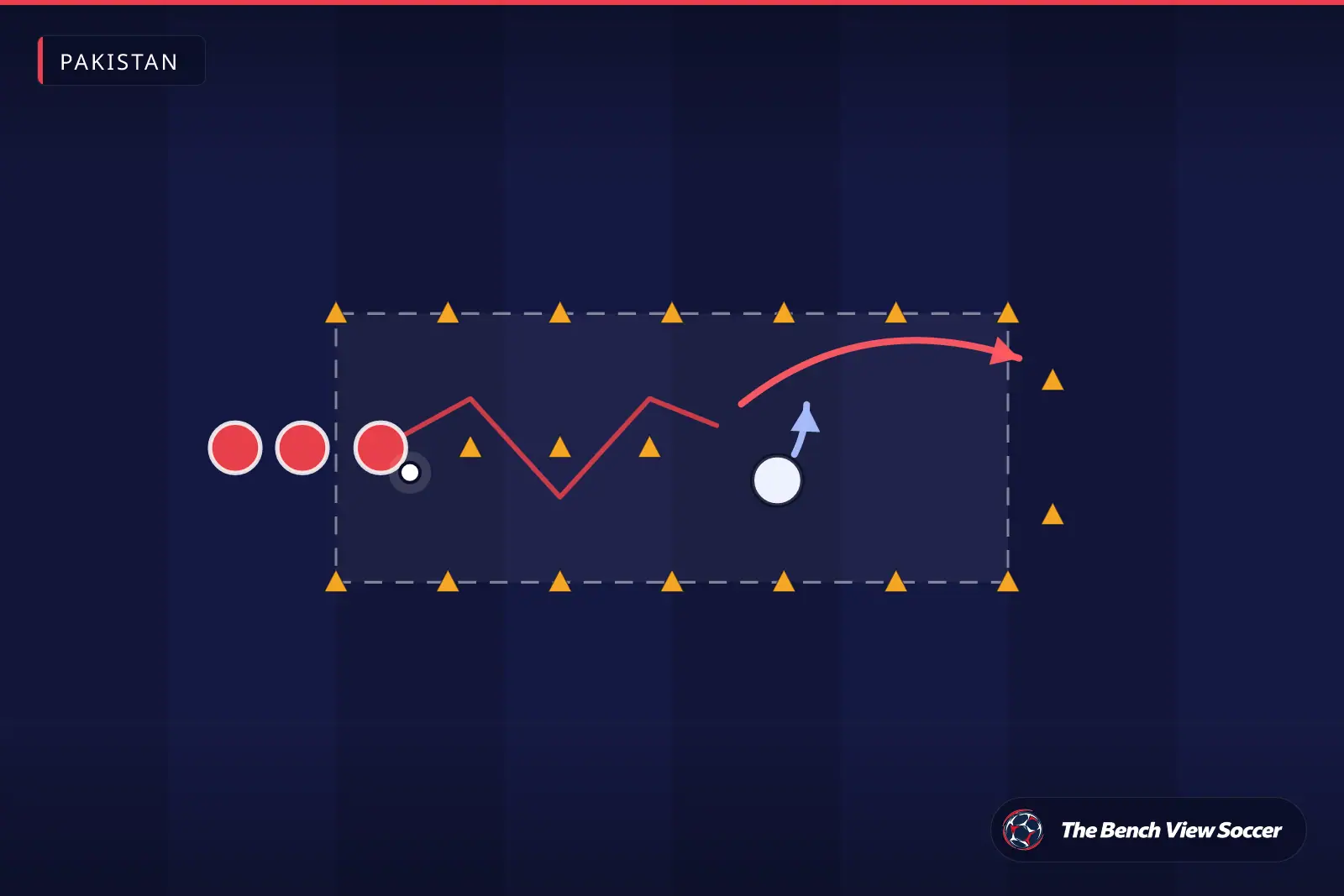
- Build a daily technical routine (20–30 minutes). Work on ball control, close dribbling, first touch and weak-foot passing. Use cone patterns, wall passes and juggling progressions. Record improvement weekly.
- Play small-sided games 3× weekly. 3v3 or 5v5 games speed up decision-making and increase touches per minute. Organize pickup games with local teams, schoolmates, or PFF community centers to simulate match intensity.
- Improve physical conditioning smartly. Combine sprint intervals, agility ladders, and football-specific endurance (repeated 30–60 second high-intensity runs). Prioritize mobility and injury prevention—hamstring and groin strength matters.
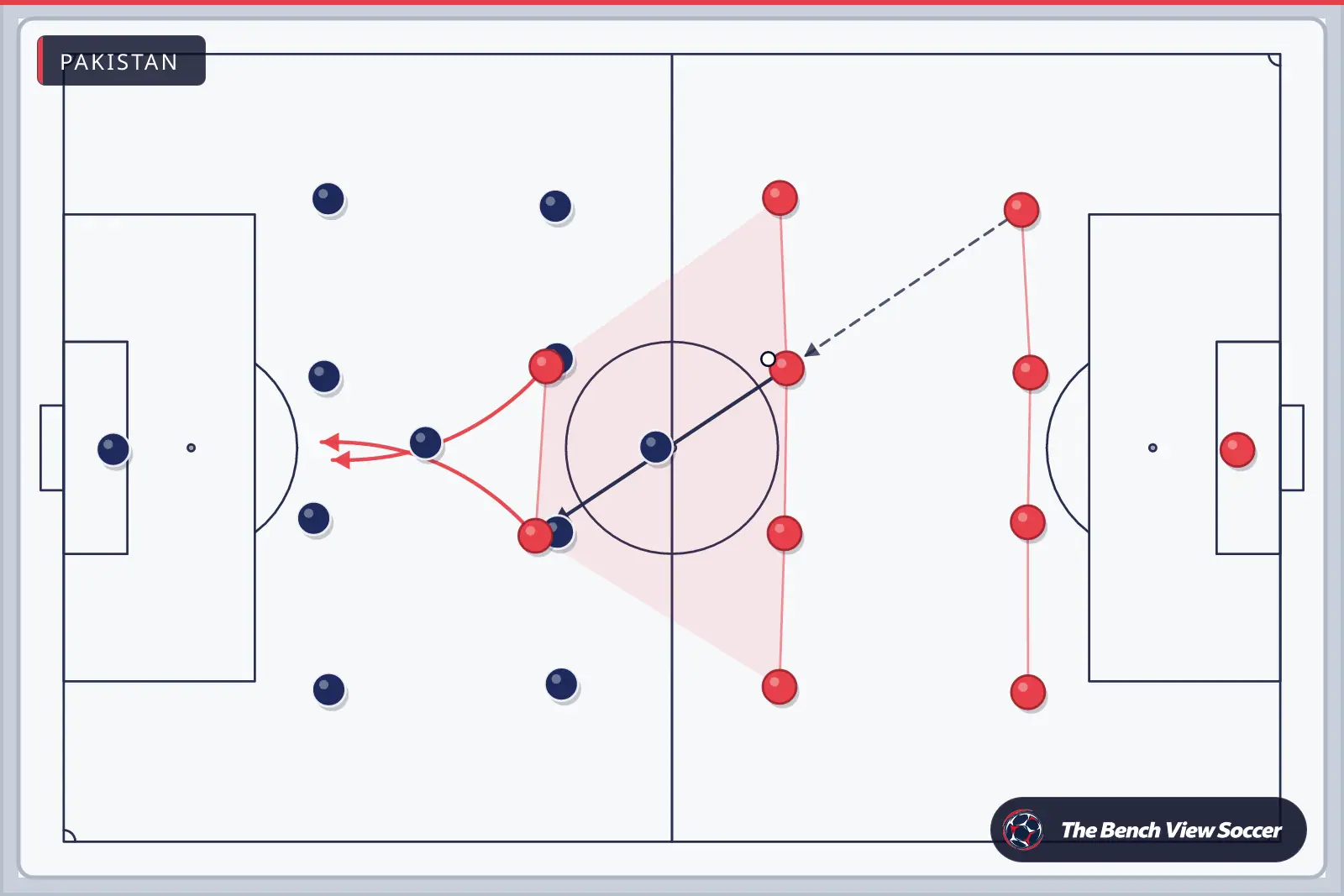
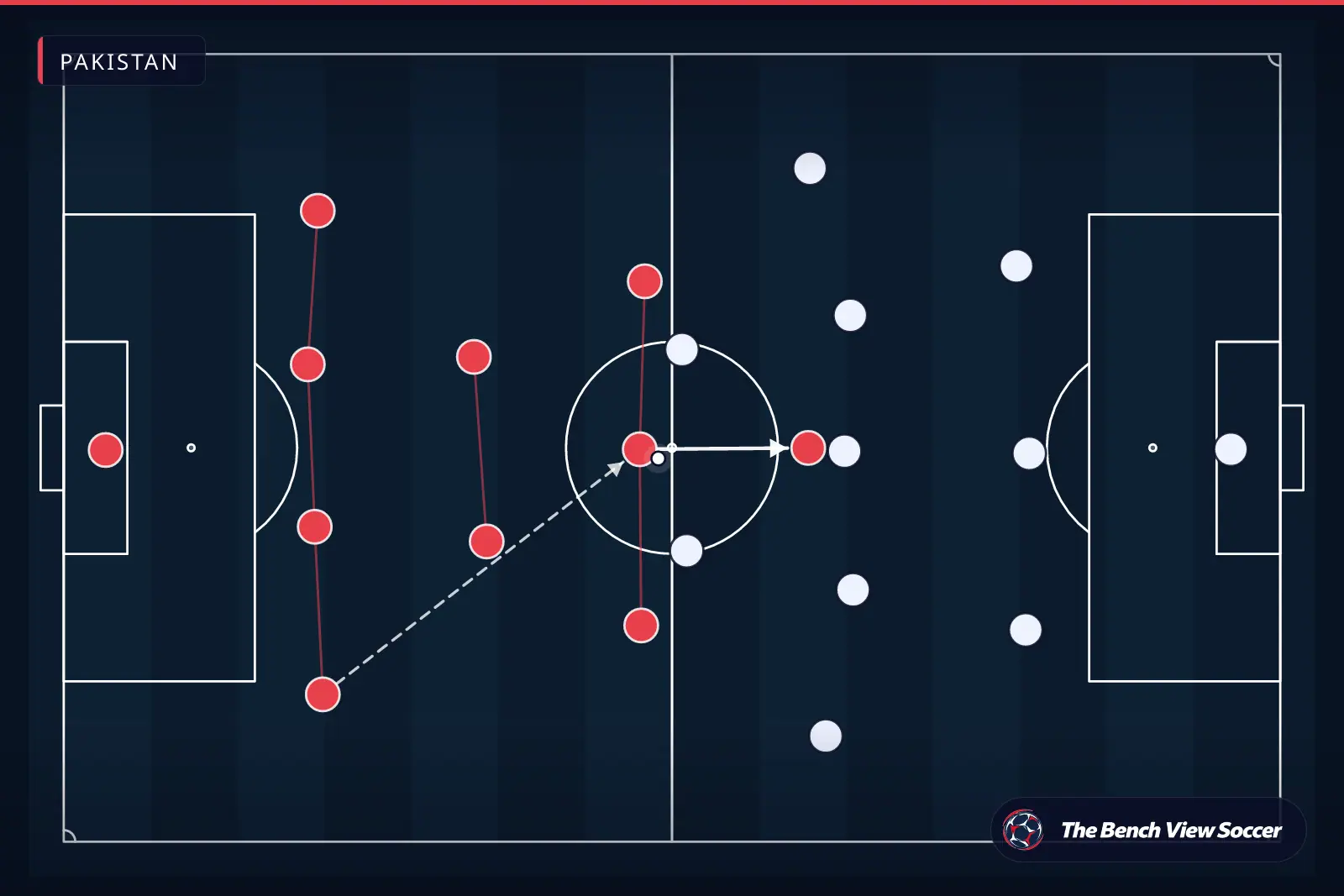
- Learn match intelligence through video and mentorship. Watch Pakistan Premier League clips and national team matches (SAFF and Asian qualifiers). Study player movement, positioning and off-the-ball runs. Seek feedback from a coach or an experienced player weekly.
- Compete and track progress. Enter local leagues, trials, and PFF talent ID camps. Keep a training log with measurable goals—pass completion, successful dribbles, sprint times—and reassess every month.
What are real examples from Pakistan Premier League?
Pakistan Premier League clubs like Khan Research Laboratories (KRL), Sui Southern Gas and K-Electric have produced players who combine technical skill with physical readiness. For example, watch KRL wingers for close control under pressure and K-Electric midfielders for compact passing patterns. These clubs highlight a practical pathway: strong youth coaching, consistent match minutes and exposure through PFF-supported competitions.
Pakistan’s SAFF Championship campaigns and Asian qualifier matches show how tactical discipline and mental resilience affect outcomes. Younger players should note that national team call-ups often reward consistency and coachability more than one-off individual talent.
What are the best tips to improve football skills?
- Focus on high-quality repetitions: 50 focused first touches per session beat 500 distracted ones.
- Train both feet equally — weak-foot confidence multiplies selection chances in Pakistan’s tactical setups.
- Join a structured program — PFF academies and local clubs offer coaching that turns raw talent into match-ready ability.
- Use small-sided games to recreate pressure and decision speed found in SAFF and Asian qualifiers.
- Record video of matches and training; review with a coach to fix recurring errors fast.
What mistakes should you avoid?
- Thinking skill comes only from long solo hours — quality, variety and feedback matter more than hours alone.
- Ignoring physical preparation — poor fitness limits skill expression in matches, especially in tougher SAFF and Asian qualifier fixtures.
- Skipping small-sided play — large-sided games alone reduce touches and decision-making repetitions.
- Chasing flashy tricks over fundamentals — coaches value consistency, positioning and passing under pressure.
What are the frequently asked questions?
Start a simple 30-day plan: daily technical work, twice-weekly small-sided games, and one strength session. Combine that with watching Pakistan Premier League and national team footage to align your play with coach expectations.
Related Resources
Start our free courses on The Bench View Soccer.