SAFF Championship tactics Pakistan
Pakistan’s football scene is awakening: a huge youth population, renewed PFF restructuring, and growing grassroots programs mean tactical clarity can lift national performance quickly. For motivated players and coaches, SAFF Championship tactics Pakistan are about pragmatic organization, defensive resilience, and fast transitions that match local strengths.
This guide mixes beginner-accessible principles with practical coaching detail so players, coaches, and academy leaders can apply ideas immediately. We reference domestic examples from the Pakistan Premier League and national SAFF campaigns while keeping drills and roles you can implement at club and national levels.
What is SAFF Championship tactics Pakistan?
SAFF Championship tactics Pakistan are a set of strategic and tactical choices designed for Pakistan’s national team and clubs competing at the South Asian Football Federation level. They prioritize compact defending, quick counter-attacks, smart use of wide areas, and set-piece exploitation—crafted to match the physical profile and technical level of Pakistani players.
How to prepare SAFF Championship tactics for Pakistan?
- Assess player attributes: Start with a clear audit—pace, stamina, technical first touch, aerial ability, and decision-making under pressure. Build roles around strengths, not ideal formations.
- Choose a primary formation: Pick a flexible base like 4-2-3-1 for balance or 3-5-2 for wingbacks and midfield control. Train two compatible variants (defensive and attacking) so players can switch mid-game.
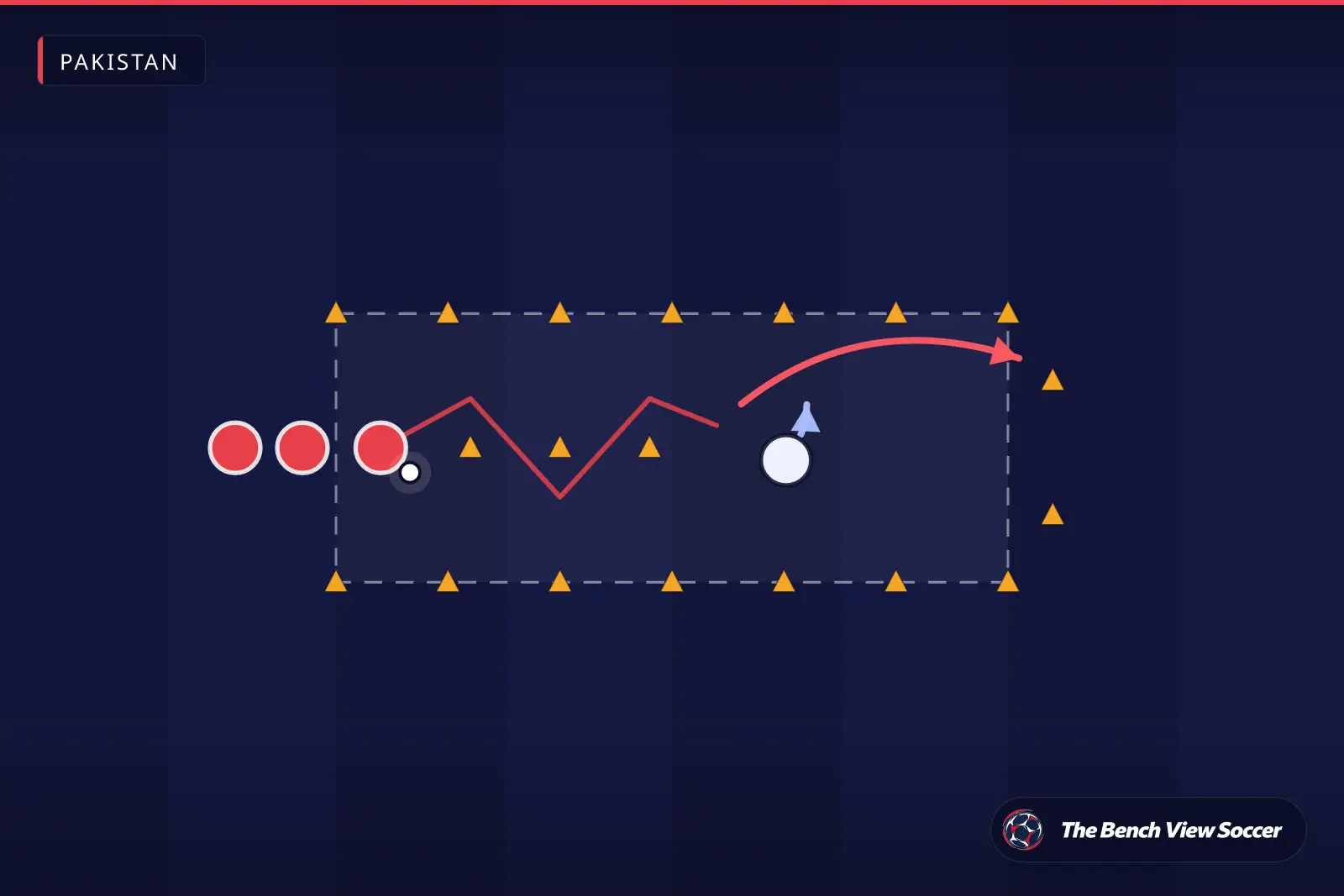
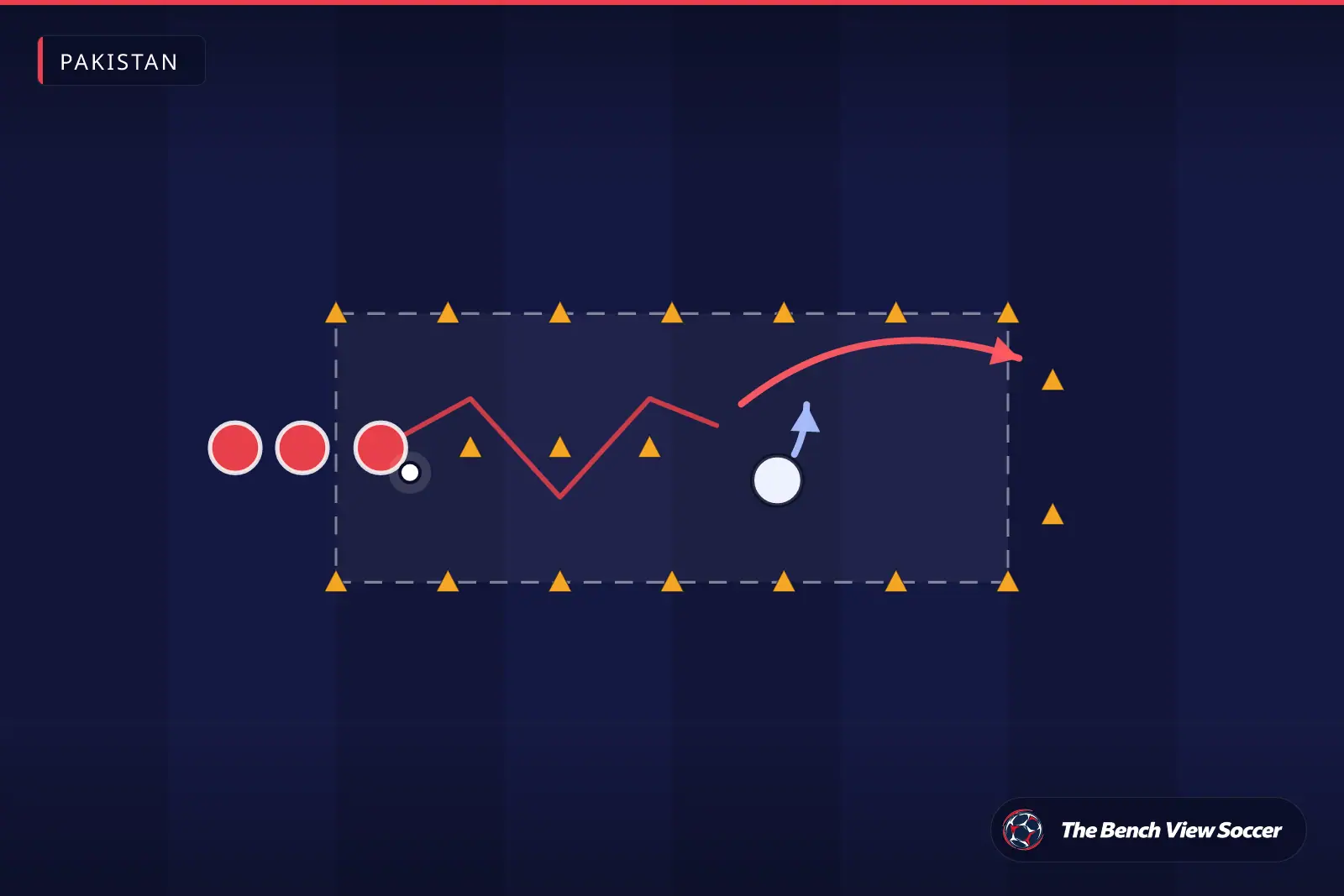
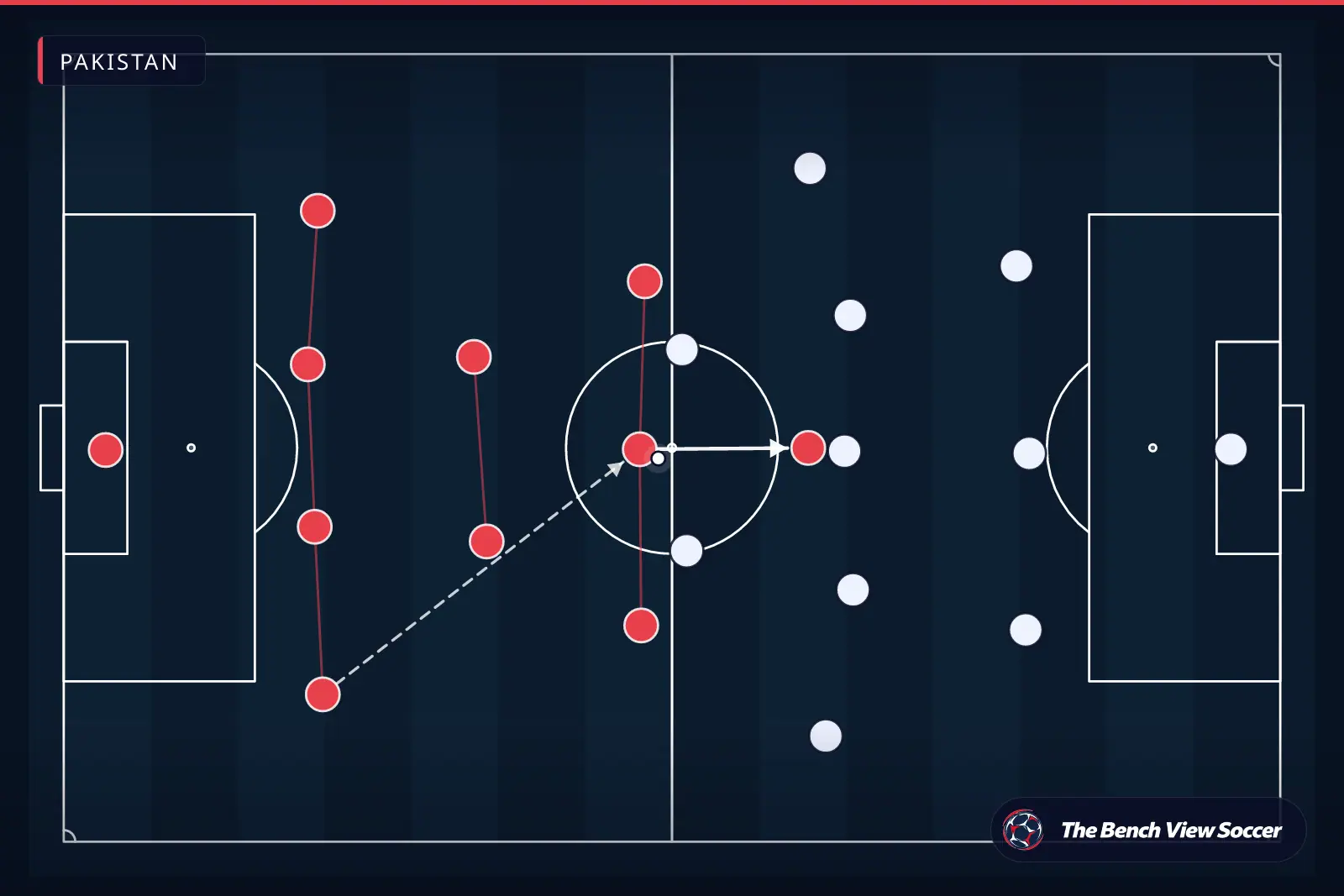
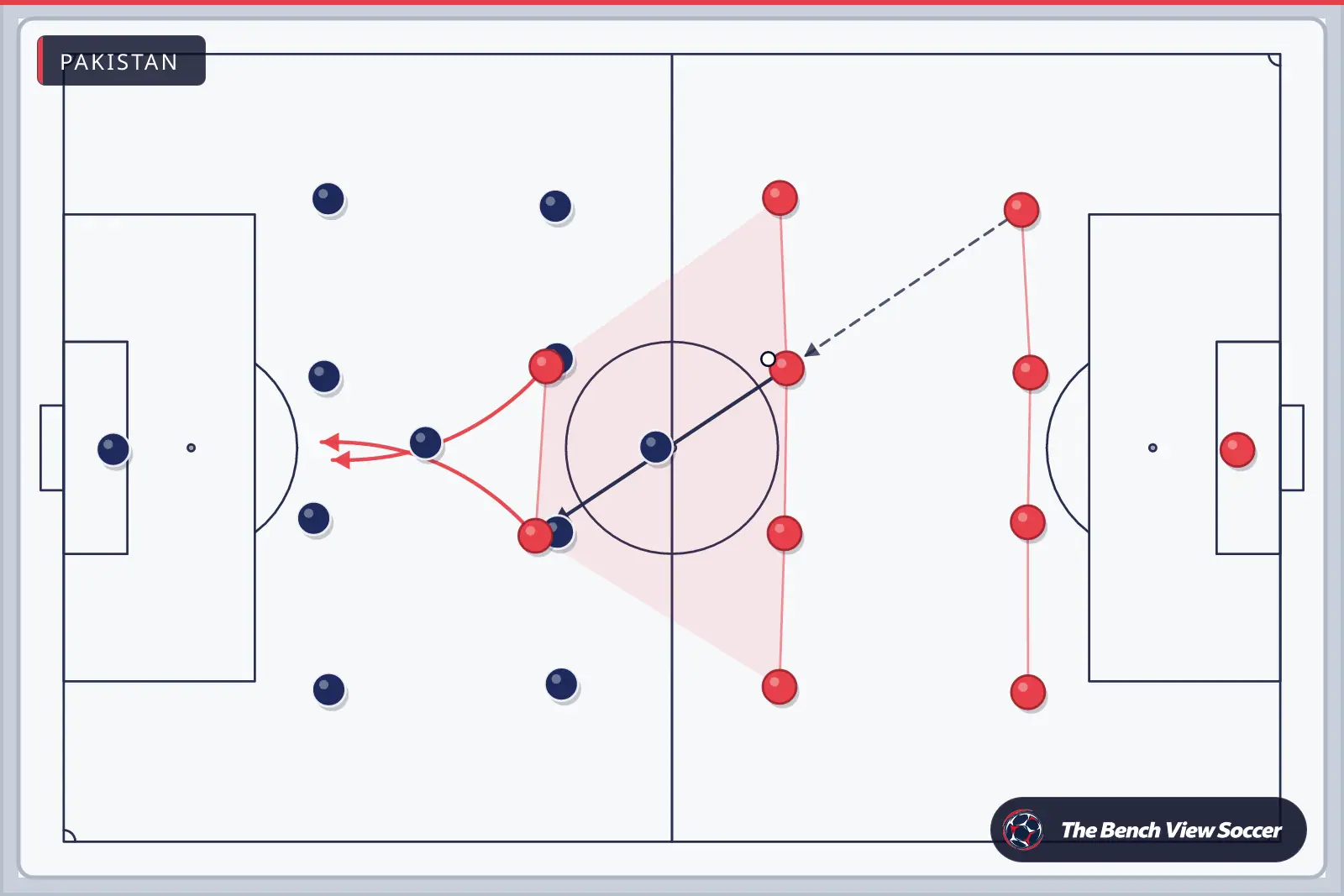
- Drill transitions: Design practice sessions for quick defensive-to-offensive transitions and vice versa. Use 10–20 second counter-attack patterns after winning the ball in midfield zones to exploit disorganized opponents.
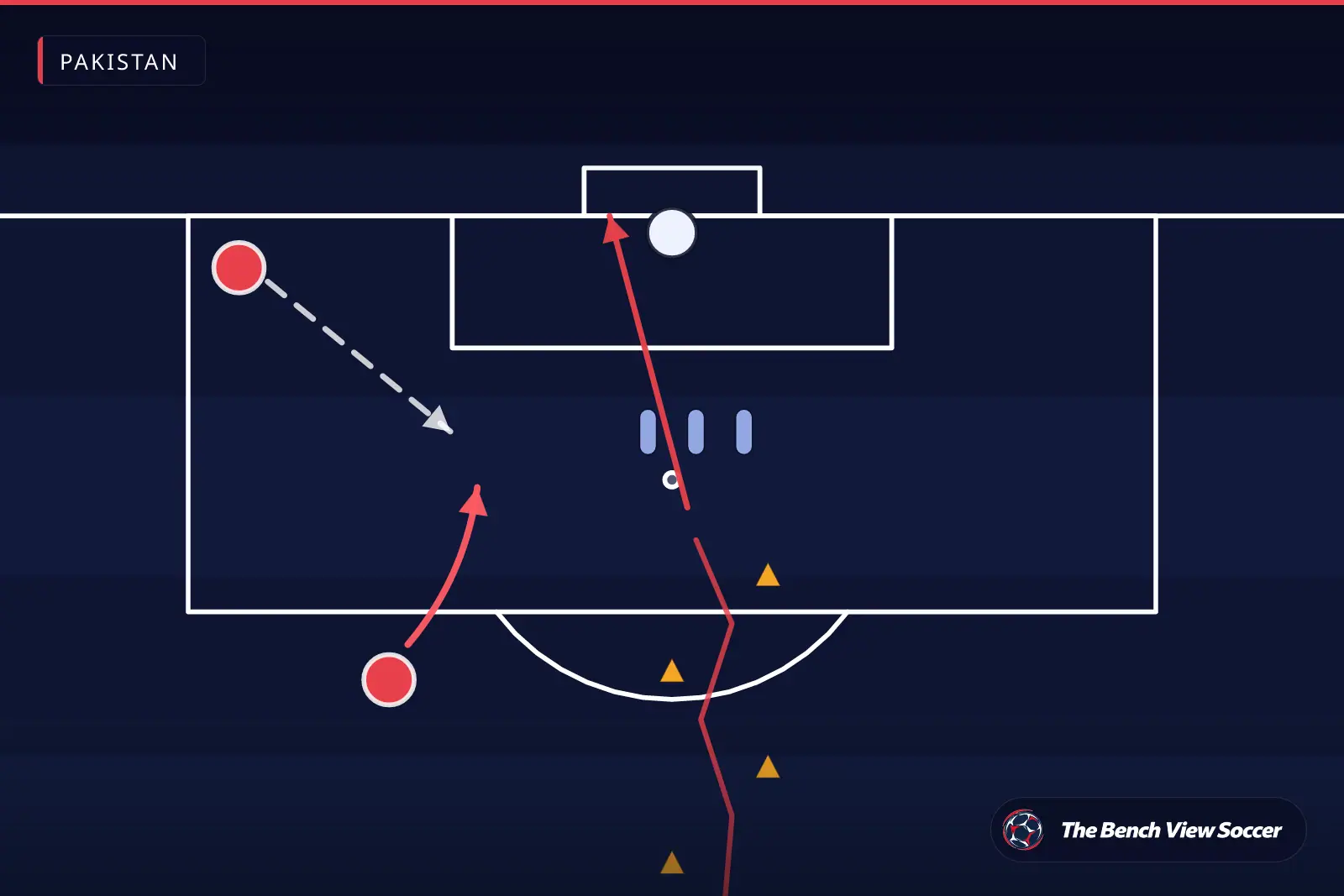
- Organize set pieces: Allocate at least one training session per week to offensive and defensive set-piece routines. Assign clear markers for zonal/man marking, second ball collectors, and designated free-kick/corner takers.
- Simulate SAFF match tempo: Use conditioned games and periodization that replicate tournament density. Train recovery runs, rotation of players, and mental routines for penalty scenarios and game management.
What are real examples from Pakistan Premier League?
Pakistan Premier League clubs provide practical templates. KRL and Khan Research Labs historically emphasized compact defense and disciplined shape—useful for national team setups. Recent PPL sides have shown success with energetic wingbacks and counter-pressing after losing possession. Observe how clubs press in lines, how strikers drop to link play, and how fullbacks time overlaps—these are transferable to SAFF Championship tactics Pakistan.
At club level, teams that win domestically tend to: (1) prioritize clear defensive roles, (2) use midfield screens to block penetration, and (3) exploit set pieces. Coaches should adapt these patterns with youth integration from PFF initiatives to build stamina and tactical intelligence across squads.
Best tips to master SAFF Championship tactics Pakistan?
- Emphasize fitness and repeat sprint ability—SAFF matches are high tempo with quick turnovers.
- Train simple, rehearsed patterns for transitions—less creativity, more execution under pressure.
- Use video of SAFF opponents to prepare tactical plans; focus on opponent weaknesses rather than stylistic imitation.
- Promote communication and role clarity—every player must know pressing triggers and recovery lanes.
- Invest in youth education—early coaching of tactical basics accelerates national development and creates players ready for tournament demands.
Mistakes to avoid?
- Over-complicating the system: Avoid too many position-specific rules for players still developing basic tactical IQ.
- Ignoring physical preparation: Tactics fail if players lack stamina to execute pressing and recovery patterns.
- Neglecting set pieces: Many SAFF goals come from dead-ball situations—don’t treat them as secondary.
- Rigid formations without contingency plans: If the chosen structure fails, have clear fallback plans (e.g., shift 4-2-3-1 to 4-4-2 diamond).
Frequently Asked Questions?
Q: Which formation suits Pakistan best at SAFF level?
A pragmatic 4-2-3-1 gives balance across defense and attack, while a 3-5-2 can exploit wingback speed if you have athletic wide players. Choose based on player attributes and opponent weaknesses.
Q: How important are youth programs for national tactics?
Extremely important. Effective SAFF Championship tactics Pakistan depend on a pipeline of tactically educated youth players. PFF restructuring should focus on consistent coaching methodologies from U13 to U23 to speed tactical adoption at senior level.
Q: What drills improve transition play quickly?
Use 6v6 transition games with immediate reward for scoring within 10 seconds of winning possession. Add overloads on wings and train outlet passing to exploit space behind defenders.
Q: How do we prepare for set-piece battles?
Allocate regular practice time, assign primary and secondary routines, work on timing and blocking movements, and study opponent set-piece tendencies. Rehearse both offensive rehearsed runs and defensive clearances.
Conclusion: SAFF Championship tactics Pakistan can be learned and implemented quickly with focused training, youth development, and match-specific preparation. Start building tactical habits at the club and academy levels now—Start our free courses on The Bench View Soccer.