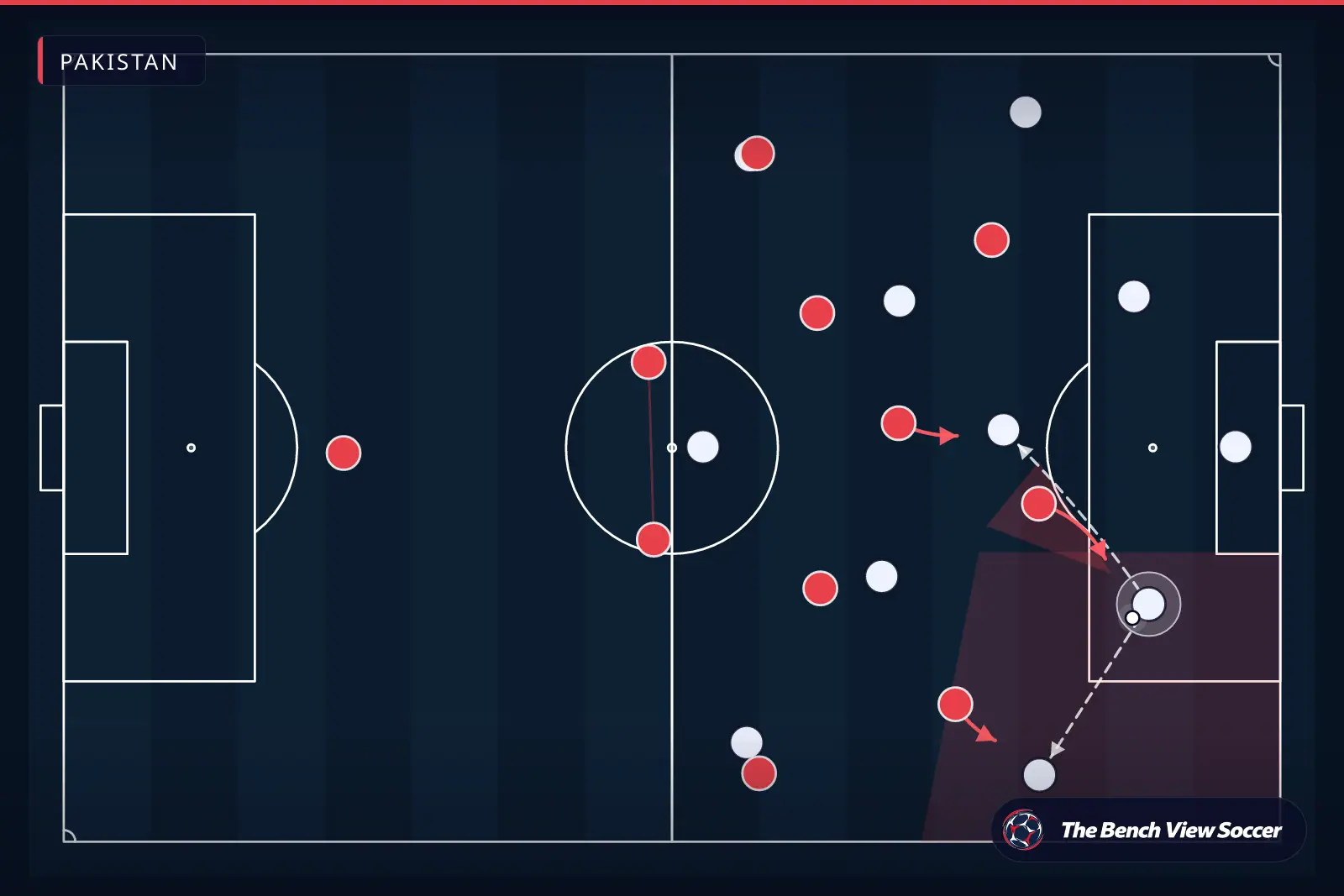
football pressing tactics Pakistan
Pakistan is at a turning point: PFF restructuring, renewed youth programs, and increasing attention to the Pakistan Premier League make pressing a practical tool for coaches and motivated players. With a huge youth population hungry for coaching, a pressing style can offer identity, success in SAFF Championship campaigns, and stronger Asian qualifiers performances.
This guide blends beginner-friendly explanation with actionable drills and match examples. Whether you’re a youth coach in Lahore, a midfielder in Karachi, or a Pakistan Premier League player aiming for national team selection, these football pressing tactics Pakistan will help you press smarter and score more.
What is football pressing?
Football pressing is an organised team strategy to regain possession by applying pressure on the ball-carrier and surrounding passing options. Pressing can be aggressive (high press), mid-block, or low block. In Pakistan’s context, pressing leverages youthful energy and compact team shape to disrupt opponents and create quick scoring chances.
How to press effectively?
- Set a clear trigger: Identify cues like a backward pass, poor first touch, or a specific opponent (full-back or defensive midfielder). Teach players to react as a unit when the trigger appears.
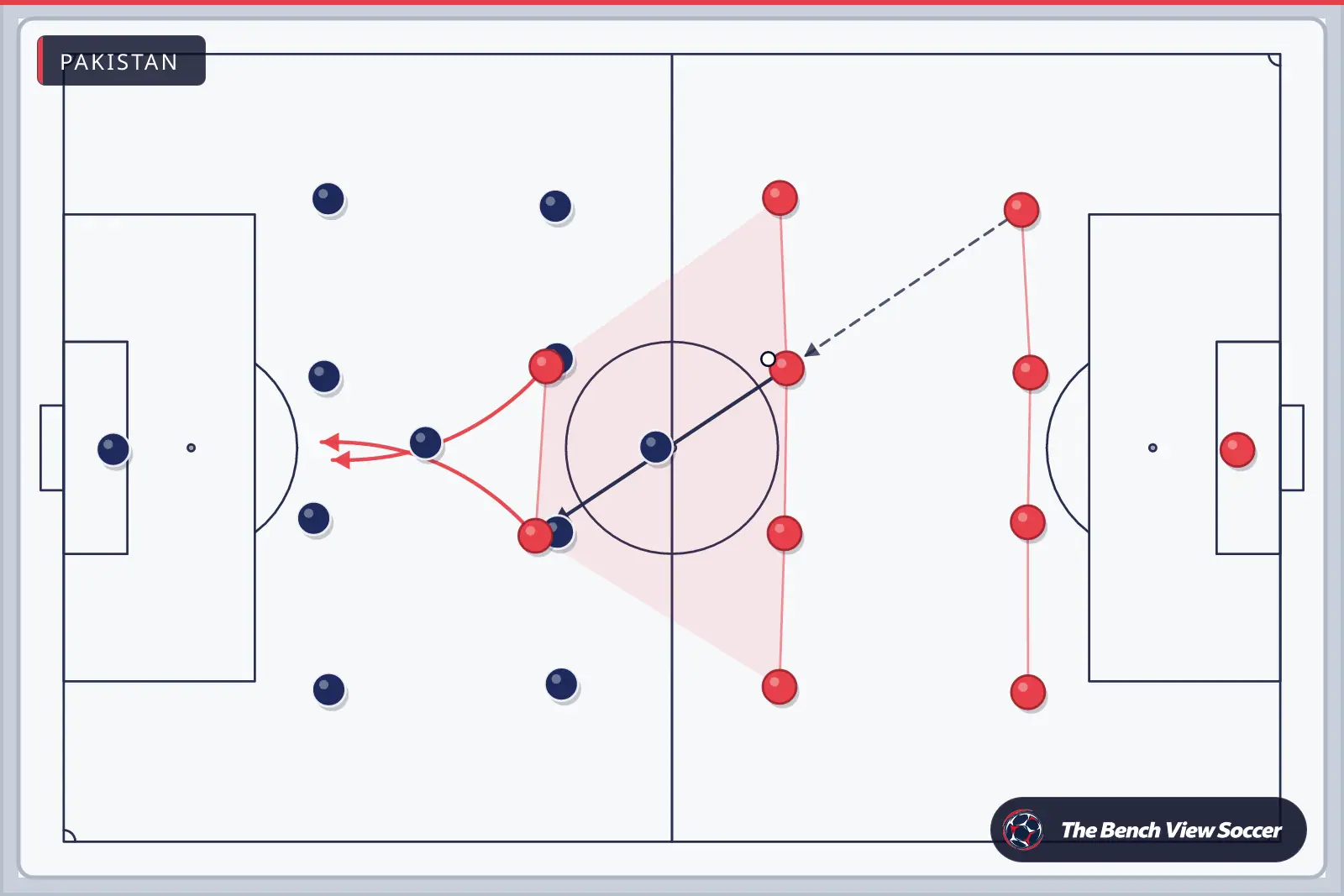
- Maintain compactness: Compress horizontal and vertical distances — defenders, midfielders and forwards should keep 10–12 metres between lines. This reduces passing lanes and forces errors.
- Coordinate the first and second attackers: The nearest player applies immediate pressure while the next player covers the passing lane. Train communication and shadow runs so one player engages and another cuts exit passes.
- Use zonal responsibilities: Rather than chasing every opponent, assign zones for pressing. Zonal pressing improves cohesion and fits teams with limited tactical experience common in Pakistan’s grassroots setups.
- Transition fast to attack: After winning the ball, have preset first options: a quick vertical pass to a striker, a switch to an advancing full-back, or a 1-2 combination. Train set patterns for moments after recovery.
What are real examples from Pakistan Premier League?
Several Pakistan Premier League matches have shown how pressing can change games. In recent seasons, teams like K-Electric and Khan Research Laboratories used high pressing to unsettle more technical sides, forcing turnovers in the final third and converting quick counters. Youth sides participating in PFF-led tournaments often press in aggressive 4-3-3 shapes, reflecting the national team’s attempts during SAFF Championship campaigns to compete physically with South Asian rivals.
At the national level, Pakistan’s qualifiers for Asian competitions revealed moments where compact pressing led to clear scoring chances. Coaches working with provincial academies now bring these lessons into grassroots practice: short, sharp sessions on triggers, 6v6 pressing games, and recovery sprints after turnovers.
Best tips to press better?
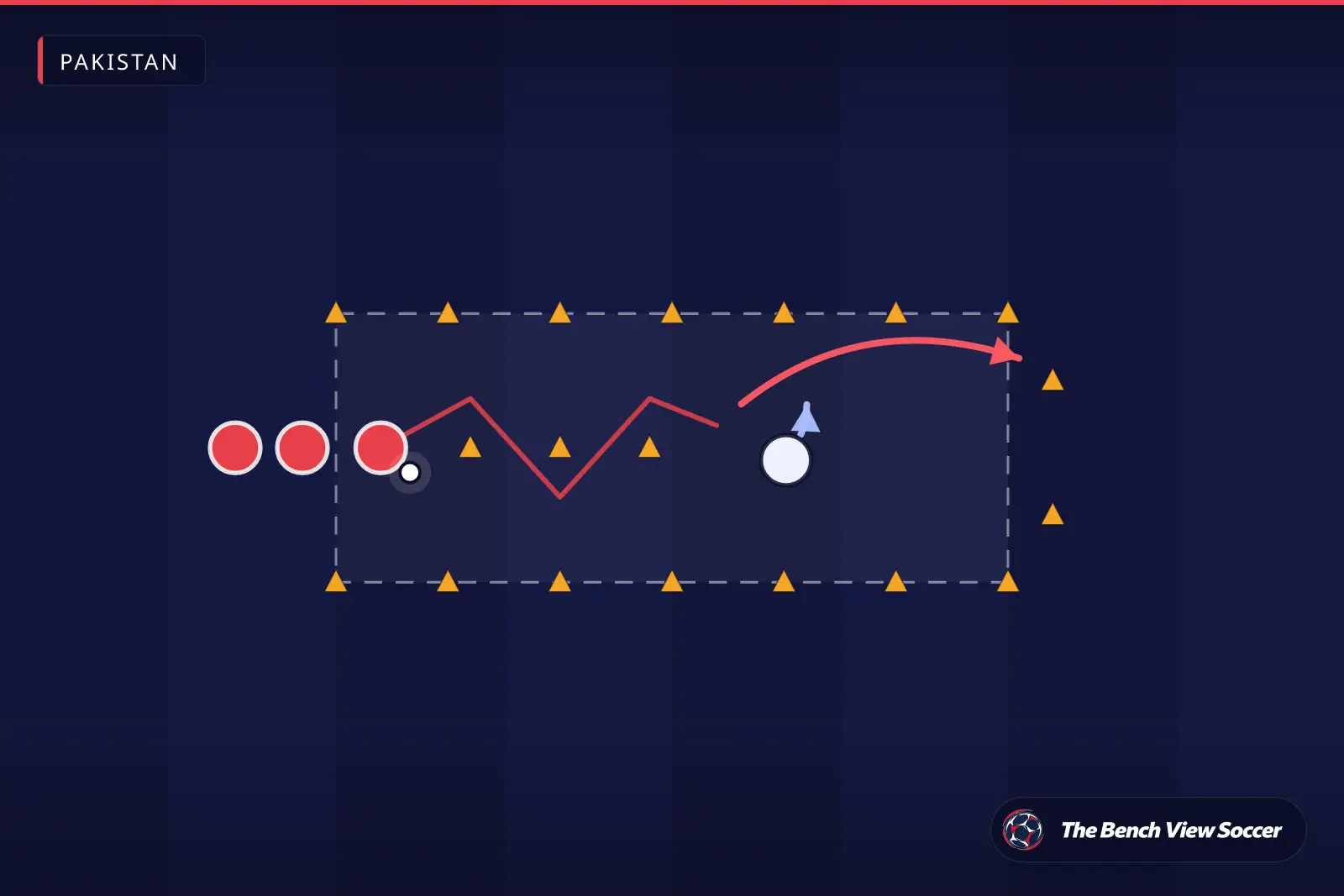
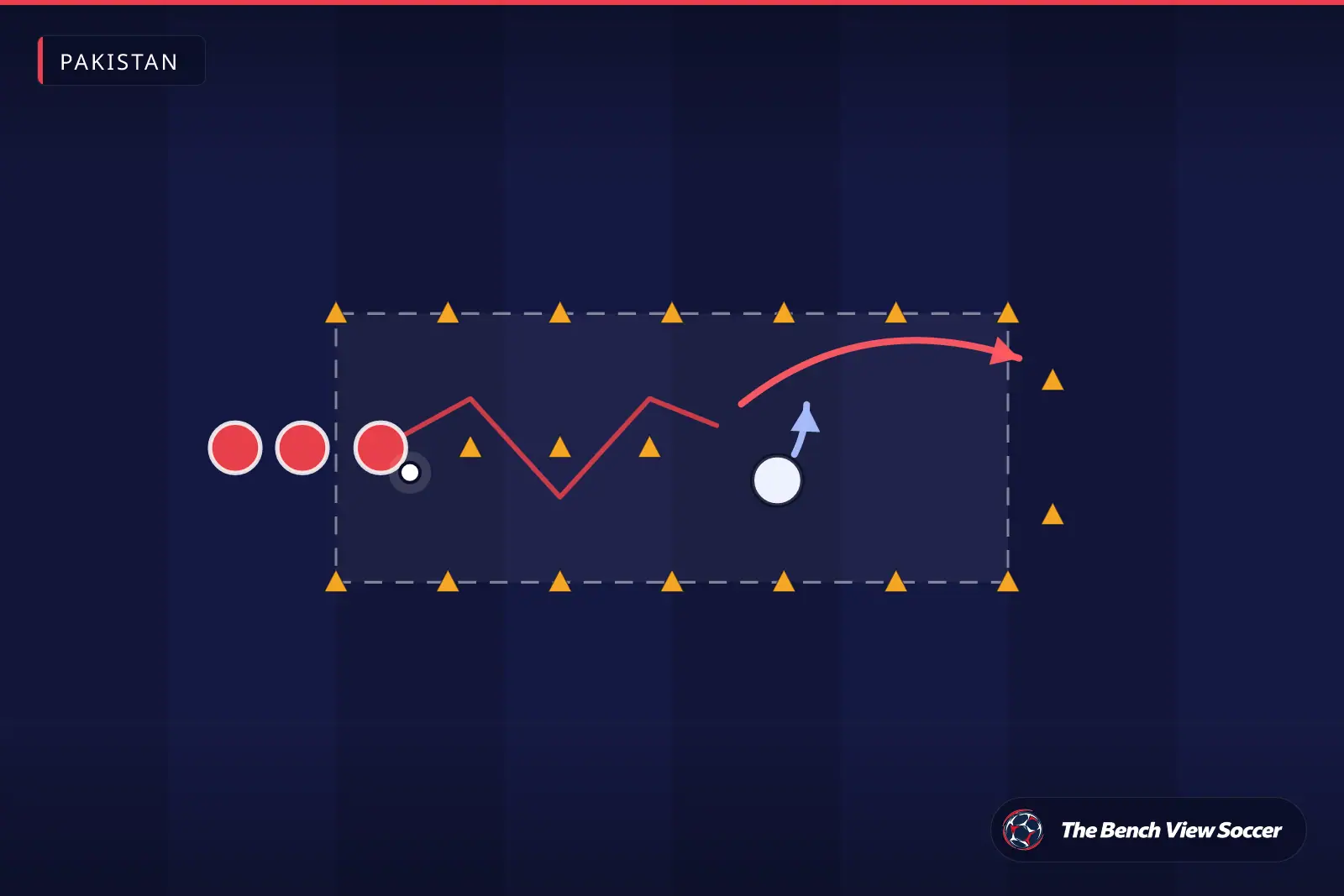
- Build fitness with football-specific drills: repeat short sprints, shuttle runs with ball work, and small-sided games to mirror real pressing demands.
- Train triggers repeatedly so reactions become instinctive — use video from Pakistan Premier League matches to show examples.
- Keep shape over heroic tackles: encourage players to shepherd opponents into traps rather than over-commit.
- Practice quick outlet passes after regain — possession is the reward for pressing, so decision-making must be trained.
- Rotate roles in training so youth players learn pressing from different positions — defenders who press understand midfield pressures better.
Mistakes to avoid?
- Avoid random pressing without triggers: chasing the ball individually creates gaps that faster Asian opponents will exploit.
- Don’t neglect fitness planning: inconsistent conditioning leads to late-game breakdowns; pacing over 90 minutes is essential for Pakistan’s hot climates.
- Steer clear of leaving the flanks unprotected: overcommitting centrally invites wide attacks—ensure full-backs are covered when pressing high.
- Do not ignore simple recovery shape: if the press fails, quickly reorganize into a mid-block to prevent counters and protect the goalkeeper.
Frequently Asked Questions?
Q: Can grassroots teams in Pakistan use a high press?
A high press is possible if fitness and simple triggers are trained. Start with small-sided games, set triggers, and limited pressing zones. Use a gradual approach so young players build stamina and understanding before attempting full 90-minute high-press games.
Q: Which formations suit pressing best?
Flexible 4-3-3 and 4-2-3-1 allow forward lines to press while midfielders compress space. For Pakistan Premier League clubs and youth teams, 4-3-3 offers a clear frontline and midfield support, making coordinated pressing easier to teach and apply.
Q: How do coaches measure pressing success?
Track recoveries in the opponent half, turnovers leading to shots, and successful counter-attacks. Video analysis of Pakistan Premier League matches and training sessions helps quantify pressing triggers and outcomes for continuous improvement.
Q: How does pressing fit national team development?
Pressing gives Pakistan a proactive identity in SAFF Championship and Asian qualifiers. With PFF restructuring and better youth pathways, pressing emphasizes physicality, teamwork, and rapid transition — qualities that help compete with regional rivals.
Start our free courses on The Bench View Soccer.