how to become a professional footballer Pakistan
Pakistan sits on the cusp of a footballing boom. With PFF restructuring driving grassroots coaching, renewed domestic competition and an enormous youth population hungry for professional pathways, now is the time to plan a realistic route from street games to paid contracts.
This article gives an elite coach’s blueprint: definition, five-step pathway, professional drills, Pakistan Premier League examples, tactical and physical analysis, common mistakes, and what to do next. Practical, scalable, and tailored for the Pakistani context — SAFF Championship campaigns and Asian qualifiers show the level we can reach.
What is becoming a professional footballer in Pakistan?
Becoming a professional footballer in Pakistan means earning a paid contract to play in organised leagues (primarily the Pakistan Premier League or recognised foreign leagues), representing club and country in competitions like the SAFF Championship and Asian qualifiers, while maintaining full-time training standards, sports science support and a professional mindset.
How to become a professional footballer in Pakistan?
- Establish a daily professional routine: Train at least twice daily during key development years — a technical session (45–60 minutes) and a physical/tactical session (60–90 minutes). Include mobility, sprint mechanics and football-specific strength work.
- Join an accredited academy or club pathway: Enrol in PFF-affiliated academies or top Pakistan Premier League club youth programmes (KRL, K-Electric, WAPDA, Karachi clubs). Regular coaching, licensing standards and competitive fixtures accelerate development and scout visibility.
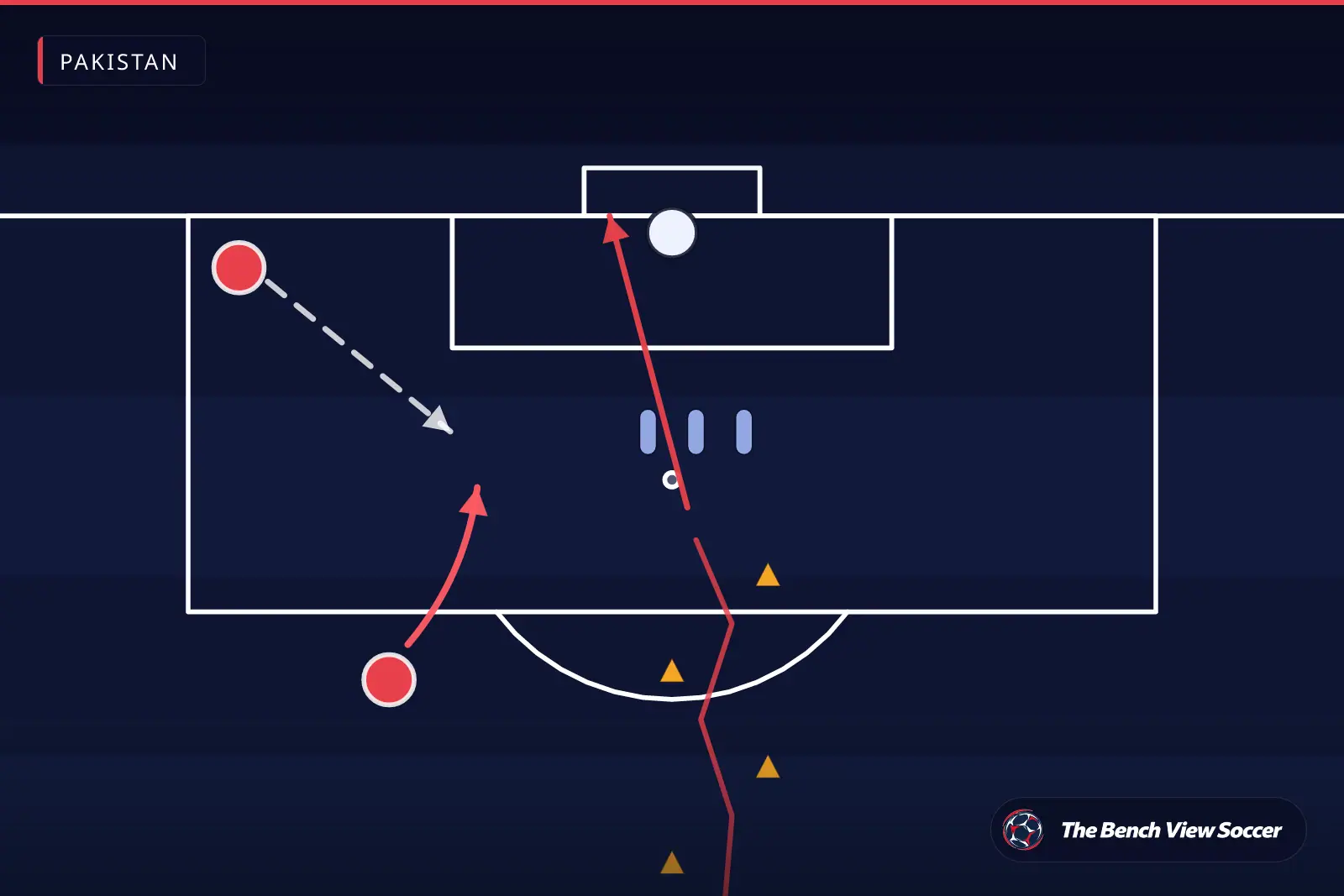
- Focus on position-specific mastery: For attackers, practice finishing under pressure, progressive timing runs, and 1v1 decision drills. Defenders must build scanning habits, defensive shape drills and controlled distribution. Goalkeepers require targeted reflex circuits, footwork, and match-like distribution exercises.
- Compete and document performance: Play in district leagues, inter-club tournaments and national youth trials. Create match footage and statistical logs (minutes, goals, passes, defensive actions). Use social and scout platforms to build a highlight reel for PFF talent ID and club trials.
- Develop mental and physical resilience with sports science: Implement load management, recovery modalities, and nutrition suitable for local climates. Work with certified coaches on decision-making under fatigue, and prepare psychologically for competition and trials.
What are real examples from the Pakistan Premier League?
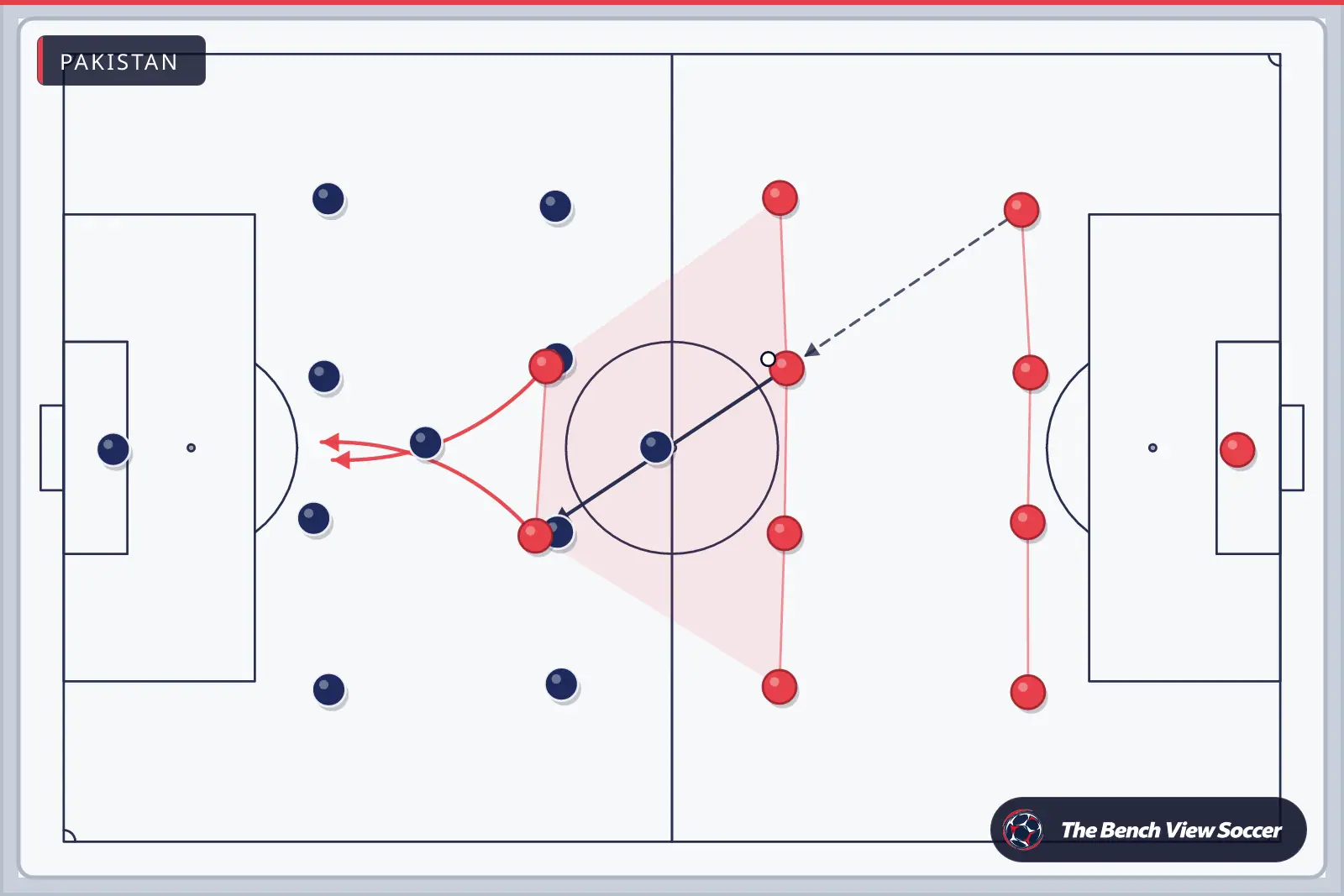
The Pakistan Premier League has been the launchpad for players who progressed to the national team and international contracts. Clubs like Khan Research Laboratories (KRL), K-Electric and WAPDA have structured academy systems that produced national team call-ups during SAFF Championship campaigns. Coaches in these clubs emphasise tactical discipline, compact defensive blocks and transitional counter-attacks — strengths Pakistan has showcased in Asian qualifiers.
Local success stories include players who moved from PPL clubs into regional exposure: strong performances in league finals and national fixtures during SAFF runs attract scouts from South Asia and the Middle East. These real examples underline the importance of consistent league minutes, coach endorsements and match footage when pursuing pro contracts.
Related Resources
Best tips to become a professional footballer in Pakistan?
- Prioritise coach education: Train under licensed coaches and attend PFF coaching camps to align with modern methodology.
- Master the basics daily: 20-minute technical circuits (receiving, passing, close control) every session build elite motor patterns.
- Use small-sided games for decision-making: 5v5 and 7v7 accelerate tactical recognition faster than full-pitch repetition.
- Create and share professional highlight reels: Include set-piece goals, defensive clearances and positional play to showcase versatility to scouts.
- Plan a winter/summer strength phase: Periodise strength and power blocks to peak for trial windows and national team camps.
Mistakes to avoid?
- Neglecting formal coaching: Relying only on informal play stalls technical and tactical growth.
- Poor load and recovery management: Overtraining without sports science increases injury risk and reduces selection chances.
- Ignoring video analysis: Not tracking performance prevents targeted improvement and weakens trial presentations.
- Silo development: Focusing only on technical skill without tactical sense, fitness or mental resilience limits professional readiness.
Frequently Asked Questions?
Q: How long does it take to turn pro in Pakistan?
A: Progression times vary; players typically need 3–6 years of structured academy training, competitive league minutes and repeated standout performances in Pakistan Premier League fixtures or PFF trials to earn a professional contract.
Q: What age should I join an academy?
A: Join between 8–14 for long-term development; late developers (15–18) can still turn pro with targeted, high-intensity coaching, strength work and frequent competitive exposure.
Q: Can I be scouted without playing in the Pakistan Premier League?
A: Yes — strong performances in district tournaments, PFF talent ID events and youth internationals get attention. However, Pakistan Premier League minutes greatly strengthen a player’s professional case.
Q: Are foreign opportunities realistic for Pakistani players?
A: Yes. With curated match footage, agent networks, and standout national team performances (SAFF, Asian qualifiers), Pakistani players have pathways to trials in neighboring leagues and lower-tier European/Middle Eastern clubs.
Start building a pro pathway now with deliberate practice, coach-led progressions and competition planning. Use PFF-affiliated programs and the Pakistan Premier League to gain visibility. Technical drills, periodised conditioning and sports science will bridge the gap from talent to contract.
Start our free courses on The Bench View Soccer.