

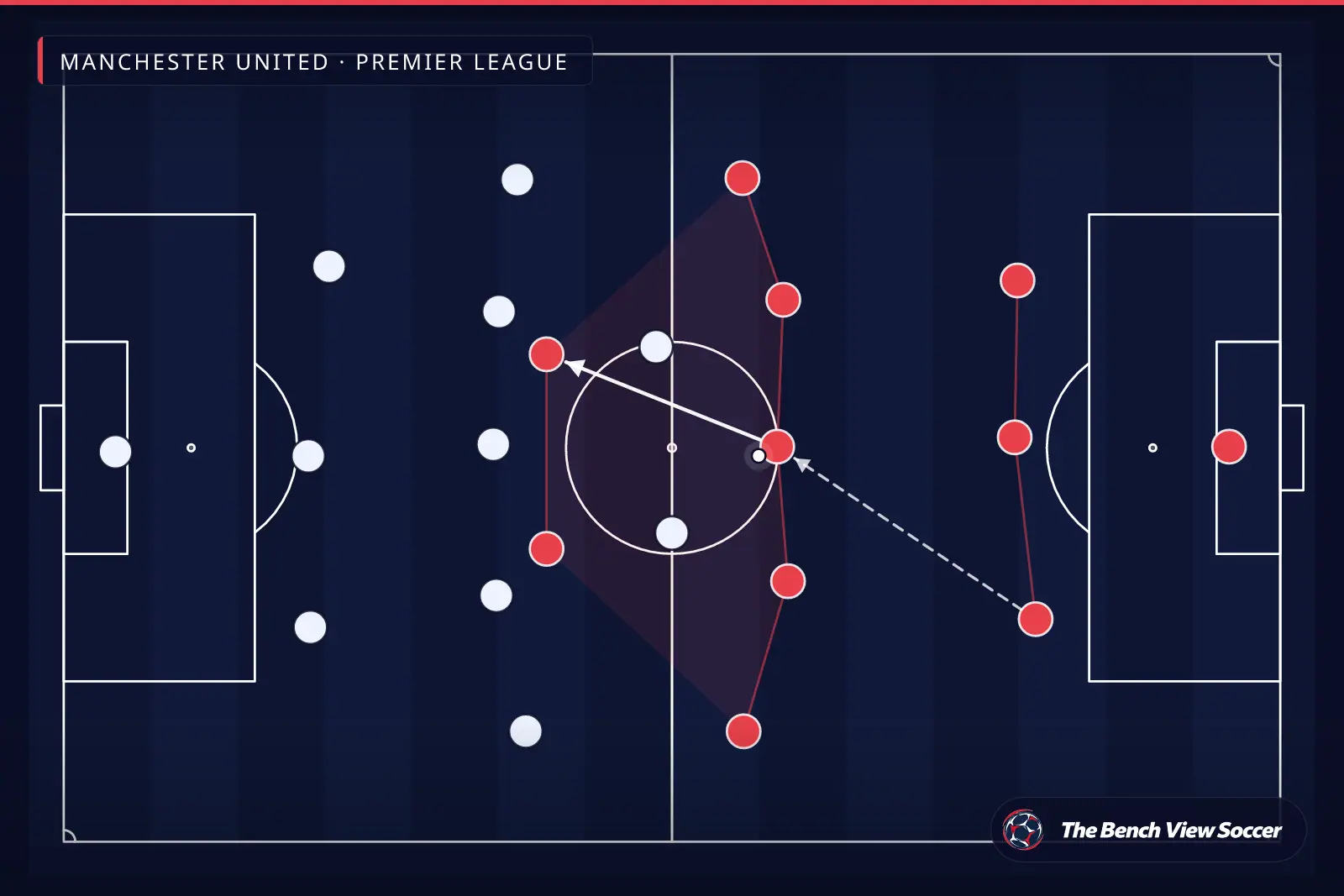
Michael Carrick has confirmed Bruno Fernandes will remain Manchester United captain after a period of tension that included the midfielder being an unused substitute and private talks with the head coach. Fernandes met Carrick at United’s Carrington training base and is expected back in the starting lineup for the trip to Chelsea at Stamford Bridge. Carrick also addressed his own future ahead of the match, while external data noted Chelsea have a worse expected-points profile than United despite their higher league position.
What happened
Michael Carrick said Bruno Fernandes will continue as Manchester United captain. The decision follows a spell in which Fernandes was dropped and named as an unused substitute for the defeat by Bournemouth, after publicly criticising the coach’s tactics following the loss to Como. Carrick and Fernandes held talks at United’s Carrington training base before a session, and those discussions were described as clear-the-air and positive by reports. Sources say Fernandes offered assurances that he remains committed to turning the season around and the squad also held a positive meeting with Carrick. Fernandes is expected to start at Stamford Bridge on Saturday. Carrick also publicly addressed his own position as head coach ahead of the trip. Separately, Opta-based analysis has indicated Chelsea’s expected-points performance this season has been worse than Manchester United’s despite the clubs’ contrasting places in the table.
The tactical reading
The media accounts and the timing of conversations around Bruno Fernandes suggest United’s immediate priority is restoring coherence between the dressing room voice of the captain and the coach’s tactical plan. When a key attacking midfielder publicly questions tactics and is subsequently left out, the simplest danger is a fracture in the operational unity required for in-game adaptability. Re-establishing Fernandes as captain points to a deliberate choice to preserve on-field leadership and the creative fulcrum, rather than to recalibrate the team away from his influence.
The available facts point to a balance Carrick must strike between authority and player influence. Reintegrating a vocal, influential midfielder back into the starting XI typically implies the coach will try to align tactical responsibilities to accommodate his strengths while preserving structure. That alignment often requires clearer role definitions: the team must know when the captain can exercise freedom and when he must adhere to collective phases (defensive shape, pressing triggers, transitional responsibilities).
Facing Chelsea at Stamford Bridge — a match framed by contrasting league positions and the noted expected-points discrepancy — suggests Carrick may prioritise stabilising the team’s spine and midfield control. A captain who is both a creative outlet and a leadership figure can be used to manage tempo, alleviate pressure in possession and serve as a reference for teammates when defensive transitions occur. However, the trade-off is the potential for overreliance on one player for initiative; restoring Fernandes to the centre of operations will require teammates and the coach to manage both his decision-making tempo and the broader team shape.
Finally, the post-talk atmosphere described as "positive" hints at an attempt to reset communication patterns. Practically, that reset tends to show up in training via clearer tactical messaging, simplified defensive duties, or a more explicit set of in-possession responsibilities. For a team under pressure, simplifying decision-making and clarifying when leadership should intervene are reliable ways to reduce errors and improve collective execution.
Key tactical points
- Keep the captain as a stabilising on-field leader to manage team tempo and transitional phases.
- Clarify individual defensive and pressing triggers so a creative number can be given more latitude in attack without breaking the team shape.
- Use clear communication channels between coach and captain to implement in-game tactical adjustments quickly.
- Avoid tactical overreliance on a single creative player; train secondary outlets to prevent predictability.
- Simplify responsibilities under pressure to improve collective decision-making and reduce mistakes.
What to watch next
Observe how Carrick deploys Fernandes at Stamford Bridge: will the captain be given a freer role to influence the attack, or will his movements be constrained by stricter defensive duties? The balance between freedom and structure will reveal whether the coaching staff prioritises creative impulse or defensive coherence in the immediate reset.
Also watch for visible changes in on-field communication and shape. Short-term tactical resets often show up as simplified passing lanes, clearer pressing triggers, and quicker attempts to regain a compact defensive block after losing possession. Those cues will indicate whether the "positive" meeting translated into a practical, implementable gameplan.
Train it
Exercise: 6v6 plus 2 neutral players (possession-to-attack transition focus). The drill emphasises a designated captain figure who can roam to support attack but must fulfil set defensive responsibilities when the team loses the ball.
- Set-up: Small rectangular pitch with two mini-goals; two neutrals act as outlets for the team in possession.
- Objective: Keep possession for a set number of passes, then exploit the neutrals to score; on turnover, the captain must be first to recover and form a compact 6v3 defensive block within five seconds.
- Progression: Reduce the recovery time to three seconds or add a point bonus for successful quick transitions to encourage compactness and clear decision-making.
Coaching points:
- Define the captain’s dual role: creative licence in possession, immediate recovery priority out of possession.
- Emphasise compactness on loss—distance between lines and support angles should be under constant scrutiny.
- Reward quick, clear communication and decisive actions that restore structure before attempting to attack again.
Sources
- BBC Sport: 'Fully committed' Fernandes to remain Man Utd captain
- The Guardian: Chelsea’s fine finishing has them flying high – but how long can it last?
- BBC Sport: Chelsea linked with Alexander-Arnold - Friday's gossip
- The Guardian: Carrick keeps Fernandes as captain and says he needs no assurances on United future
- The Guardian: Fernandes tells Carrick he is committed to turning season around in clear-the-air talks
The Bench View app
Don’t just read football — train it
Everything you read here, turned into training you can follow step by step.
Physical training at home
AI daily sessions adapted to your level and position. No equipment needed.
Tactical training courses
Step-by-step courses on positioning, pressing, build-up and decision making.
- 7 days free
- No commitment
- Cancel anytime
Free account: 2 physical sessions + the first tactical course. PRO: 7-day free trial — cancel before day 8 and you pay nothing.
More Analysis
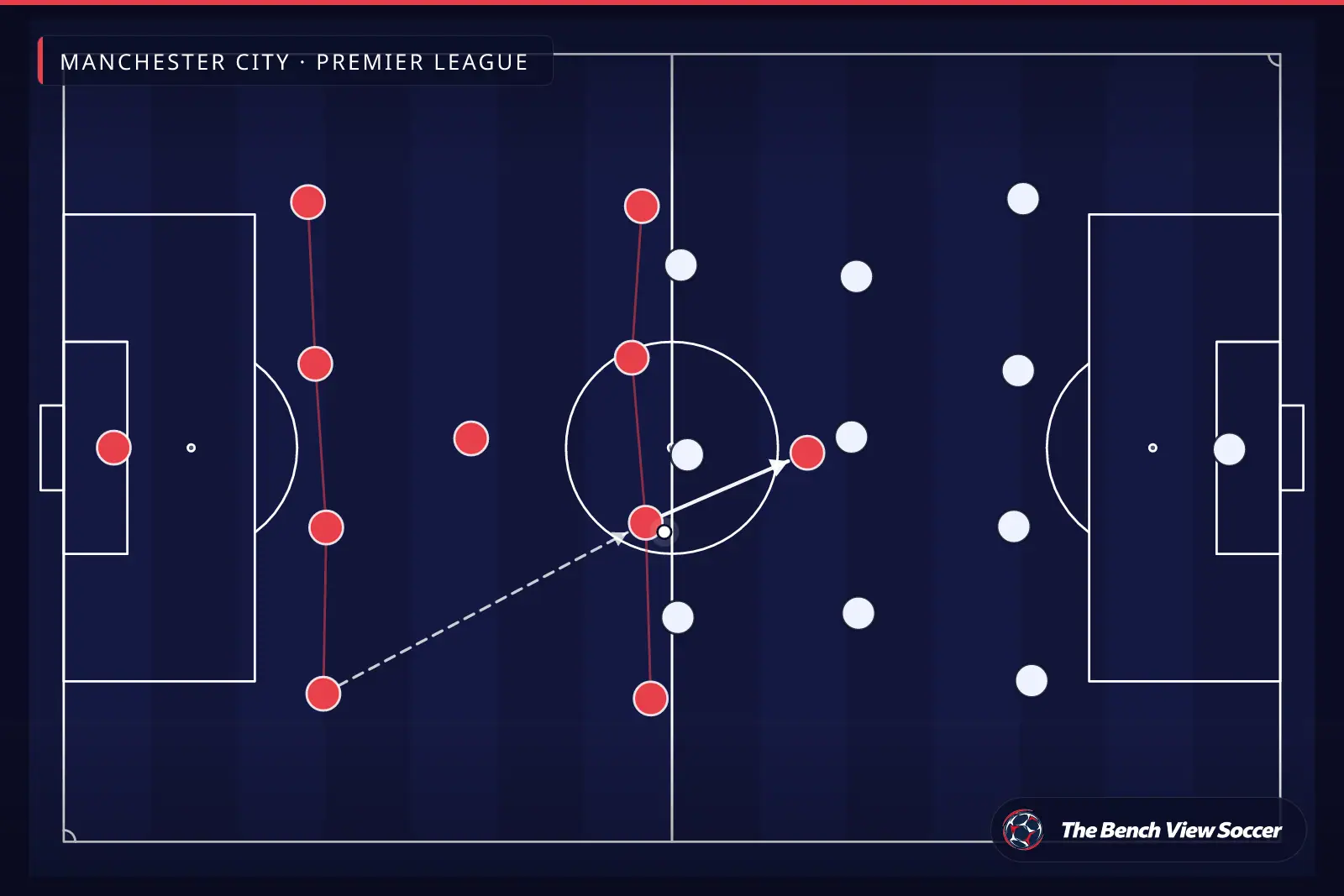
Noise, pressure and young sides: tactical lessons from Villa’s atmosphere and the EFL Trophy results
October 28, 2026
Liverpool end Brighton run at Anfield as Isak, Wirtz and Barcola click under Iraola
October 26, 2026
Palmer sent off for second yellow in Chelsea v Tottenham Premier League clash
October 25, 2026
Jackson double hands Aston Villa 2-1 Premier League win over Manchester City
October 25, 2026