Manchester United halted Manchester City's perfect run in the Women's Super League after Elisabeth Terland struck late to level the derby at 1-1. Khadija Shaw had given City the lead with a second-half strike — her 91st WSL goal on her 100th appearance — before Terland's intervention ensured United earned a point and ended City's winning start.
What happened
The derby finished 1-1 after a second-half goal from Khadija Shaw appeared to have put the defending champions on course for victory. Shaw's strike was notable for being her 91st WSL goal and coming on her 100th appearance in the division. However, Manchester United responded late when Elisabeth Terland scored an equaliser to secure a draw and deny City a continued perfect record in the WSL. Observers and reports also highlighted that United under their new manager were able to interrupt and "put the brakes on" City's winning start.
The tactical reading
The scoreline and sequence of events point to a game in which momentum swung. City's ability to take the lead through a powerful goalscorer suggests they were able to create a high-quality opportunity in the second half, while United's late response indicates resilience and an effective method of keeping pressure late into the match. That comeback pattern typically signals purposeful game management from the team that equalised, often involving strategic substitutions, shifts in tempo or targeted attacking patterns designed to exploit tiring defenders.
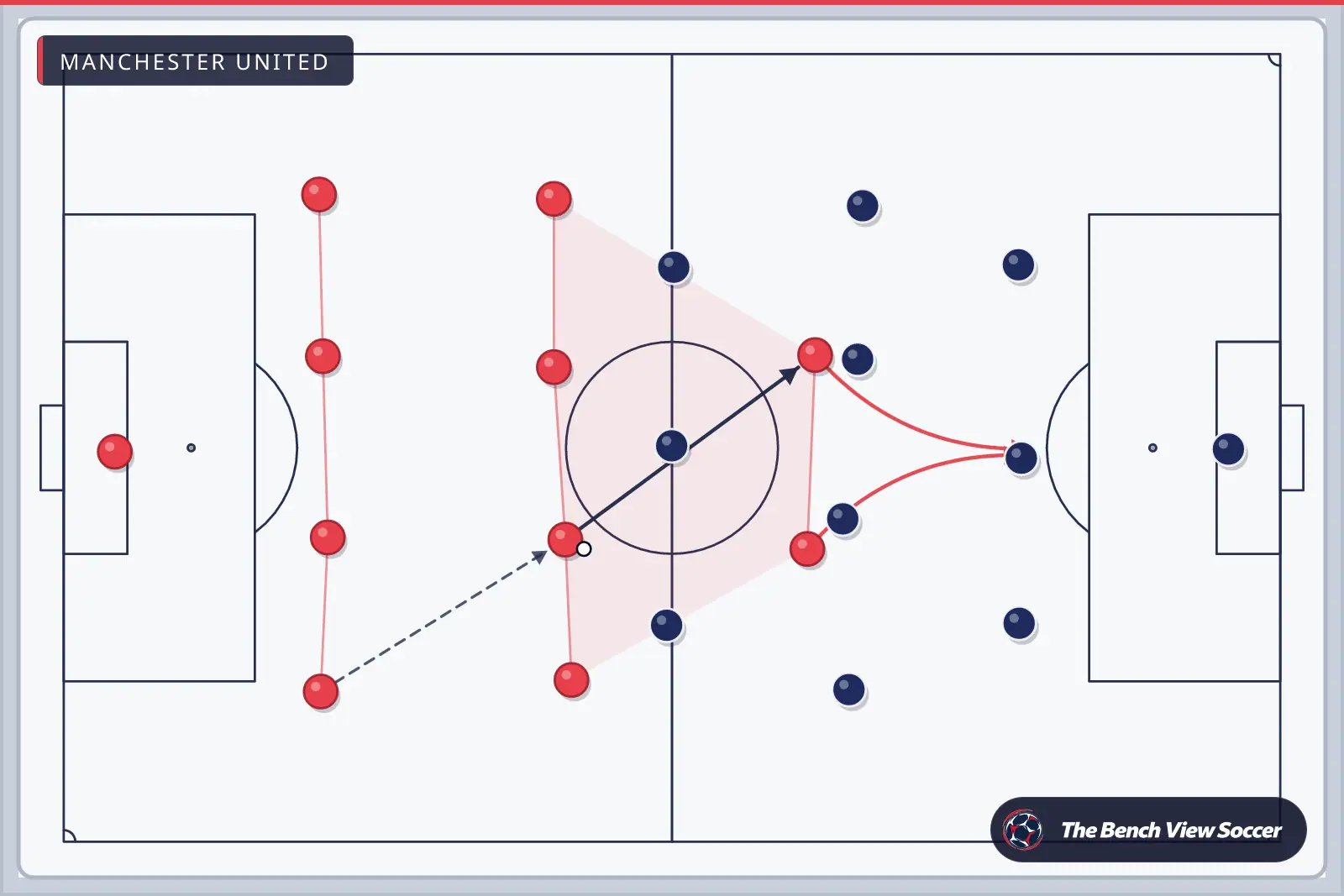
United's ability to earn a point in a derby against the defending champions under a new manager suggests a degree of organisational clarity. In matches where a side is expected to chase, successful late equalisers often come from increasing numbers in advanced areas or by changing the structure to support transitions. This typically requires clear roles from midfielders — who must link phases and sustain pressure — and forwards who can occupy defenders and take chances when they arrive.
From City's perspective, scoring through an established forward on a landmark appearance points to the consistent threat posed by a central striker capable of converting chances. Yet the concession of a late goal also highlights the trade-offs inherent in chasing a win: committing players forward can create spaces that opponents can exploit late, particularly if the defending side is adept at rapid transitions or set-piece scenarios.
The match narrative also suggests a psychological dimension. Ending a near-perfect start for one team and arresting an opponent's momentum are often as much about match management — keeping belief and structure when behind — as they are about specific tactical tweaks. For coaches, the episode underlines the importance of preparing teams to maintain intensity and clarity of roles during the closing stages of tight contests.
Key tactical points
- Late-game management matters: teams that plan for and rehearse scenarios in the closing stages can turn narrow deficits into draws or wins.
- Clear attacking roles from forwards help convert high-quality chances — as seen by a striker reaching notable scoring milestones.
- Committing players forward to secure a lead can expose defensive vulnerabilities that opponents can exploit late on.
- New managerial intervention can change team organisation and mindset quickly enough to affect results, particularly in high-pressure derby environments.
- Maintaining midfield link-up under fatigue is crucial for sustained pressure and creating equalising opportunities late in games.
What to watch next
Will Manchester United's apparent organisational improvements under their new manager translate into consistent late-game resilience in upcoming fixtures? Observers should look for whether United can replicate the composure and structural adjustments that produced a late equaliser against top opposition.
For Manchester City, the question is how they respond to losing their perfect start: will they alter their late-game defensive approach to protect leads, or will they continue to rely on their attacking strengths and accept the trade-offs that can invite late pressure? How they manage game tempo and player allocation in the final phases will be decisive.
Train it
Exercise: 7v7+3 endgame rondo-sprint sequence — designed to rehearse sustaining pressure and managing transitions in the last 10 minutes of a match. Set up a 40x30m grid with two small goals. Play 7v7 with three neutral support players (two offensive, one defensive). After each sequence ends (goal, turnover or ball out), teams must complete a 10-second high-intensity sprint to the opposite end before the coach immediately restarts play. Continue for sets of 5 sequences to simulate repeated high-pressure moments.
- Coaching point 1: Emphasise compactness and clear role definition — midfielders must know when to press, hold shape, or support the front line.
- Coaching point 2: Train quick decision-making in the final third — encourage forwards to occupy channels and midfielders to play decisive forward passes under pressure.
- Coaching point 3: Condition players for repeat high-intensity actions while maintaining technical quality; reward teams that transition effectively from defence to attack after turnovers.
Sources
- BBC Sport: What have Man Utd changed to turn around WSL form?
- The Guardian: Terland strikes late as United end Manchester City’s winning start in WSL
- The Guardian: WSL talking points: Russo to Arsenal’s rescue and Olid makes Manchester United progress
- Sky Sports: City's perfect start ended in derby draw with Man Utd
- BBC Sport: Man City's perfect start over after draw at rivals Man Utd
The Bench View app
Don’t just read football — train it
Everything you read here, turned into training you can follow step by step.
Physical training at home
AI daily sessions adapted to your level and position. No equipment needed.
Tactical training courses
Step-by-step courses on positioning, pressing, build-up and decision making.
- 7 days free
- No commitment
- Cancel anytime
Free account: 2 physical sessions + the first tactical course. PRO: 7-day free trial — cancel before day 8 and you pay nothing.