

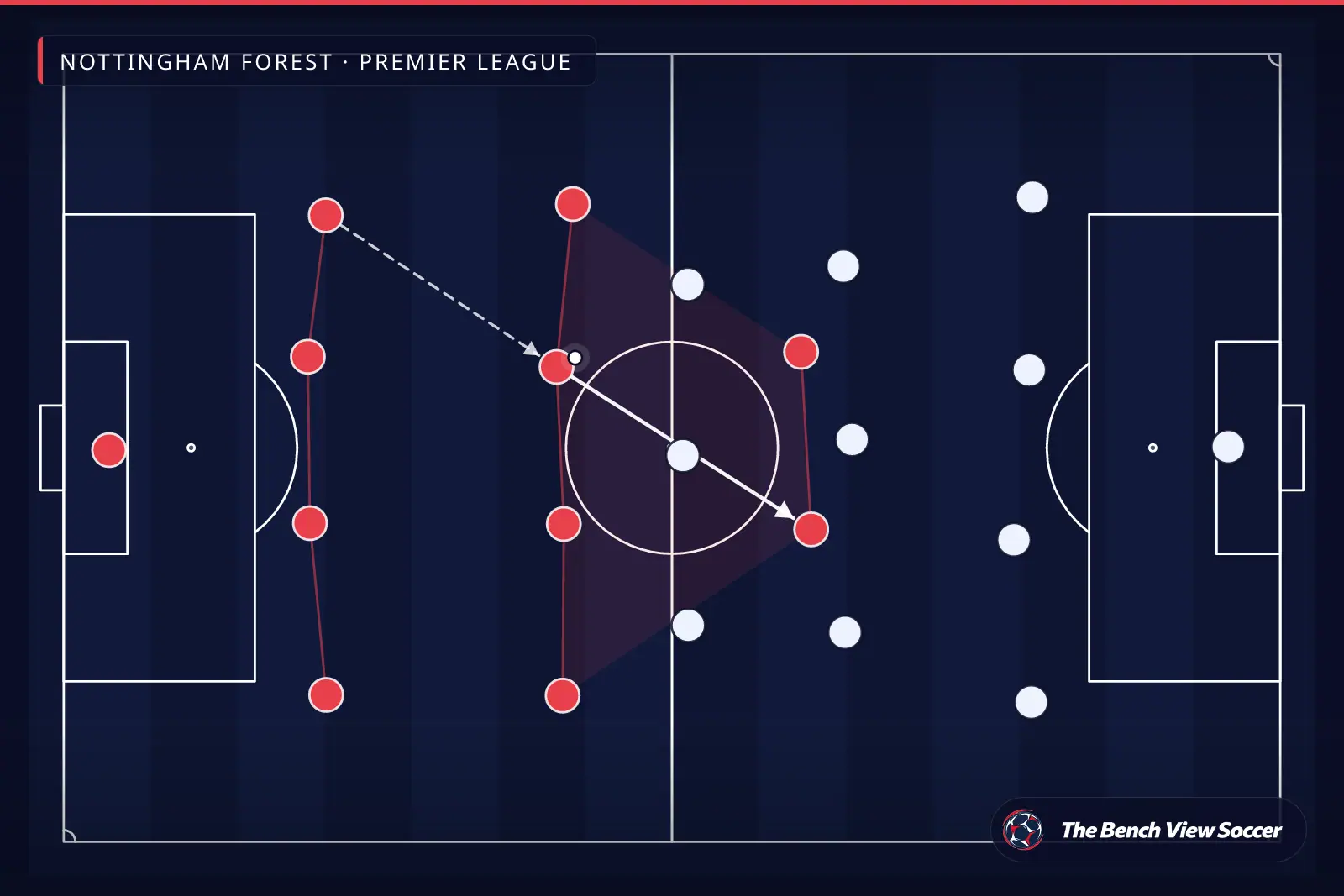
Nottingham Forest sit on five points and five goals after seven matches, a start the Guardian notes is eerily similar to their opening run last season. That previous campaign’s eighth game — a 3-0 home defeat to Chelsea — precipitated the exit of Ange Postecoglou amid wider turbulence; there is no indication the current manager is facing comparable pressure.
What happened
After seven fixtures this season Nottingham Forest have accumulated five points and scored five goals, matching their tally from the equivalent point in the prior season. The Guardian highlights the parallel and recalls that, in the prior campaign, Forest’s eighth match was a 3-0 loss at home to Chelsea which coincided with the end of Postecoglou’s tenure; Postecoglou was the second of four managers to occupy the role that season. The report explicitly states there is no suggestion that current coach Oliver Glasner is under similar scrutiny.
The tactical reading
The statistical repetition — identical points and goals after seven games — suggests that whatever issues affected the side’s offensive output last season have not been fully resolved. A low goals total points to continued problems in chance creation or finishing, which could push a manager to rethink attacking roles or personnel to generate more clear-cut opportunities.
Remembering the upheaval that followed the heavy home defeat last year also underlines how fragile momentum can be at a club with high expectations. The contrasting comment about Glasner’s security suggests the board perceive differences in context or progress; tactically this could allow more time for structural changes in formation or player responsibilities, rather than immediate personnel upheaval. Managers afforded that latitude often focus on incremental adjustments — for example altering pressing triggers, wider positioning or transitional balance — to try to convert a similar points return into improved performances.
Sources
The Bench View app
Don’t just read football — train it
Everything you read here, turned into training you can follow step by step.
Physical training at home
AI daily sessions adapted to your level and position. No equipment needed.
Tactical training courses
Step-by-step courses on positioning, pressing, build-up and decision making.
- 7 days free
- No commitment
- Cancel anytime
Free account: 2 physical sessions + the first tactical course. PRO: 7-day free trial — cancel before day 8 and you pay nothing.
More Analysis
Glasner frustrated as Forest draw at Ipswich after Diop avoids red card
October 24, 2026
Chelsea prepare for Spurs derby as Alonso reflects on Stamford Bridge appointment
October 24, 2026
Forest held to draw at Ipswich after Williams opener and Enciso reply
October 24, 2026
Sage’s Palace under pressure after defensive woes as Jaissle’s Newcastle loom
October 23, 2026