

Bayern Munich suffered a shock defeat as Lille produced two goals in three minutes in the second half to win 2-1, a sequence that included an Aleksandar Pavlovic own goal and followed Dayot Upamecano opening the scoring for Bayern. Ayase Ueda levelled for Lille before the own goal handed the hosts victory.
What happened
The match finished Lille 2, Bayern Munich 1. Bayern took the lead through Dayot Upamecano. Lille responded in the second half with Ayase Ueda bringing the score level, and within a short span Lille were ahead thanks to an Aleksandar Pavlovic own goal. The two Lille goals arrived in a three-minute window in the second half, overturning Bayern's advantage and ending the visitors' unbeaten run.
The tactical reading
The facts point to a game turned by a concentrated scoring burst from Lille rather than a long-term domination across the ninety minutes. A comeback of two goals in three minutes suggests Lille were effective in a compact period of the match, either by exploiting transitional moments or by forcing the opponent into errors under concentrated pressure. The presence of an own goal as the decisive moment also highlights how marginal moments under pressure can determine elite matches.
Upamecano opening the scoring indicates Bayern were able to create danger from a non-attacking source, which typically reflects set-piece threat or involvement of defenders in attacking phases. Conversely, Lille's equaliser and the rapid follow-up expose how a game plan that aims to provoke quick reactions after conceding can be successful: by committing bodies forward or intensifying pressure immediately after going behind, a team can create chaos and capitalize on opponents' momentary disorganisation.
The fact that the two Lille goals came in a tight time window suggests their coach encouraged an aggressive response and that the team executed it effectively. Teams that score quick goals after an opponent strikes often use focussed verticality or overloaded wide areas to unsettle relatively static defensive structures. An own goal in this context implies Bayern were forced into uncomfortable defensive actions — hurried clearances, last-ditch blocks or interventions in crowded penalty areas — rather than controlled, structured defending.
Finally, the result underlines the trade-off between risk and control. Bayern taking an early lead via a defender shows an offensive dimension even from the back, but the quick reversal suggests that maintaining balance after scoring is as important as the initial plan to score. Teams pressing to equalise rapidly can unbalance opponents; the cost for the side that conceded can be a failure to transition back into a stable defensive shape.
Key tactical points
- Rapid response pressure: scoring twice in a three-minute window typically comes from a deliberate, high-intensity response that exploits transitional disorganisation.
- Marginal moments decide games: own goals often follow frantic defensive scenarios where composure and clearance technique are compromised.
- Defenders as attackers: a defender scoring shows set-piece or progressive involvement upstairs can be decisive, but poses balance questions if the team over-commits in attack.
- Momentum swings matter more than possession: a short, effective spell can overturn longer periods of control, so managing psychological and structural reset after conceding is critical.
- Game management after taking the lead: protecting a lead requires a clear plan to avoid getting drawn into the opponent's momentum-building strategies.
What to watch next
In upcoming fixtures, watch how Bayern react in matches where they score first: do they drop deeper and invite pressure, or do they retain forward structure to prevent opponents building immediate momentum? The way they manage the moments after taking the lead will show whether this result prompts tactical adjustments.
For Lille, observe whether the approach that produced a rapid turnaround is repeatable: will they seek concentrated bursts of pressure when trailing, or did this win rely on specific conditions in this match? Their capacity to generate intensity in short windows could become a defining feature if it is preserved.
Train it
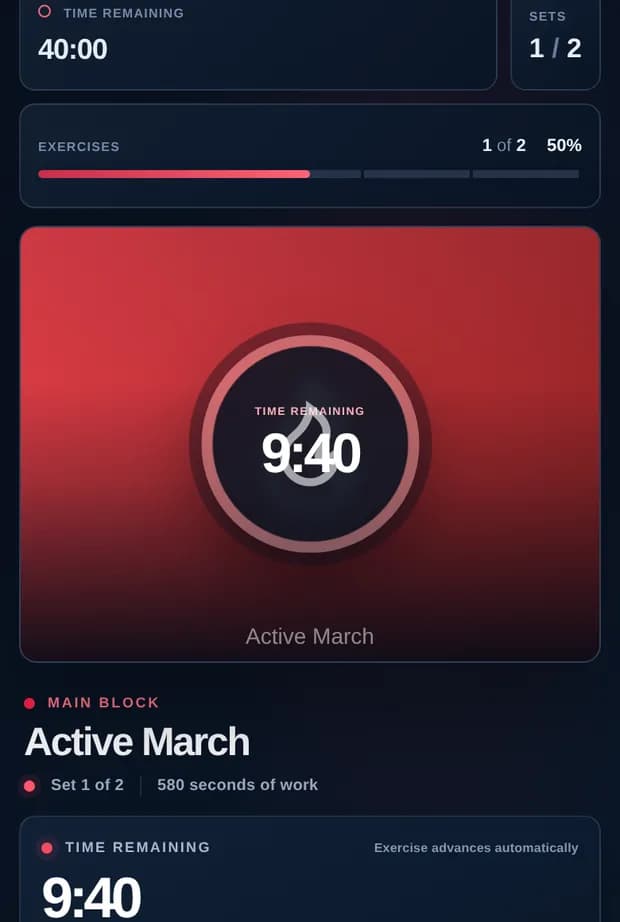
Exercise: "Two-minute pressure" transitional drill — replicate the scenario of needing an immediate response after conceding. Set up a half-pitch exercise where Team A concedes deliberately and then must generate a shot on target within three minutes while Team B resets into a compact defensive phase. Rotate roles so defenders, midfielders and attackers all practice both the press and the reset.
- Coaching point 1: Emphasise speed of ball circulation and verticality for the attacking side; the objective is to move from low to high threat zones within limited time.
- Coaching point 2: For the defending side, focus on controlled clearances, body positioning to avoid forced errors, and quick communication to reorganise after a reset.
- Coaching point 3: Train psychological reset routines — simple verbal cues or structured regrouping steps — so players know how to manage momentum swings and avoid panic-induced mistakes.
Sources
- BBC Sport: Terrible Pavlovic own goal gifts Lille shock win against Bayern
- The Guardian: Champions League: Lille comeback adds to Bayern woes, Gordon leads Barcelona rout
- ESPN: Luis Enrique calls Roma PSG's toughest test of the season after winning streak ends
- ESPN: Luis Enrique insists PSG won't 'start crying' over Doué, Kvara injuries
The Bench View app
Don’t just read football — train it
Everything you read here, turned into training you can follow step by step.
Physical training at home
AI daily sessions adapted to your level and position. No equipment needed.
Tactical training courses
Step-by-step courses on positioning, pressing, build-up and decision making.
- 7 days free
- No commitment
- Cancel anytime
Free account: 2 physical sessions + the first tactical course. PRO: 7-day free trial — cancel before day 8 and you pay nothing.
More Analysis
Late header stings Villa in Istanbul — and raises questions about Emery’s attacking options
November 25, 2026
Match AnalysisArsenal held 1-1 by Dortmund — finishing lapses and game-management lessons
November 25, 2026
Match AnalysisCherki rescue masks wider fluency issues as Man City's machine grinds
November 25, 2026
Match AnalysisDe Bruyne’s return to the Etihad: facts, tactical reading and what coaches can learn
November 24, 2026