Liverpool’s recent defensive recruitment is attracting attention: the club’s capture of Jeremy Jacquet — a signing for which Liverpool reportedly beat Chelsea — is described as thriving at Anfield, while transfer links show Liverpool are also keen on Stuttgart defender Finn Jeltsch. Across the Premier League, Chelsea remain active in the market (linked to Bournemouth’s Alex Scott), and other clubs including Arsenal, Tottenham and Newcastle are monitoring young attacking talent such as Nicolo Tresoldi.
What happened
Reports state Liverpool completed the signing of Jeremy Jacquet, beating Chelsea to the transfer. Follow-up coverage says Jacquet is thriving after joining Liverpool. Separately, Liverpool are reported to be keen on Stuttgart defender Finn Jeltsch. Other transfer activity in the reporting mentions Chelsea’s continuing interest in Bournemouth’s Alex Scott and that Arsenal, Tottenham and Newcastle are among clubs keeping tabs on Germany striker Nicolo Tresoldi.
The tactical reading
The narrative around Jacquet and the reported interest in Finn Jeltsch together suggest Liverpool are prioritising investment in defensive options. A club that both signs and seeks defenders in the same window typically wants depth, competition and possibly different profiles within the back line. The fact Jacquet is described as thriving indicates the player has adapted well to his environment and that Liverpool’s coaching setup has been able to integrate him quickly — a useful sign when clubs recruit young or unproven defenders.
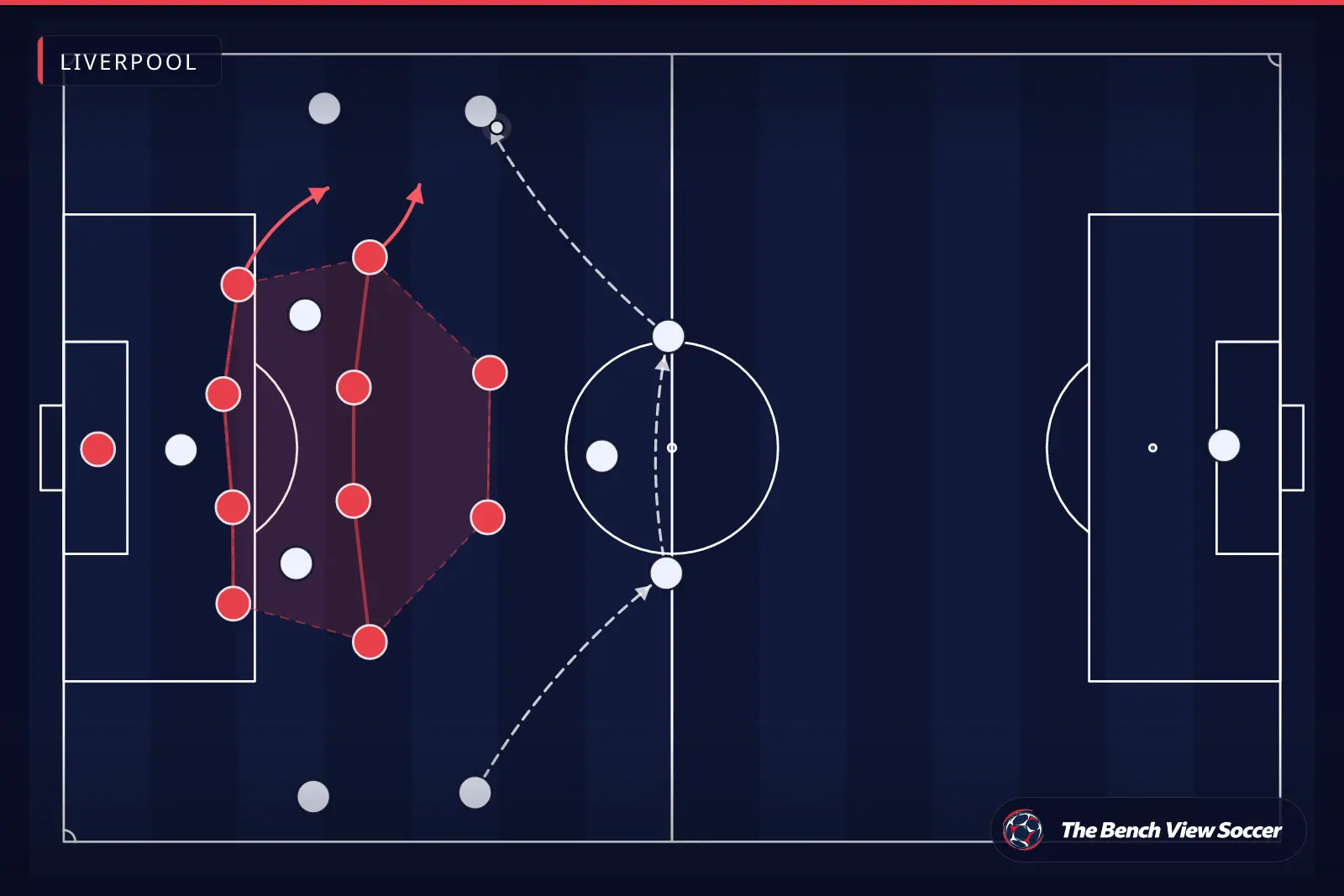
Recruiting multiple defensive profiles points to a desire for tactical flexibility. One signing that settles in gives the manager confidence to exploit a player’s particular strengths — whether that means a centre-back more comfortable in possession, a more physical presence, or someone who can step into wider or higher pressing roles. Pursuing another defender such as Jeltsch suggests the club wants additional attributes or insurance against form loss, rotation for fixture congestion, or differing match demands.
From a coaching perspective, integrating young defenders into a senior setup is about defining clear role responsibilities and managing risk. A newcomer who 'thrives' is likely benefiting from a structured introduction: defined defensive zones, simplified build-up responsibilities, and progressive exposure to higher-intensity tactical tasks. That pathway points to a club environment capable of accelerating a player’s readiness without destabilising team cohesion.
Finally, the wider transfer market context — with Chelsea still active and other top clubs monitoring young attackers — intensifies the competition for talent. This dynamic affects tactical planning. Coaches must prepare for squad rotation and possible mid-season changes in personnel, while players need to adapt to shifting competition for places. A club that successfully brings through a new defender while keeping other options open is matching short-term team needs with long-term succession planning.
Key tactical points
- Depth allows tactical variation: Signing multiple defenders provides options to switch between defensive profiles (e.g., possession-oriented vs. direct defending) without a complete system reset.
- Integration matters: Rapid adaptation for a newcomer typically requires structured introductions — clear responsibilities, zonal boundaries and phased game-time increases.
- Competition raises standards: Bringing in players who compete for the same role can improve training intensity and decision-making under pressure.
- Role clarity reduces risk: When a young defender is given a defined job within the defensive unit, it reduces errors that stem from uncertainty about when to press, cover or carry the ball.
- Succession planning affects tactics: Targeting different defensive profiles indicates a club is preparing for multiple scenarios — injuries, form fluctuations, or opponent-specific game plans.
What to watch next
Watch whether Liverpool progress from interest to recruitment for players like Finn Jeltsch and how that affects selection patterns. If additional defensive signings arrive, it will be telling to see which roles they are slotted into: do they displace current starters, provide specialist cover, or enable a tactical shift in how the back line engages in build-up and pressing?
Also observe the deployment of Jeremy Jacquet over coming matches. The ways he is used — minutes, partnerings, and situations where he is selected — will reveal what tactical functions the coaching staff value in him and whether the club’s recruitment strategy is aiming for versatility or specific trait reinforcement.
Train it
Drill: Progressive defensive unit rondo — build from simple shape control to dynamic cover and recovery. Start with a compact 6v2 rondo that emphasises positioning and short passing, and progressively add attacking players and larger passing distances to force the defensive unit to work on cover, communication and recovery runs.
- Coaching point 1: Begin with strict zonal discipline — defenders must maintain line integrity and clear roles (press, cover, balance) before allowing more freedom.
- Coaching point 2: Introduce transitional scenarios that require the defensive unit to shift compactness quickly and communicate when the ball is turned over.
- Coaching point 3: Reward composure in possession for the defensive side — when defenders successfully reset the rondo under pressure, increase the required passing sequences to encourage calm build-up.
Sources
The Bench View app
Don’t just read football — train it
Everything you read here, turned into training you can follow step by step.
Physical training at home
AI daily sessions adapted to your level and position. No equipment needed.
Tactical training courses
Step-by-step courses on positioning, pressing, build-up and decision making.
- 7 days free
- No commitment
- Cancel anytime
Free account: 2 physical sessions + the first tactical course. PRO: 7-day free trial — cancel before day 8 and you pay nothing.