

Manchester City host Fulham to kick off Saturday's Premier League action as club football returns following the final international break of 2026. Broad live coverage prepared for the fixture includes team-news updates.
What happened
Club soccer across Europe resumed this weekend after the last international break of 2026. The opening match of Saturday's programme sees Manchester City host Fulham in a Premier League fixture. Media outlets flagged the matchup as the early kickoff, and live team-news coverage was available in the build-up.
The tactical reading
That this game is the first match back after the final international break suggests both squads will be managing players who returned from national team duty and integrating any last-minute fitness or rhythm issues. Early-season or mid-season matches immediately after breaks typically expose which teams have used the pause to reinforce tactical clarity and which have relied on individual players to regain sharpness.
The home team status for Manchester City points to a likely emphasis on controlling possession and dictating the structure of the match, while Fulham as visitors would typically plan to manage that pressure and look for moments to exploit transitions. This dynamic, common in host-vs-visitor Premier League matches, creates a tactical duel between a team aiming to compress space through high involvement and a side seeking to defend compactly and counter in numbers.
From a structural perspective, matches reopening after a break often reveal which roles in the side have retained continuity and which require adjustment. Coaches are likely to be attentive to how midfield link players cope with restart speed, how defensive lines coordinate as a unit under renewed intensity, and how wing players handle one-on-one duels that can decide transition success. The reference to team-news coverage underlines the importance of last-minute selection choices and how they shape in-game tactical options.
Finally, there are trade-offs implicit in the post-break environment. Teams pushing to dominate possession risk leaving their full-backs exposed if opponents succeed in quick vertical transitions. Conversely, operators who cede possession to absorb pressure must balance compact defending with the need to create outlets on the counterattack. The early kick-off status may compound these trade-offs because an immediate tempo battle can penalise sides whose preparation or personnel are not yet fully tuned.
Key tactical points
- Manage restart sharpness: selecting players who have maintained match rhythm during international duty versus those rested in training is a key early decision.
- Possession control vs transition vulnerability: a home side aiming to dominate must plan for opponent counters that exploit space behind advanced full-backs or between midfield lines.
- Midfield cohesion matters most after breaks: link players who can quickly re-establish passing tempo determine ability to relieve pressure.
- Compactness and trigger discipline: visiting teams that defend in numbers need clear triggers for pressing and transitioning to counterattack.
- Late team-news adjustments can alter game plans: coaches should have contingency plans if last-minute changes force different personnel or shapes.
What to watch next
Watch how both coaches handle selection and early match intensity — do they opt for players with recent match minutes or those rested through camp? The answers will indicate whether the priority is immediate tempo control or cautious re-introduction of rhythm.
Also observe the first clear transitions: when one side loses possession, how quickly do the others exploit the spaces left by advanced attackers or full-backs? Those sequences typically show which tactical approach is functioning and whether the pre-break training emphasis carried over into competitive sharpness.
Train it
Exercise: 6v6+2 progression drill focused on possession under pressure and quick transition outlets. Start with a possession phase where the 6-man team keeps the ball against 2 neutrals and 6 defenders; on a turnover the neutrals immediately become attacking outlets for a counter transition. This drill links control of build-up tempo with rapid decision-making when possession is lost.
- Coaching point 1: Emphasise short, sharp passes in possession and encourage midfielders to scan for transition triggers — heads up before the next action.
- Coaching point 2: Train defenders and full-backs to recognise when to step to press and when to hold a line to prevent exploitation of behind-space.
- Coaching point 3: Reward quick exploitation of the neutrals on turnovers — encourage immediate vertical passes to stretch the defence and test transition organisation.
Sources
The Bench View app
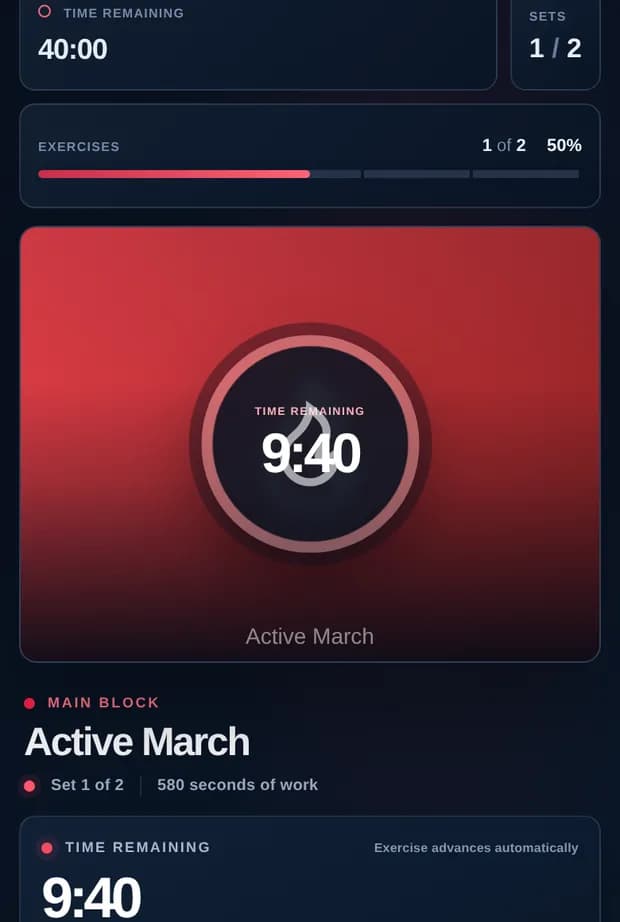
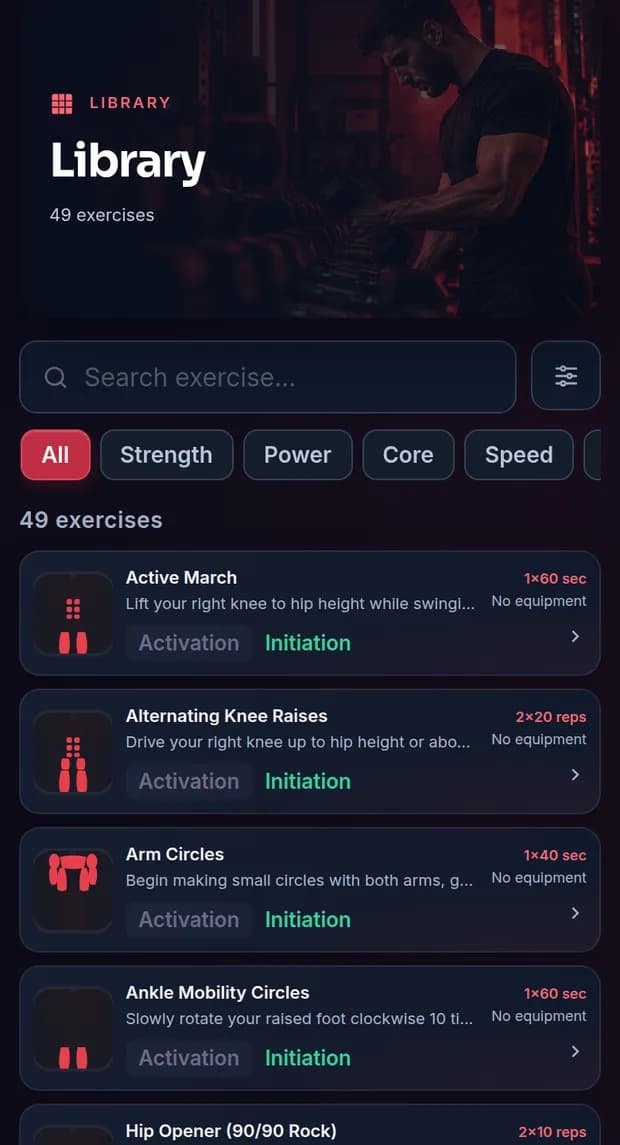
Don’t just read football — train it
Everything you read here, turned into training you can follow step by step.
Physical training at home
AI daily sessions adapted to your level and position. No equipment needed.
Tactical training courses
Step-by-step courses on positioning, pressing, build-up and decision making.
- 7 days free
- No commitment
- Cancel anytime
Free account: 2 physical sessions + the first tactical course. PRO: 7-day free trial — cancel before day 8 and you pay nothing.
More Analysis
Kane sidelined for months, Saka’s return uncertain — tactical lessons from two high-profile absences
November 21, 2026
Team StudyArteta’s FPL warning exposes wider tactical risk — how squad selection leaks shape match prep
November 20, 2026
Team StudyDecisions on Araújo, Iraola’s early chapter and how Liverpool must balance transfers and tactics
November 20, 2026
Match AnalysisPochettino’s Anfield baptism: pressure, intent and what United must show
November 19, 2026