

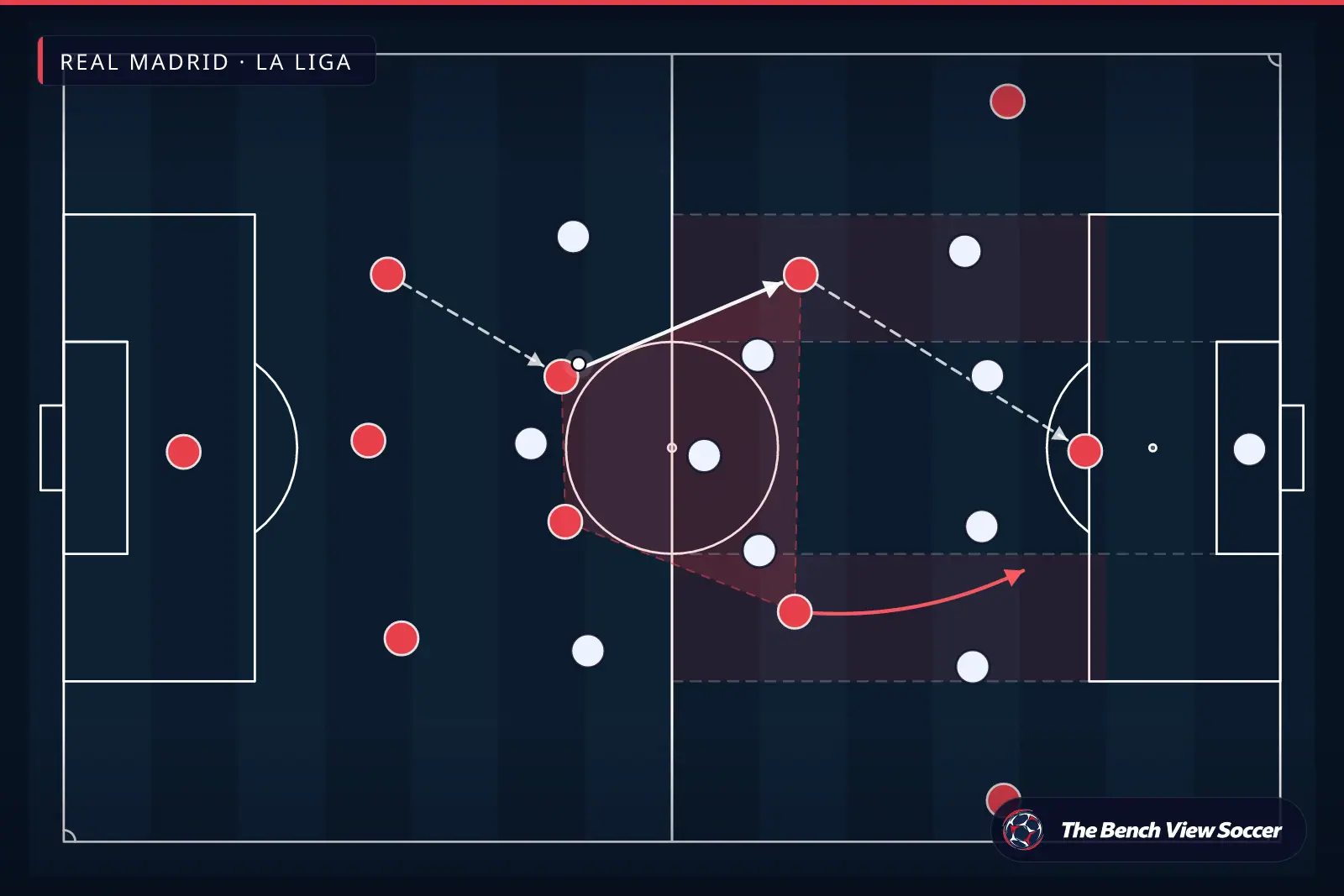
Real Madrid won 2-1 at Barcelona thanks to a Kylian Mbappé double, overturning a Raphinha equaliser and sealing the game with a late finish created by Jude Bellingham and Eduardo Camavinga. The decisive sequence came with just three minutes remaining, when a Bellingham moment of skill enabled Camavinga to break free, beat Pau Cubarsí and supply Mbappé for the winner.
What happened
At the Camp Nou, Kylian Mbappé scored twice to give Real Madrid a 2-1 victory over Barcelona. Barcelona had levelled through Raphinha at some point during the match before the late events. The winning move was constructed from a Bellingham action that released Eduardo Camavinga. Camavinga sprinted away, evaded Pau Cubarsí and provided a pull-back for Mbappé to finish. The match provided a dramatic late turn, with the decisive goal arriving when only a small amount of time was left on the clock. José Mourinho, back in the Camp Nou environment 13 years after a previous notable appearance, celebrated the result emphatically.
The tactical reading
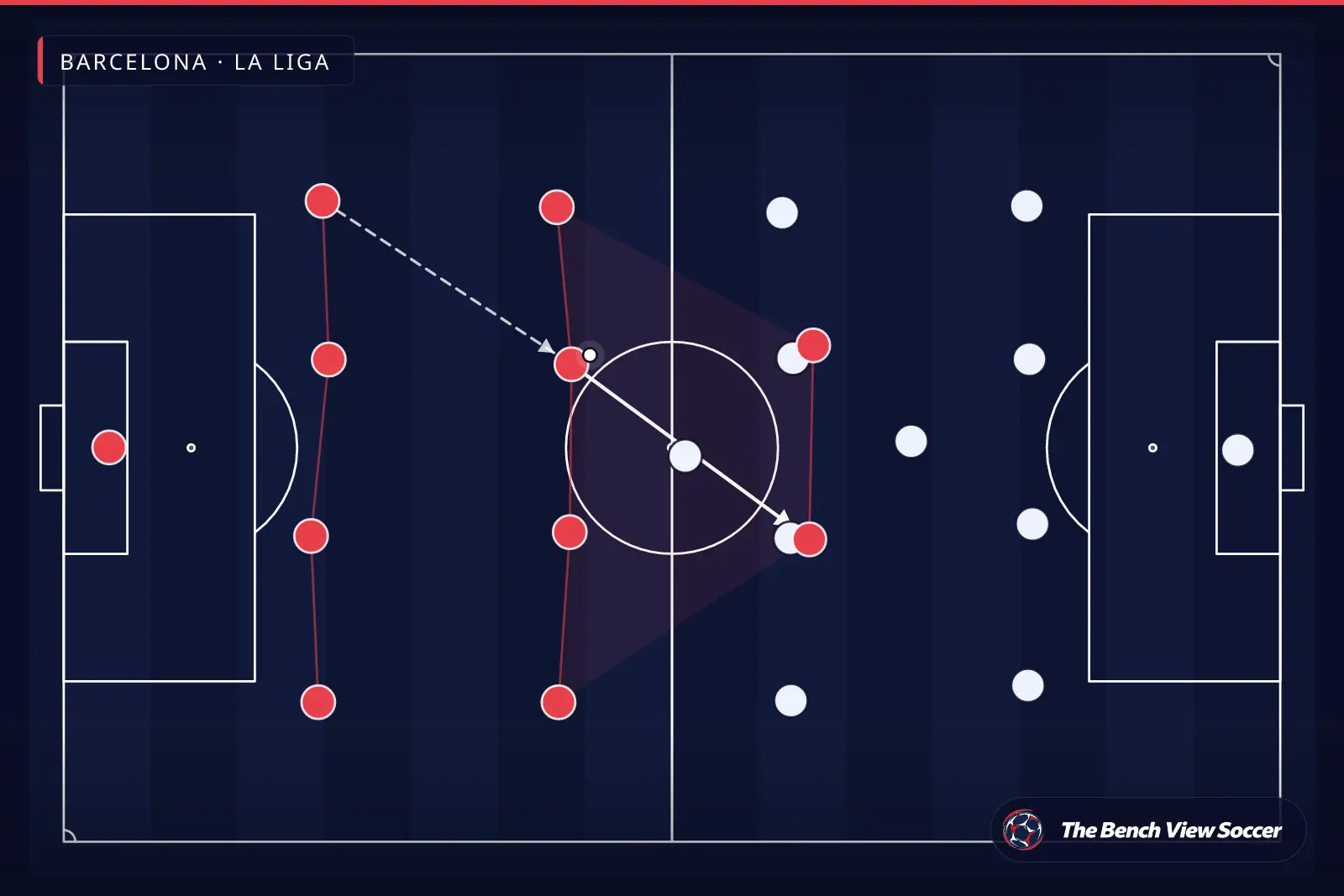
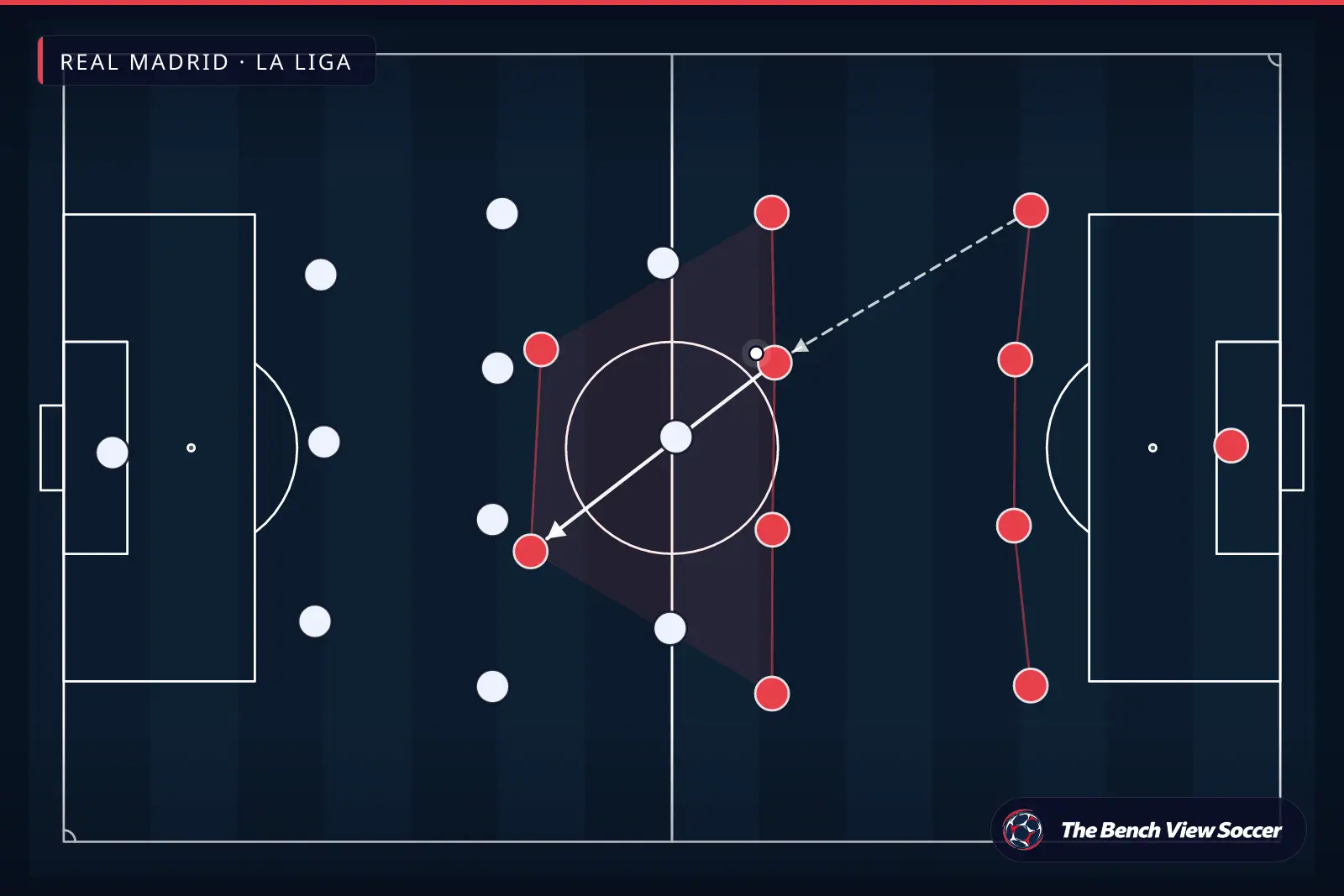
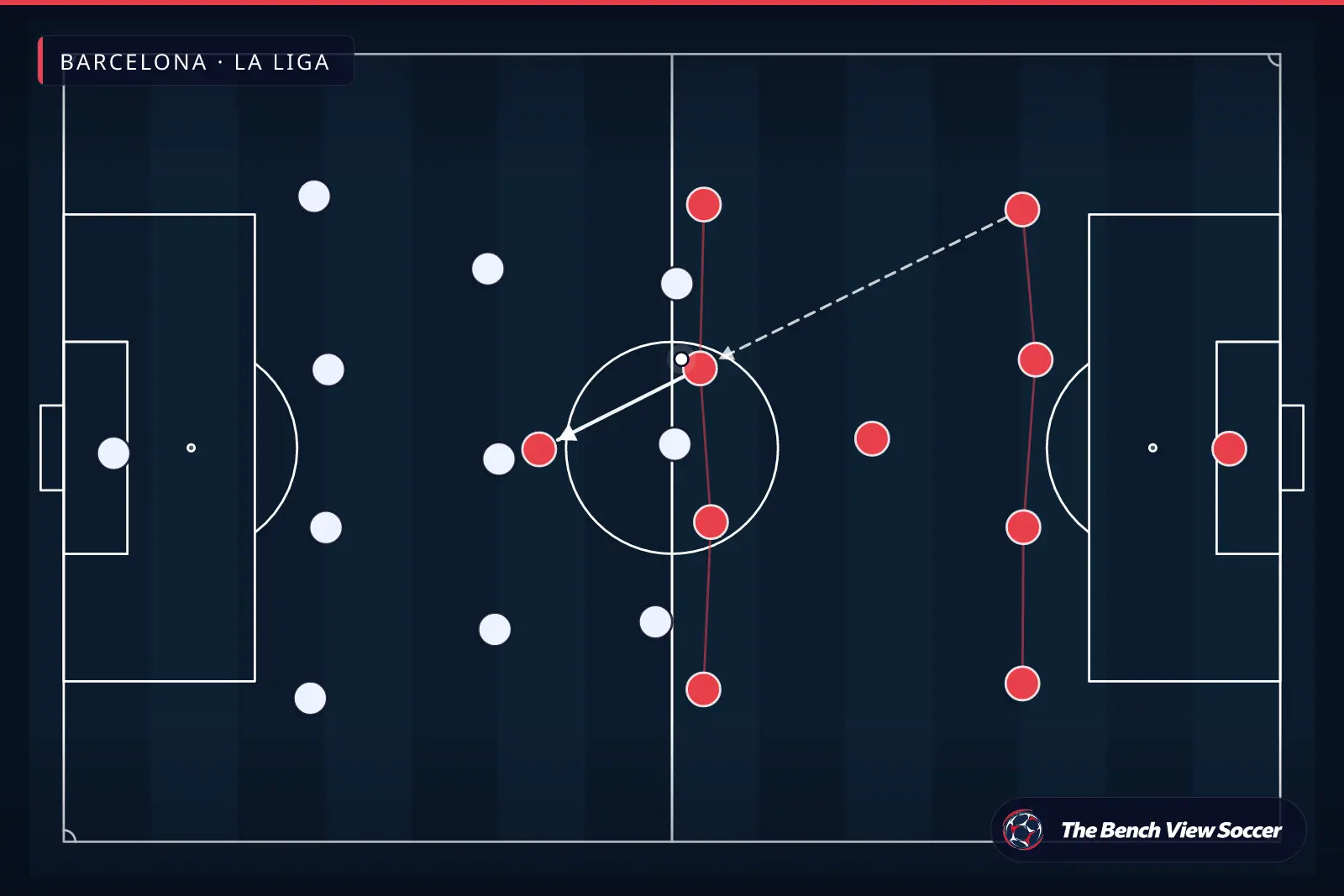
The decisive sequence and the match context suggest a Real Madrid profile centred on transitional threat and midfield dynamism. The fact that a Bellingham moment started the move points to his role as a creative fulcrum: capable of holding possession under pressure, producing a forward pass or beat that unlocks congested areas, and linking to more direct runners. That action created space in front of the defensive line, which Camavinga exploited by sprinting free — indicating that Real are willing to mobilise midfield runners beyond the front two rather than rely solely on wide overloads.
Camavinga’s sprint and ability to beat Pau Cubarsí before delivering the final pass highlights a dual-role expectation of certain midfielders: they must both carry the ball into dangerous channels and execute precise end-product under pressure. This suggests Real were asking midfielders to arrive late into the attacking phase, occupying half-spaces and dragging defenders out of position so that a finishing forward — in this case Mbappé — can exploit the penalty area. The pull-back finish implies a preference for low-percentage but high-reward combinations near goal rather than protracted positional build-up in the final third.
Mbappé’s double, including the late winner, points to the importance of a clinical forward who can convert both sustained pressure and quick transition opportunities. The structure implied by the sequence is one where quick vertical triggers from central positions (Bellingham to Camavinga) create running lanes for attacking forwards, and where the forward's job is to occupy central defenders and be ready for late, short service. Against a team that produced an equaliser through Raphinha, Real’s approach appears to balance reactive defending with planned, late offensive surges.
There are clear trade-offs apparent in this tactical profile. Pushing midfield runners forward invites vulnerability if the initial ball is turned over, while relying on individual moments of skill to create openings can be inconsistent. However, the method also compresses phases of play in moments of transition, maximising chances in short windows — particularly late in games when space opens as opponents push for a result. Mourinho’s team, in this instance, benefited from committing midfield resources to attack in a controlled manner, trusting individual technical quality to finish off a decisive sequence.
Key tactical points
- Midfield-to-attack triggers: a central creative action (Bellingham) can unlock compact defences by immediately releasing runners into space.
- Late midfield arrivals: midfielders who sprint into half-spaces and the box create overloads and draw defenders away from forwards.
- Direct final delivery: a low, pulled-back service from a runner into the box is an effective way to finish transitions when central space opens.
- Clinical forward presence: a striker or front-runner who can finish from tight, late-delivered chances rewards teams that prioritise quick, vertical combinations.
- Risk-reward balance: committing midfielders forward increases attacking potency but requires disciplined recovery responsibilities to limit counter-threats.
What to watch next
In upcoming matches, watch whether Real Madrid continue to use central creative triggers to free midfield runners into half-spaces, and whether opponents adapt by marking those runners more aggressively or dropping extra cover into the channels. Pay attention to how Camavinga-type players are managed by opposing full-backs and centre-backs: do they concede the pull-back lanes, or do they close them down sooner?
Also observe Mbappé’s positioning and movement when midfielders surge forward. Does he consistently occupy central defenders to create room for runners, or does his movement pull defenders laterally to create different angles of service? These small spatial interactions will indicate whether this late strategy is a one-off response or a repeatable tactical pattern.
Train it
To replicate the midfield-trigger-to-run sequence, use a 6v6+2 progression: two neutral attackers (simulating Bellingham and Camavinga) combine with a striker to practice the unlock, sprint and final delivery under time pressure. Start wide and force the team to create the vertical trigger, then allow the runner to sprint into the half-space to deliver a pull-back to the striker for a finish.
- Coaching point 1: emphasise the timing of the trigger pass — it should arrive just as the runner commits to the sprint to maximise separation from defenders.
- Coaching point 2: train the runner to take the ball at speed and face forward, with a controlled but low delivery into the striker’s feet or path.
- Coaching point 3: instruct the striker to occupy central defenders and anticipate delayed service; practise first-time finishes from short pull-backs.
Sources
- The Guardian: Mbappé double secures Real Madrid late victory at Barcelona after Raphinha leveller
- Sky Sports: Mbappe's late strike earns Mourinho and Real Clasico glory at Barca
- BBC Sport: Mourinho keeps Clasico midas touch 13 years on as La Liga heats up
- The Guardian: Barcelona 1-2 Real Madrid: El Clásico – live reaction
- Sky Sports: Barcelona vs Real Madrid LIVE!
The Bench View app
Don’t just read football — train it
Everything you read here, turned into training you can follow step by step.
Physical training at home
AI daily sessions adapted to your level and position. No equipment needed.
Tactical training courses
Step-by-step courses on positioning, pressing, build-up and decision making.
- 7 days free
- No commitment
- Cancel anytime
Free account: 2 physical sessions + the first tactical course. PRO: 7-day free trial — cancel before day 8 and you pay nothing.
More Analysis
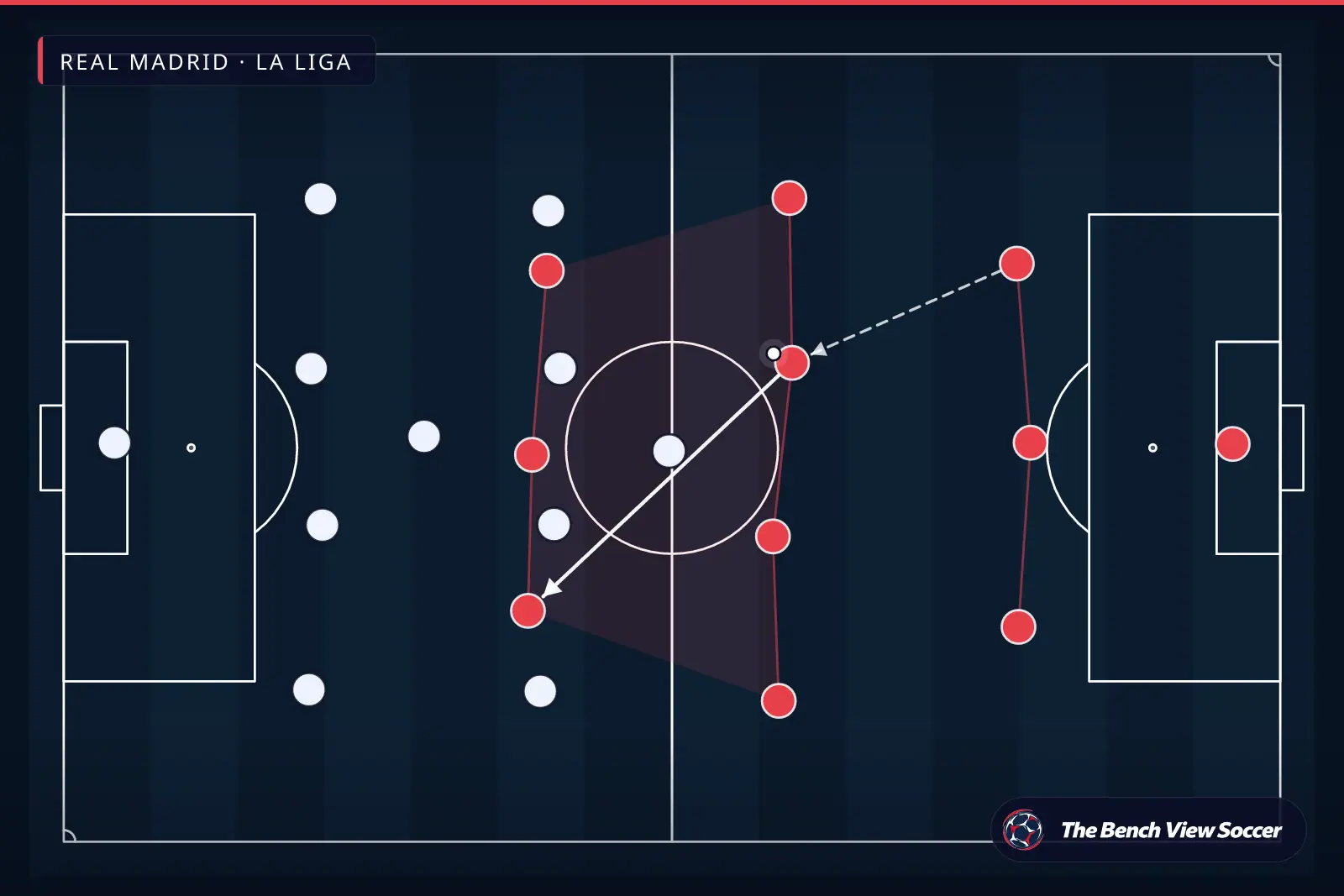
Mourinho returns to Camp Nou as Madrid look to halt Barcelona’s run
October 25, 2026
Yamal’s late magic helps Barça see off Betis in Seville
October 19, 2026
Mbappé shines as Real Madrid rout Sevilla in LaLiga
October 19, 2026
Yamal among five scorers as Barcelona prevail in seven-goal thriller
October 18, 2026