Introduction
Playing between the lines is a crucial tactical concept that can transform the dynamics of an attacking midfielder's game. This area, often overlooked, is where creativity meets opportunity, enabling players to exploit spaces that defenders leave vulnerable. When performed correctly, it can facilitate quick transitions, create goal-scoring chances, and maintain possession under pressure. Understanding how to navigate this space effectively is essential for any budding attacking midfielder. In this article, we will delve into the intricacies of playing between the lines, explore its tactical significance, and provide practical training implications.
Tactical Breakdown
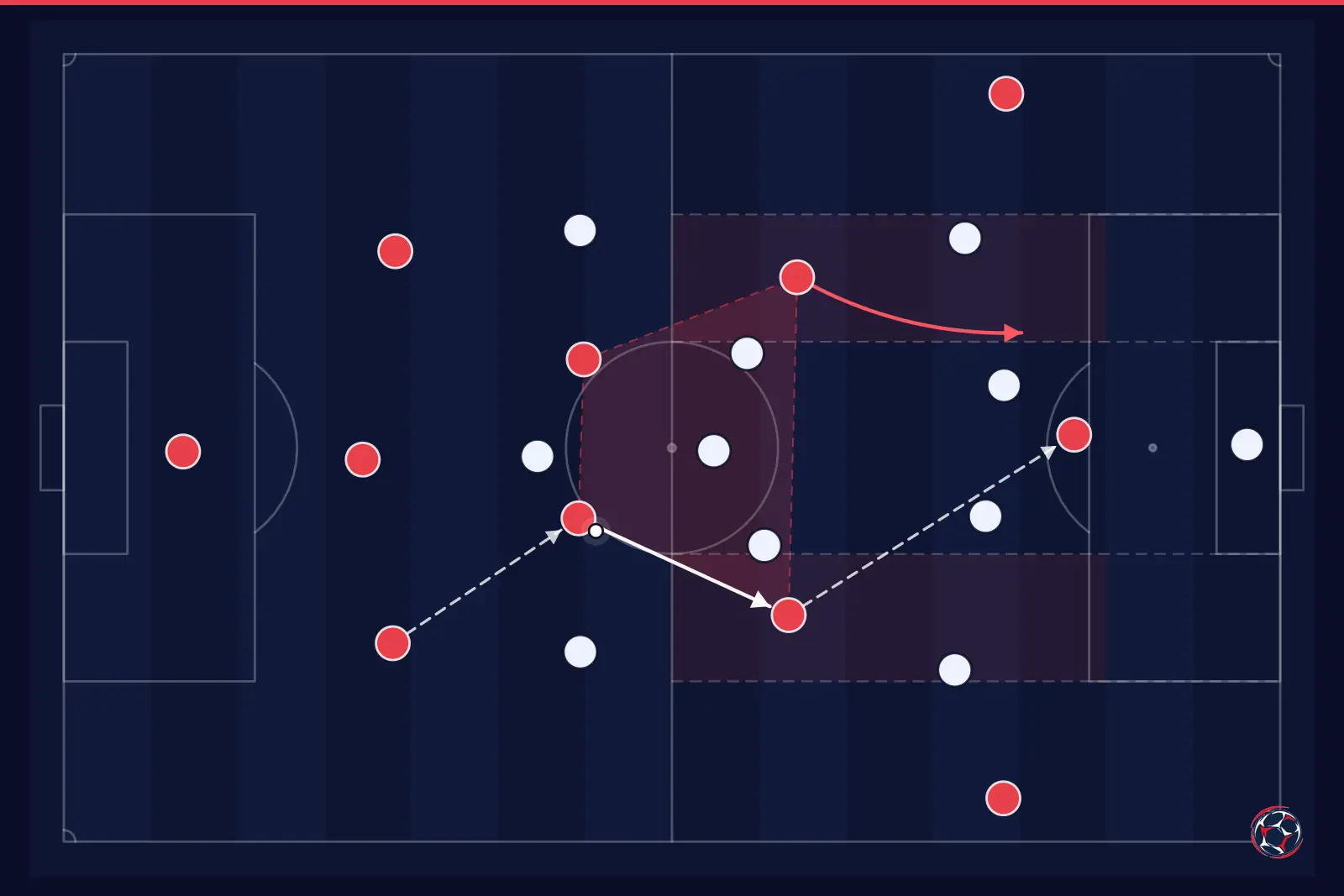
At its core, playing between the lines involves positioning oneself in the spaces between the opposition's defensive and midfield lines. For an attacking midfielder, this requires intelligence, awareness, and the ability to read the game. Key aspects include:
- Positioning: The player must find pockets of space to receive the ball without being tightly marked. This often means moving laterally or dropping deeper to create angles.
- Timing: The timing of movements is critical. An effective attacking midfielder must anticipate when to make runs or hold their position based on the movement of the ball and defenders.
- Decision Making: Once in the space, the player should quickly assess options—whether to dribble, pass, or shoot. This rapid decision-making can lead to quick breaks or sustained attacking pressure.
Elite players like Kevin De Bruyne and Bruno Fernandes excel in this role, using their vision and technical skills to exploit the spaces between lines and create opportunities for their teammates.
Real Match Examples
To illustrate the effectiveness of playing between the lines, let's examine a couple of elite teams in action:
- Manchester City vs. Liverpool (2022): In this thrilling encounter, Kevin De Bruyne consistently found space between Liverpool's midfield and defence, allowing him to orchestrate attacks. His ability to receive the ball in tight spaces led to several goal-scoring opportunities, highlighting how crucial this tactic can be in high-stakes matches.
- Manchester United vs. Chelsea (2023): Bruno Fernandes showcased his ability to play between the lines by frequently dropping into pockets of space. This movement disrupted Chelsea's defensive shape, creating openings for Rashford and Martial to exploit. Fernandes’ decision-making in these moments was pivotal in Manchester United securing a significant victory.
Key Principles
Key Principles for Coaches
- Encourage Spatial Awareness: Train players to recognize and exploit spaces between defensive lines.
- Prioritize Decision Making: Develop drills that enhance quick thinking and creativity in tight situations.
- Facilitate Movement Patterns: Design exercises that promote intelligent movement off the ball, allowing players to find space.
- Utilize Game Situations: Incorporate small-sided games that simulate real match scenarios to reinforce these concepts.
Training Implications
Incorporating the concept of playing between the lines into training sessions can significantly enhance an attacking midfielder's effectiveness. Here are some practical ways to implement this tactical focus:
- Positional Games: Set up small-sided games where players must find and exploit spaces between lines. Encourage quick passing and movement to enhance decision-making.
- Shadow Play: Utilize shadow play to demonstrate the importance of positioning. Have players practice moving into and out of space while receiving the ball under pressure.
- Match Simulations: Create drills that mimic real match conditions, allowing players to practice their movements and decision-making in realistic scenarios.
By emphasizing these training techniques, coaches can develop players who are not only tactically aware but also capable of executing this vital skill on the pitch.
The Bench View app
Don’t just read football — train it
Everything you read here, turned into training you can follow step by step.
Physical training at home
AI daily sessions adapted to your level and position. No equipment needed.
Tactical training courses
Step-by-step courses on positioning, pressing, build-up and decision making.
- 7 days free
- No commitment
- Cancel anytime
Free account: 2 physical sessions + the first tactical course. PRO: 7-day free trial — cancel before day 8 and you pay nothing.