

Portugal beat Wales 3-2 in Cardiff in a Nations League match that saw Chelsea's Pedro Neto both score and be sent off, and ended with Carlos Forbs, a second-half substitute wearing Portugal's new No 7, delivering a 70th-minute winner. The result confirmed Wales finished bottom of their Nations League group, but boss Craig Bellamy said his team showed they belong at the top level. Wales made the game without right-back Neco Williams and with goalkeeper Karl Darlow a doubt.
What happened
The match in Cardiff produced a five-goal thriller that ultimately favored Portugal 3-2. Chelsea forward Pedro Neto was directly involved in the scoreline and also picked up a red card during the game. Portugal introduced Carlos Forbs from the bench in the second half; Forbs scored what proved to be the decisive goal in the 70th minute. The result gave Portugal their first victory in the post-Cristiano Ronaldo era. For Wales, the defeat completed a Nations League campaign that left them bottom of their group. Ahead of the game Wales were missing Neco Williams at right-back and had doubts over goalkeeper Karl Darlow.
The tactical reading
The basic facts point to a high-variance contest: five goals, a sending-off, and a substitute deciding the tie. Matches with those ingredients typically hinge on transitions, set-piece management around a numerical imbalance, and how teams adapt their shape after a red card. The presence of a substitute winner suggests Portugal were able to find fresh attacking impetus from the bench, while Wales both created enough to score twice and ultimately conceded a late decisive goal.
Portugal's ability to keep producing attacking output despite losing a player implies they had structural options to maintain forward momentum. Bringing on a forward who scored the winner suggests the coach trusted a player with direct goal threat to exploit space, possibly targeting the channels left by Wales' defensive adjustments. When a team scores after making a substitution, it often points to either a tactical tweak—shifting to more direct attacking shapes—or the benefit of a fresh, pacey attacker against tiring defenders.
Wales' campaign context and the absence of Neco Williams suggest there were defensive adjustments at right-back. Missing a regular full-back forces alternative personnel and can change how a team defends the flanks, manages overlaps, and supports wide transitions. The doubt over the goalkeeper position also introduces a variable for a defensive unit's communication and set-piece coordination. That Wales still reached opportunities to score twice shows their attacking structure retained potency, but the concession of three goals (including a late one from a substitute) points to vulnerabilities in dealing with changes in opponent structure and game state.
The red card to Pedro Neto is pivotal tactically. When a team loses a player, it must decide which area to compress and where to accept less coverage; the opponent chooses how to exploit the newly created space. Portugal's eventual victory despite playing with ten men suggests their reorganization prioritized keeping an attacking threat, allowing them to capitalize when Wales' adjustments created exploitable gaps. Conversely, Wales' task after the sending-off was to balance pressing the numerical advantage while avoiding becoming exposed to the counterplay of an opponent reliant on fresh attackers, a balance they ultimately did not strike fully.
Key tactical points
- Substitutions can change a match decisively: introducing an attacker with fresh legs can exploit tired defenders and altered defensive shapes.
- Playing with ten men forces choices about where to compress; teams that retain an attacking outlet can still win if they prioritize efficient defensive structure and counter patterns.
- Squad absences at full-back and goalkeeper increase the need for clear defensive communication and pre-planned contingency roles for wide play and set-piece coverage.
- When a match becomes fractured by cards and substitutions, transitions (both defensive recovery and offensive quick breaks) become the primary battleground.
- Second-half tactical shifts—whether personnel or formation—are often decisive in close matches and must be rehearsed to be effective under pressure.
What to watch next
In future matches look for how Portugal integrate the players now wearing the new No 7 role into their starting patterns and whether coaches continue to deploy them as impact substitutes or trusted starters. Observe whether Portugal prioritize maintaining an attacking option after losing a player, or instead shift to a conservative compact block that invites less risk but fewer chances.
For Wales, watch how the defensive unit adapts when key personnel are absent. Will the manager adjust the system to protect the right flank when Neco Williams is unavailable? And how will the goalkeeping question be resolved in ways that affect defensive organization on crosses and set plays? How Wales manage these selection variables will show whether their structure can consistently compete at top-level group stages.
Train it
A practical exercise to rehearse handling numerical shifts and exploiting or closing space after a red card is a 7v7 transition game with enforced substitutions and a timed phase that simulates a sending-off. The drill forces teams to practice compacting the field, quick role reassignment, and attacking through a single high-quality outlet.
- Set up two goals and play 7v7 on a reduced pitch; after four minutes one player from Team A leaves the field (simulate a red card).
- Allow immediate substitution introduction for Team B to practice bringing on a fresh attacker; run repeated cycles so both teams experience numerical advantage/disadvantage.
- Coaching focus: rehearse defensive compression (who covers vacated zones), attacking patterns that exploit wide/central gaps, and quick communication for goalkeeper and full-backs on set-piece and transition duties.
Sources
- BBC Sport: Bellamy convinced of Wales credentials despite defeat by Portugal
- BBC Sport: Highlights: Ten-man Portugal beat Wales to top group
- Sky Sports: Wales beaten by 10-man Portugal as Neto scores but is sent off
- The Guardian: Portugal’s new No 7 Forbs channels Ronaldo for winner as Wales are denied
- ESPN: Portugal get 1st win of post-Ronaldo era thanks to new No. 7 Forbs
- Sky Sports: Wales and Portugal searching for fifth goal in thriller LIVE!
- BBC Sport: Life after Ronaldo - Portugal face post-Bale Wales
- BBC Sport: Wales without Williams for Portugal as Bellamy makes Vitinha point
The Bench View app
Don’t just read football — train it
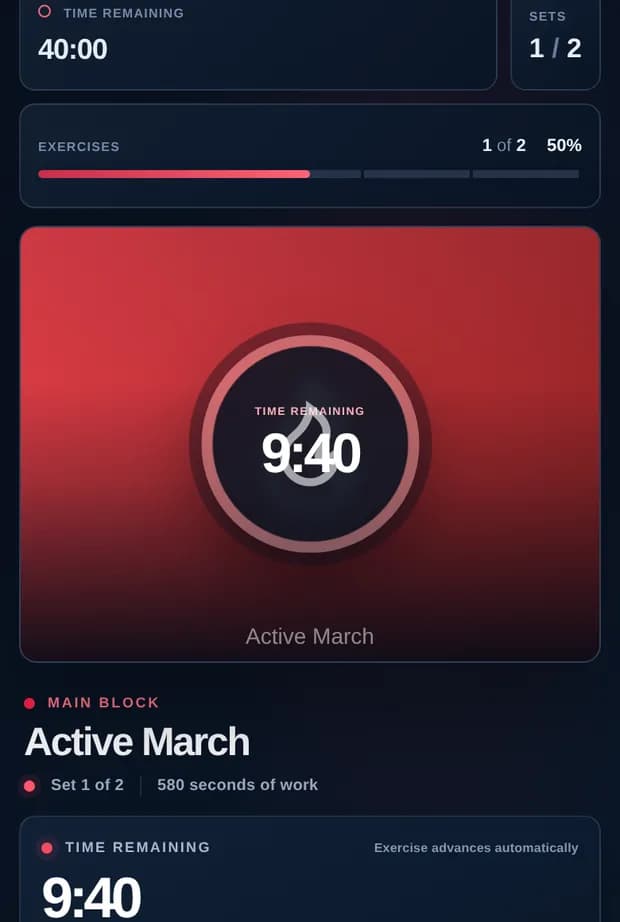
Everything you read here, turned into training you can follow step by step.
Physical training at home
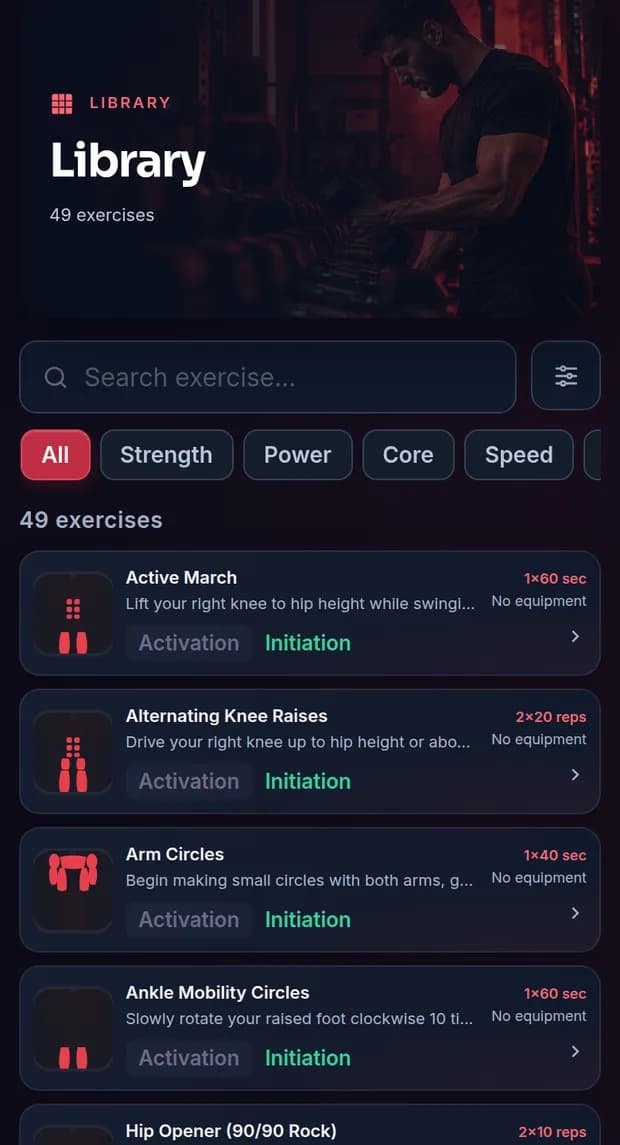
AI daily sessions adapted to your level and position. No equipment needed.
Tactical training courses
Step-by-step courses on positioning, pressing, build-up and decision making.
- 7 days free
- No commitment
- Cancel anytime
Free account: 2 physical sessions + the first tactical course. PRO: 7-day free trial — cancel before day 8 and you pay nothing.
More Analysis
Scotland’s 4-0 defeat in Switzerland: what went wrong and what to fix
November 17, 2026
Match AnalysisTuchel’s England: a high-risk high-reward template after 3-2 win in Madrid
November 17, 2026
Match AnalysisSwitzerland 4-0 Scotland: tactical lessons from a chastening Nations League defeat
November 17, 2026
Match AnalysisScotland tactical check: system questions over Gannon-Doak as Robertson reaches milestone
November 16, 2026