

Brentford produced a comprehensive 4-0 victory over Everton, a result shaped in part by a red card shown to Everton captain James Tarkowski after a VAR review. Keane Lewis-Potter scored twice and Vitaly Janelt added a spectacular goal as Brentford completed the win while Everton finished the match with ten men. The sending-off prompted debate and questions from Everton’s manager; Brentford’s manager praised Lewis-Potter’s performance.
What happened
Brentford defeated Everton by four goals to nil. Keane Lewis-Potter scored twice in the first half to put Brentford on course for a big win. Vitaly Janelt also scored, his strike described as a powerful shot. Everton were reduced to ten men after James Tarkowski received a red card following a VAR review. The decision produced controversy in the aftermath, with discussion over whether the force of Tarkowski’s challenge had been taken into account; Everton’s manager publicly questioned the sending-off. Brentford’s manager praised Lewis-Potter for his versatile performance during the game. The red card was the first James Tarkowski received in 351 Premier League appearances, and it featured in accounts of the match as a notable turning point.
The tactical reading
The sequence of events points to a game in which set moments—both disciplinary intervention and moments of individual execution—determined the flow. The red card, coming after VAR intervention, suggests Everton had to reorganise their defensive shape and personnel considerations earlier than planned. Playing with ten men typically forces a team to compress vertically and laterally, protect central channels and concede wider or deeper positions; the timing and context of the sending-off would have increased the need for Everton to make those structural concessions.
Brentford’s attacking output, led by Lewis-Potter’s two goals and Janelt’s long-range strike, suggests a plan that combined direct finishing from front-line channels with shots from distance. The description of Janelt’s strike as a “rifle” or “rocket” implies Brentford created opportunities to shoot from beyond the box, while Lewis-Potter’s double points to effective movement or finishing within the penalty area or transitional phases. Praise from Brentford’s manager for Lewis-Potter’s versatility signals that he likely occupied multiple attacking roles or adapted his positioning to exploit space.
Faced with a numerical disadvantage, Everton would typically shift to a more conservative, compact defensive block to limit central penetration and protect against through balls. The criticism and debate over Tarkowski’s red—especially questions about tackle force—highlight the fine margins emerging from high-contact defensive actions near the ball. When a team’s captain is removed in that manner, it also forces secondary leadership and organisational responsibilities to change on the pitch, which can disrupt communication and set-piece organisation.
From Brentford’s perspective, the trade-off when an opponent loses a defender is whether to press the advantage through quick vertical transitions and overloads in wide areas or to probe patiently, creating half-spaces for shots from distance. The presence of a stunner from Janelt suggests Brentford kept an eye for shooting opportunities and were prepared to take risks from range when Everton’s block became compact. Meanwhile, repeated success from a versatile forward like Lewis-Potter suggests Brentford balanced central penetration with supply lines that could find runners between and behind a reorganising defence.
Key tactical points
- VAR interventions that produce red cards alter the strategic balance immediately; teams must have predefined contingency plans for playing with ten men.
- Versatile attackers who can occupy multiple channels create match-up problems for upheaved defensive systems, especially after a sending-off.
- Teams that maintain the discipline to take shots from distance can punish compact defensive blocks that deny central access.
- Loss of an experienced defensive leader can compound organisational issues, particularly at set pieces and in communication across the back line.
- Managerial public questioning of disciplinary decisions reflects the modern match-context tension between on-field action and off-field review processes.
What to watch next
Watch how Everton respond to the disciplinary episode: will they adjust tackling technique emphasis or player instructions to minimise risks of future red cards, and how will leadership responsibilities redistribute on the pitch? Also follow whether Brentford continue to deploy the attacking versatility that produced multiple goal sources—do they keep exploiting shots from range and dynamic forward movement, or will they prioritise different channels?
Look for signs in subsequent matches of tactical adaptation from both sides: Everton’s structural setup when reduced to ten men and Brentford’s choices when offered space—direct exploitation through runners or structured probing for long-range opportunities.
Train it
Drill: 8v7 transitional rondo with permitted long-range shots to simulate playing against a compact, numerically superior block while encouraging shooting from distance and versatile forward movement.
- Set up an 8v7 possession area with two small goals or target players outside the box; allow the numerical advantage team to press actively.
- Encourage the 8-side to circulate quickly, combine through channels and look for forward runners; reward successful long-range shots that hit target with extra points.
- Coach focus: create and use half-space runners, quick ball circulation to shift defensive block, and decision-making on when to shoot from distance versus when to penetrate centrally.
Sources
- Sky Sports: RED CARD! VAR controversy as Tarkowski sent off after review
- Sky Sports: Lewis-Potter scores twice as Brentford thump four past 10-man Everton
- Sky Sports: WHAT A STRIKE! Janelt rifles rocket for Brentford’s third
- The Guardian: Lewis-Potter double and Janelt stunner ease Brentford past 10-man Everton
- BBC Sport: Tarkowski's first Premier League red ruins Moyes' night - was it deserved?
- BBC Sport: Janelt scores stunner as Brentford beat 10-man Everton
- BBC Sport: Moyes questions Tarkowski red in Brentford loss
- BBC Sport: Andrews praises 'versatile' Lewis-Potter
- Sky Sports: 'Brilliant' Brentford secure big win over Everton LIVE!
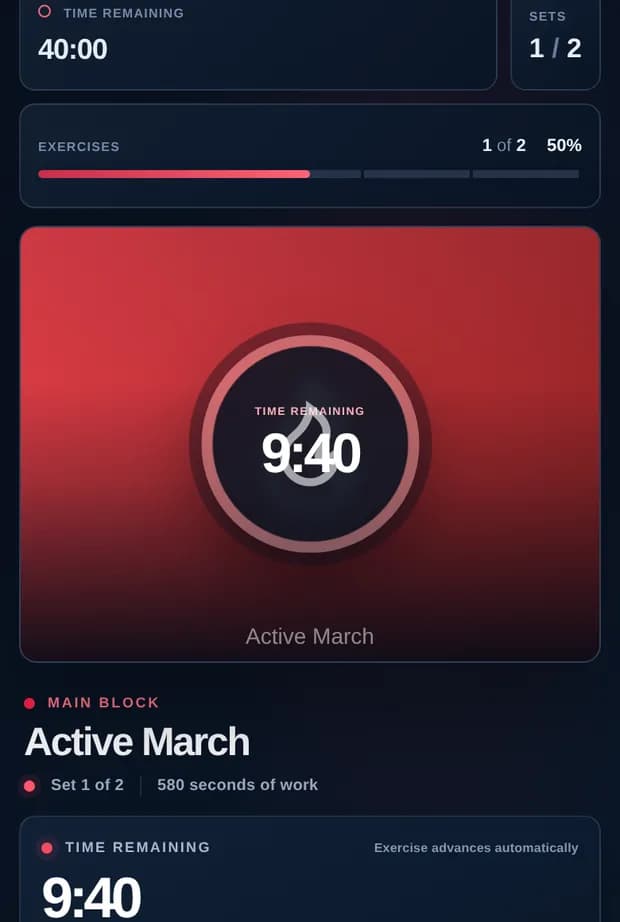
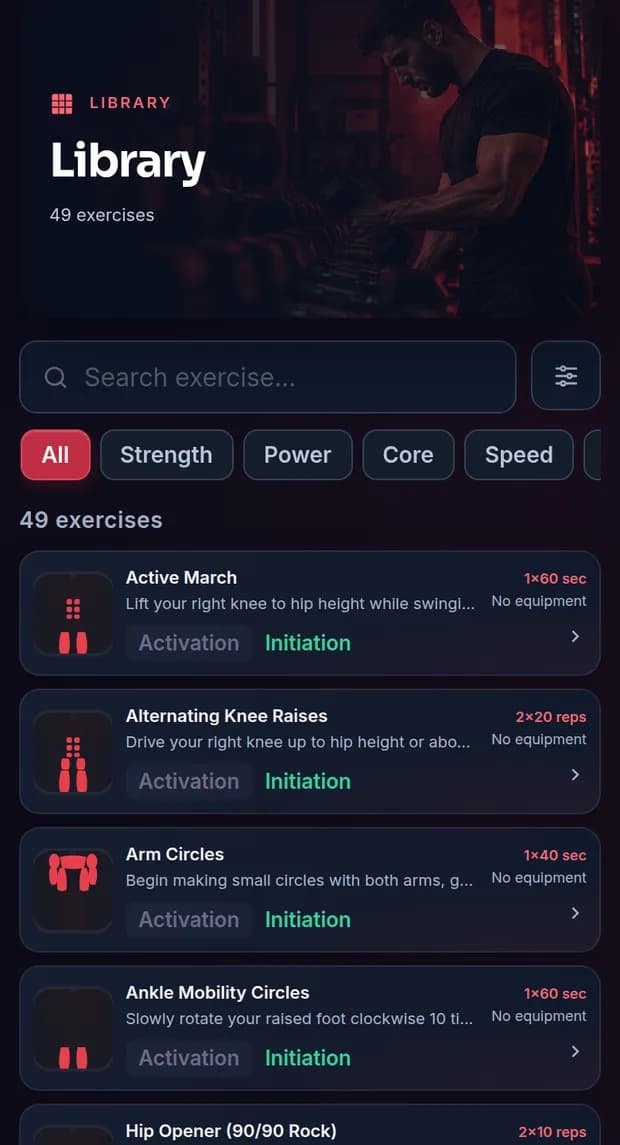
The Bench View app
Don’t just read football — train it
Everything you read here, turned into training you can follow step by step.
Physical training at home
AI daily sessions adapted to your level and position. No equipment needed.
Tactical training courses
Step-by-step courses on positioning, pressing, build-up and decision making.
- 7 days free
- No commitment
- Cancel anytime
Free account: 2 physical sessions + the first tactical course. PRO: 7-day free trial — cancel before day 8 and you pay nothing.
More Analysis
City’s WSL stumble and weekend ripples: what coaches should learn from Spurs’ late double and wider Premier League alarms
November 23, 2026
Match AnalysisAnfield rout exposes early cracks in Pochettino’s Manchester United — tactical lessons from a 4-0 defeat
November 23, 2026
Match AnalysisEarly red card defines Pochettino's debut as Liverpool run riot — tactical analysis
November 22, 2026
Match AnalysisArsenal held 2-2 at Newcastle — what the draw reveals tactically
November 22, 2026