Arsenal have made contact with Bournemouth about midfielder Alex Scott, according to reports, amid reported interest from Chelsea and Liverpool. The transfer chatter sits alongside broader conversations about squad roles and the evolution of position numbers in modern tactics.
What happened
Media reports indicate that Arsenal have approached Bournemouth regarding midfielder Alex Scott. Sky Sports has also linked Chelsea and Liverpool with an interest in the player. Separate coverage highlights wider transfer movement across clubs, with other rumours involving Manchester United and Aston Villa mentioned in the same reporting cycle.
The tactical reading
The fact that multiple top clubs are pursuing a single midfield profile points to a shared valuation of specific midfield attributes in the current market. Interest from Arsenal, Chelsea and Liverpool suggests teams are seeking midfielders who can operate across several phases — possession construction, transitional moments and defensive coverage — rather than specialists confined to single tasks. The pursuit itself often reflects an intent to either increase squad depth in key areas or to introduce a different set of skills to an existing midfield spine.
Historically, shirt numbers signalled positional expectations; contemporary roles are far more fluid. The Guardian’s discussion of how numbers like the No 10 evolved underlines that modern midfield roles frequently blend traditional playmaking duties with athletic and defensive responsibilities. For a club like Arsenal, contacting a midfielder from Bournemouth may indicate a desire for a player who can bridge old-school playmaking techniques with the pressing, high-tempo demands of present-day systems.
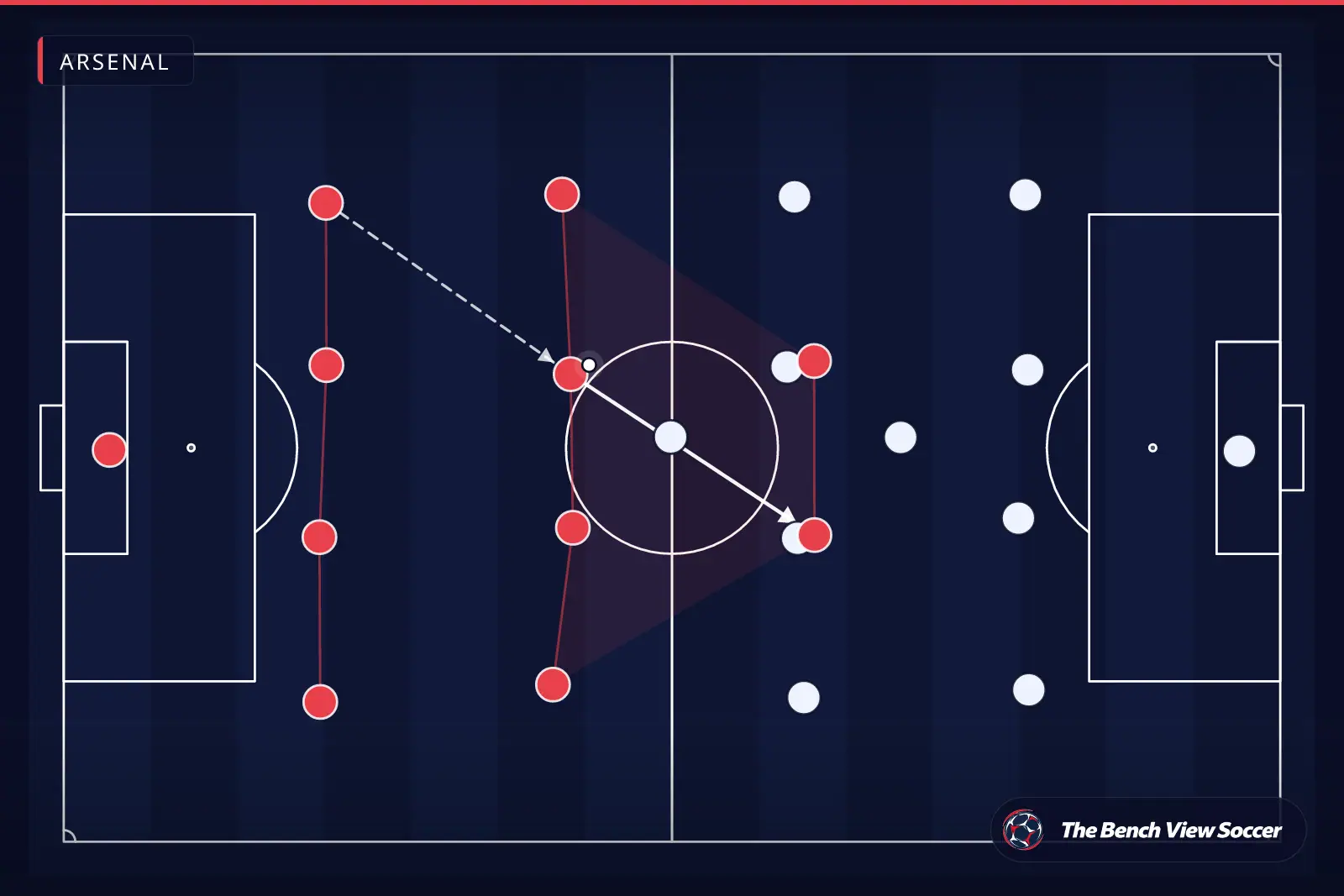
Translating transfer interest into on-field deployment typically forces tactical trade-offs. A new central midfielder can allow a side to press higher or recycle possession more effectively, but integrating a signing can also require adjustments in personnel around him — for instance, altering the responsibilities of wide players or the defensive midfielder to maintain balance. When two or three elite clubs chase the same profile, it often reflects that the player in question is perceived as capable of slotting into multiple team structures: as a deep-lying pivot in a controlled build-up, as a box-to-box engine supporting transitions, or as an advanced creator linking midfield and attack.
Finally, recruitment competition from Chelsea and Liverpool highlights a strategic dimension: bringing in a midfielder is not only about improving one’s own squad but also about denying an opponent a player who might better fit their tactical plan. That dynamic can push clubs to consider not only the player’s current fit but his adaptability — can he be repurposed into different roles if team tactics evolve? The conversation around transfers now routinely blends pure scouting with considerations of tactical versatility and squad architecture.
Key tactical points
- Clubs pursuing the same midfield profile often value versatility across build-up, transition and defensive phases.
- Adding a midfielder with mixed playmaking and athletic traits can permit a coach to press higher or move faster through midfield, but may require role adjustments elsewhere.
- The evolution of shirt-number meanings reflects modern fusion of traditional roles — modern midfielders must often combine creative and physical responsibilities.
- Recruitment competition serves both to strengthen one’s own squad and to prevent rivals from acquiring a tactical fit, increasing the emphasis on a player’s adaptability.
- Integrating a new central midfielder typically demands calibration of wide and defensive midfield roles to preserve team balance.
What to watch next
If the move progresses, watch how the prospective signing is described stylistically: is he labelled as a creator, a box-to-box presence, or a pivot? The language clubs and analysts use will reveal the intended role and the tactical gap the signing is meant to fill. Also monitor any adjustments in the current midfield cohort — changes in press triggers, ball-carrying responsibilities or the defensive coverage map will indicate how a new arrival is being accommodated.
Across the interested clubs, pay attention to whether the player is slotted into a familiar template or whether coaches reconfigure their systems. The extent to which a club modifies its shape to exploit a new player’s strengths — rather than forcing the player into an existing mold — will be telling about long-term tactical planning versus short-term squad patching.
Train it
Work on a possession-to-press transition drill that emphasizes the dual demands of creative passing and immediate defensive reaction. The session should rehearse receiving under pressure, forward progress passes, and quick switching from attack to coordinated pressing when possession is lost.
- Coaching point 1: On the ball, prioritize body orientation that enables both forward passes and quick defensive recovery.
- Coaching point 2: After a forward pass, the passer must delay one tempo to assess counters and then either join the press or cover a passing lane.
- Coaching point 3: Defenders and midfielders should practice staggered pressing triggers so the team shifts as a coordinated unit when possession changes.
Sources
The Bench View app
Don’t just read football — train it
Everything you read here, turned into training you can follow step by step.
Physical training at home
AI daily sessions adapted to your level and position. No equipment needed.
Tactical training courses
Step-by-step courses on positioning, pressing, build-up and decision making.
- 7 days free
- No commitment
- Cancel anytime
Free account: 2 physical sessions + the first tactical course. PRO: 7-day free trial — cancel before day 8 and you pay nothing.