Introduction
Liverpool under Jürgen Klopp builds its identity around intensity: fast counter-pressing, vertical attacks, and constant movement. For fans learning tactics, the midfield trio of Fabinho, Jordan Henderson, and Thiago Alcântara is a great case study because they solve different problems inside the same system. Klopp does not ask them to play identical roles; he rotates responsibilities based on opponent, game state, and who starts in the front line. Fabinho provides stability as the “number 6” (the defensive midfielder sitting in front of the centre-backs). Henderson adds running power and leadership, often acting like a connector between the right-back and the forwards. Thiago brings control: he manipulates tempo, creates passing angles, and uses his body shape to receive under pressure. Understanding how these three rotate—who drops to build play, who supports wide, who covers counter-attacks—helps you see why Liverpool can look chaotic in attack but still remain structured behind the ball in the Premier League and UEFA Champions League.
How It Works
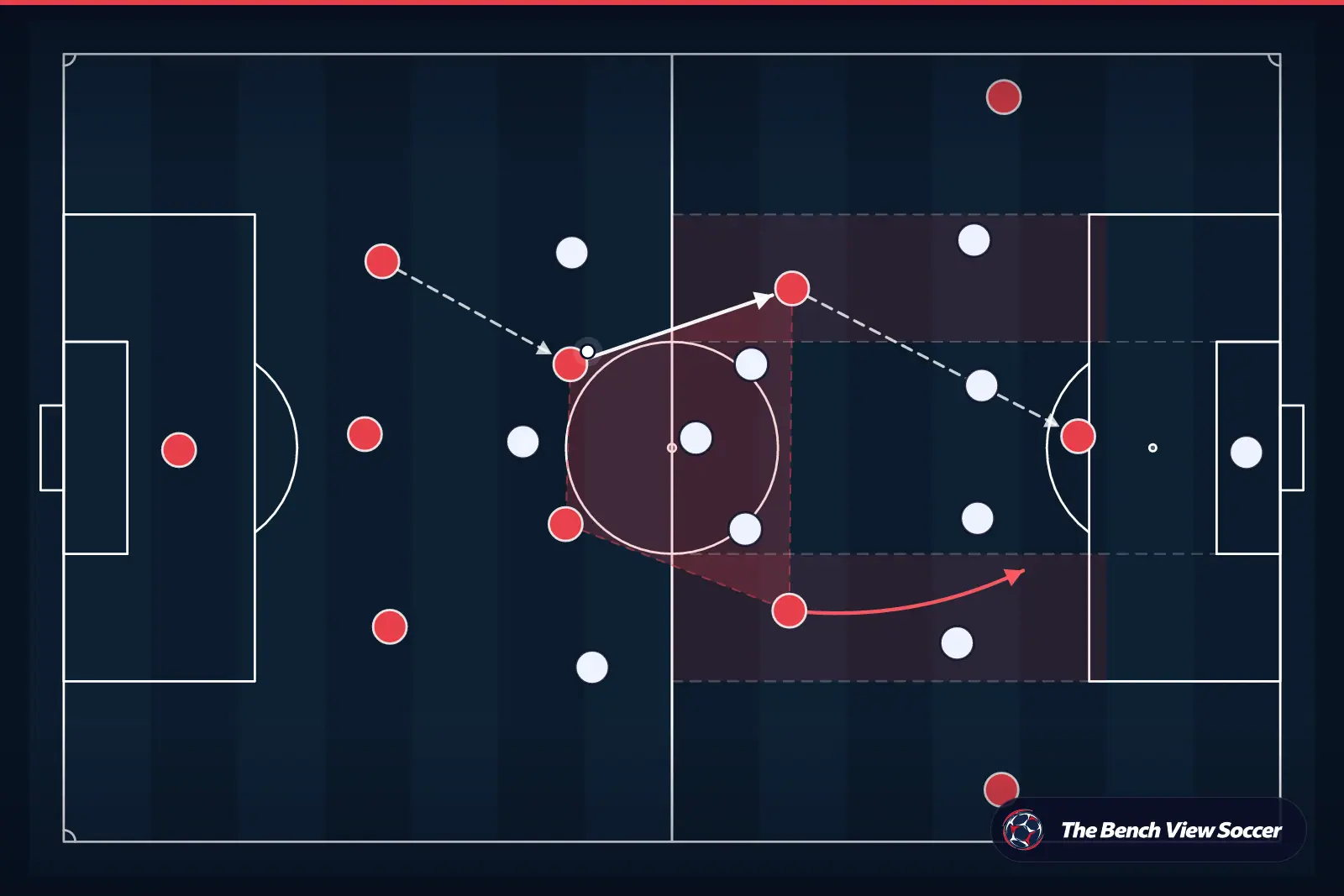
In Klopp’s common 4-3-3, the midfield works like a rotating triangle rather than three fixed lanes. Fabinho anchors the structure. When Liverpool builds from Alisson and the centre-backs, Fabinho often positions himself centrally to be the safe passing option, but he also slides slightly left or right to open a clear passing line and block counter-attacks. His key value is “rest defence”: the players who stay ready to stop the opponent’s transition after Liverpool loses the ball. Henderson usually starts as the right-sided number 8. He frequently drops closer to Trent Alexander-Arnold to help progress play, especially when opponents press Liverpool’s right side. This is why Liverpool’s right flank often feels overloaded: Henderson supports short passing, then sprints forward to arrive late in the box or to press the opponent’s left-back. Thiago, typically the left-sided number 8, plays with different priorities. He offers angles to play through pressure, slows the game when Liverpool needs control, and switches play to change the point of attack. The rotation appears when one midfielder vacates a zone: if Henderson pushes high to press or attack, Fabinho shifts across to cover the space; if Thiago drops deeper to dictate, the left-back (often Andrew Robertson) can push higher while Thiago protects the area behind him. The trio’s balance is not about equal touches; it is about complementary tasks—security (Fabinho), intensity and covering runs (Henderson), and tempo control plus progression (Thiago).
Match Examples
A clear snapshot comes from the 2021–22 Premier League match at Anfield: Liverpool 2–2 Manchester City (managed by Pep Guardiola). Liverpool’s midfield needs both aggression and control because City tries to pull players out of shape with rotations. Fabinho stays disciplined in front of Virgil van Dijk and Joël Matip, often delaying rather than diving into tackles—this buys time for Liverpool’s counter-press to arrive. Henderson repeatedly jumps toward City’s left side to pressure their build-up and also supports Alexander-Arnold when City targets that channel. Thiago uses his body position to receive from the centre-backs and then release quick passes into the forwards, trying to exploit moments when City’s midfield steps out. Another useful reference is the 2021–22 UEFA Champions League semi-final first leg: Villarreal 0–2 Liverpool, coached by Unai Emery. Villarreal sits deep and blocks central lanes, so Liverpool needs patience and wide progression. Here, Thiago drops to help circulate the ball and find switches, while Henderson makes forward runs to pin defenders and create crossing opportunities. Fabinho remains the safety valve, positioned to win second balls and stop counters when Liverpool sends numbers forward. Even without listing every pass, these matches show the rotation logic: against elite possession teams you protect the centre and time your presses; against compact blocks you use Thiago’s control and Henderson’s runs, with Fabinho guarding transitions.
Related Concepts & Skills
Training Implications
To train like this midfield unit, design sessions that teach roles and rotations, not just passing patterns. First, run a 6v3 or 7v4 “build-out rondo” where the defensive midfielder (Fabinho role) must always stay connected to the two centre-backs and scan over both shoulders before receiving. Coaching point: he should open his body to play forward in one or two touches, but if the forward pass is blocked, he resets quickly to keep structure. Second, add a right-side progression drill for the Henderson role: set up a triangle of right-back, right-sided midfielder, and right winger, plus a central forward. The midfielder must alternate between dropping to support the full-back (to escape pressure) and making a timed forward run after the pass goes wide. Measure success by whether the run arrives as the ball enters the final third, not just by running a lot. Third, coach the Thiago role with a “switch and break” exercise: two wide zones and one central zone, with a rule that the ball must be switched from one side to the other before a through pass is allowed. This teaches patience, scanning, and weight of pass. Finally, include a transition game (8v8 with two mini-goals) where after losing possession the nearest three players must counter-press for five seconds while the defensive midfielder holds position instead of chasing. This builds the habit of pressing together while keeping rest defence intact—exactly the balance Liverpool needs in the Premier League and Champions League.
The Bench View app
Don’t just read football — train it
Everything you read here, turned into training you can follow step by step.
Physical training at home
AI daily sessions adapted to your level and position. No equipment needed.
Tactical training courses
Step-by-step courses on positioning, pressing, build-up and decision making.
- 7 days free
- No commitment
- Cancel anytime
Free account: 2 physical sessions + the first tactical course. PRO: 7-day free trial — cancel before day 8 and you pay nothing.