

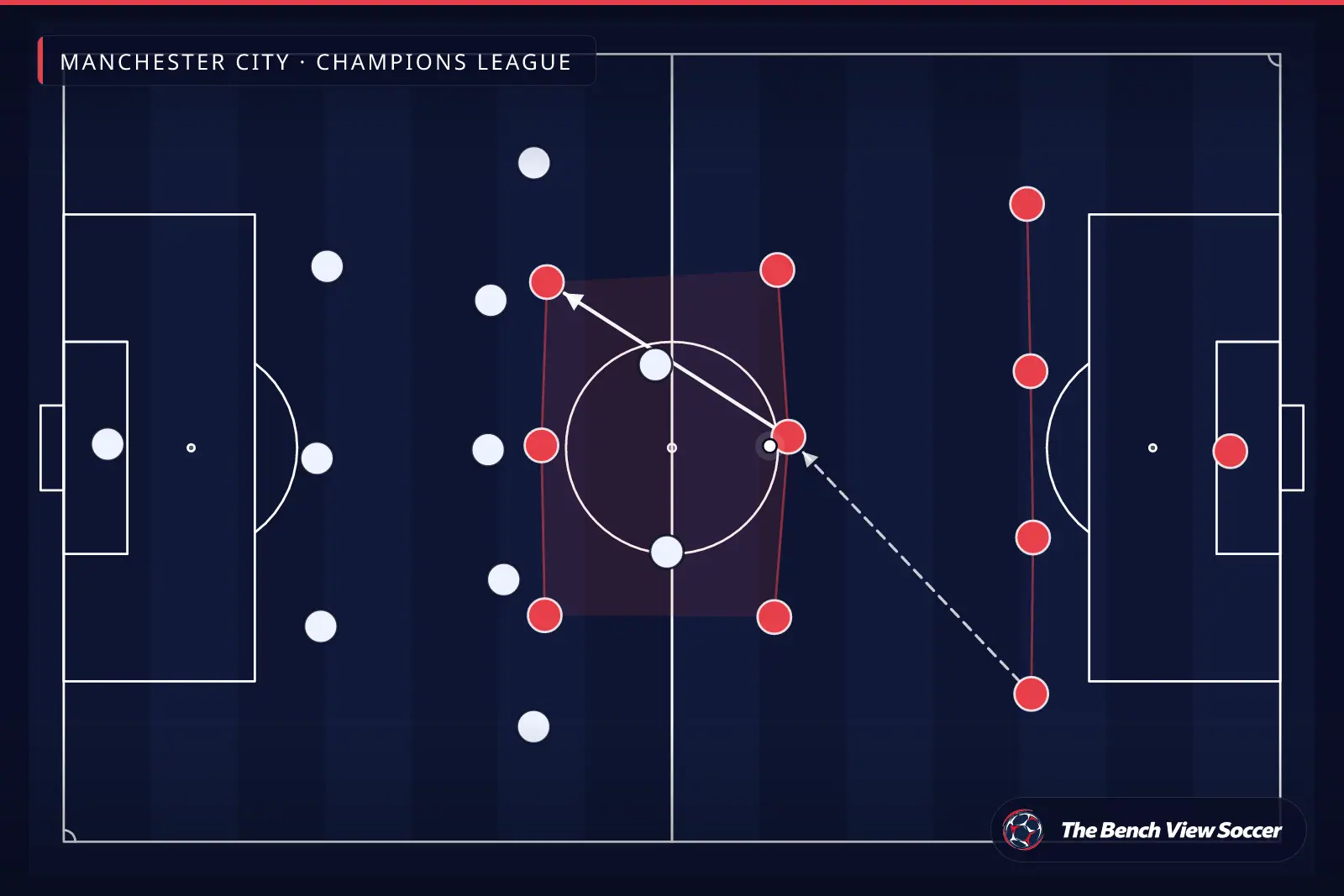
Manchester City were held to a 1-1 draw by Paris Saint-Germain at the Joie Stadium after a late strike from Tara Elimbi Gilbert salvaged a point for the visitors. The match also featured a penalty from Shaw, and leaves City still searching for their first win in this season's Women's Champions League, their third draw from three group games.
What happened
At the Joie Stadium, Manchester City and Paris Saint-Germain played out a 1-1 draw. The game included a penalty involving Shaw and a late equaliser from Tara Elimbi Gilbert that secured a point for PSG. The result means Manchester City remain without a win in this season's Women's Champions League; according to reports it is their third draw from three games so far. Observers noted City created a significant number of big chances and ultimately missed several opportunities that could have produced a different outcome.
The tactical reading
The pattern of events — a team creating numerous big chances yet conceding late to a counter or set-piece — typically points to a balance problem between attacking intent and defensive cover. When a side dominates territory and possession, as City were reported to do by creating many high-quality chances, that often leaves transitional spaces for an opponent to exploit late in the match. The late goal by Tara Elimbi Gilbert suggests PSG were able to remain functional in transition or capitalise on a moment when City’s defensive organisation had loosened.
The presence of a penalty in the match indicates set-piece and high-contact moments were decisive; such incidents often derive from persistent pressure inside the final third. A side that forces penalties and creates half a dozen big chances is generally committing players high up the pitch — full-backs and midfielders pushing into attacking positions, and forwards occupying defenders — which tends to overload the opponent but can also expose the team to direct counters or late breakaways if possession is turned over.
For the defending team, a late equaliser typically highlights two linked issues: concentration during the closing stages, and the allocation of defensive responsibilities when protecting a lead or preserving a narrow margin. Teams that are forced to absorb pressure for long spells must manage fatigue and tactical focus; lapses in marking, delayed shifts to press threats, or miscommunication on who picks up runners commonly produce late goals. PSG’s ability to score late suggests they maintained a structure capable of exploiting such lapses even when under sustained pressure.
Finally, the psychological and managerial trade-offs are clear. A team that consistently creates big opportunities but fails to convert faces mounting pressure as the clock winds down, which can affect decision-making and defensive solidity. The decision-making around substitutions, time-wasting management, and tactical shifts to more conservative shapes late on all interact with the players’ capacity to execute. The draw leaves City with group-stage work to do and underscores how finishing and late-game management are as decisive as the accumulation of chances across 90 minutes.
Key tactical points
- Creating many high-quality chances is not enough; conversion is decisive — finishing training and shot selection remain priority areas.
- High attacking commitment can expose transitional vulnerabilities that opponents can exploit late in games.
- Late goals often stem from lapses in concentration and defensive role clarity during closing stages.
- Set-piece moments, including penalties, can be match-defining when open-play chances are plentiful but inefficiently converted.
- Game-management choices (substitutions, defensive reshapes) materially affect a team’s ability to protect narrow leads.
What to watch next
Going forward, watch whether Manchester City adjust their late-game approach: will they alter substitution patterns to protect leads or tweak their defensive shape in the final 15 minutes? Equally, observe if City address finishing in the next matches — do the same players continue to create chances but miss them, or does conversion improve?
For opponents and PSG, the key question is whether they can replicate the model that produced a late equaliser: remaining compact while able to execute a decisive transition or set-piece finish. Monitoring how both teams balance attacking intent with late-stage defensive organisation will indicate whether this match was an isolated occurrence or a template for future results in the group.
Train it
To work on the twin themes of finishing under pressure and late-game defensive concentration, run a 10v10 phased rondo that transitions into an overload finishing practice. Start with possession-focused rondos that reward sequences, then on coach signal convert immediately into an attacking phase where the possession team must create and finish a chance within a timed window; the defending team must shift into organised defensive blocks and protect a narrow lead in the closing seconds.
- Coaching point 1: Emphasise rapid role recognition on transition — who presses, who covers, who drops to protect space.
- Coaching point 2: Add pressure to shooting scenarios to replicate match fatigue and force composure in finishing.
- Coaching point 3: Practice late-game reshapes with small-sided time constraints so players learn communication and positioning under countdown pressure.
Sources
The Bench View app
Don’t just read football — train it
Everything you read here, turned into training you can follow step by step.
Physical training at home
AI daily sessions adapted to your level and position. No equipment needed.
Tactical training courses
Step-by-step courses on positioning, pressing, build-up and decision making.
- 7 days free
- No commitment
- Cancel anytime
Free account: 2 physical sessions + the first tactical course. PRO: 7-day free trial — cancel before day 8 and you pay nothing.
More Analysis
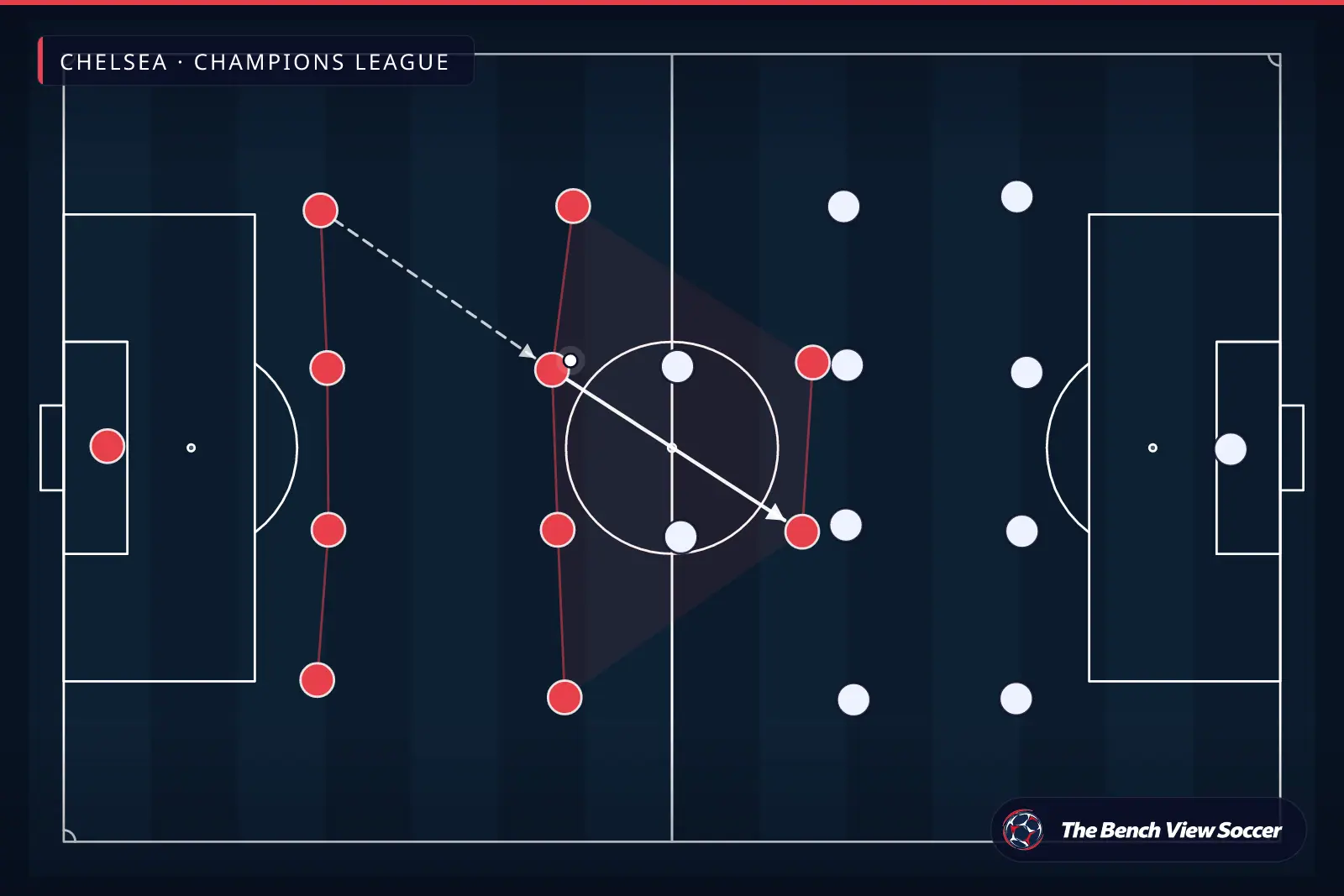
How Chelsea’s unbeaten run vs Roma reveals a clearer tactical identity
October 29, 2026
Shock in the Cup and a Statement in Europe: Fleetwood stun Arsenal; Russo makes history for Arsenal Women
October 29, 2026
Kuyt’s interim appointment at Fenerbahçe: how one week changes the tactical landscape ahead of Liverpool clash
October 28, 2026
Arteta wary over Bukayo Saka’s durability as forward faces possible six-week lay-off
October 23, 2026