

Brentford recorded a 4-0 victory at Old Trafford, ending an 89-year wait for an away win there and signalling ambitions of European qualification. Mikkel Damsgaard received particular attention for a starring performance that, according to analysts, dissected Manchester United’s setup. The result also left Manchester United under scrutiny after back-to-back league defeats by four-goal margins, in what was Mauricio Pochettino’s first Premier League game in charge at Old Trafford.
What happened
Brentford beat Manchester United 4-0 at Old Trafford, securing the club’s first away win at that ground in 89 years. The margin and manner of the victory prompted widespread analysis, with broadcasters and former players highlighting Mikkel Damsgaard’s influential role in Brentford’s attacking play. Coverage emphasised how Damsgaard’s intelligent movement and decisions helped to unsettle Manchester United’s structure. The heavy defeat represented a second straight league loss for Manchester United by four goals, and it came in the first Premier League game Mauricio Pochettino managed at Old Trafford.
The tactical reading
The match details point to a deliberate attacking blueprint from Brentford, one that relied on specific creative influence from a wide or advanced player. The commentary spotlight on Damsgaard suggests he occupied spaces that caused recurring problems for Manchester United; this typically reflects a role combining positional rotation, timing of runs into half-spaces and the licence to influence play between lines. When a single performer is repeatedly credited with ‘picking apart’ an opponent, it usually denotes both individual intelligence and a team plan designed to feed that player in advantageous moments.
From a structural perspective, Brentford’s approach likely balanced patient build-up with incisive exploitation of transitional moments. Delivering four goals away at a major stadium commonly requires coherent coordination between midfield and forward players: one or more creators given freedom to find pockets, teammates making complementary runs, and a defensive unit that avoids being stretched when possession is lost. The prominence of Damsgaard in post-match analysis points to him being the fulcrum of chance creation — an attacker who can both receive under pressure and make high-quality decisions quickly.
For Manchester United, the scale of the defeat and the continued susceptibility to heavy losses indicate structural vulnerabilities. Conceding multiple goals in successive league fixtures tends to reveal issues across phases — defensive compactness, transitions after turnovers, and the ability to prevent a single opposition player from repeatedly influencing the game. The result at Old Trafford, in the context of it being Pochettino’s first Premier League match there, suggests a tactical reset is required to address how teams are finding and exploiting the spaces in and around United’s defensive shape.
The trade-offs within Brentford’s plan are instructive. Allowing a creative wide player freedom often reduces immediate midfield numerical control; successful execution requires disciplined teammates who either press to win the ball back quickly or cover defensive channels when the creative player is higher up the pitch. Conversely, for the side on the back foot, narrowing gaps and denying line-breaking passes are typical countermeasures — but those depend on collective coordination, especially when one opposition actor is repeatedly recognized as the main threat.
Key tactical points
- Designating a creative player with licence to operate in half-spaces can disrupt opposing defensive structures if the team consistently looks to supply him.
- Repeated exploitation of the same channels often indicates a planned route-to-goal rather than isolated individual moments; teams must prepare collective responses to close those channels.
- Balancing attacking freedom with defensive responsibilities is critical — teammates must either compress centrally or provide cover when a key creative player advances.
- Heavy consecutive defeats point to systemic issues across phases: defending in transition, maintaining compactness, and stopping line-breaking passes.
- A successful away performance at a major ground usually requires both tactical clarity and player execution — intelligent movement, timing, and decision-making matter as much as raw skill.
What to watch next
Will Brentford continue to build their attacking model around the same creative fulcrum and aim to reproduce this pattern against different defensive setups? Observe whether opponents adapt by assigning tighter markers, rotating defensive cover, or changing their midfield compactness to prevent similar pockets of influence.
For Manchester United, the key questions are about defensive remediation: how will the team adjust shape and personnel to prevent a single player from repeatedly dictating play; and will they alter their transitional defending to avoid further heavy defeats? Watch for tactical changes that prioritise compactness between the lines and clearer roles for stopping line-breaking passes.
Train it
Drill: Half-space overload rondo — replicate the positional dynamics that free a creative wide player into dangerous pockets while training teammates to provide cover and penetration.
- Set up a 6v4 possession rondo in a 40x30m grid with two neutral, advanced players positioned in each half-space as outlets.
- Encourage rapid ball circulation and reward passes that penetrate to the half-space neutrals; defenders win a point by intercepting or forcing an error.
- Coaching points: work on timing of third-man runs into the half-space, quick scanning before receiving, and coordinated cover shifts so that when a neutral advances a teammate drops to protect the central channel.
Sources
The Bench View app
Don’t just read football — train it
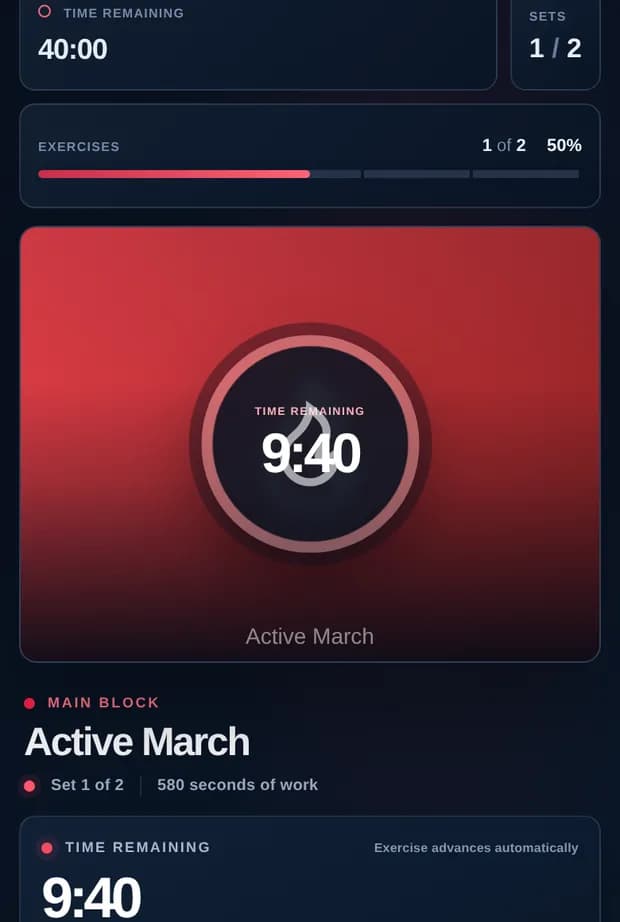
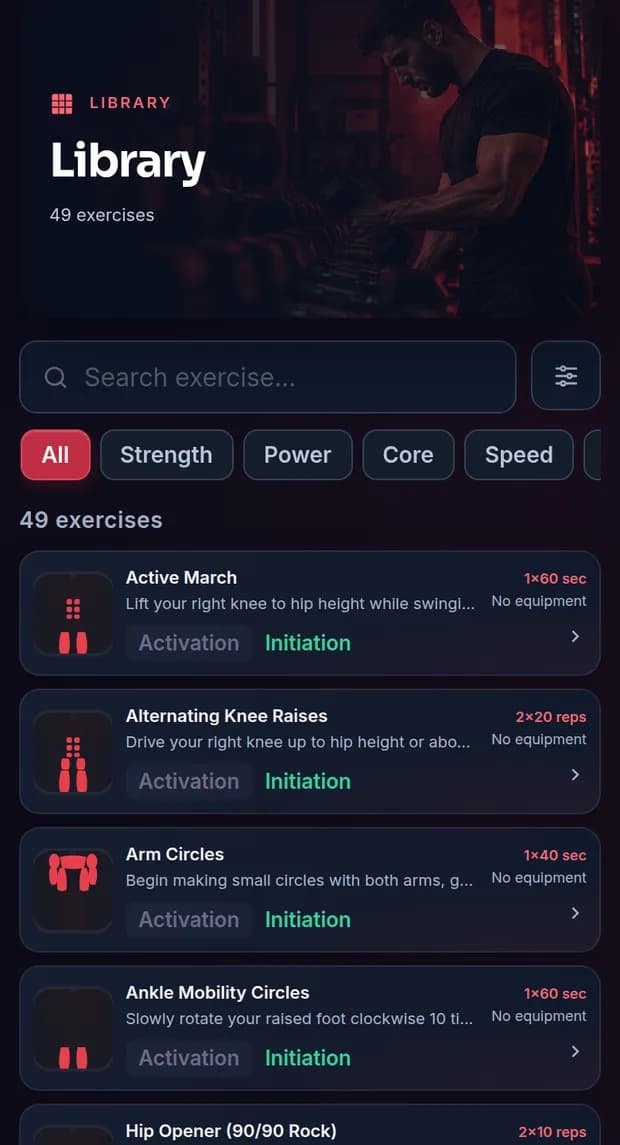
Everything you read here, turned into training you can follow step by step.
Physical training at home
AI daily sessions adapted to your level and position. No equipment needed.
Tactical training courses
Step-by-step courses on positioning, pressing, build-up and decision making.
- 7 days free
- No commitment
- Cancel anytime
Free account: 2 physical sessions + the first tactical course. PRO: 7-day free trial — cancel before day 8 and you pay nothing.
More Analysis
Off-field turbulence and refereeing clarity: what the week's news means tactically
November 27, 2026
Match AnalysisYoro clearance and the refereeing row: tactical implications for Manchester United
November 25, 2026
Match AnalysisRed card shapes Brentford’s 4-0 win; Lewis-Potter and Janelt on target
November 24, 2026
Match AnalysisCity’s WSL stumble and weekend ripples: what coaches should learn from Spurs’ late double and wider Premier League alarms
November 23, 2026