

Khiara Keating produced a standout goalkeeping display to deny Chelsea and help Liverpool secure a goalless draw, a result that earned the hosts a valuable point and left the league lead contest open. Chelsea, who had recorded recent 1-0 wins against Manchester City and Paris Saint-Germain, failed to find a breakthrough against a stubborn Liverpool side.
What happened
The match finished 0-0, with Liverpool taking a point after a defensive performance that relied heavily on their goalkeeper. Reports highlight Khiara Keating’s resilient work in goal as the decisive factor that prevented Chelsea from scoring. Coverage noted Chelsea’s lack of cutting edge on the day despite their recent sequence of 1-0 victories against Manchester City and Paris Saint-Germain. The draw left the title race more open, with at least one outlet pointing out that Manchester City had the opportunity to move to the top of the table following the result.
The tactical reading
The clean sheet and the prominence of the goalkeeper’s performance suggest Liverpool set up with compact defensive priorities and clear instructions to protect their goal. When a goalkeeper is given credit as the primary reason for securing a draw, it typically indicates that the outfield shape aimed to limit high-probability chances and force the opponent into lower-quality attempts. Liverpool’s organization likely emphasized vertical compactness between lines and wide coverage to restrict central penetration, relying on shot-blocking and goalkeeper saves to maintain the scoreline.
Chelsea’s inability to convert possession into goals, despite recent narrow wins in other matches, points to Liverpool forcing the issue into situations where individual finishing or high-quality final passes were needed. That outcome often follows from an defending team structuring to congest central lanes and forcing the ball out wide or into low-percentage shots. For the opponent, the tactical problem becomes how to create clear chances against a disciplined, conservative block; for the defending side, the trade-off is ceding some possession and territory while maximizing defensive solidity.
Keating’s role in this game was not just reactive shot-stopping but also psychological: reliable goalkeeping allows an entire defensive unit to maintain focus on shape and spacing rather than overcommitting to interceptions or pressing beyond their remit. A goalkeeper who repeatedly denies shoots gives the defensive line permission to stay compact and pick their moments to engage, reducing risk of being stretched or exposed on transitions. This dynamic often makes a goalless draw achievable for the lower-possession side.
The match context also suggests game-plan management from both coaches. Chelsea, with recent narrow wins, were trying to impose a winning mentality but faced a Liverpool side content to frustrate. For Liverpool, the choice to prioritize defensive structure and rely on their goalkeeper implies acceptance of a conservative risk profile: take fewer attacking risks, control defensive zones, and hope to capitalize on counter moments or set-piece opportunities if they arise. The tactical compromise is clear — less attacking ambition in exchange for increased defensive security.
Key tactical points
- Compact defensive block pays off when combined with high-quality goalkeeping to neutralize an opponent with recent winning momentum.
- Forcing the opposition to generate low-percentage shots (from distance or acute angles) reduces the need for risky pressing higher up the pitch.
- A confident goalkeeper enables defenders to prioritize positional discipline over risky interventions, stabilizing the collective shape.
- Teams on the attack must diversify chance-creation methods when facing a disciplined block: varied runs, quick interchanges, and overloads can create the necessary high-quality opportunities.
- Conceding possession and territory can be a deliberate tactical trade-off when the priority is to keep the score level and earn a point.
What to watch next
Observe whether Liverpool maintain this defensive blueprint in upcoming matches or whether they rotate toward more proactive pressing and possession work. If the team persists with a compact set-up, their results will likely hinge on consistency from the goalkeeper and the back line’s ability to remain disciplined under increasing pressure.
For Chelsea, watch how they adapt to teams that sit deep after recent narrow wins. Will they introduce more positional rotation, vertical runs from late attackers, or increased use of wide overloads to break compact defenses? Their adjustments in the next fixtures will show whether they can regain cutting edge against resolute defensive units.
Train it
To replicate Liverpool’s defensive compactness while sharpening goalkeeper readiness, run a defended rondo that transitions into a shot sequence under pressure. The drill trains compact spacing, quick defensive recovery, and goalkeeper shot-stopping in match-like conditions.
- Set up a 6v4 rondo inside a medium-sized grid; when defenders win the ball, attackers immediately transition to create a shot within six passes against a compact back four and goalkeeper.
- Coaching points: emphasize body orientation and line integrity for defenders, quick communication and scapegoat marking to prevent overloads, and goalkeeper positioning/angles for low-probability shots.
- Reward disciplined defending and composed goalkeeping rather than risky interceptions; encourage attackers to vary finishing attempts to simulate the match scenario.
Sources
- The Guardian: Liverpool keeper Keating holds leaders Chelsea at bay in scoreless WSL draw
- BBC Sport: Keating stars as Liverpool hold high-flying Chelsea to goalless draw
- The Guardian: Liverpool fan found not guilty of racial abuse after Antoine Semenyo withdraws from case
- Sky Sports: Liverpool frustrate Chelsea as Keating heroics leave WSL title race wide open
The Bench View app
Don’t just read football — train it
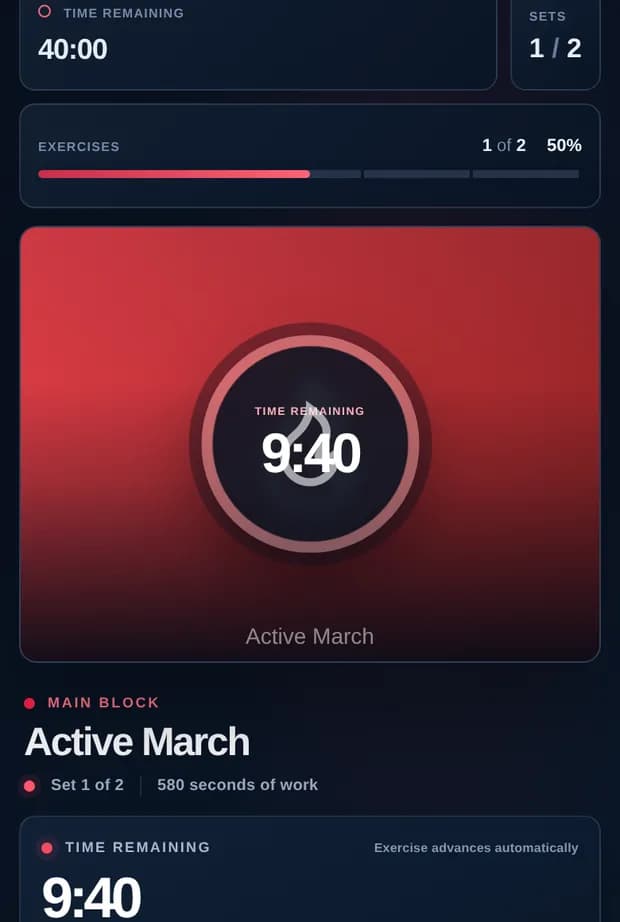
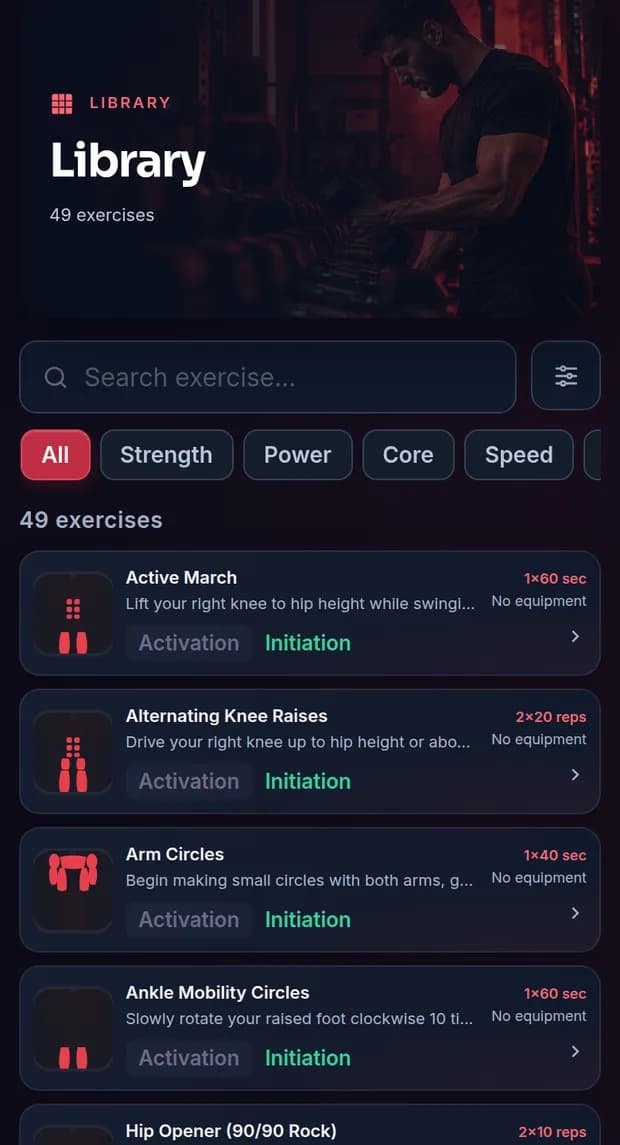
Everything you read here, turned into training you can follow step by step.
Physical training at home
AI daily sessions adapted to your level and position. No equipment needed.
Tactical training courses
Step-by-step courses on positioning, pressing, build-up and decision making.
- 7 days free
- No commitment
- Cancel anytime
Free account: 2 physical sessions + the first tactical course. PRO: 7-day free trial — cancel before day 8 and you pay nothing.
More Analysis
Manchester City host Fulham to reopen Premier League after final 2026 international break
November 21, 2026
Match AnalysisKane sidelined for months, Saka’s return uncertain — tactical lessons from two high-profile absences
November 21, 2026
Team StudyArteta’s FPL warning exposes wider tactical risk — how squad selection leaks shape match prep
November 20, 2026
Team StudyDecisions on Araújo, Iraola’s early chapter and how Liverpool must balance transfers and tactics
November 20, 2026