

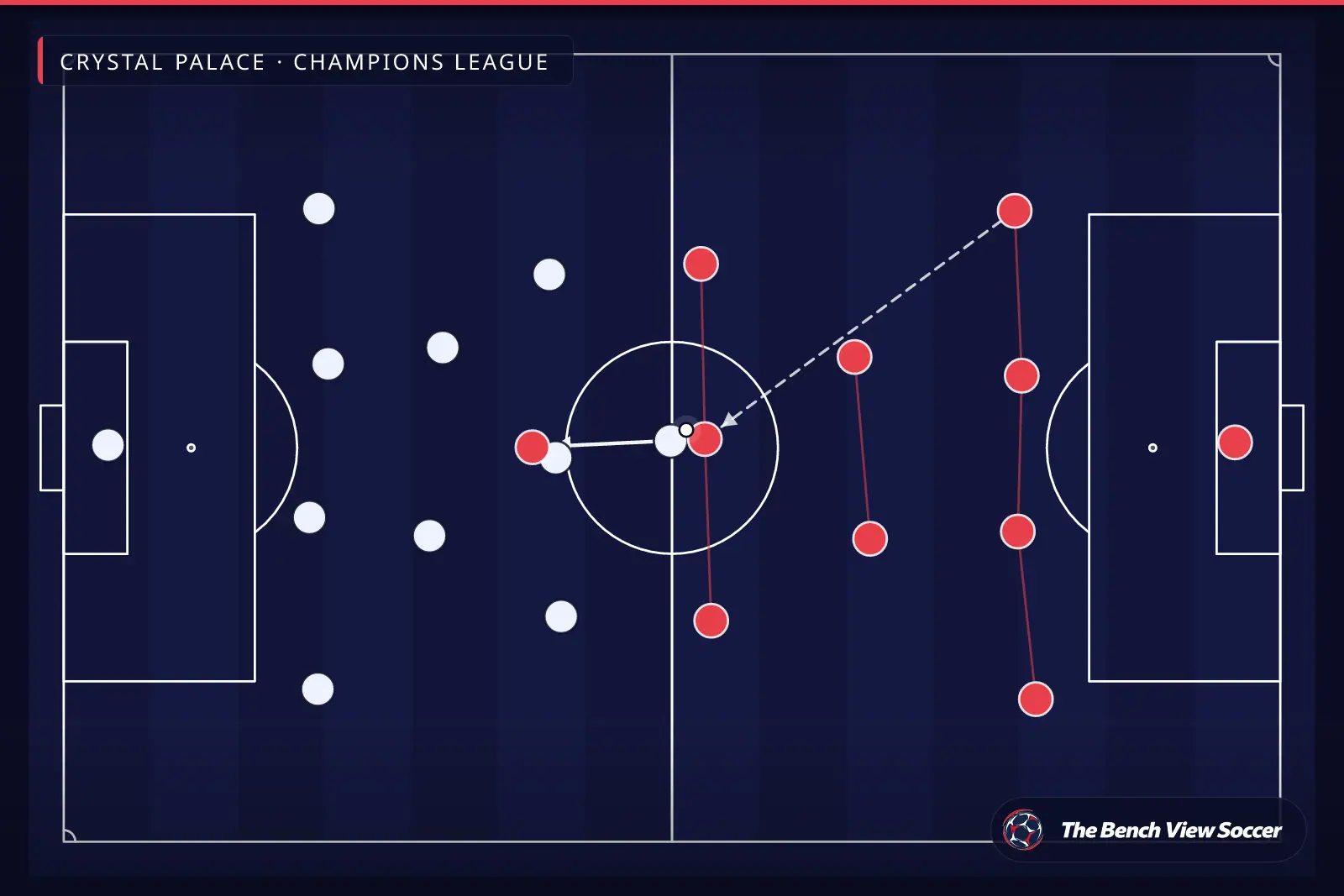
Liverpool defeated Crystal Palace 3-1 at Selhurst Park. The result was Palace’s fourth successive Premier League defeat and left them bottom of the table, increasing pressure on manager Pierre Sage; reports say Palace are poised to sack Sage and that Thomas Frank is emerging as the main candidate to replace him.
What happened
At Selhurst Park Liverpool recorded a 3-1 win over Crystal Palace. The defeat was Palace’s fourth consecutive loss in the Premier League and, according to reporting, left the club bottom of the table for the first time since December 2017. Following the match, coverage indicated that the Palace hierarchy are prepared to move on from their manager Pierre Sage, who was appointed in mid-June, and that former Spurs manager Thomas Frank is being considered as the leading candidate to take over.
Reporting on the match singled out a moment that underlined Liverpool’s control of the decisive phase: a right-sided move that culminated in a low pull-back and a first-time attempt taken by Florian Wirtz. The passage of play was presented as the moment Liverpool knew they would win at Selhurst Park and as a way for them to move on from recent defeats, which included a loss at Anfield and a midweek defeat at Fenerbahce in the Champions League.
The tactical reading
The available details point to Liverpool creating a decisive attacking sequence down the right that finished with a low cut-back and a composed first-time strike. That sequence suggests Liverpool were able to stretch Palace horizontally and exploit the half-spaces that open when a defensive block shifts to cover wide threats. A clean, timed run into the area and a low pull-back are symptoms of coordinated wide play that prioritises delivery into dangerous channels rather than relying on individual dribbling to create an opportunity.
Florian Wirtz’s first-time finish from a pull-back highlights the value of movement beyond the ball and technical execution under pressure. His timing to arrive at the right moment and ability to strike the ball first time points to a striker or advanced midfielder tasked with late, timed runs into the box rather than occupying static central positions. Teams that give arriving attackers space to meet cut-backs usually earn higher-quality chances because the delivery is aimed into a pocket between defenders and goalkeeper.
For Palace, four straight league defeats and a collapse to the bottom of the table imply that the team structure and tactical coherence have been insufficient to secure results. While the sources do not provide Palace’s specific setup or in-game tactical tweaks, the fact Liverpool could engineer a decisive right-sided move suggests Palace struggled to contain coordinated wide combinations and the subsequent penetration into the penalty area. Repeated losses also point to problems in both game management and the ability to adapt mid-game to opposition patterns.
From a broader strategic perspective, Liverpool’s ability to produce a controlling moment after recent setbacks indicates a game plan focused on exploiting opponent vulnerabilities via structured wide play and precise finishing. The account also suggests Liverpool used this match to reset after defeats at Anfield and in Europe, indicating mental resilience and a readiness to refocus on clear attacking patterns that yield high-quality opportunities.
Key tactical points
- Coordinated wide combinations that culminate in low pull-backs are effective against shifted defensive blocks; timing of the arriving attacker is crucial.
- First-time finishing from a well-timed run can punish teams that fail to block the channel between the near post and central defenders.
- Repeated losses typically expose deeper structural or adaptability issues in a team’s defensive organisation and game management.
- Creating a decisive moment from a single side of the pitch indicates successful overloads or superior positional rotation on that flank.
- Using a match to regain momentum after recent defeats suggests successful mental preparation and clarity of the attacking plan.
What to watch next
For Palace, the immediate question is how the team’s shape and defensive organisation will change if managerial change follows the reports that Sage could be replaced. Will a new manager prioritise tightening the wide channels that led to the decisive Liverpool move, or will changes focus more on personnel and pressing systems?
For Liverpool the next tests will show whether the right-sided combination and first-time finishing seen at Selhurst Park become a reproducible pattern. Observers should watch whether Liverpool continues to target one flank for overloads and looks for late arriving attackers into cut-back zones, and whether that approach helps them recover consistency after recent defeats.
Train it
Drill: 7v7+4 wide-possession-to-cutback progression. The exercise develops coordinated wing combinations, timing of runs into the box, and first-time finishing from low pull-backs.
- Set up two teams of seven with four neutral wide players (two per flank). Play starts from the defenders; neutrals stay high and wide to create overloads.
- Objective: progress through thirds via the flanks, then execute a low cut-back into the box for an arriving attacker to finish first time. Points awarded for successful first-time finishes.
- Coaching points: emphasise early recognition of the cut-back channel, timing of the arriving run, the weight and angle of the wide delivery, and composure to strike first time under pressure.
Sources
- BBC Sport: Liverpool dispatch Palace to pile pressure on Sage
- The Guardian: Crystal Palace poised to sack Pierre Sage and target Frank after Liverpool defeat
- The Guardian: Wirtz provides quality as Liverpool leave Crystal Palace propping up table
- BBC Sport: Who was back to his best? Player ratings for Crystal Palace v Liverpool
- BBC Sport: Russo double gives Arsenal win over Liverpool at Anfield
- Sky Sports: Sage in big trouble as Palace hit rock-bottom after defeat to Liverpool
- BBC Sport: Liverpool considering Verbruggen move - Sunday's gossip
The Bench View app
Don’t just read football — train it
Everything you read here, turned into training you can follow step by step.
Physical training at home
AI daily sessions adapted to your level and position. No equipment needed.
Tactical training courses
Step-by-step courses on positioning, pressing, build-up and decision making.
- 7 days free
- No commitment
- Cancel anytime
Free account: 2 physical sessions + the first tactical course. PRO: 7-day free trial — cancel before day 8 and you pay nothing.
More Analysis
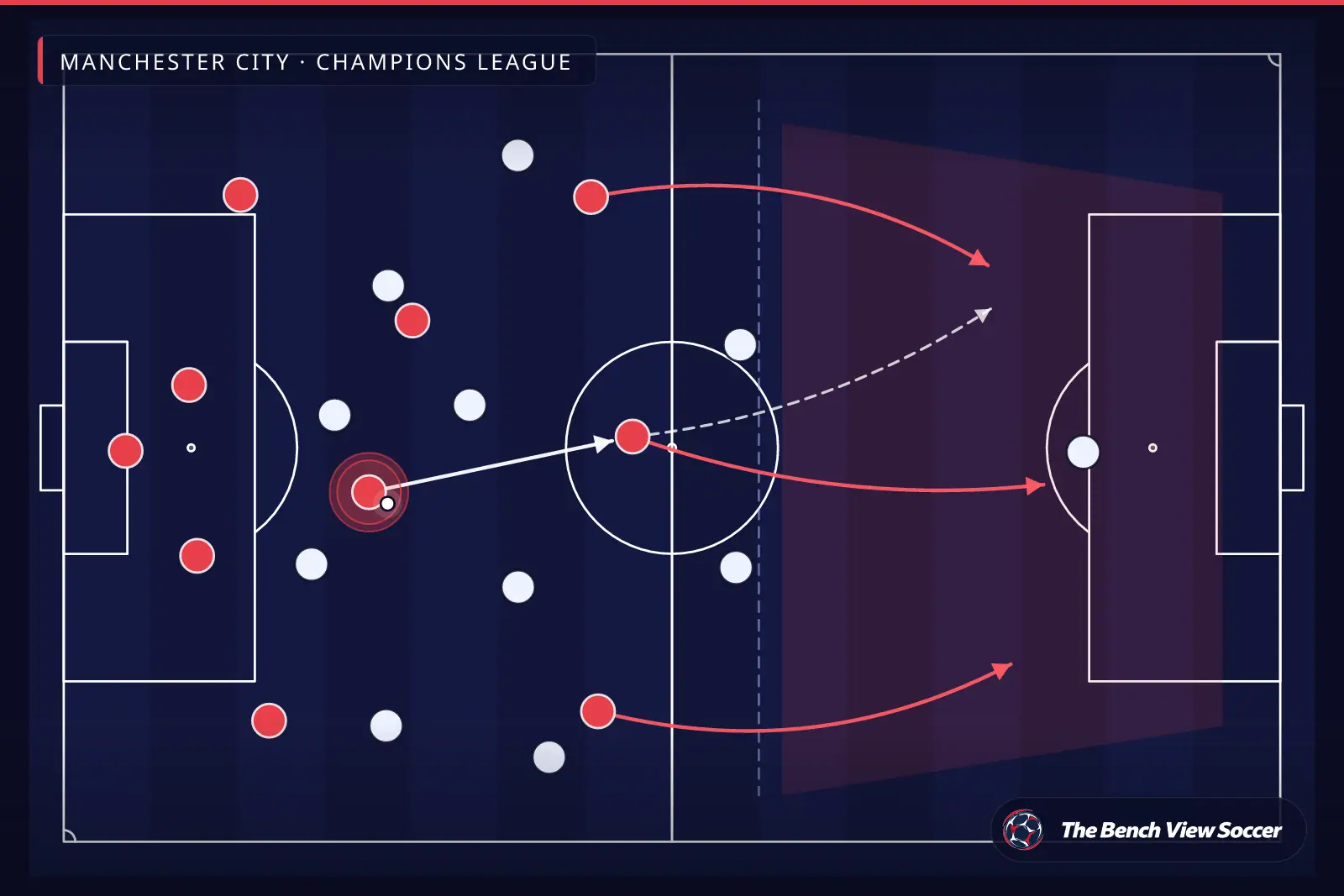
Haaland winner underlines City's resilience and transition threat vs Leipzig
November 6, 2026
Raya’s save and Arsenal’s response to last season’s final pain: tactical lessons
November 6, 2026
Bayern’s Metropolitano masterclass: what their win reveals about shape, roles and control
November 6, 2026
United’s Old Trafford comeback and what it reveals about Carrick’s side
November 6, 2026