

Liverpool produced a composed and convincing away display in Belgium, beating Club Brugge 3-0 with goals that included strikes from Isak and Wirtz. The victory halted Club Brugge’s run, helped Liverpool recover from a recent Champions League setback and moved them closer to automatic qualification from their group while improving their chances in the league-phase standings.
What happened
On a bitterly cold night in Belgium, Liverpool recorded a 3-0 win over Club Brugge. The performance brought an end to Club Brugge’s previously impressive run and represented a response from Liverpool after a shock defeat in their last Champions League match. The visitors' goals included finishes by Isak and Wirtz. The result was framed as positive momentum for Liverpool ahead of a domestic derby, and was described in the context of the team building form from both significant individual signings and the collective.
The tactical reading
The facts point to a side that executed a clear, controlled game plan away from home. Winning 3-0 in an away European fixture suggests Liverpool managed transitions well, combined defensive solidity with purposeful attacking shape, and limited Club Brugge’s ability to press or create sustained chances. That control often comes from a disciplined structure in both possession and out of it, allowing subunits of the team to balance risk and support.
The presence of named goalscorers such as Isak and Wirtz points to effective forward involvement from players who can finish decisive moments. Typically, a team that produces multiple scorers in a single away match has found ways to create high-quality opportunities either through structured build-up play or by rapid, well-timed vertical actions. That requires coordinated movement from supporting players who can occupy and exploit the channels around the opposition’s defensive lines.
The outcome also suggests Liverpool’s midfield and defensive units limited the Belgian side’s momentum. Halting an opponent’s impressive run usually requires reducing the number of moments in which they can impose their preferred rhythm — by disrupting central passing lanes, forcing the opponent wide, or controlling the ball to deny sustained pressure. This is often achieved through both collective pressing triggers and positional discipline that prevent overloads.
Finally, the match context — a rebound from a previous Champions League defeat — indicates a pragmatic adjustment rather than wholesale tactical reinvention. Teams in that situation typically prioritise balance and risk management: securing a clean sheet to rebuild confidence while allowing creative outlets for match-winners. The Liverpool performance, as described, points to an approach that delivered efficiency in attack and stability at the back.
Key tactical points
- Control transitions: effective away wins in Europe often rely on managing moments immediately after turnovers rather than constant territorial dominance.
- Make forward players interchangeable around the box: having multiple match-opening scorers suggests movement and combination play that frees attackers from isolated roles.
- Neutralise opponent rhythm: stopping an opponent’s run usually requires coordinated pressing triggers combined with positional coverage to close central passing lanes.
- Value defensive compactness: clean sheets in away European fixtures typically stem from compact defensive blocks that limit high-quality chances and force opponents into lower-probability attempts.
- Respond pragmatically after setbacks: teams recovering from a poor result often prioritise structure and discipline to restore confidence before expanding creative risk-taking.
What to watch next
Heading into the next domestic fixture — described as a derby in the context of the week — watch how the team balances the momentum from this away win with the demands of a high-intensity local rivalry. Will the coaches keep the same pragmatic shape that secured an efficient European victory, or will they tilt the set-up to accommodate the higher emotional and transitional demands of a derby?
Also observe how the attacking talents who scored in Belgium are integrated in successive games. Are they given similar freedom to interchange and make late runs into danger areas, or will the system evolve to increase central control and possession dominance against different domestic opponents?
Train it
To rehearse the combination of defensive stability and efficient forward transitions, use a 6v6 + 2 neutral players rondo that emphasises quick vertical switch and immediate recovery when possession is lost. The exercise trains compact defensive blocks, pressing triggers and the attacking patterns needed to create clear scoring chances from transition.
- Set-up: play in a 30x30m grid with two small goals at each end; two neutral players float and always play for the team in possession.
- Objective: attacking team attempts three quick vertical passes and a forward penetration (line-breaking pass or dribble) to neutral players who can finish; losing team must recover as a compact unit and prevent penetration for 6 seconds.
- Coaching focus: encourage fast recognition of pressing triggers, compact shifting to close central lanes, and forward players making penetrating runs to exploit created half-spaces.
Sources
- The Guardian: Isak and Wirtz on target as resurgent Liverpool sweep aside Club Brugge
- Sky Sports: Isak and Wirtz power Liverpool to easy victory at Club Brugge
- Sky Sports: Why wasn't Szoboszlai's free-kick ruled out vs Man Utd?
- The Guardian: ‘I’m loving it at Brugge’: Freddie Potts on going from West Ham’s bench to Champions League
The Bench View app
Don’t just read football — train it
Everything you read here, turned into training you can follow step by step.
Physical training at home
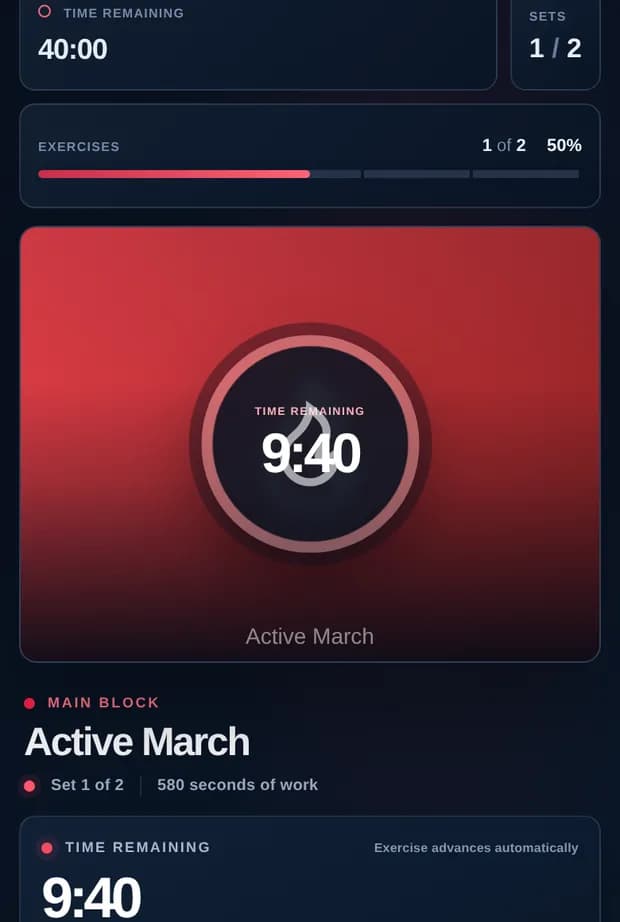
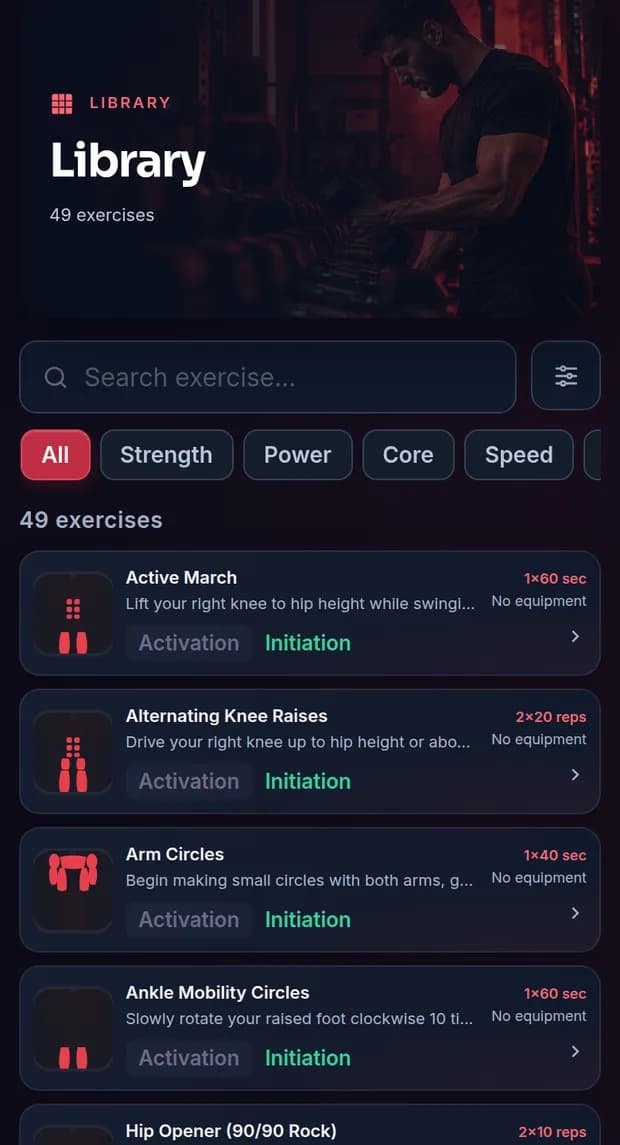
AI daily sessions adapted to your level and position. No equipment needed.
Tactical training courses
Step-by-step courses on positioning, pressing, build-up and decision making.
- 7 days free
- No commitment
- Cancel anytime
Free account: 2 physical sessions + the first tactical course. PRO: 7-day free trial — cancel before day 8 and you pay nothing.
More Analysis
How Lille's two-minute swing exposed Bayern's balance — tactical analysis of a shock result
November 26, 2026
Match AnalysisLate header stings Villa in Istanbul — and raises questions about Emery’s attacking options
November 25, 2026
Match AnalysisArsenal held 1-1 by Dortmund — finishing lapses and game-management lessons
November 25, 2026
Match AnalysisCherki rescue masks wider fluency issues as Man City's machine grinds
November 25, 2026