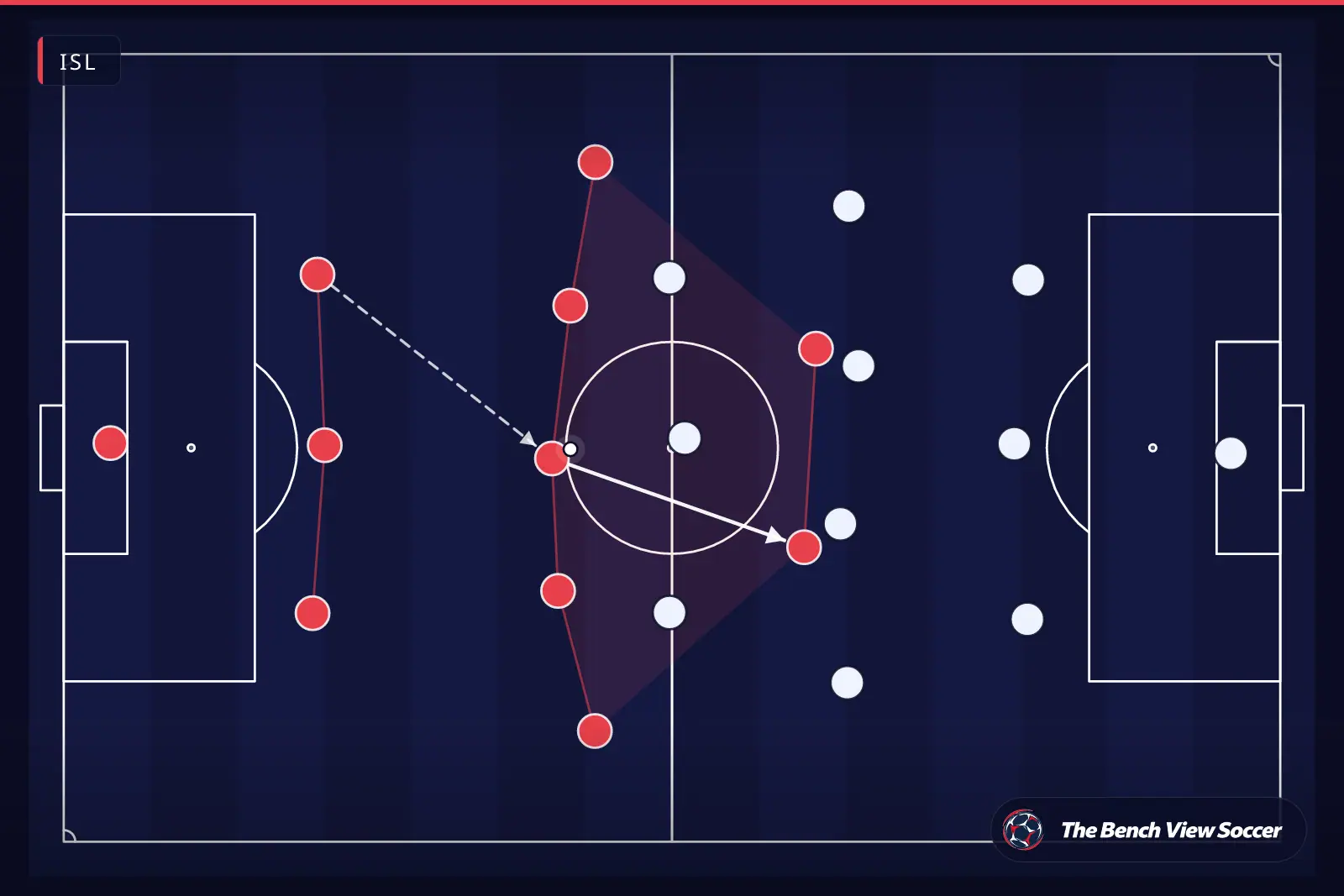
Chennaiyin FC formation analysis ISL
Football in India is booming: from Sunil Chhetri’s legendary influence to the tactical battles between Bengaluru FC, Mumbai City FC and Kerala Blasters, the ISL drives tactical literacy among fans and players. Chennaiyin FC sit at the heart of that conversation—how they set up, press and adapt offers excellent learning for motivated players.
This Chennaiyin FC formation analysis ISL piece is written for players who want practical coaching insight. I’ll translate formations into training tasks, show step-by-step analysis, and compare real ISL examples so you can implement the ideas in matches or training.
What is Chennaiyin FC formation analysis ISL?
Chennaiyin FC formation analysis ISL is a detailed study of the team’s tactical shapes, player roles and in-game adjustments. It looks at starting formations (commonly 4-2-3-1 or 4-3-3), phase transitions—build-up, press, and counters—and how individual decisions affect collective outcomes.
How to analyze Chennaiyin FC formation?
- Collect match footage: Obtain full-game videos and 10–15 minute highlights. Watch first for overall shape, then focus on phases—possession, transition, out-of-possession.
- Map the base formation: Identify the starting XI and initial shape. Note if they use a flat midfield, double pivot, or single pivot and how the full-backs position themselves.
- Track player roles: Label who acts as creator, deep-lying pivot, inverted full-back or wide attacker. Track occupation of half-spaces and wide corridors.
- Analyze transitions: Pause and study moments when possession is won/lost. Note pressing triggers, counter-attacks and how the striker’s movement creates space.
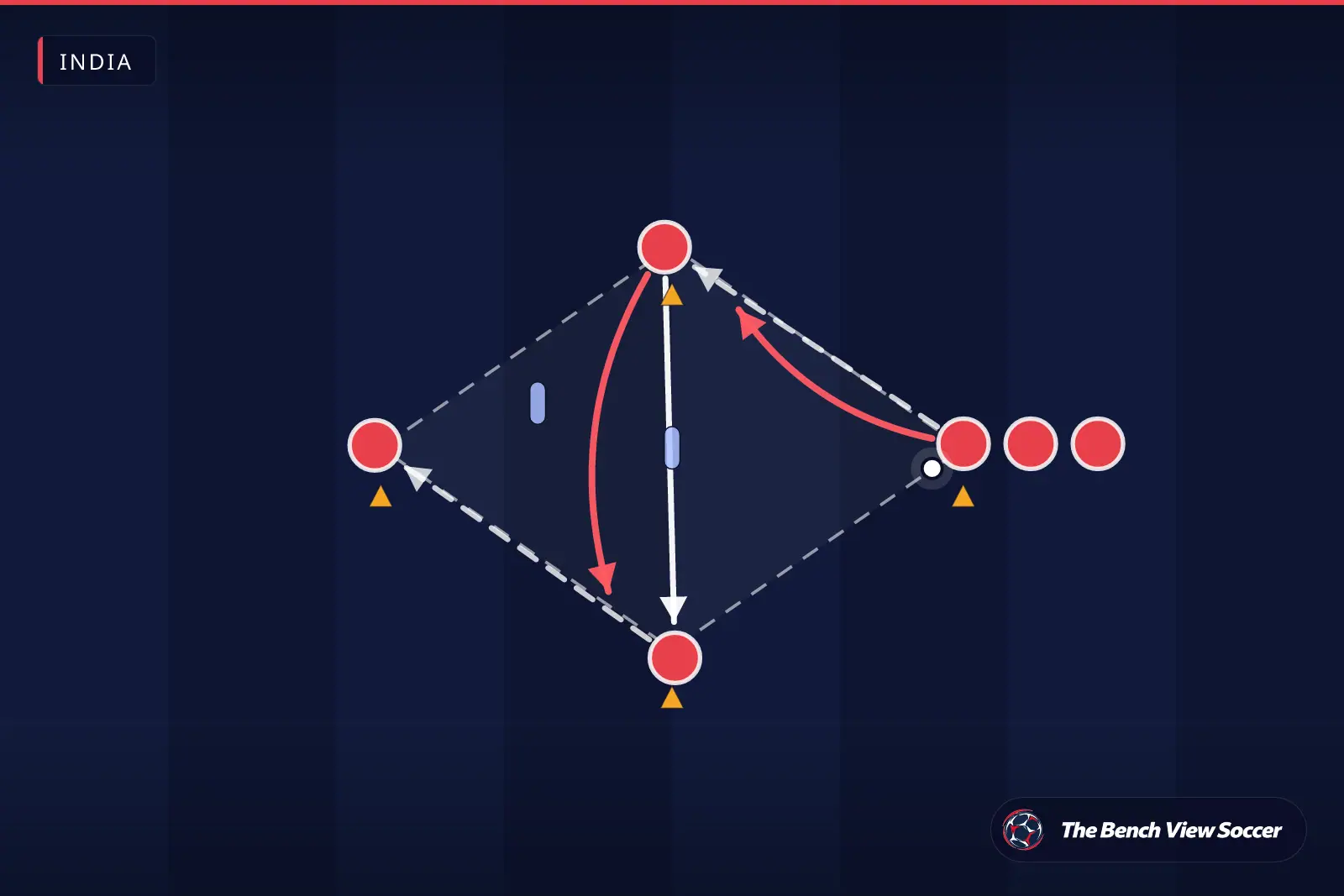
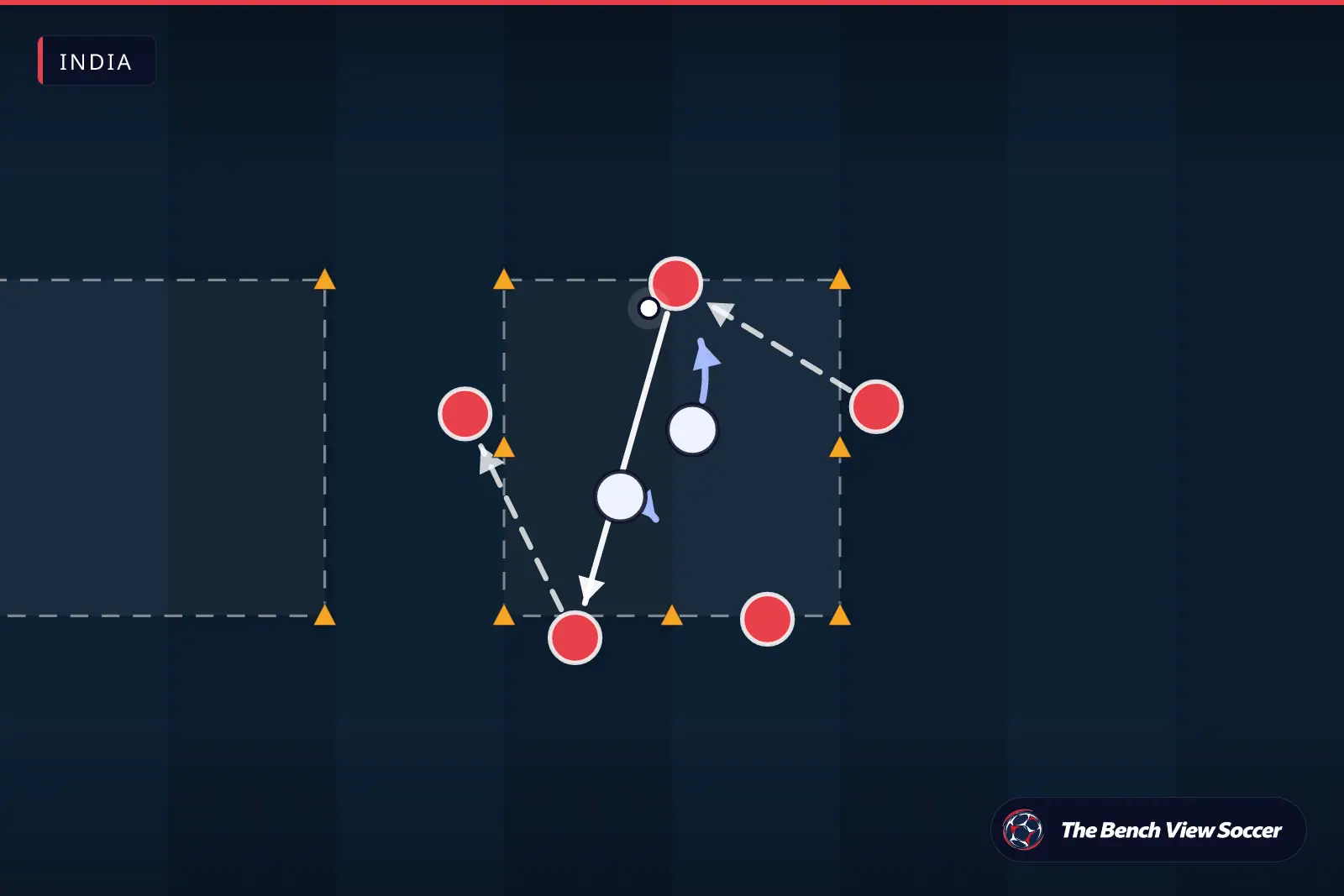
- Translate to practice: Design drills that reproduce key moments—2v2 wide overloads, pivot passing patterns, and high press scenarios. Test with different tempos and constraints.
What are real examples from ISL?
Study these ISL moments to see Chennaiyin’s logic in action:
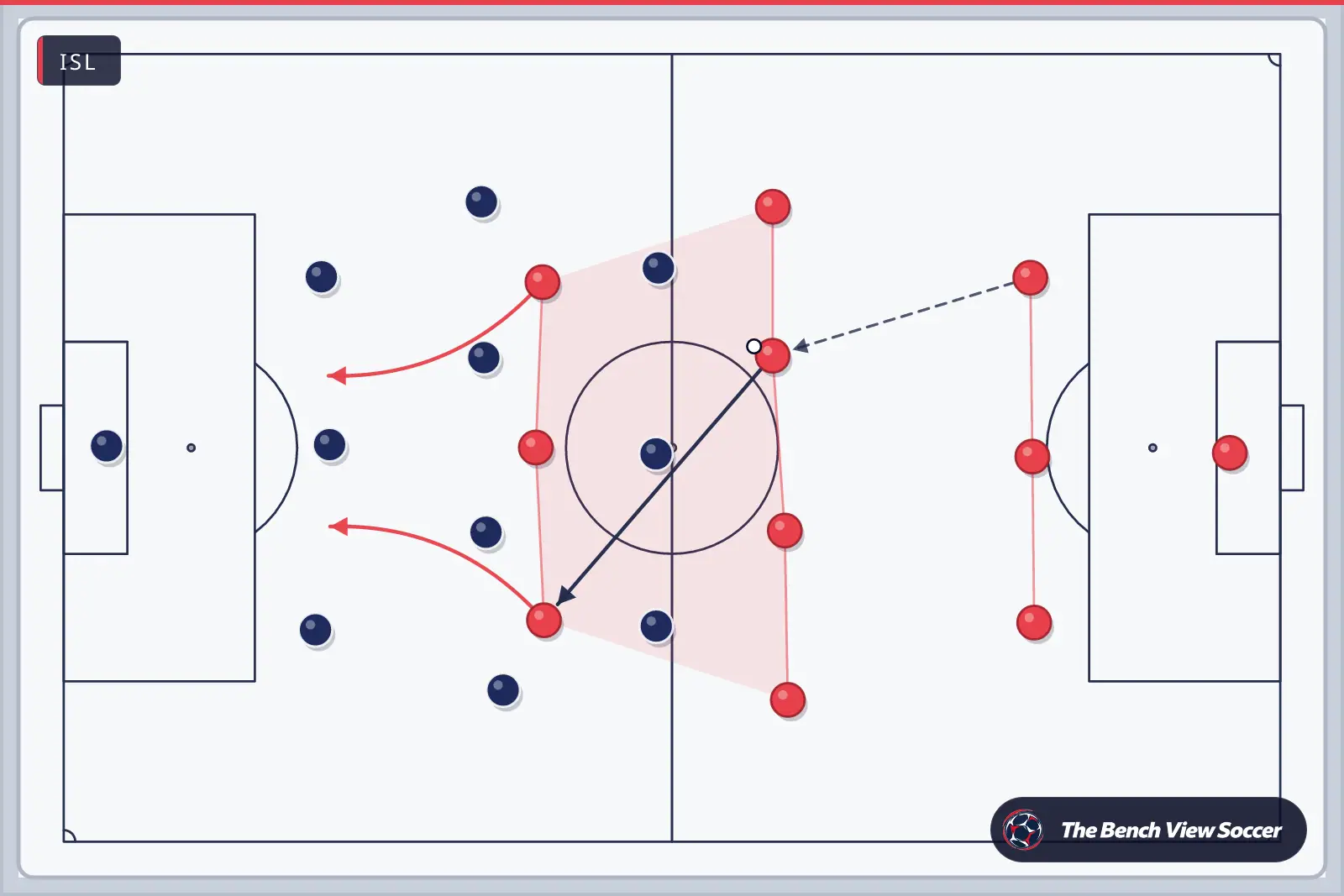
- Buildups vs Mumbai City FC: Chennaiyin often dropped a pivot to invite pressing, creating a long diagonal to the winger—mirrors how Mumbai City under certain coaches exploit space on the opposite flank.
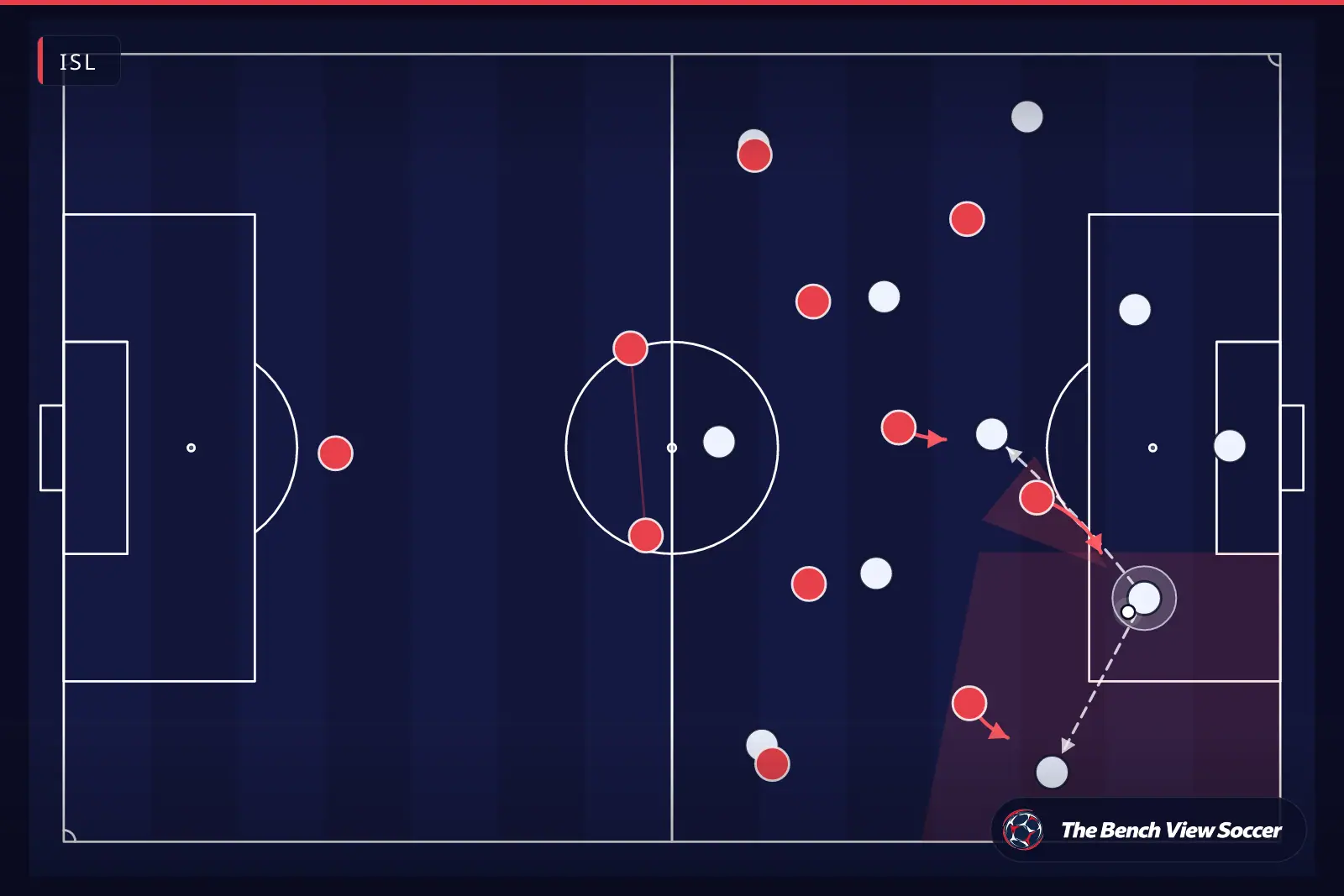
- Matches against Kerala Blasters: When facing a direct opponent, Chennaiyin’s full-backs pushed higher to support wingers, turning a 4-2-3-1 into a situational 4-3-3 in attack.
- Games vs Bengaluru FC: Defensive compactness mattered—Chennaiyin compacted narrow channels to force Bengaluru wide and then countered via quick vertical passes to the striker.
These comparative moments show how Chennaiyin adapt formations based on opponent strengths—an essential lesson for young players watching ISL football.
What are the best tips to analyze and learn from Chennaiyin FC formation analysis ISL?
- Watch with a coaching lens: Pause and ask why a player occupies a specific half-space at a given moment.
- Focus on transitions: Many matches are decided in the 10 seconds after turnover—train situational drills for those phases.
- Learn role flexibility: Study how a winger can become a winger/inside forward, and how full-backs invert or overlap depending on the pivot’s positioning.
- Recreate patterns in training: Turn observations into repeated 6–8 minute small-sided exercises to build muscle memory.
- Use data and video together: Combine heatmaps and pass networks with clips to confirm visual observations.
- Compare across ISL teams: Watch Chennaiyin alongside Bengaluru FC or Mumbai City FC to see tactical contrasts and why coaches adjust shapes.
Mistakes to avoid?
- Ignoring context: Don’t analyze formation as static; always note how it changes with possession or opponent pressure.
- Overfocusing on labels: A “4-2-3-1” tag is shorthand—prioritize player roles and movements over rigid numbers.
- Neglecting transition moments: Studying only settled possession misses where Chennaiyin win or concede advantage.
- Copying without conditioning: Trying advanced positional plays without fitness or spatial awareness training will fail; build progressive drills first.
Frequently Asked Questions?
How flexible is Chennaiyin FC’s formation in the ISL?
Chennaiyin typically oscillates between 4-2-3-1 and 4-3-3, switching based on opponent and match state. Flexibility comes from full-backs pushing high, one pivot sitting deep and an attacking midfielder rotating into half-spaces. That adaptability defines their ISL tactical identity.
Related Resources
Which players define Chennaiyin’s tactical shape?
Key players who typically shape formation include the central pivot (who dictates tempo), inverted full-backs who provide width, and an attacking midfielder who links with the striker. Identifying these players in each match is essential for a full Chennaiyin FC formation analysis ISL.
How can young players practice Chennaiyin-style formations?
Young players should practice role-specific drills: pivot passing and screening, full-back overlapping rounds, winger inside/out runs, and striker rotation. Small-sided games with zone restrictions recreate formation responsibilities in a controlled environment.
Does Chennaiyin adjust formation against teams like Mumbai City or Bengaluru FC?
Yes. Against possession-heavy teams like Mumbai City, Chennaiyin may sit deeper and counter. Versus direct or physical sides like some past Bengaluru lineups, they compact centrally to deny penetration, then use wide transitions to exploit space.
Conclusion: Use this Chennaiyin FC formation analysis ISL as a training roadmap. Study the shapes, translate them into drills, and test them in training matches. Indian football’s growth—from Sunil Chhetri’s era to modern ISL tacticians—means players who understand formations gain a competitive edge. Start our free courses on The Bench View Soccer.