futsal training for Indian football players
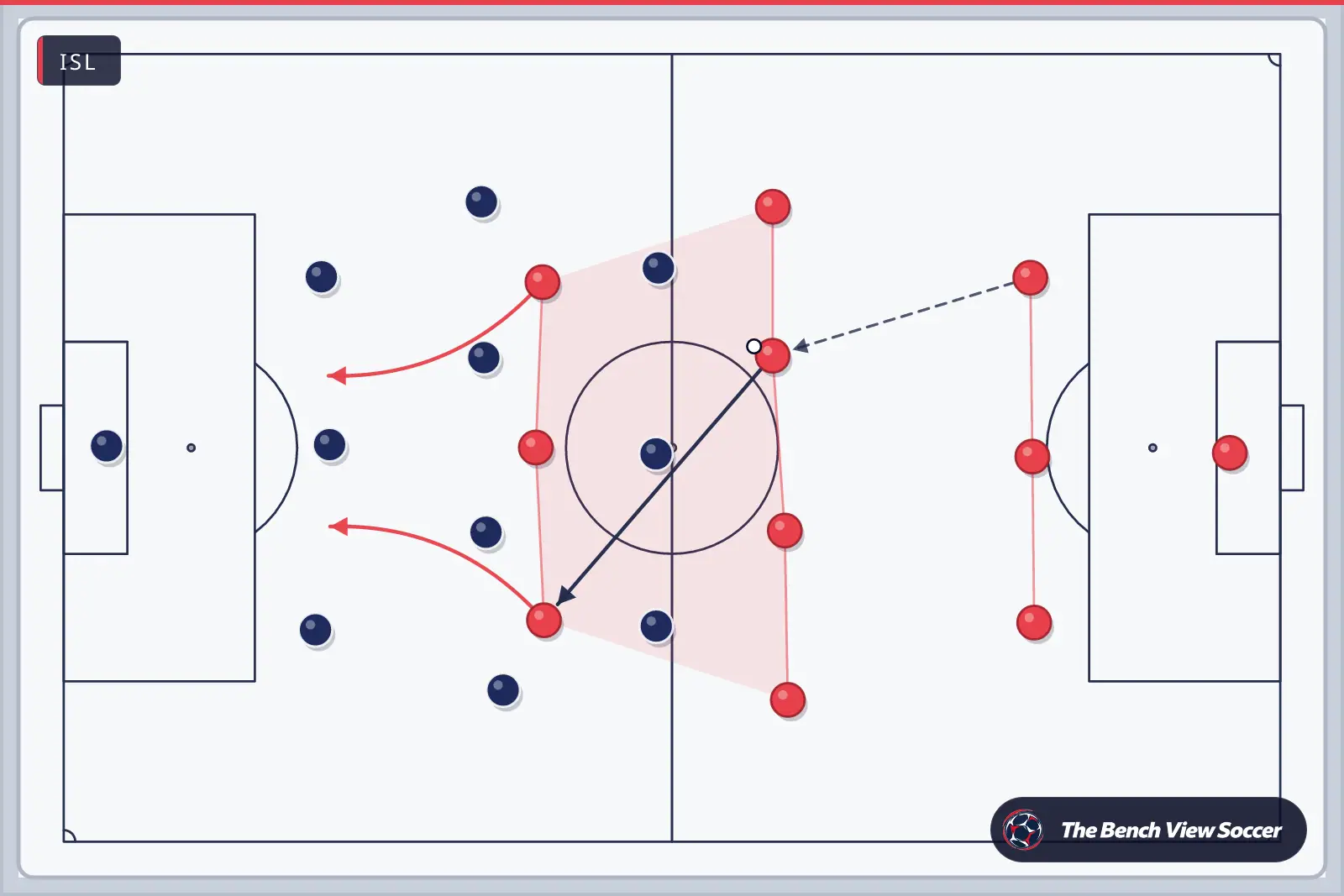
India’s football scene is booming: the Indian Super League, I-League, Durand Cup and Super Cup are raising standards, while stars like Sunil Chhetri and clubs such as Bengaluru FC, Mumbai City FC and Kerala Blasters inspire millions. As pitches get faster and tactical demands rise, futsal training becomes an essential tool for Indian players wanting to gain a technical edge.
This article, written from an expert coach perspective, explains what futsal training for Indian football players means, how to implement it in practice sessions and match preparation, and which common mistakes to avoid. The guidance mixes beginner-friendly drills with practical depth for academy coaches and motivated players.
What is futsal training for Indian football players?
Futsal training for Indian football players is a structured method using small-sided, high-intensity futsal drills to improve close control, quick passing, spatial awareness and decision-making in tight spaces. It focuses on technique, first touch, body orientation and rapid transitions that directly transfer to 11v11 football performance.
How to implement futsal training for Indian football players?
- Start with technique warm-ups: 8–12 minutes of quick-touch passing, toe-touches, sole rolls and inside-outside dribbles to wake up the nervous system and ball familiarity.
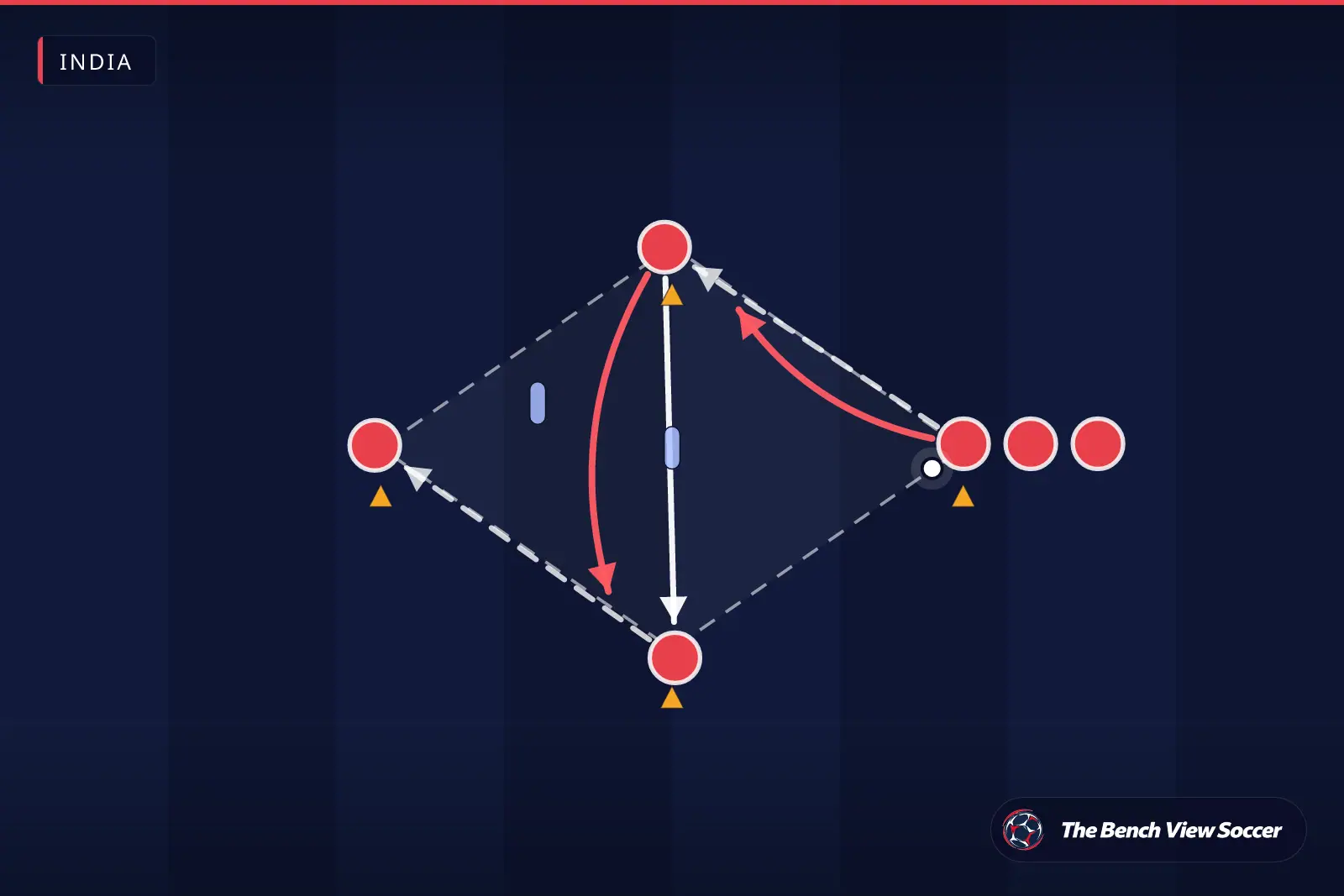
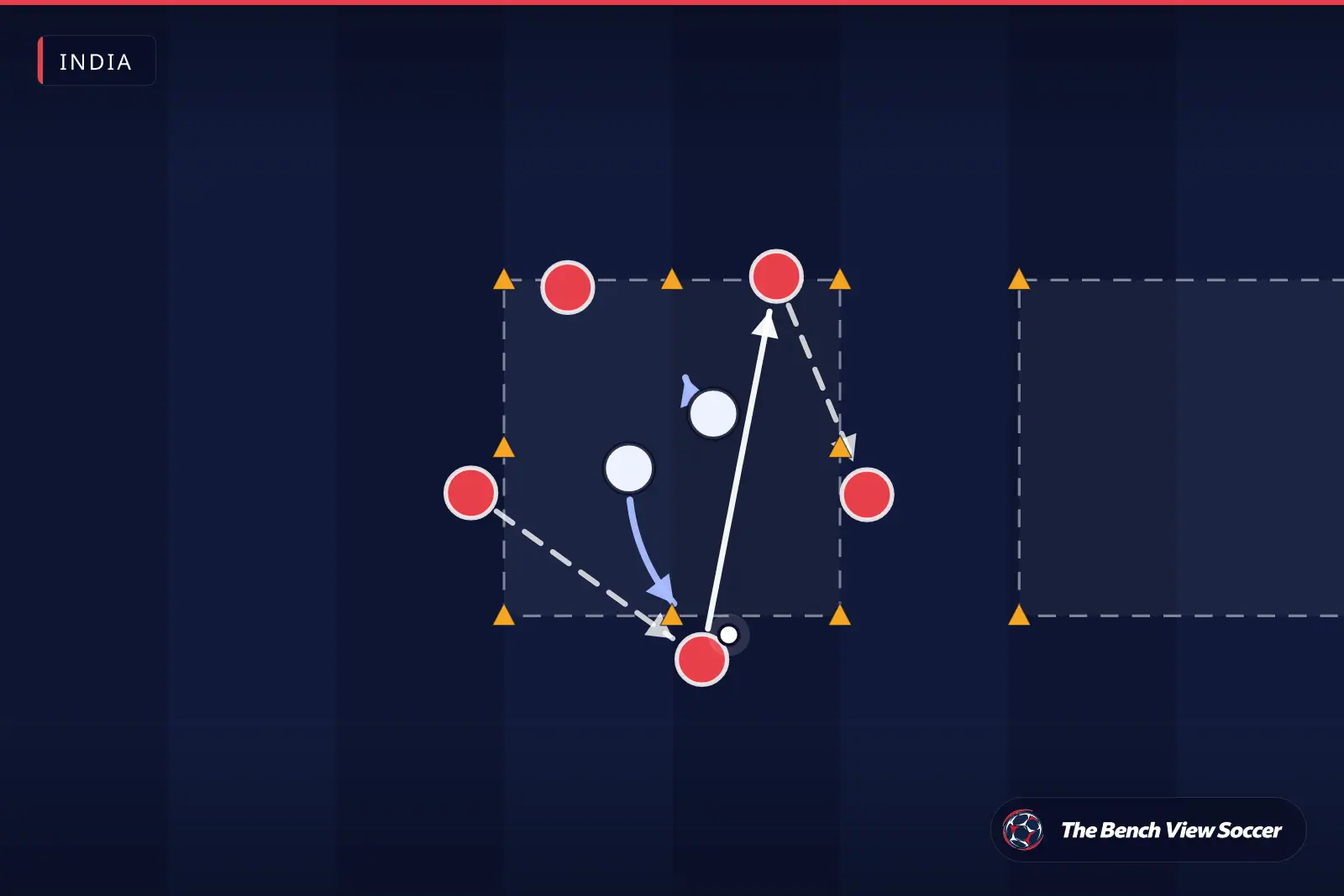
- Rondos and possession circuits: use 3v1 or 4v2 rondos for 6–8 minute sets to train scanning, first touch and one-touch passes under pressure. Rotate defenders frequently.
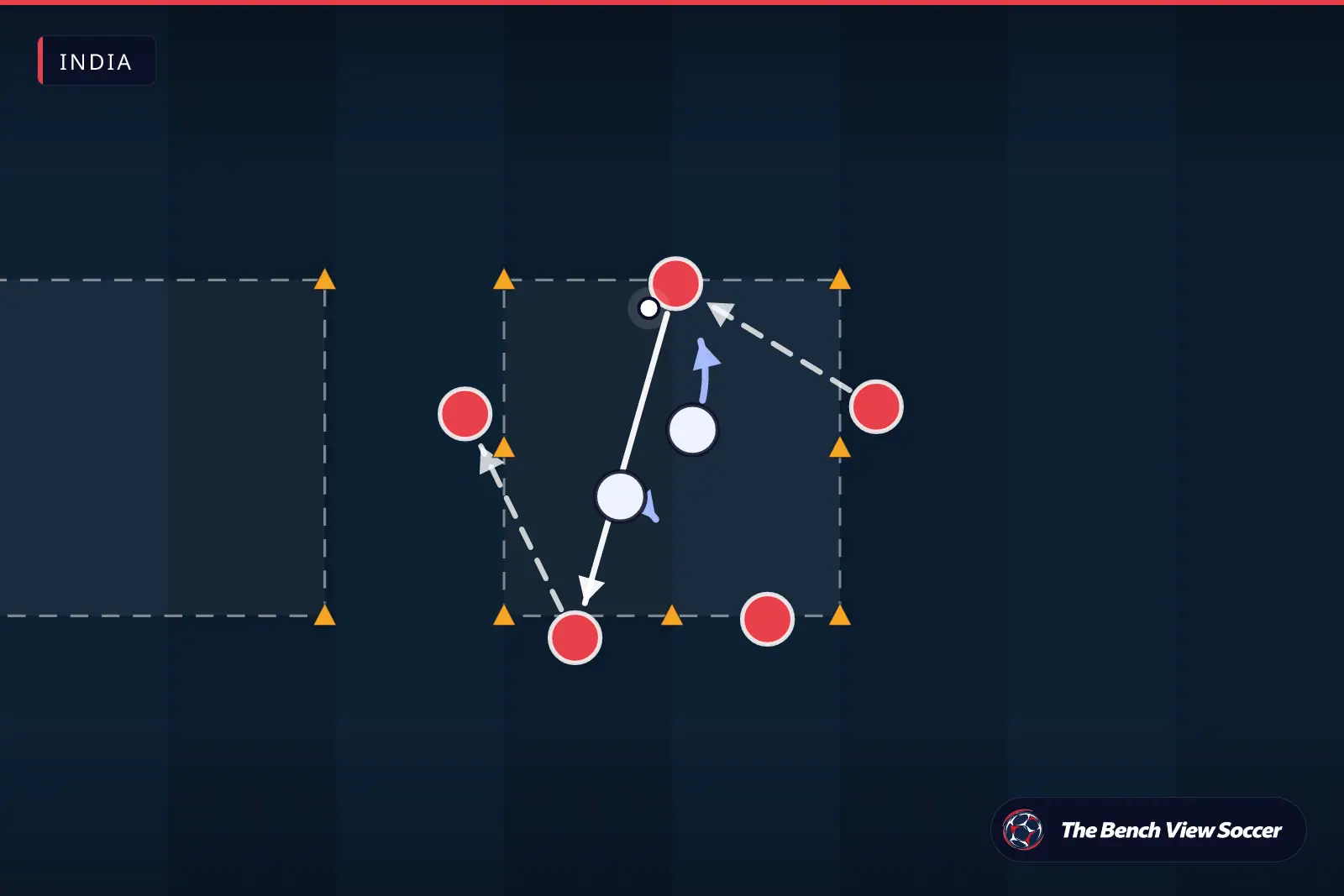
- Small-sided games (SSGs): run 2v2, 3v3 or 4v4 matches on a futsal-sized court for 10–15 minute intervals. Emphasize angled runs, wall passes and quick transitions; coach interruptions to correct positioning enhance learning.
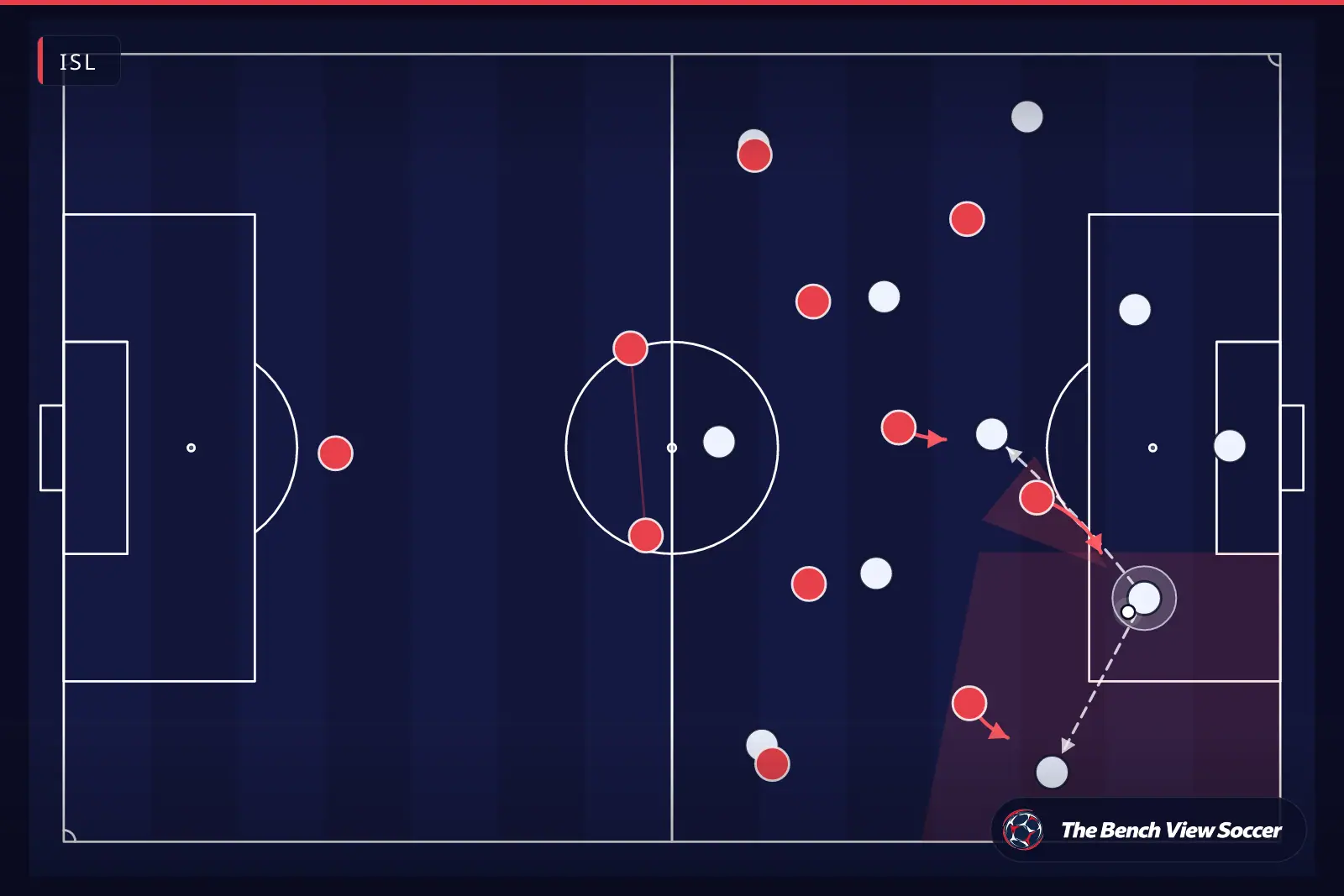
- Conditioned finishing: create tight-angle shooting drills from rebounds and combinations, simulating crowded penalty-area scenarios common in ISL play. Emphasize composure and quick release.
- Transfer to full pitch: finish sessions with a 7v7 or positional phase on a reduced pitch, applying skills learned. Review with short video clips or coach feedback to close the learning loop.
Real examples from ISL?
Several ISL clubs and Indian academies have adopted futsal concepts. Bengaluru FC’s youth setup uses rondos and small-sided quick transition drills to build composure. Mumbai City FC incorporate tight-space patterns to help midfielders find pockets of space. Kerala Blasters have run futsal-style circuits to sharpen full-back combinations. Senior pros like Sunil Chhetri credit small-sided play for maintaining sharp feet and decision speed throughout long seasons.
Best tips to apply futsal training for Indian football players?
- Train consistently: 2–3 futsal-focused sessions weekly yield clear improvements in touch and decision-making.
- Prioritize quality reps over volume: short, intense repetitions of the same movement accelerate motor learning.
- Use live opposition: real pressure beats static drills. Even trained teammates as passive defenders won’t replicate match stress.
- Mix technical and tactical goals: every drill should have a measurable objective—faster first touch, fewer touches, or a specific pass type.
- Record and review: quick video clips of sessions help players see body orientation and scanning habits to self-correct.
Mistakes to avoid when applying futsal training?
- Neglecting physical specificity: futsal is intense; avoid long low-intensity sessions that fail to replicate match tempo.
- Overloading complexity: introduce tactical concepts gradually—too many rules or conditions confuse young players.
- Ignoring transition phases: many coaches focus on possession but forget quick defensive-to-offensive or offensive-to-defensive switching.
- Failing to connect to 11v11: without regular transfer drills, technical gains may not appear in full-pitch matches.
Frequently Asked Questions?
How often should Indian players train futsal to see benefits?
Two to three focused futsal sessions per week, each 60–90 minutes, produce noticeable improvements in first touch, passing speed and tight-space control within 6–8 weeks. Combine with full-pitch tactical work to ensure skills transfer to match situations.
Related Resources
Can youth academies in India use futsal equipment and courts easily?
Yes. Many schools and clubs repurpose indoor halls or small pitches for futsal. Simple equipment—flat balls, small goals and cones—suffices. The priority is consistent small-sided training and coach education on drill progression.
Does futsal help defensive skills for football players?
Absolutely. Futsal sharpens close-marking, anticipation and recovery positioning because defenders face constant one-on-one and two-on-one scenarios. It also improves foot speed for quick tackles and interceptions inside the penalty area.
How do I measure improvement from futsal training?
Track measurable metrics: successful one-touch passes, average touches per possession, successful 1v1 outcomes and time to first shot in SSGs. Video analysis and periodic small-sided match results provide objective progress markers.
Conclusion
Futsal training for Indian football players is a pragmatic, high-impact method to elevate technique, decision-making and match composure. When integrated correctly into weekly programming, it accelerates development for players from grassroots to ISL standards. Start our free courses on The Bench View Soccer.