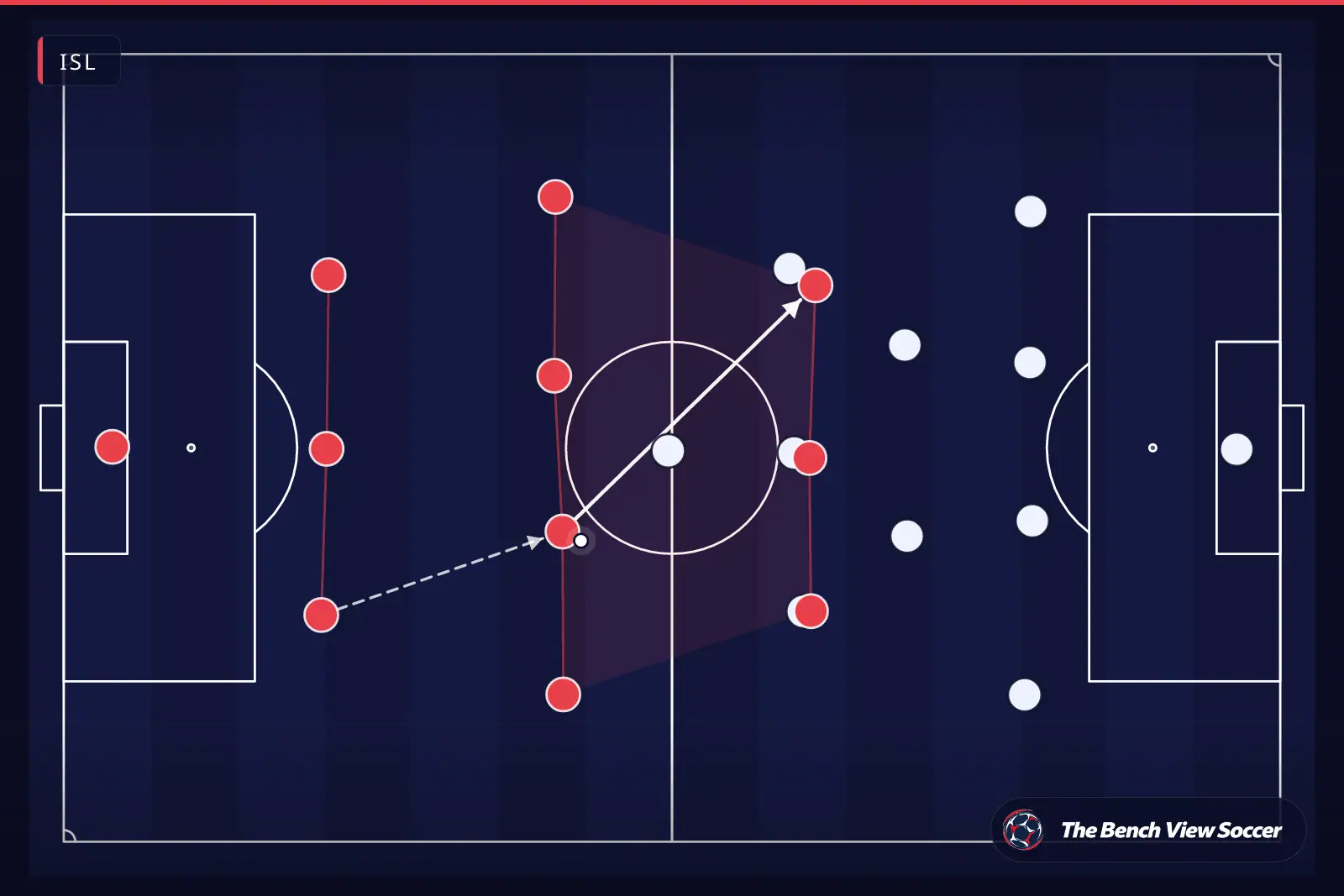
ISL derby Kolkata Bengaluru tactical preview
Football in India is growing fast, and derbies like Kolkata vs Bengaluru capture a nation where cricket rules but football stirs deep, regional passion. Fans remember Sunil Chhetri’s poise for Bengaluru, the noise of Kolkata’s stands, and how tactical battles decide pride as much as points.
This ISL derby Kolkata Bengaluru tactical preview gives coaches and motivated players a practical blueprint: how each side sets up, the key tactical battles, and steps you can apply in training to close gaps or amplify strengths when these two teams meet.
What is ISL derby Kolkata Bengaluru tactical preview?
It’s a focused tactical analysis and game plan explaining how Bengaluru FC’s structure and pressing patterns confront a Kolkata team’s possession, wing play and set-piece threats. The preview isolates matchups, transition moments and coaching adjustments so players can prepare practically for the high-pressure ISL derby.
How to prepare tactically for the ISL derby Kolkata Bengaluru?
- Scout and map roles: Identify the opponent’s key creators, wing overload patterns and set-piece specialists. Make a one-page scout sheet for each starting eleven.
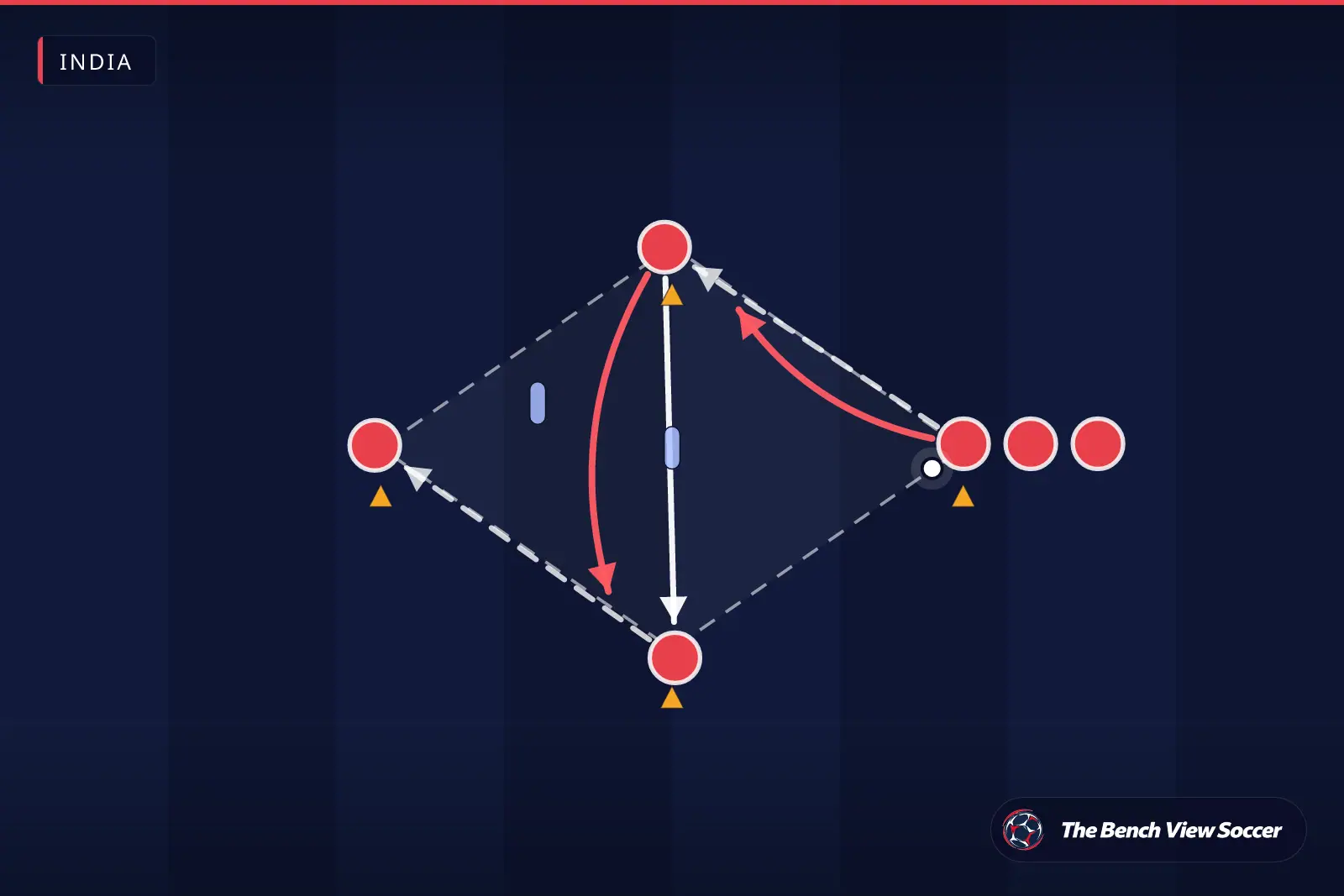
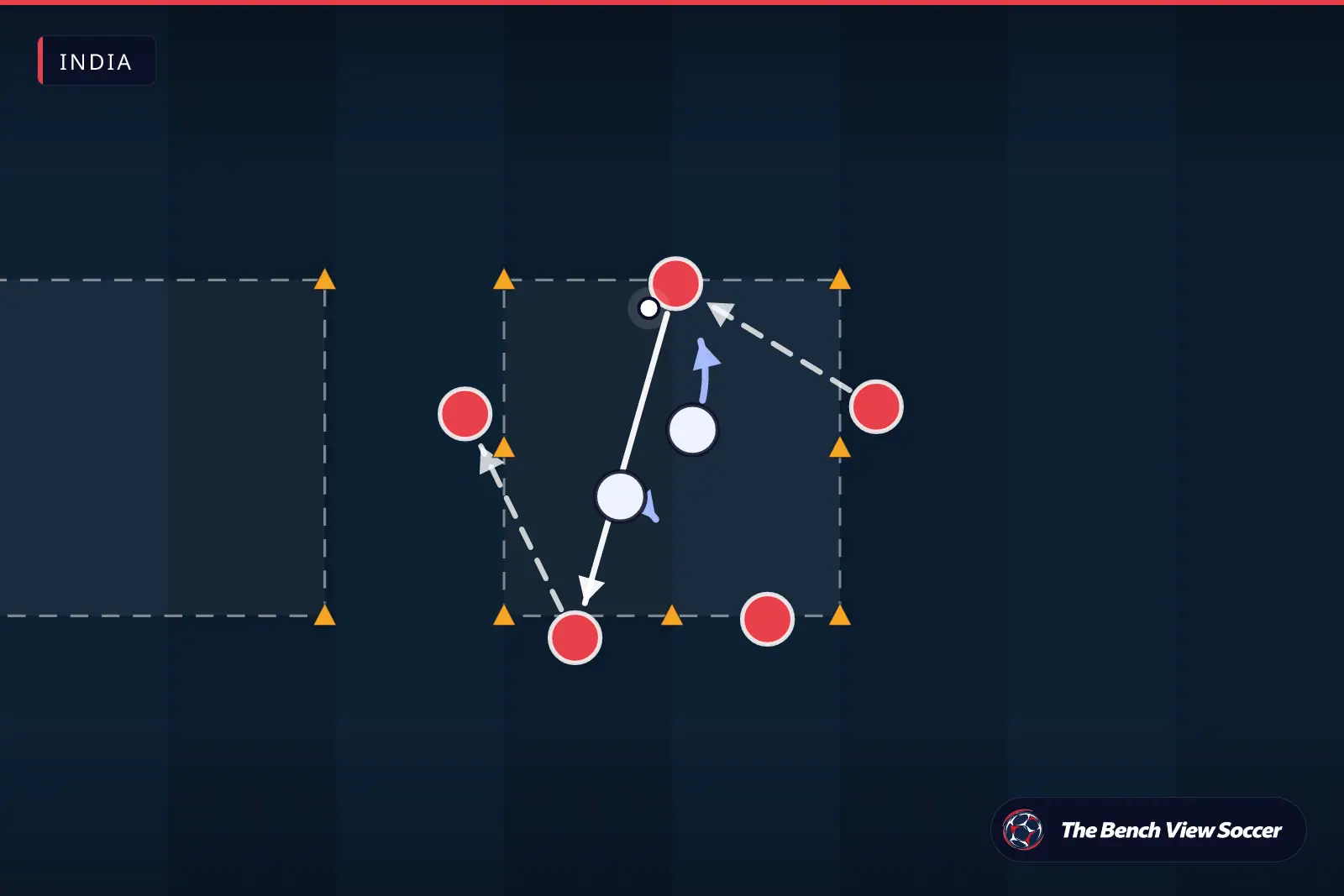
- Train transitional moments: Practice winning the ball in midfield, immediate vertical passes and third-man runs. Focus on three quick patterns to exploit counters.
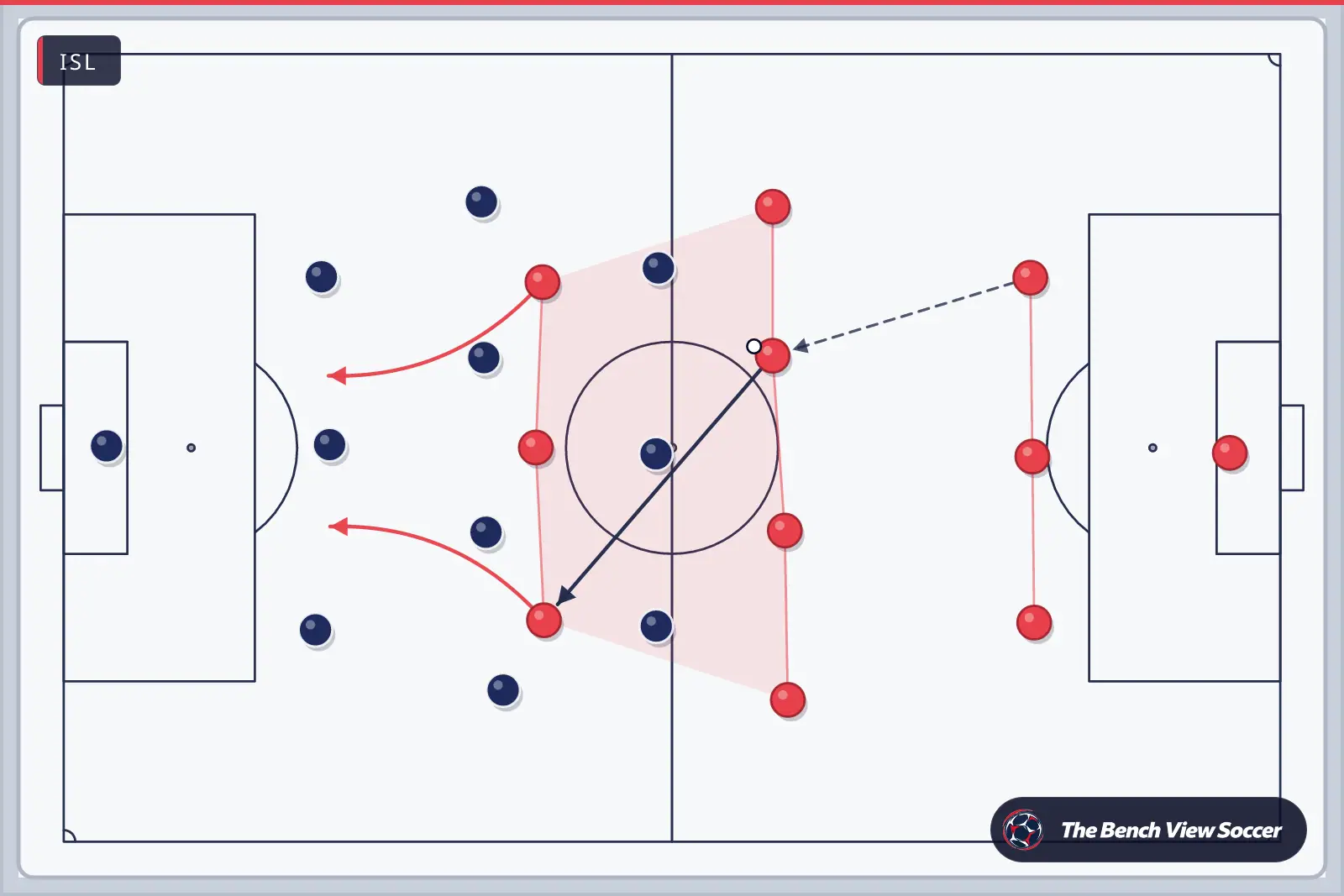
- Defensive shape and triggers: Drill the compact 4–1–4–1 or 4–2–3–1 block—decide when to press high versus drop. Use trigger cues (back pass, weak foot touch) to start coordinated pressing.
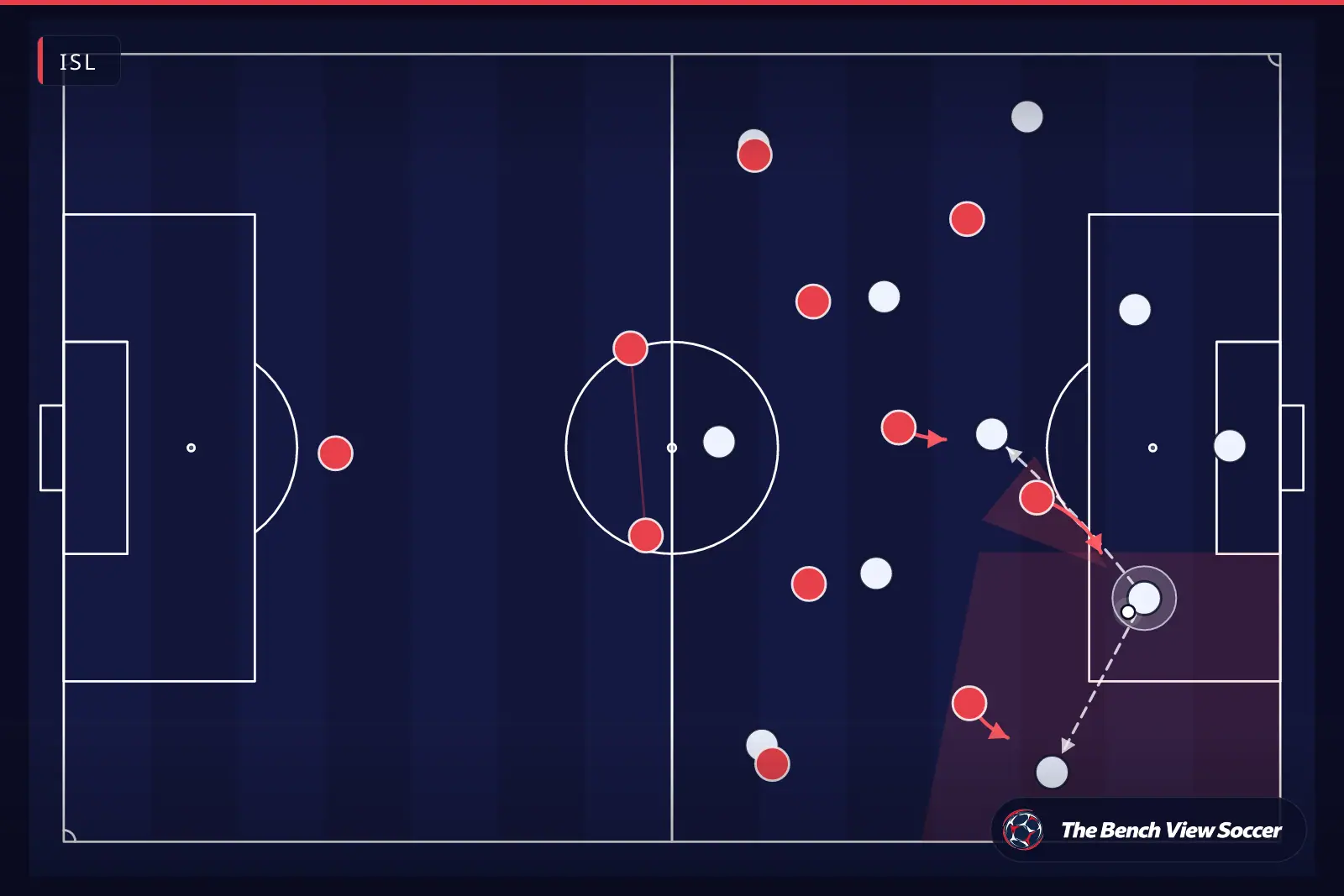
- Wide play plans: Rehearse how to neutralise Kolkata’s wing overloads—force play inside, double-team wide attackers, and use wing-backs for recovery runs.
- Set-piece and mentality routine: Allocate 15 minutes per session for attacking and defending corners/freekicks. Reinforce concentration routines for the last five minutes and rehearsed counter patterns after dead balls.
What are real examples from ISL?
Watch how Bengaluru FC used structured pressing to unsettle Mumbai City FC and how Sunil Chhetri’s late runs provided clinical counters—lessons transferable to a derby. Kolkata teams often rely on wing overloads and quick one-two play; Kerala Blasters and ATK Mohun Bagan have used wide combinations to stretch defences. In past ISL matches, Bengaluru’s compact midfield vs Kolkata-style possession created decisive turnovers in transition.
Specific clips to study: Bengaluru’s pressing sequences in the 2018–19 season, Kolkata’s set-piece routines from a recent Durand Cup and Kerala Blasters’ use of width to open central lanes. These examples show the practical adjustments coaches can borrow for the derby.
Best tips to coach tactics for the ISL derby Kolkata Bengaluru?
- Prioritise midfield control: Assign a dynamic number 6 to break lines and recycle possession quickly.
- Exploit quick transitions: Train one-or-two-touch forward passes immediately after regaining possession.
- Blindside runs: Encourage late runs from wide midfielders to exploit spaces vacated by overlapping full-backs.
- Set-piece specialisation: Design two rehearsed short-corner variants and one long-delivery routine for scoring chances.
- Manage game tempo: Teach players to use possession to calm the crowd pressure and speed up only when space opens.
Mistakes to avoid?
- Overcommitting full-backs: Avoid getting caught high by Kolkata’s counter-overloads—balance attacking intent with recovery duties.
- Neglecting transitions: Failing to train rapid shifts from attack to defence invites goals against from quick Kolkata counters.
- Ignoring set-piece focus: Derby atmosphere increases set-piece chances—underpreparation leads to costly goals.
- Being predictable: Repeating the same press triggers lets opponents craft escape routes; vary your pressing triggers and angles.
Frequently Asked Questions?
Q: Which formation suits Bengaluru against Kolkata?
A flexible 4–2–3–1 or 4–1–4–1 typically works best—both provide midfield density to stop Kolkata’s creative link-ups while allowing wide counters. Keep one disciplined holding midfielder to shield the backline and free creative players for transitions.
Q: How important are set pieces in this derby?
Very important. Intense derbies increase dead-ball situations and concentration errors. Practise zonal and man-mark variants, and designate players for second-ball runs; many derby goals come from well-rehearsed dead-ball routines.
Q: Who should mark Sunil Chhetri if he plays?
Assign a mobile defensive midfielder to track Chhetri’s deeper movements and a centre-back ready for his runs. The key is forcing him away from the preferred spaces and limiting service from wide areas.
Q: How can young players handle derby pressure?
Use incremental exposure: simulate crowd noise in training, rehearse simple possession tasks under pressure, and give clear roles. Focus on routines (set-piece roles, pressing triggers) to reduce anxiety and improve decision-making.
Derby football in the ISL is tactical chess and emotional theatre. This ISL derby Kolkata Bengaluru tactical preview gives a coachable structure—midfield control, disciplined full-backs, fast counters and set-piece focus—to tilt a tight game in your favour. Study match clips, rehearse transitions and make clear, simple roles for each player.
Start our free courses on The Bench View Soccer.