Jamshedpur FC tactical analysis 2025
India’s football scene is booming and the ISL drives tactical development from city to city. With icons like Sunil Chhetri inspiring the next generation and clubs such as Bengaluru FC, Mumbai City FC and Kerala Blasters raising standards, Jamshedpur FC’s tactical evolution in 2025 matters to every motivated player and coach in the country.
This tactical analysis explains Jamshedpur FC tactical analysis 2025 for players who want practical, on-pitch steps. I break down the team’s core patterns, training progressions, ISL examples, actionable tips and common mistakes so you can train like an elite prospect at local academies or state-level teams.
What is Jamshedpur FC tactical analysis 2025?
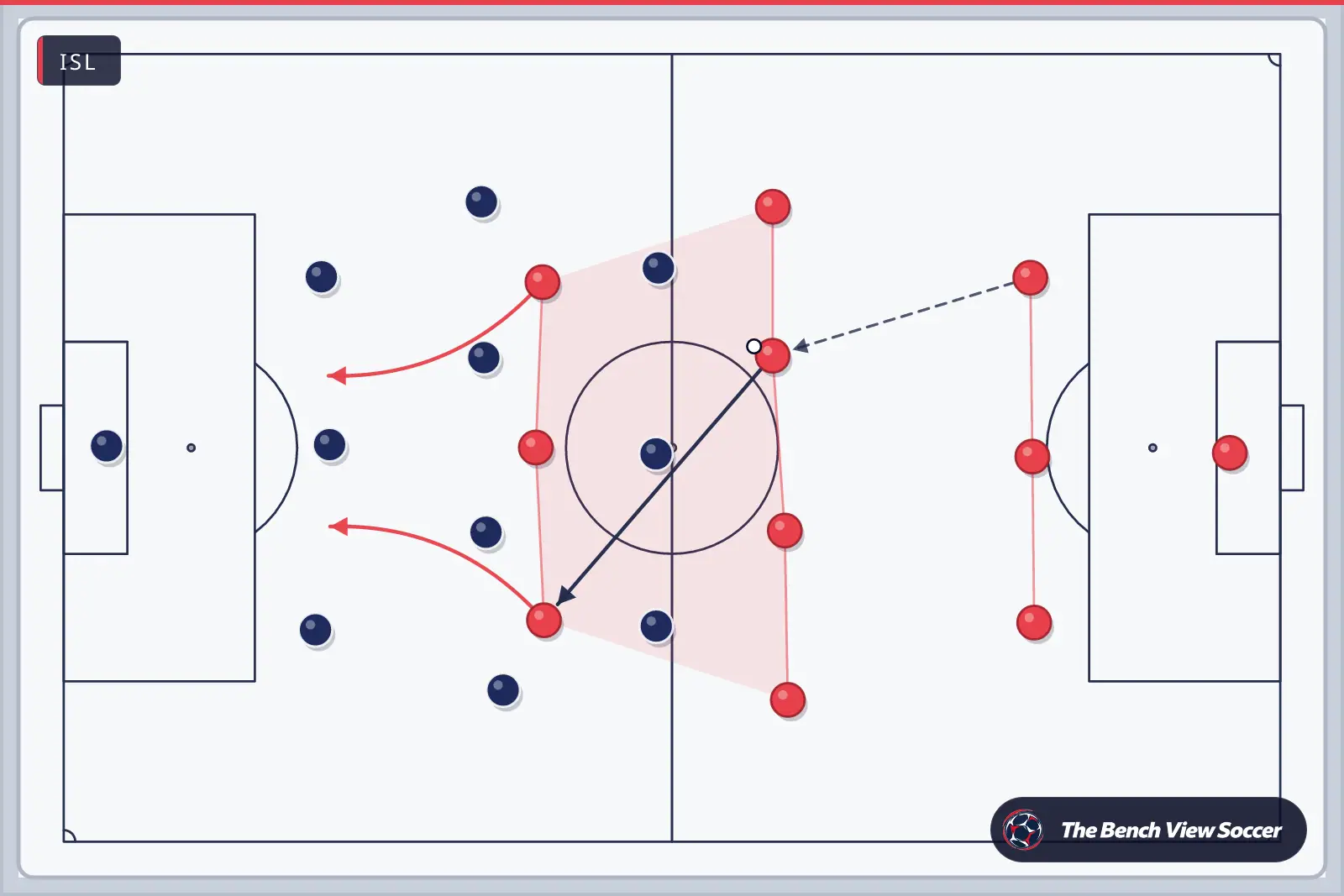
Jamshedpur FC tactical analysis 2025 describes the club’s preferred strategic profile: compact defending with a double pivot, progressive fullbacks who invert into midfield, and a forward who initiates pressing triggers. The side mixes positional control with rapid vertical transitions to exploit the half-spaces. For players, the focus is on disciplined positional play, timing in pressing and quick support runs.
How to implement Jamshedpur FC tactical analysis 2025?
- Set the base shape: Choose a practical formation like a 3-4-2-1 or 4-2-3-1 hybrid and train positional zones. Run drills where defenders and midfielders practice stepping up together and sliding to cover channels.
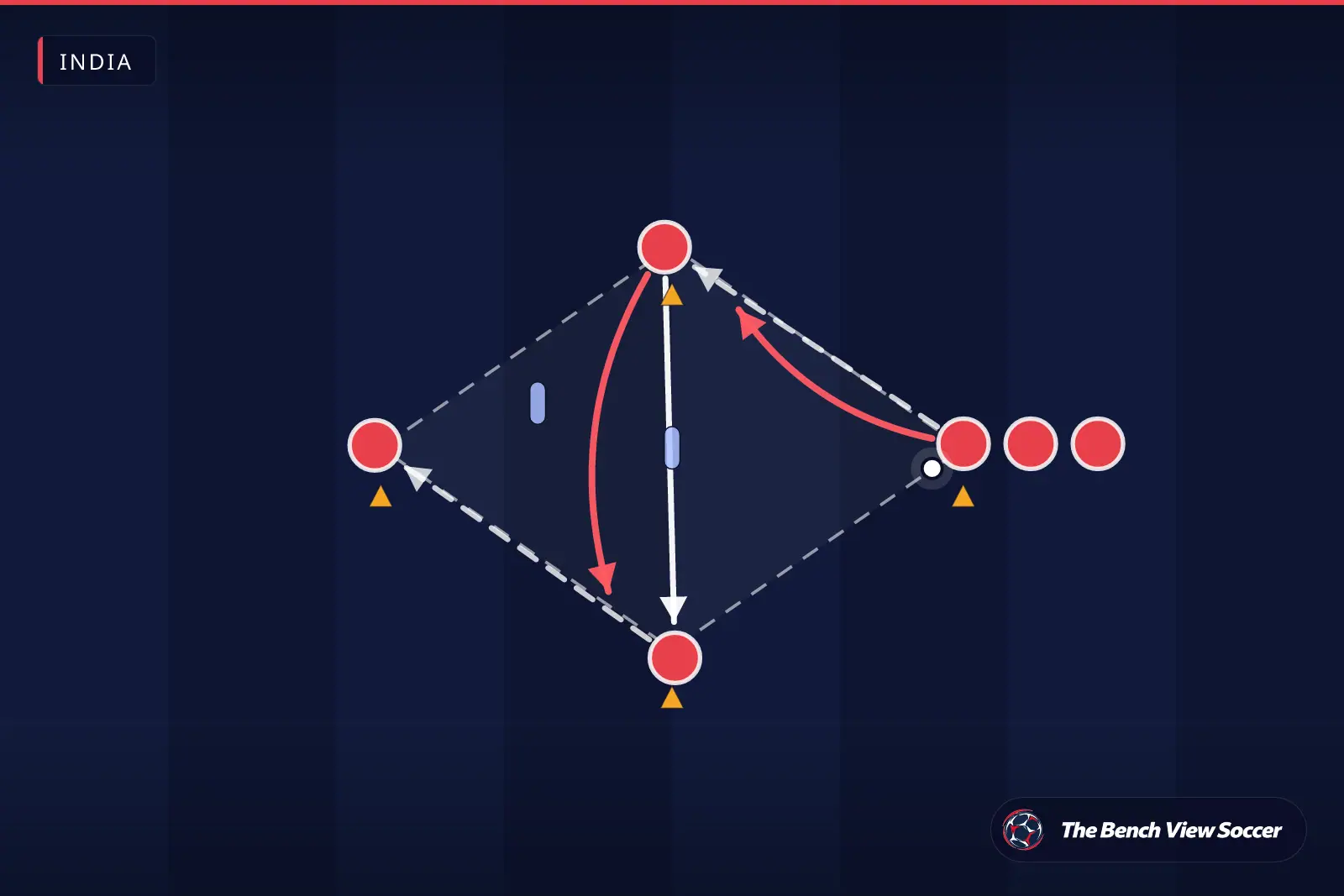
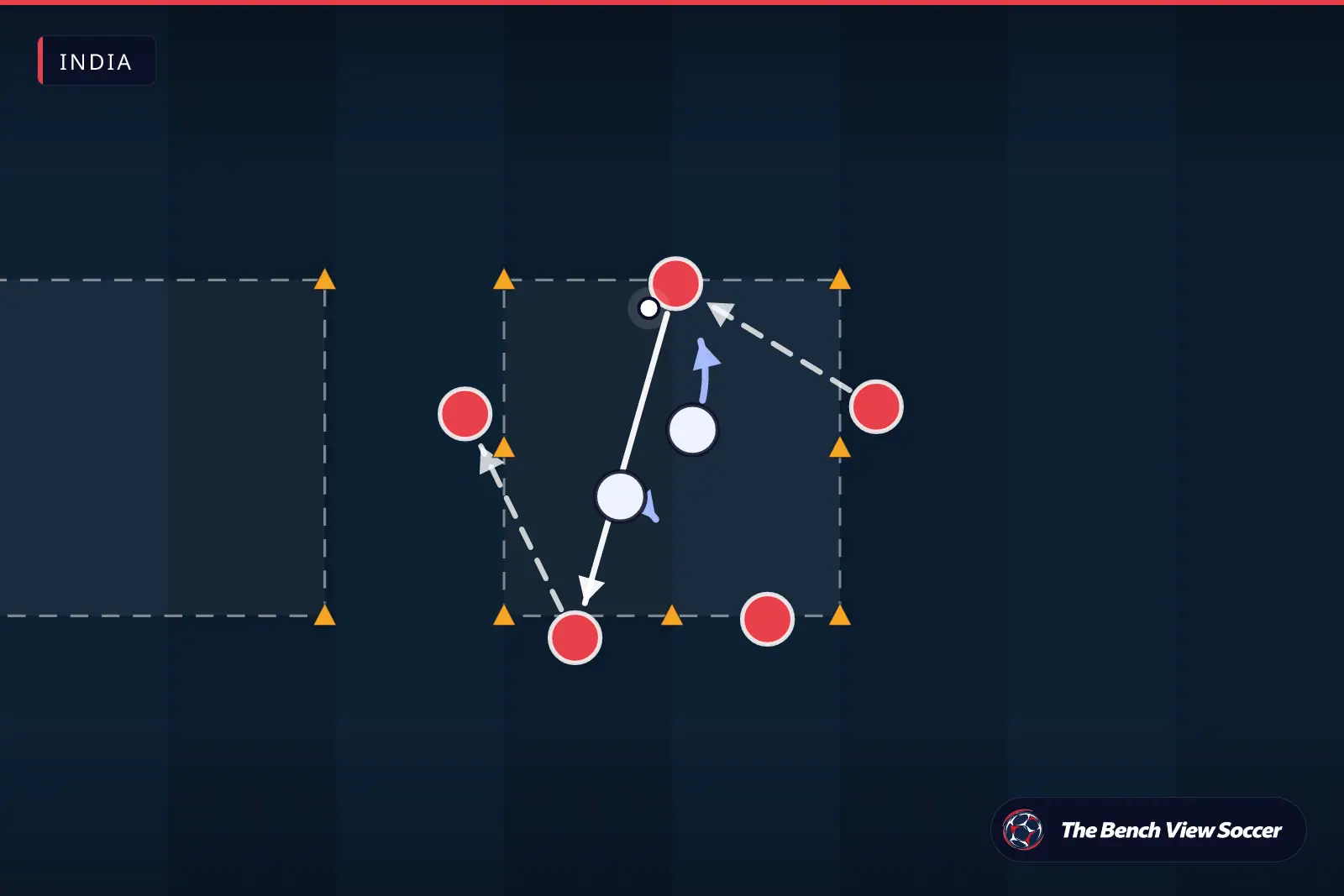
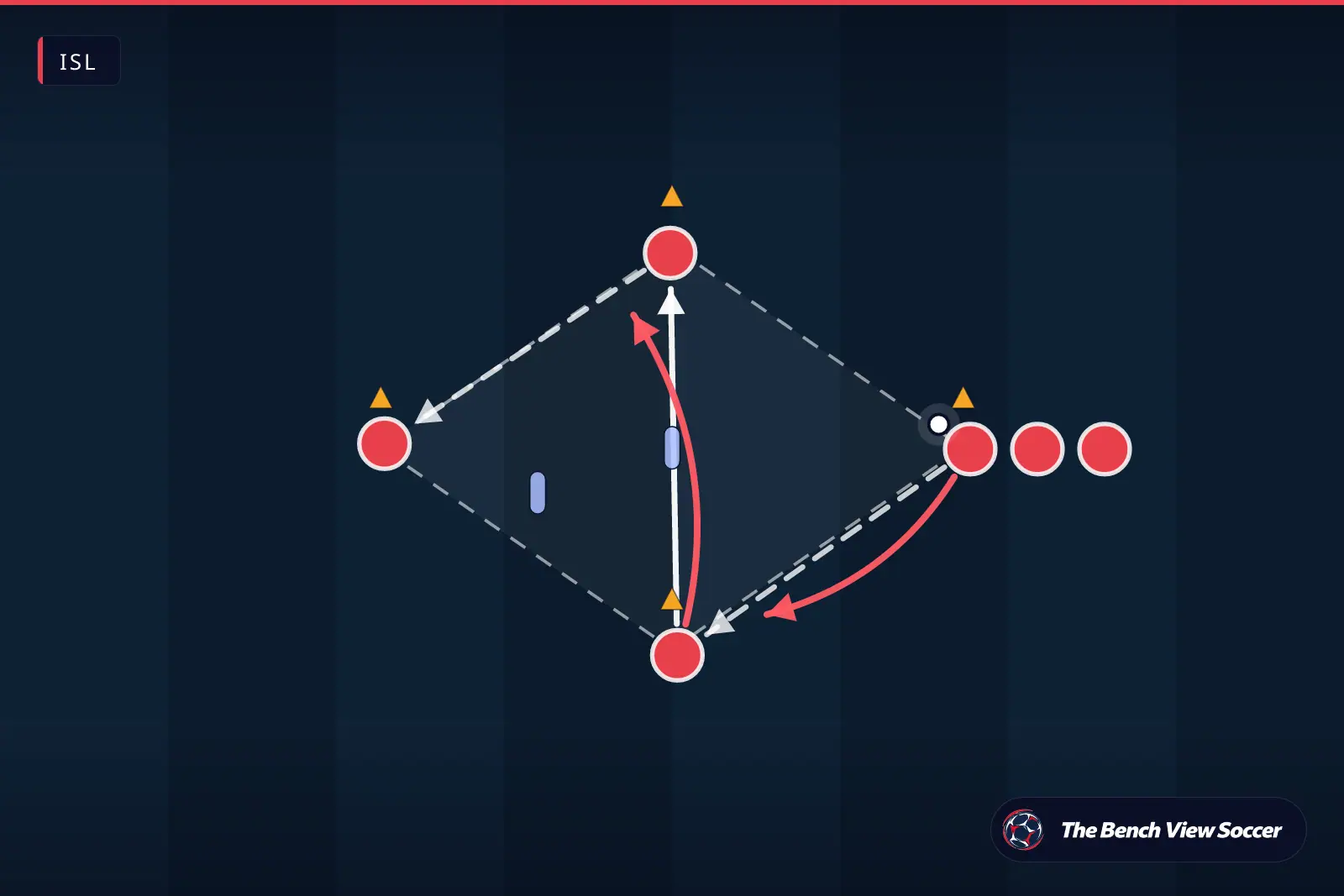
- Practice passing progression: Use rondos and 4v2 possession circuits to improve quick vertical passing and third-man runs. Emphasise receiving on the half-turn and first-time forward passes to break lines.
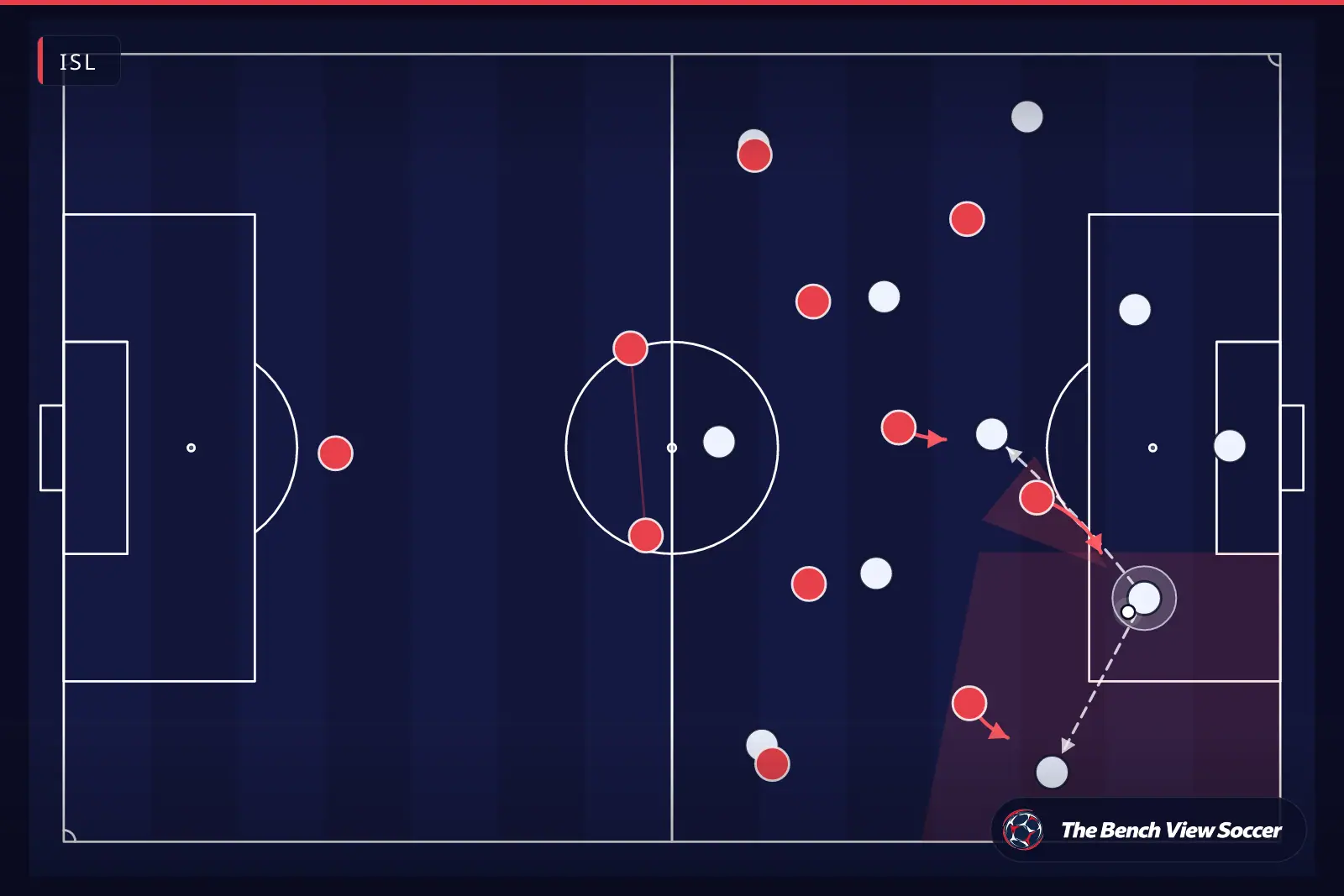
- Train pressing triggers: Identify triggers (backwards pass, poor body orientation, specific goalkeeper distribution) and rehearse coordinated pressing sequences in short, high-intensity repetitions.
- Develop inverted fullbacks and overloads: Coach fullbacks to tuck inside in possession, creating midfield overloads while wide players stay ready to stretch play. Run pattern drills that link fullback inversion to forward runs from attacking midfielders.
- Rehearse transitions and set pieces: Devote weekly sessions to quick counter-attacks after ball recovery and to offensive and defensive set-piece routines. Emphasise immediate positions to exploit predictable clearances.
What are real examples from ISL?
Look across the ISL for practical models. Bengaluru FC demonstrate disciplined midfield protection and compact transition — a model for the double pivot. Mumbai City FC often use inverted fullbacks and wide overloads to craft central chances. Kerala Blasters show effective wide switches and fast counters that create high-percentage opportunities. Jamshedpur in 2025 borrows elements: the defensive organisation of Bengaluru, the wide overload concepts of Mumbai City, and the transition intensity you see from Kerala Blasters.
At match level, watch sequences where Jamshedpur forces opponents wide, recovers the ball centrally, and instantly threads through balls into half-spaces or uses overlapping runs. These are the repeatable moments to practice in training.
What are the best tips to implement Jamshedpur FC tactical analysis 2025?
- Clarify roles each session: Simple, repeatable responsibilities reduce hesitation under pressure.
- Use small-sided games: 6v6 and 8v8 sharpen pressing triggers and quick vertical transitions in realistic distances.
- Measure conditioning: Pressing systems demand high intensity; monitor sprint volumes and recovery to avoid burnout.
- Repeat patterns of play: Spend time on 5–8 attacking and defensive patterns so decisions become instinctive.
- Improve on-field communication: Appoint vocal leaders who can organise the block and call pressing moments, like national leaders who guide teammates.
- Short video reviews: Quick clips after training accelerate learning by reinforcing winning plays and correcting common mistakes.
What mistakes to avoid?
- Overcomplicating tactics for young players — start with clear, narrow roles and build complexity gradually.
- Neglecting recovery and rotation — high press systems require planned rest and substitution strategies to maintain intensity late in matches.
- Allowing inverted fullbacks to isolate the attack — ensure midfield outlets and forward runs exist before asking fullbacks to tuck in.
- Under-practising set pieces — many domestic matches are decided on dead-ball situations; rehearse patterns often.
Frequently Asked Questions?
A: They usually defend in a compact block using a double pivot to shield the backline and disciplined wingbacks to deny central penetration, forcing opponents wide where counters can be initiated.
A: Hybrid systems like 3-4-2-1 or a flexible 4-2-3-1 are ideal because they provide width, allow fullback inversion and keep a protective midfield core for pressing and transitions.
A: Focus on role clarity, conditioning and simple pattern drills. Start with small-sided games, rehearse pressing triggers and practice one or two overload patterns weekly. Communication and repetition trump complex theory at early stages.
A: Jamshedpur combines Bengaluru’s midfield discipline with Mumbai City’s use of inverted fullbacks and wide overloads, but places extra emphasis on rapid vertical transitions and quick counters in 2025.
Conclusion: Jamshedpur FC tactical analysis 2025 gives players a pragmatic blueprint: disciplined defence, clear pressing triggers, inverted fullbacks and quick vertical play. These concepts are trainable and scalable for youth and semi-pro teams across India. Start our free courses on The Bench View Soccer.
Related Resources