NorthEast United FC playing style analysis
Football in India is growing fast — from Sunil Chhetri inspiring youth leagues to Bengaluru FC and Mumbai City FC raising professional standards. Fans of Kerala Blasters and other ISL clubs now demand intelligent tactical play; understanding the playing style of NorthEast United helps motivated players adapt to modern Indian football.
This article gives a coach’s breakdown of the NorthEast United FC playing style analysis, practical steps to train like their players, ISL examples, coaching tips and the mistakes to avoid. It mixes beginner-accessible explanation with specific drills and tactical insights for players who want to improve.
What is NorthEast United FC playing style analysis?
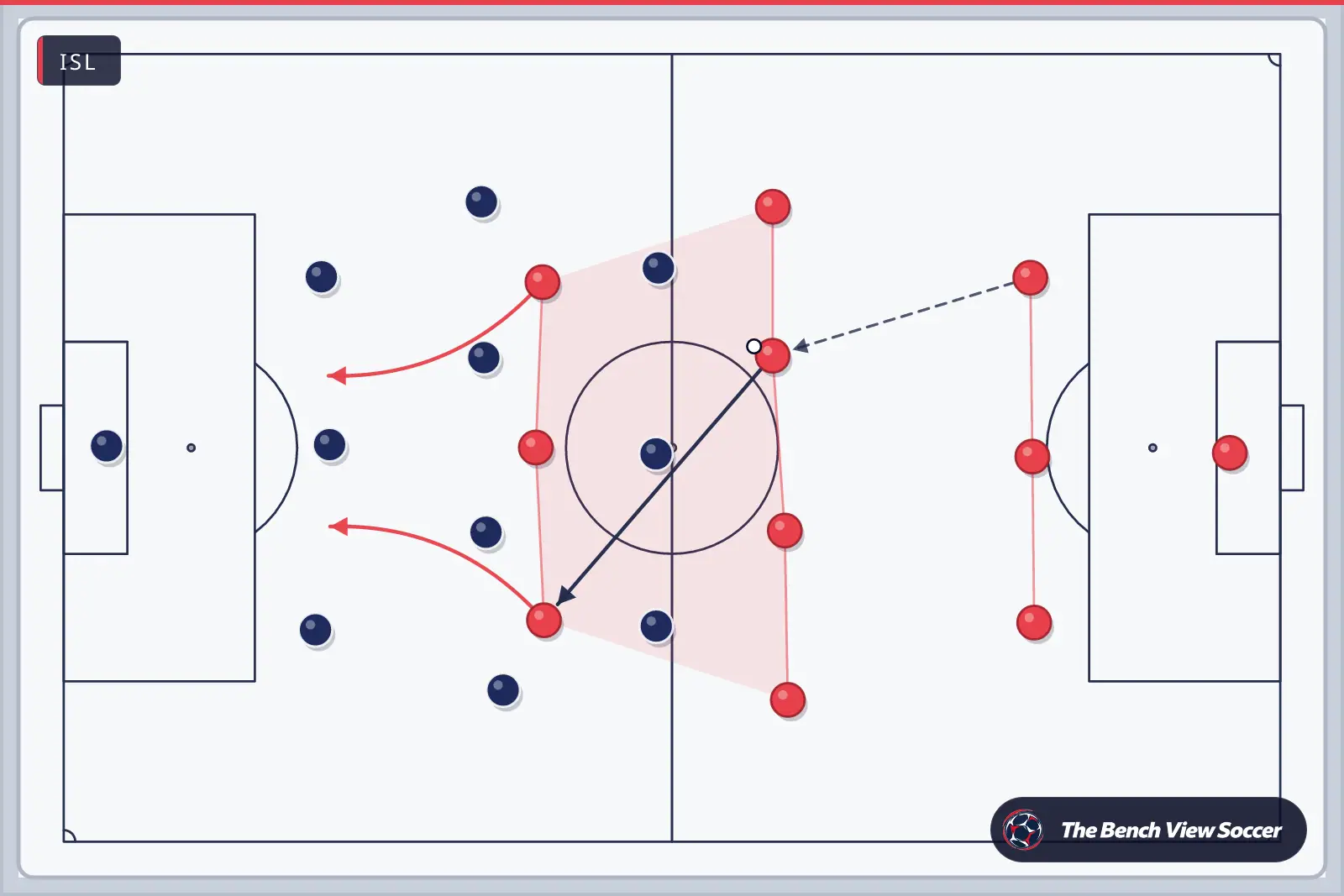
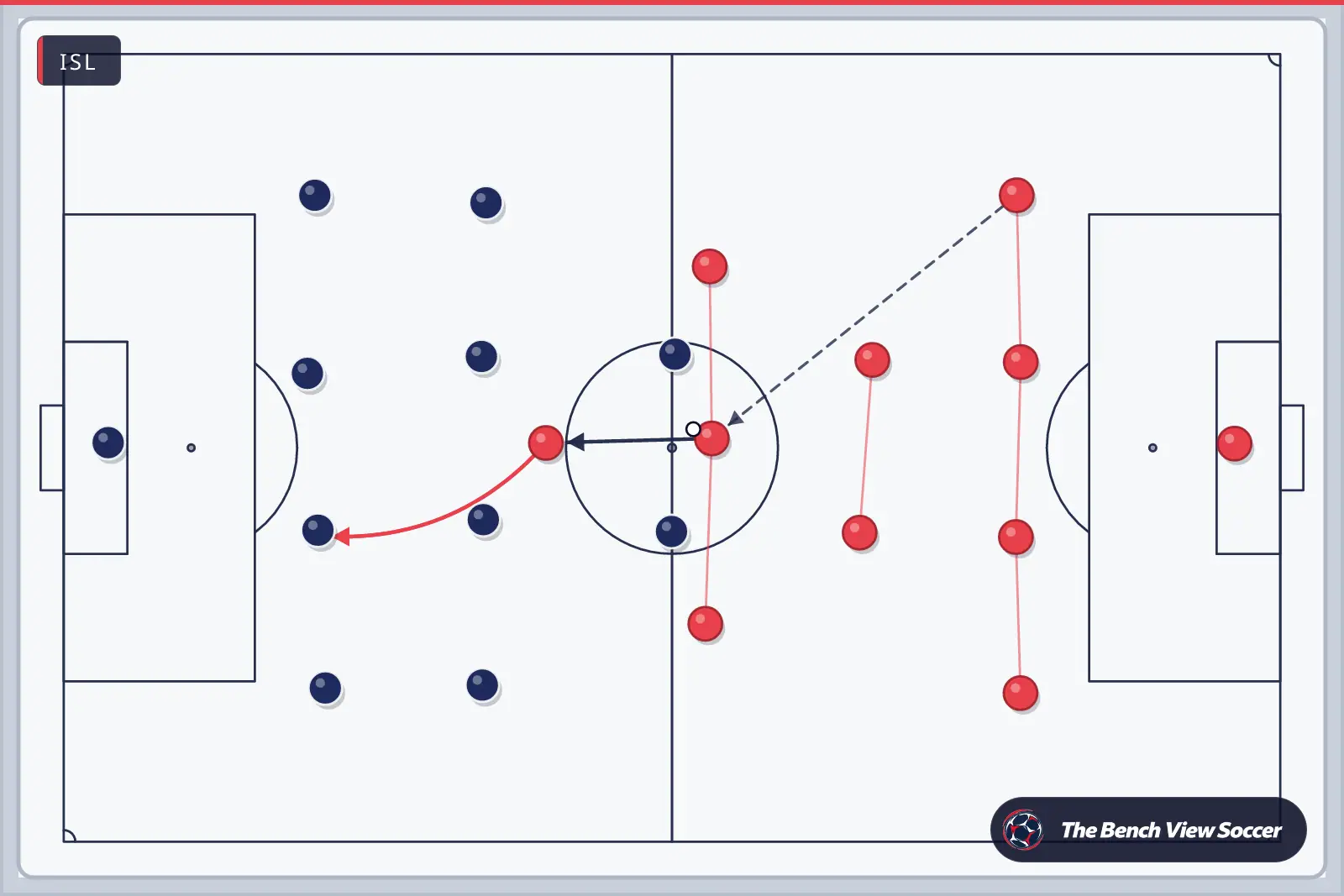
NorthEast United FC playing style analysis examines NEUFC’s identity: a pragmatic, counter-attacking approach built on compact defensive structure, fast wingers, and direct transitional play. The team often prioritizes defensive organisation, quick vertical passes after winning the ball and utilising wide areas to stretch opponents in ISL and cup competitions.
How to implement NorthEast United FC playing style analysis?
- Build a compact defensive unit: train zonal shape with a deep back four and two midfielders screening space; emphasise communication and shifting as one. Use drills that penalise gaps between lines.
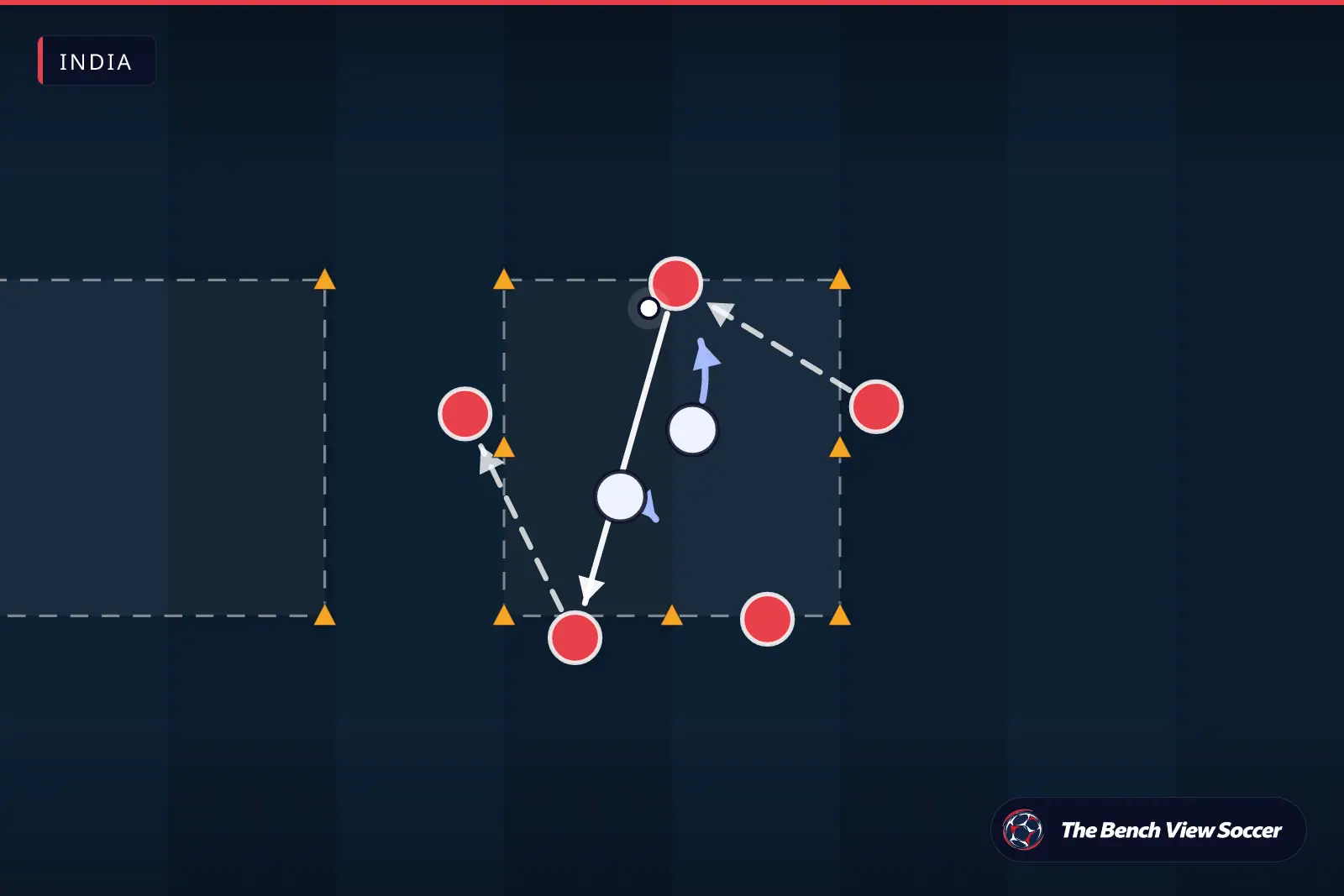
- Practice quick transition drills: simulate turnovers and require immediate vertical passes to a target winger or striker. Limit touches to 1–2 to develop speed of play.
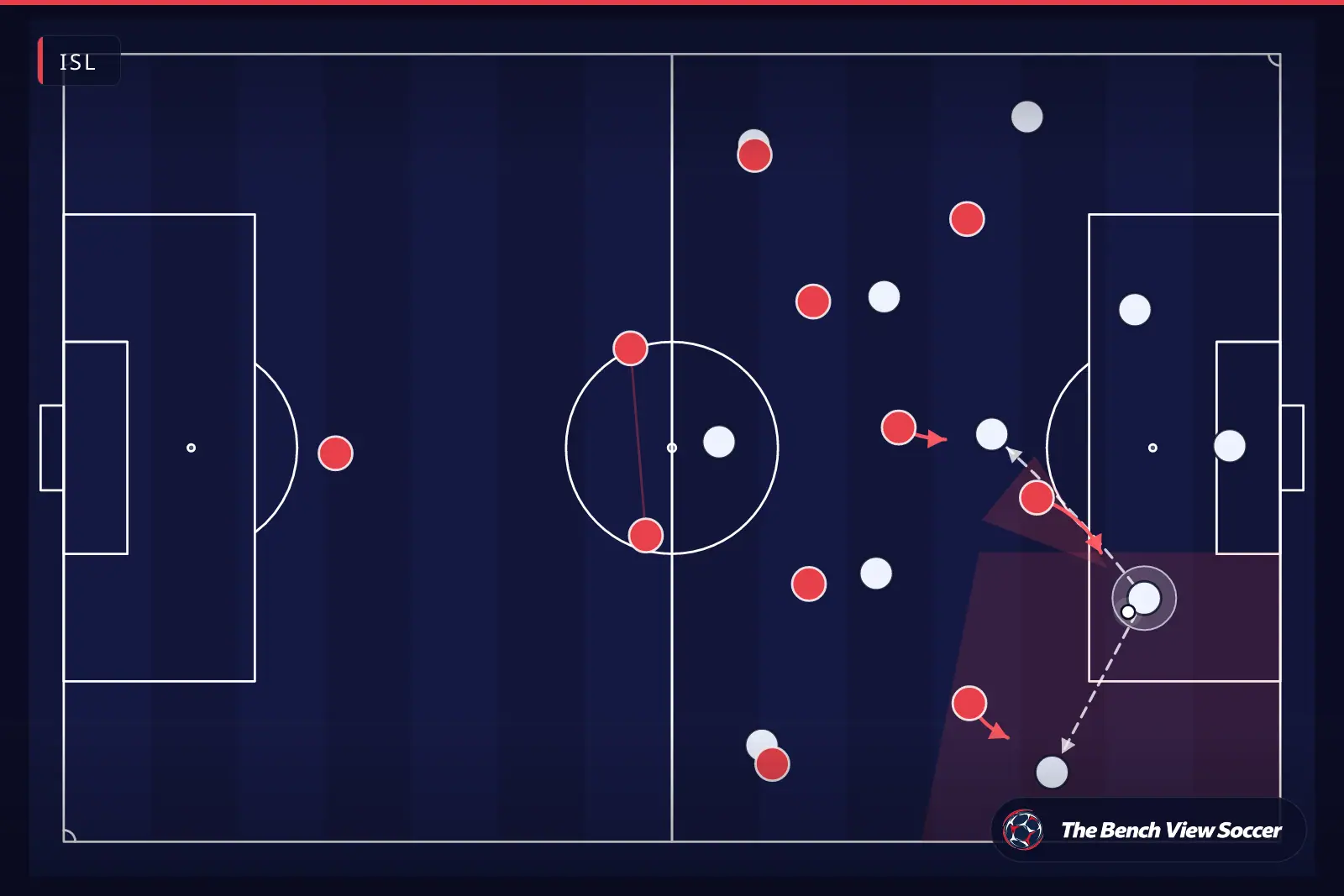
- Develop wing-play and crossing: train overlapping fullbacks and inverted wingers who can deliver early crosses or cut inside. Rehearse timed runs and near-post/far-post variations.
- Strengthen set-piece routines: allocate roles for dead-ball delivery, blocking runs and second-ball winning. NEUFC often converts moments from corners and free-kicks—practice coordinated rehearsals.
- Train press triggers and counter-press: identify moments to press (bad touches, backward passes) and train immediate recovery to retain the counter-attacking threat. Use small-sided games with transition scoring rules.
What are real examples from ISL?
Look at matches where NorthEast United faced teams like Bengaluru FC or Mumbai City FC: NEUFC has often absorbed pressure, defending narrow against possession-heavy sides, then launched fast counters through wingers. For instance, against a dominant Bengaluru FC, NEUFC used compact midfield blocks and long diagonals to exploit space behind advancing fullbacks. In games versus Kerala Blasters they leveraged set-pieces and second-phase runs to score.
In Durand Cup and Super Cup appearances, coaches emphasised athleticism and directness—traits useful when facing I-League teams with different tactical profiles. Study clips of transitions, wing sprints and targeted long passes to replicate their approach in training.
Best tips to adopt NorthEast United FC playing style?
- Condition for repeated high-speed transitions: interval sprinting and recovery drills to match ISL intensity.
- Prioritise first touch and one-touch passing to accelerate counters and reduce turnovers.
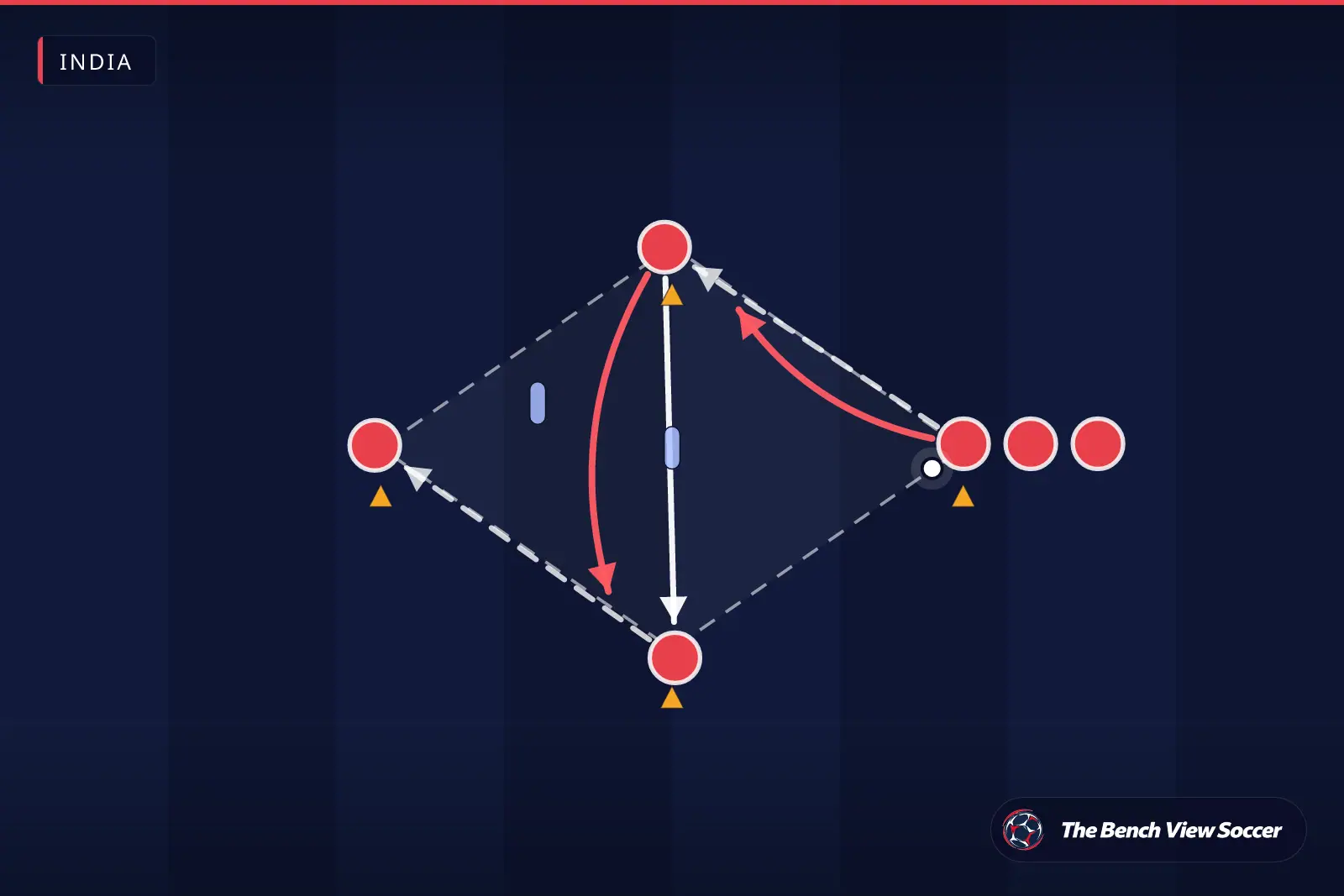
- Train wing combinations: winger-fullback-diamond overlap sequences for creating numerical advantages wide.
- Coach discipline in midfield screening: defensive midfielders must learn to read runs and cut passing lanes.
- Use video sessions: analyze NEUFC matches and compare with Mumbai City FC and Bengaluru FC to see different approaches to possession and countering.
Mistakes to avoid?
- Over-committing forwards in counters: leaving your defense exposed reduces the effectiveness of transition football.
- Neglecting shape when attacking: wide overloads still require defensive balance—don’t abandon the midfield screen.
- Ignoring set-piece practice: many ISL goals come from rehearsed routines—skip them at your peril.
- Failing to condition for short recovery times: NEUFC-style play needs rapid recovery between sprints; poor fitness kills execution.
Frequently Asked Questions?
What formation does NorthEast United usually play?
NEUFC often uses a flexible 4-2-3-1 or 4-3-3 depending on opposition. The setup emphasizes a compact base, with two midfielders screening and wide players providing the primary thrust for counter-attacks and overloads.
Related Resources
Which player roles are most important in their system?
Athletic wingers, a disciplined defensive midfielder, and an alert central striker are key. Fullbacks must balance overlapping runs with defensive duties, while midfielders must protect space and start quick vertical plays.
How can youth players in India learn these tactics?
Combine small-sided games, transition-focused drills, and video analysis of ISL matches (including NEUFC, Bengaluru FC and Mumbai City FC). Practice one-touch counter drills and set-piece routines to build tactical instincts.
Is this style suitable for all teams in India?
It suits teams with athletic players who can sustain high-intensity sprints and disciplined systems. Clubs with technical, possession-oriented squads like Bengaluru FC may prefer different philosophies, but hybrid approaches work well in ISL contexts.
Start our free courses on The Bench View Soccer.