Odisha FC tactical breakdown ISL
Football in India is booming — second only to cricket in passion — with fans of Bengaluru FC, Mumbai City FC, Kerala Blasters and others watching tactics as closely as results. The Indian Super League (ISL) is where young players now study pressing shapes, build-up patterns and transitions; Odisha FC have become a tactical case study worth following.
This Odisha FC tactical breakdown ISL guide gives motivated players a practical, coach-friendly roadmap. I’ll explain the concept, five steps to implement their core principles on the pitch, real ISL examples to learn from, coach tips, common mistakes, and quick FAQs to keep you match-ready.
What is Odisha FC tactical breakdown ISL?
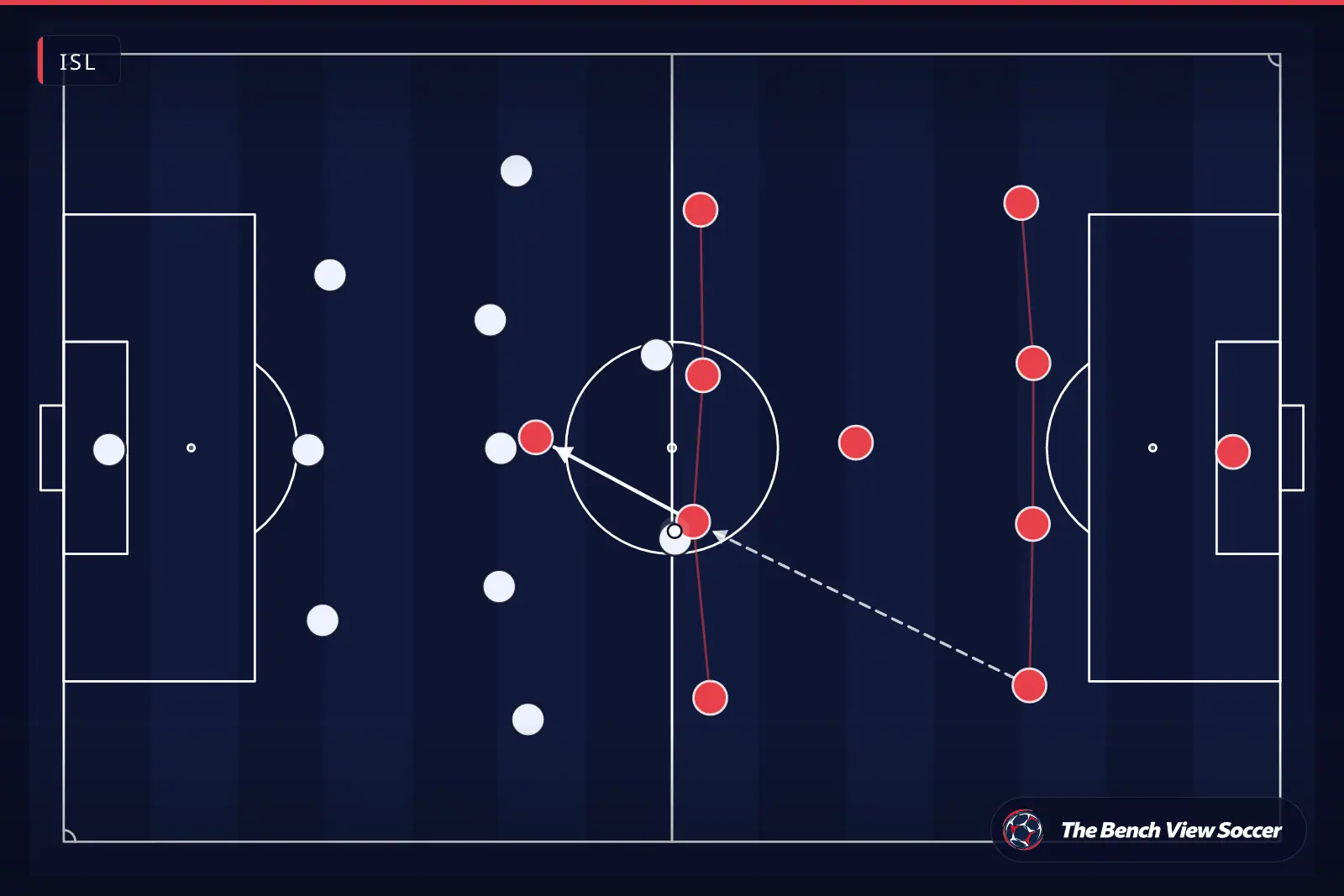
The Odisha FC tactical breakdown ISL is a focused analysis of how Odisha set up: compact defensive blocks, deliberate ball progression from wide fullbacks, a creative central pivot for forward passes, and situational high pressing. It shows patterns of play you can train and adapt to different opponents in the ISL.
How to implement Odisha FC tactical breakdown ISL principles?
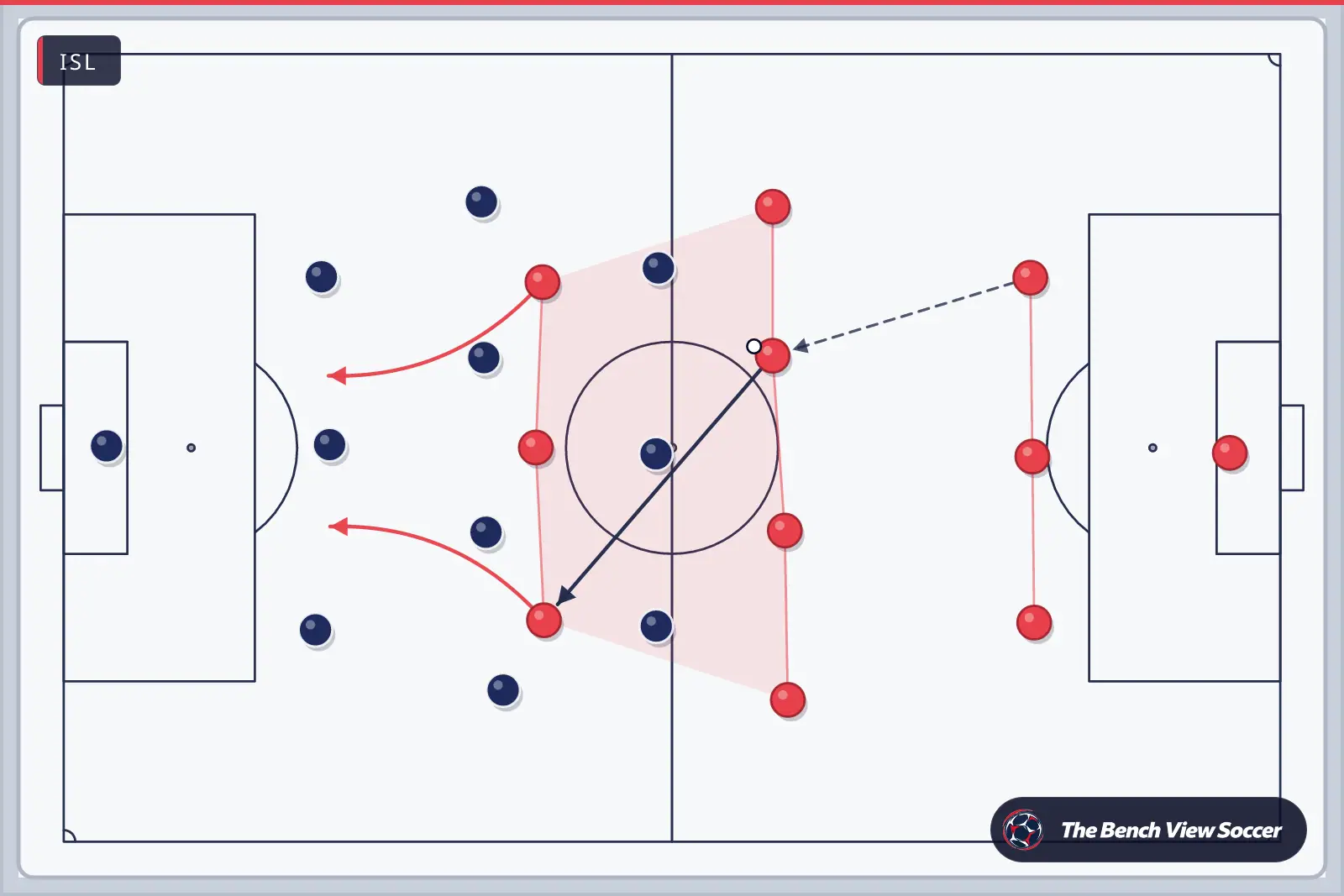
- Organize a two-phase press and reset: Train pressing triggers (back pass, poor touch, switch to weak foot). When triggered, forwards close passing lanes while mids narrow the field. Drill: 6v6 with conditional triggers that force immediate press for 8-10 seconds.
- Use wing-backs for controlled width: Fullbacks push high to stretch opponents; wingers tuck inside or rotate to create overloads. Drill: 7v7 with emphasis on fullback overlap and winger inversion to practice timing and crossing under pressure.
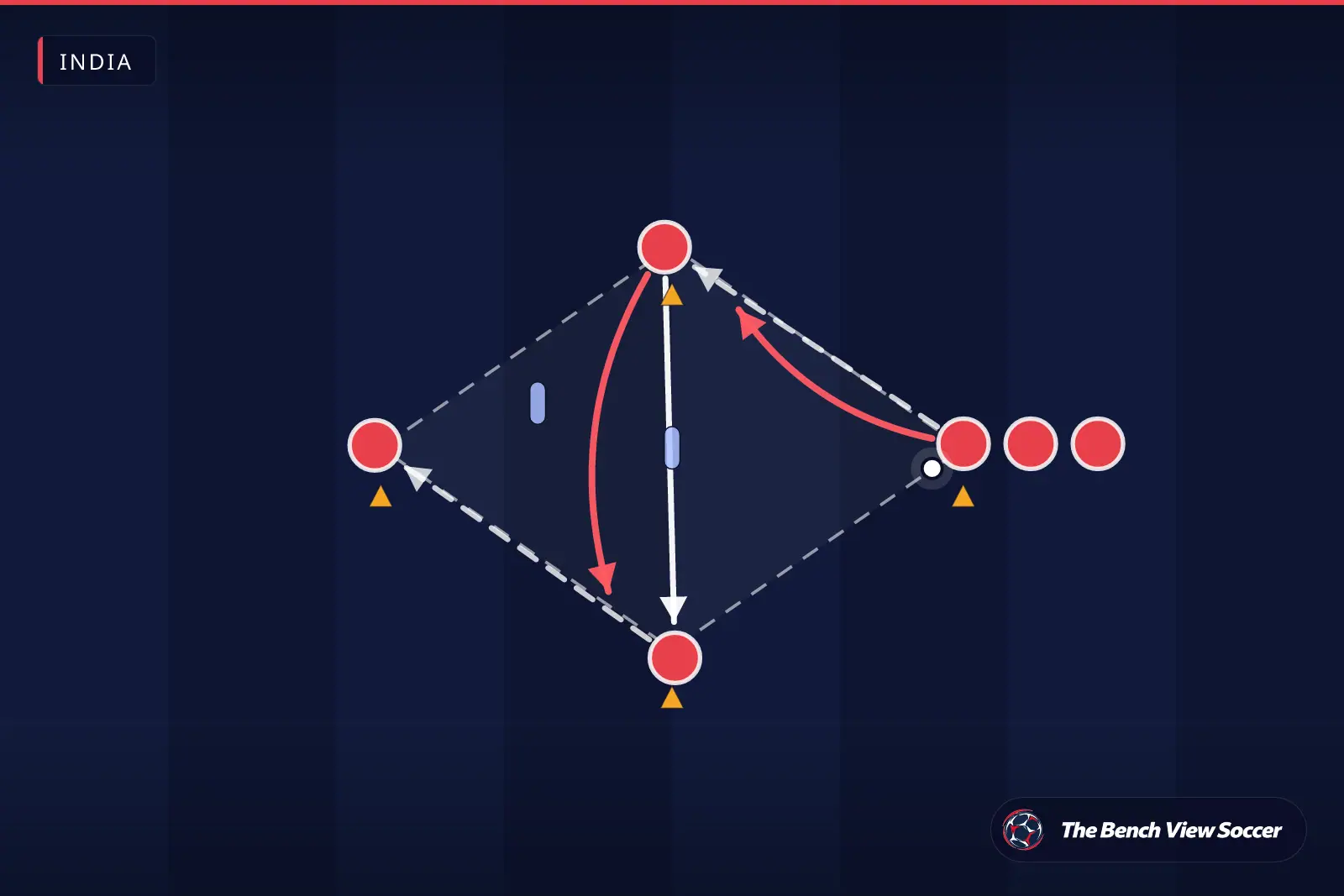
- Play through a central pivot: A technically confident pivot receives between lines, turns, and plays vertical passes. Drill: rondo variants where the pivot must find forward pass under pressure within three touches; reward progressive passes.
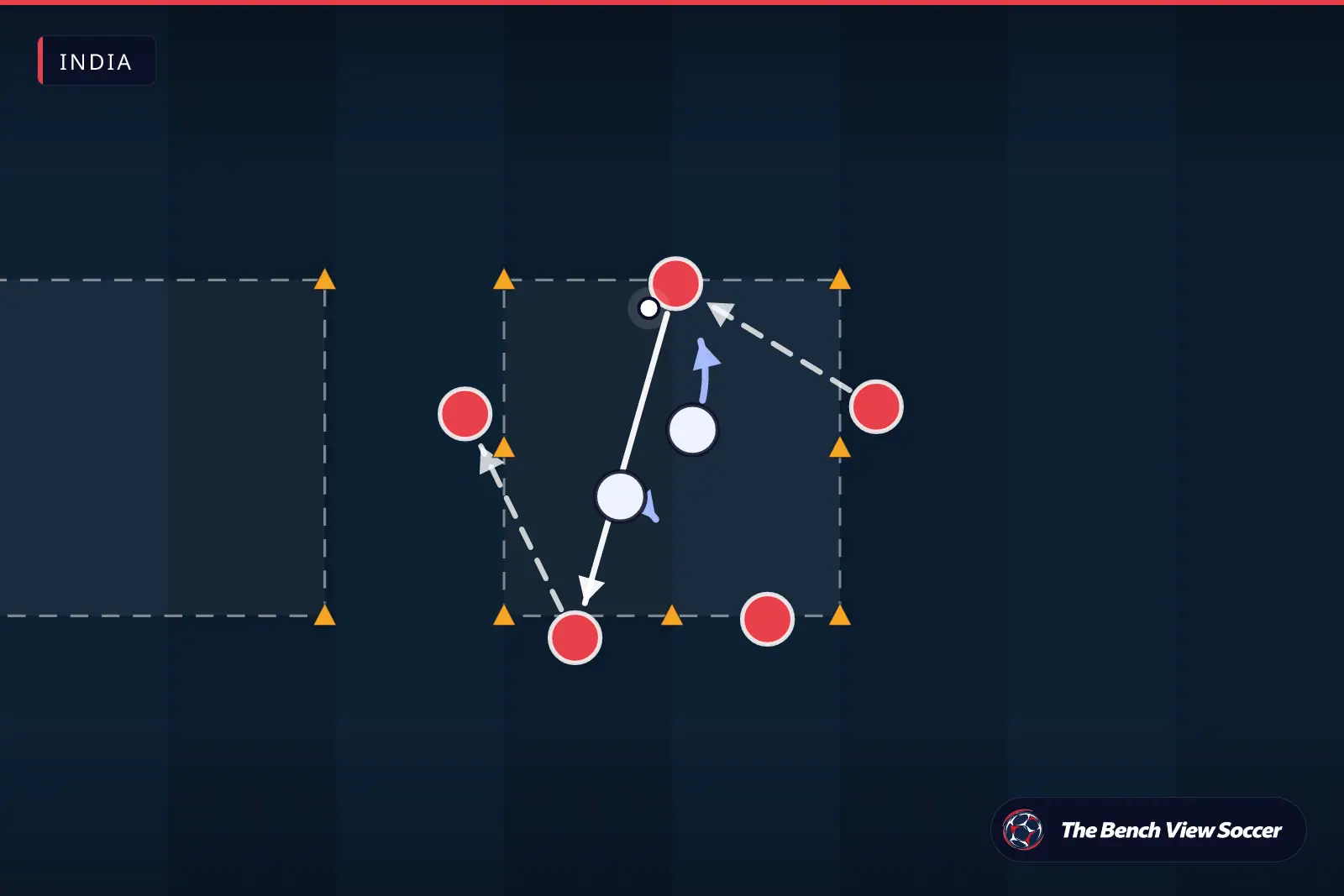
- Master quick vertical transitions: On turnover, release 2-3 players forward immediately—one diagonal run, one wide support, one late-arriving midfielder. Drill: 4v4+3 transition games focusing on first three passes after turnover to score inside 8 seconds.
- Set-piece organization and channel defending: Assign zones and second-attack runners; practice defending far-post runs and clearing to the pivot. Drill: simulated corners and free-kicks with live second-phase scenarios.
Real examples from ISL?
Watch Odisha FC games where their pressing intensity shaped the match tempo. Against teams like Mumbai City FC and Bengaluru FC, Odisha have shown disciplined mid-blocks that invite opponents wide, then force turnovers via directed pressing. They also employ fullback overlaps to create crossing occasions, similar to patterns seen at Kerala Blasters and other ISL sides.
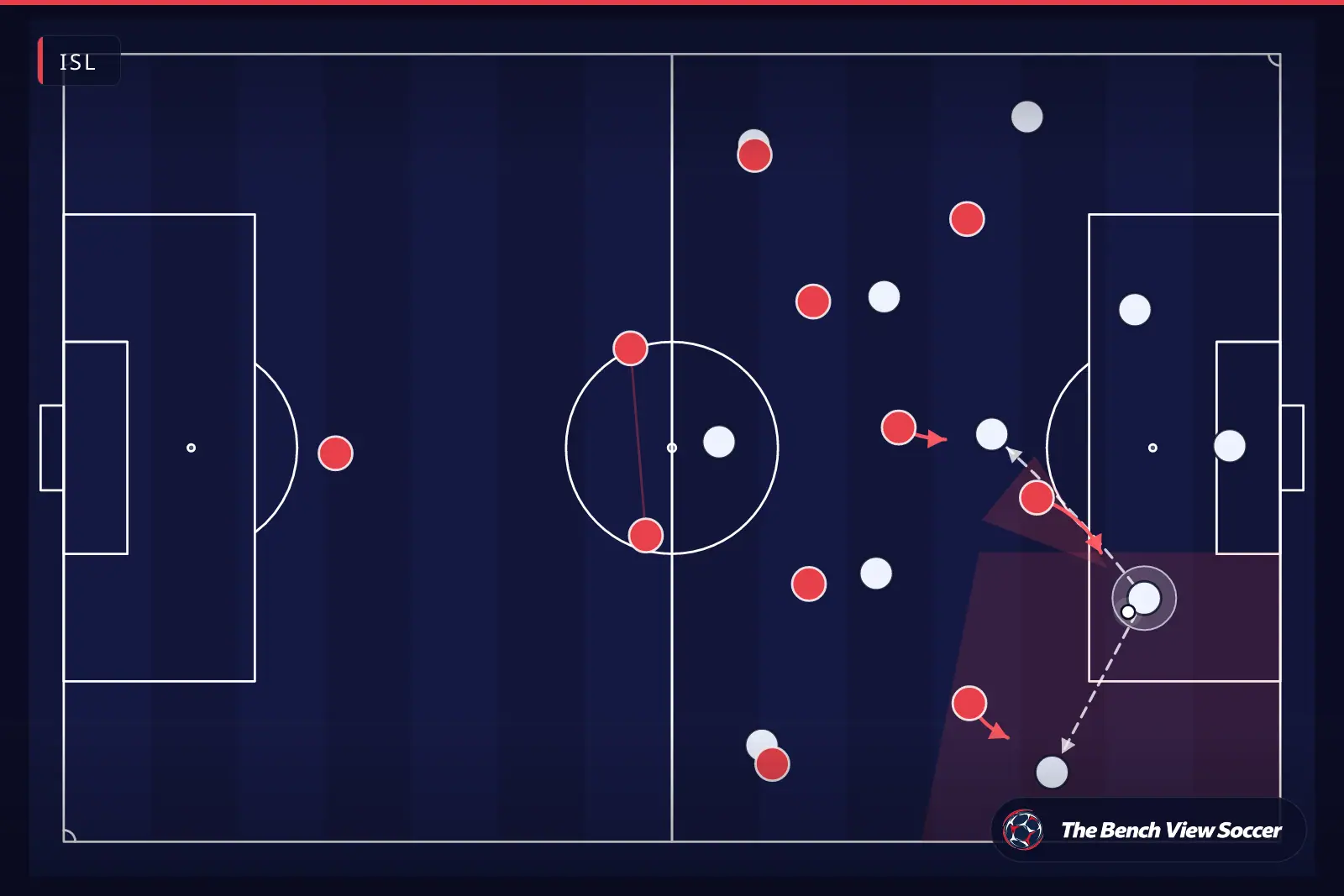
Key moments to study: transitions where a pivot finds a long diagonal to a wing-back, and moments when forwards press a goalkeeper to force hurried distribution. These examples teach positioning, timing, and decision-making under pressure.
Related Resources
Best tips to practice Odisha FC tactical breakdown ISL?
- Train pressing triggers in small-sided games to build instinctive reactions.
- Work on one-touch progressive passing with the pivot and runners to lift tempo.
- Condition fullbacks for repeated high sprints and recovery runs; stamina matters.
- Use video: break down 3–5 minute clips to study rotations and cover-shifts.
- Set-piece rehearsals should include second-phase patterns and quick restarts.
Mistakes to avoid?
- Overcommitting to press without cover — leaves center exposed and invites through balls.
- Allowing wingbacks to be isolated too high — ensure the pivot or winger covers when they advance.
- Forgetting balance on turnover — always plan the first defensive shape immediately after loss.
- Neglecting set-piece discipline—Odisha’s structure works only if players stick to assigned zones.
Frequently Asked Questions?
How does Odisha FC press compared to other ISL teams?
Odisha often uses a coordinated, trigger-based press that alternates between high intensity and a compact mid-block. Unlike constant high-press teams, they choose moments to engage, conserving energy while maximizing turnover chances in dangerous areas.
Which player roles are most important in this tactical breakdown?
The pivot (central number 6/8) and the wing-backs are crucial—pivot for vision and vertical passes, wing-backs to provide width and overloads. Forwards must be disciplined pressers who also exploit transitional chances quickly.
Can youth teams implement these tactics at academy level?
Yes. Simplify pressing triggers and reduce the pitch size for younger players. Focus first on positional discipline, layered defending, and basic transition patterns before adding complexity like fullback inversion or advanced rotations.
What drills speed up learning this tactical system?
Short transition games (4v4+3), trigger-based pressing rondos, fullback overlap drills, and pivot-focused one-touch pass drills replicate match scenarios quickly. Repeat under fatigue to simulate match intensity.
Start our free courses on The Bench View Soccer.