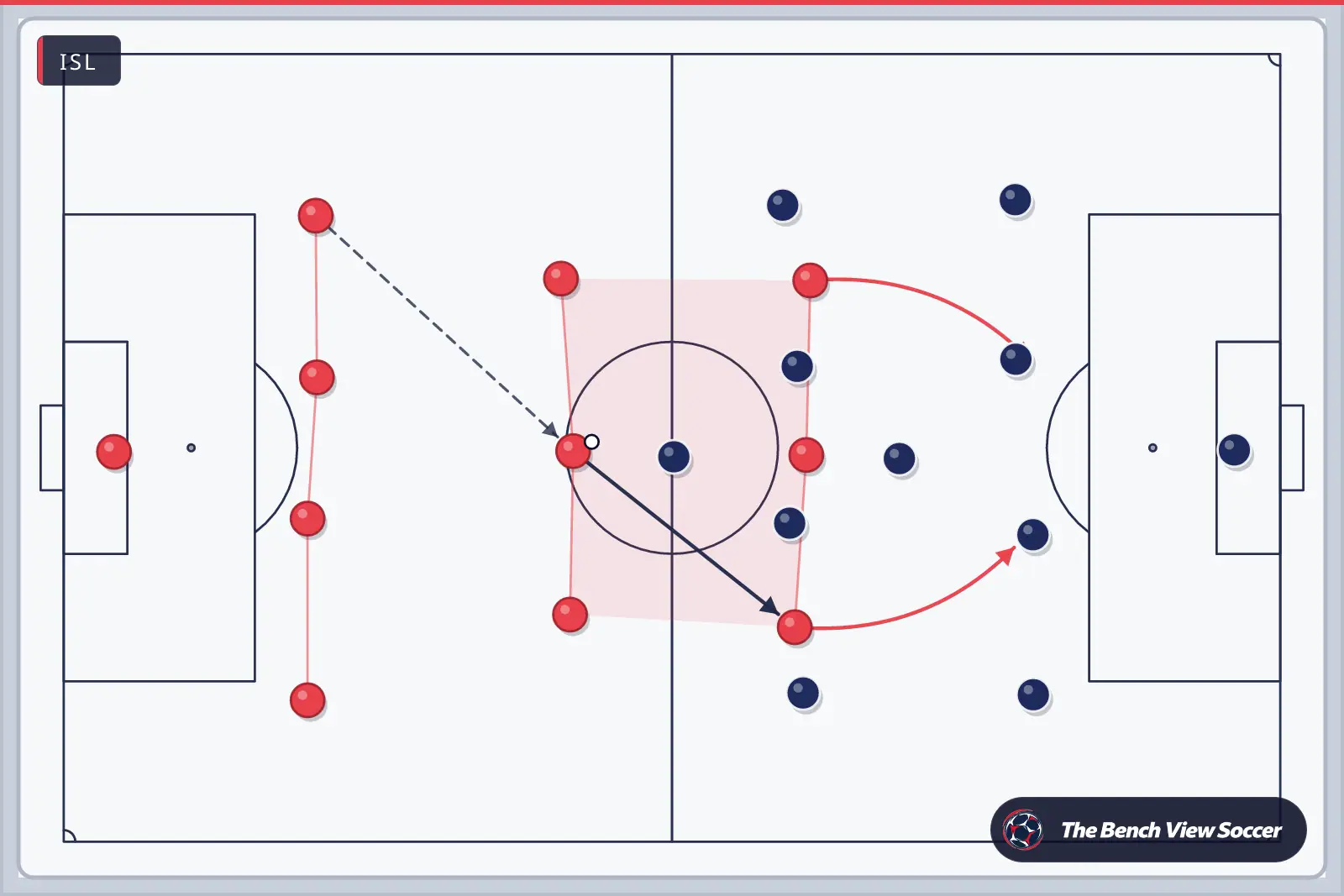
Punjab FC ISL tactical review
Football in India is exploding in popularity, second only to cricket, and fans now expect tactical literacy as much as matchday drama. From Sunil Chhetri's leadership at Bengaluru FC to the tactical nous of Mumbai City FC and passionate intensity of Kerala Blasters, the ISL is a learning ground for players and coaches alike.
This Punjab FC ISL tactical review breaks down the club's core ideas into coachable steps you can use on the training ground. Whether you're a young midfielder in the I-League, a Durand Cup hopeful, or an ISL academy prospect, these insights are designed to help you replicate and improve on what Punjab FC shows on the pitch.
What is Punjab FC ISL tactical review?
The Punjab FC ISL tactical review is an analysis of the team's match patterns: formation choices, pressing triggers, transitional moments, and attacking build-up. It isolates how Punjab FC manages defensive compactness, uses fullbacks in overloads, and converts turnovers into quick vertical attacks—key for player development and match preparation.
How to apply Punjab FC ISL tactics?
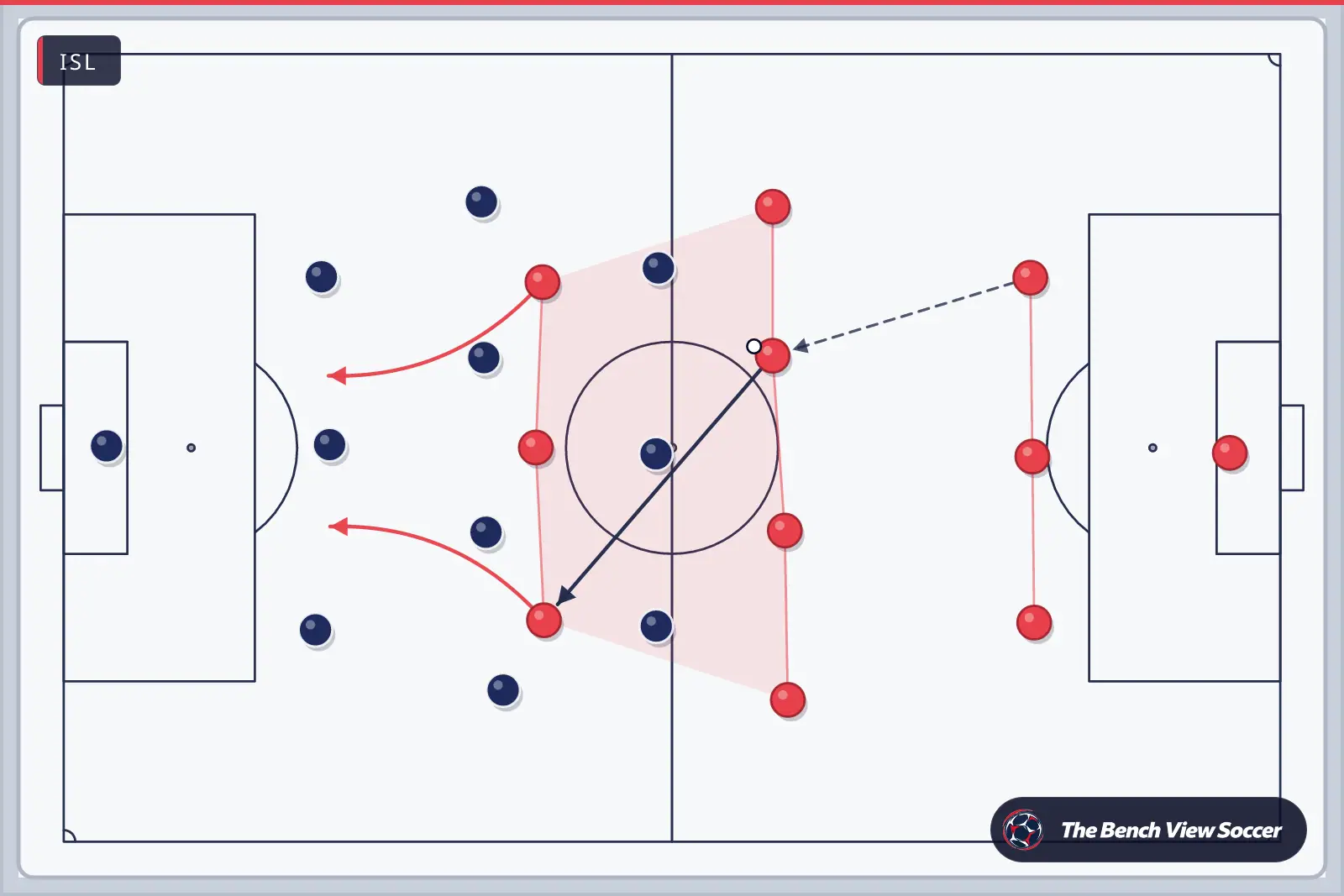
- Understand the base formation: start by training the spine (keeper, two center-backs, single pivot, striker). Most Punjab setups rotate from a 4-2-3-1 into a narrow 4-4-2 when out of possession—teach players role clarity in both states.
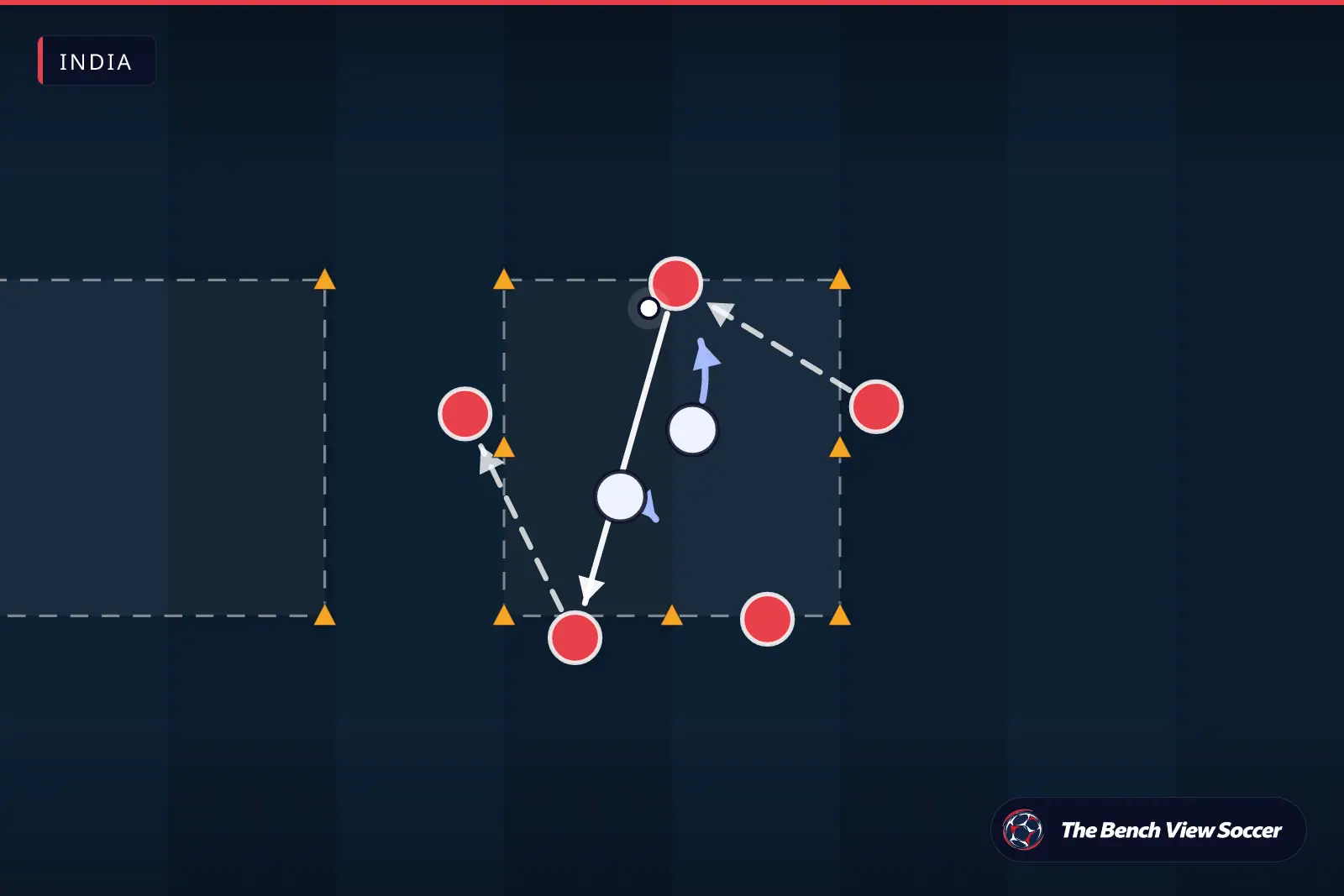
- Train coordinated pressing triggers: identify two or three cues (bad backpass, weak side touch, opposition quarterback dropping deep). Practice small-sided games where pressing is triggered only on those cues to build recognition and timing.
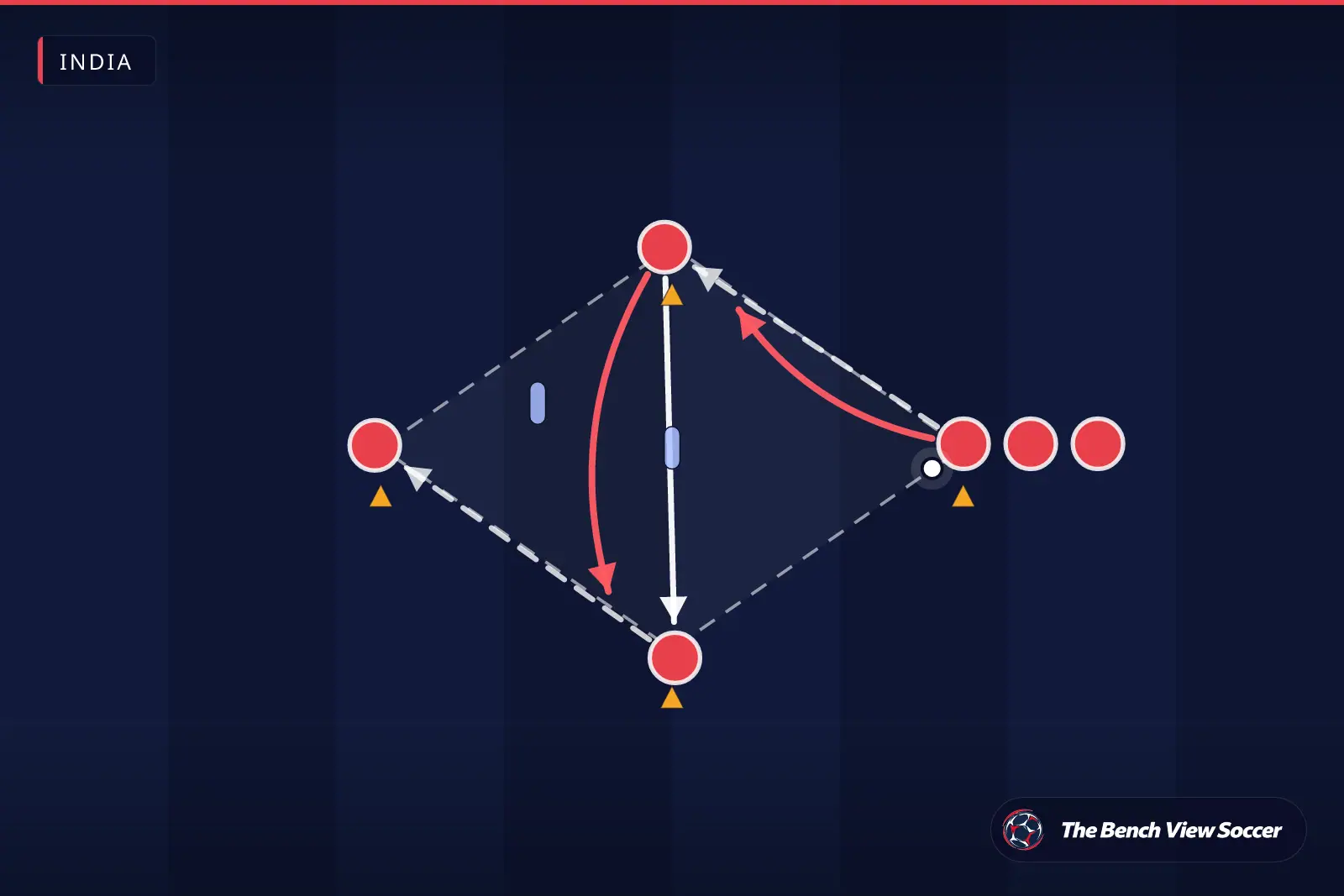
- Work transitions in 6v6 drills: after regaining possession, focus on immediate vertical passing or a third-man run. Time the third-man run practice so midfielders and wide players understand creating and exploiting space behind a disorganised defence.
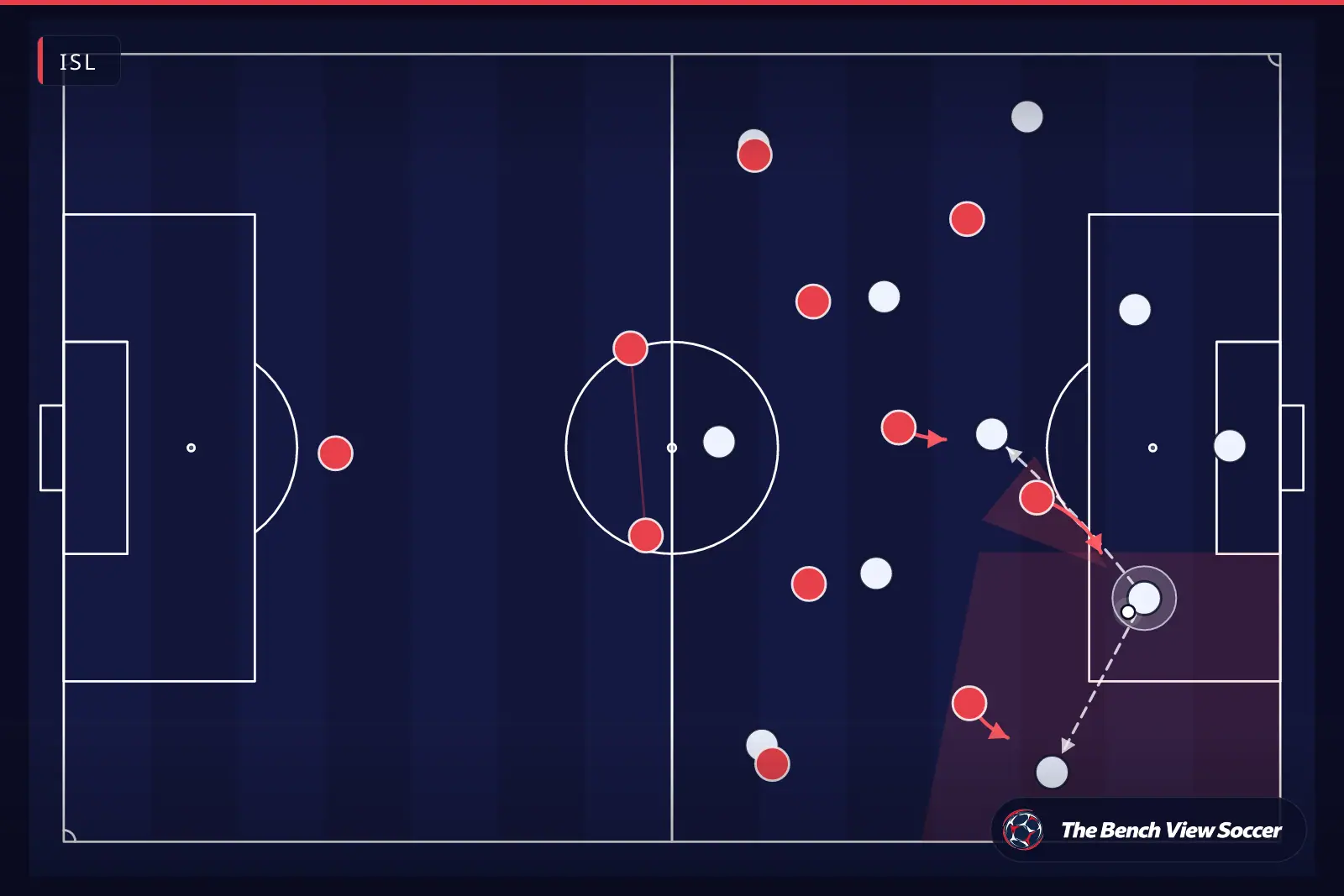
- Develop fullback overloads: practice overlapping and underlapping combinations with wingers. Use pattern-of-play drills where the winger drifts inside to create a 2v1 on the flank and the fullback either crosses or cuts back.
- Reinforce compact defending: practice block-shape sessions where the team shortens distances between lines. Emphasise communication from the goalkeeper and the pivot to keep defensive gaps minimal and favour forcing play to wide areas.
Real examples from ISL?
Punjab FC's strategies are visible in how they react to possession loss and how they structure attacking moves. In several ISL fixtures, you can see the team shift quickly into a compact defensive block after losing the ball, similar to the pressing templates used by Bengaluru FC under structured gameplans. The fullback-wider interplay mirrors Mumbai City FC's use of width, while moments of passionate counter-press resemble Kerala Blasters' intensity. Use these comparative examples to teach players the same principles without copying exact plays.
Best tips to implement these tactics?
- Keep training sessions short and focused: 20–25 minute micro-sessions on pressing, transitions, and set-play roles build sharper habits.
- Use video clips from ISL as visual aids: show short 10–20 second clips highlighting a pressing trigger or a fullback overlap to accelerate learning.
- Coach positional triggers, not just roles: teach midfielders what to do when the ball is lost in certain channels instead of rote instructions.
- Prioritise two-foot passing and first touch under pressure to speed up vertical transitions.
- Create match-like fatigue drills so players can execute tactical patterns late in games—this is where tactics win or lose.
- Encourage leadership on the pitch: follow the example of Sunil Chhetri-style communicators who organise teammates and adapt tactics in-game.
Mistakes to avoid?
- Ignoring role overlap—don’t let fullbacks and wingers occupy the exact same space without a clear sequence; this kills overloads.
- Over-pressing without cover—forcing triggers without a fallback pivot invites counters; always have a secondary defender ready to cover channels.
- Neglecting set-piece organisation—many ISL teams win through set plays; make both attacking and defensive routines a training priority.
- Copying tactics blindly—use Punjab FC ISL tactical review principles, but adapt to your squad’s strengths and the local competition (I-League, Durand Cup, Super Cup).
Frequently Asked Questions?
How many formations does Punjab FC use in a match?
Punjab FC typically rotates between one primary attacking formation and a compact defensive shape depending on match moments. The key is fluidity: players must be comfortable switching between attack-oriented and defence-oriented roles within the same game. Train both phases regularly.
Related Resources
Can a youth player replicate these tactics in local leagues?
Yes. Coaches should simplify triggers and focus on two or three core principles—press triggers, quick vertical transition, and fullback overlaps. Youth players benefit from clear, repeatable patterns that scale up as they progress toward ISL-level complexity.
What drills speed up learning of these tactics?
Short, high-intensity drills like 6v6 transition games, 4v4 pressing cages, and wing overload patterns with immediate crossing practice are most effective. Keep reps high and provide immediate feedback to accelerate tactical understanding.
How does Punjab FC handle set-pieces tactically?
Punjab FC approaches set-pieces with defined zonal and man-mark hybrid solutions and quick restart options for transition. Practising both defensive discipline and creative attacking routines increases chances from dead-ball situations at all competition levels.
Conclusion: Use this Punjab FC ISL tactical review as a framework—adapt it to your squad, train with intent, and emphasise situational awareness. Start our free courses on The Bench View Soccer.