

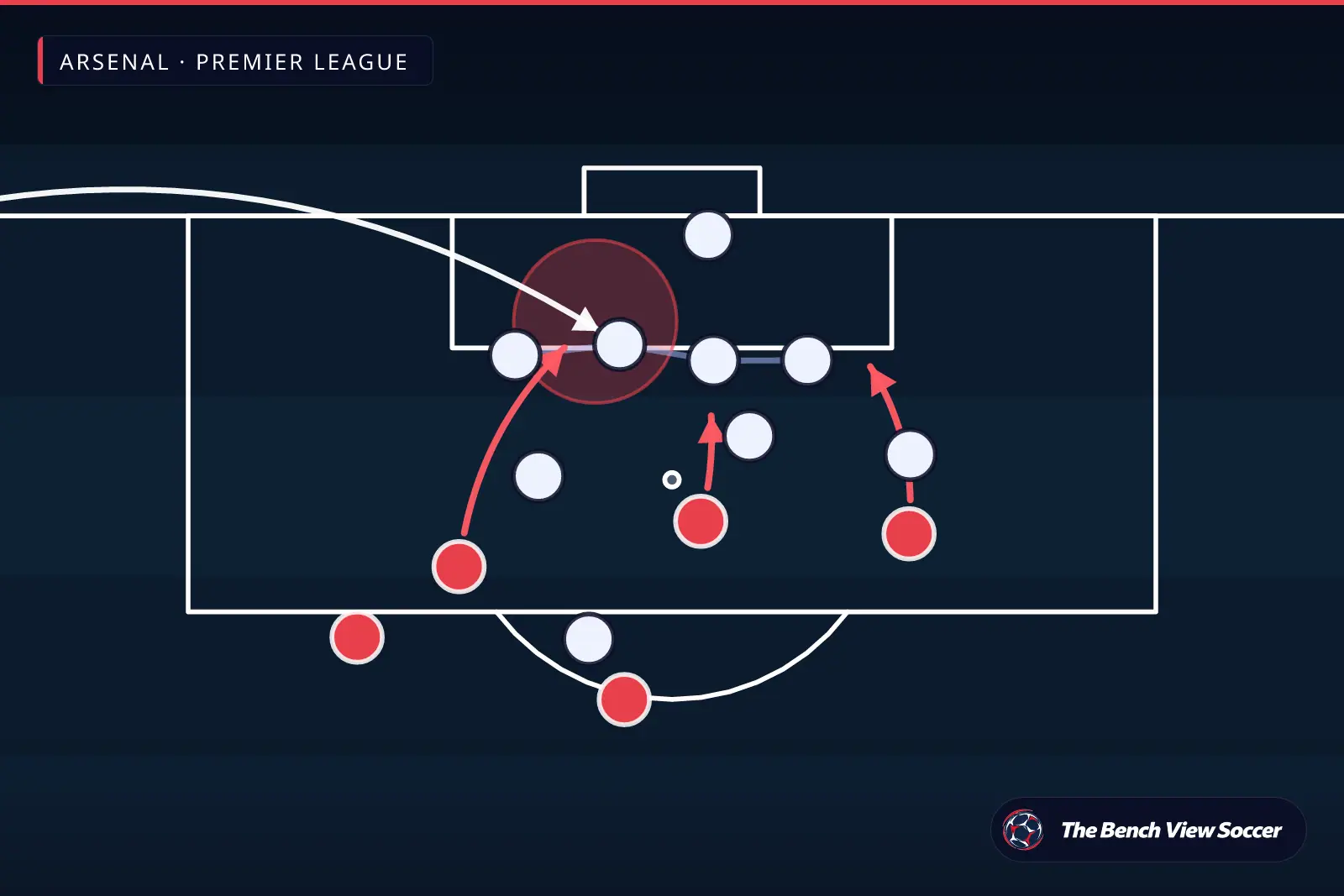
Arsenal won 1-0 at Anfield, moving three points clear at the top of the Premier League. Kai Havertz scored the only goal after a Declan Rice pass; Rice’s defensive contribution was singled out. The match also featured controversy as Alexander Isak was not awarded a penalty after a Jurrien Timber shirt pull — the striker did not appeal and VAR remained inactive. Pundits described Arsenal’s performance as a ‘mark of champions’, while commentators and analysis pieces have used the game to underline Arsenal’s depth, experience and grinding qualities.
What happened
Arsenal beat Liverpool 1-0 at Anfield, with Havertz scoring the game’s solitary goal following a pass from Declan Rice. Rice’s work in both attack and defence was highlighted. The match included a notable incident where Jurrien Timber appeared to pull Alexander Isak’s shirt; the referee did not award a penalty, Isak did not appeal, and VAR did not intervene. Media and pundits discussed both Arsenal’s title credentials — citing depth and experience — and the wider refereeing issue of whether players should make more of contact to secure penalties.
The tactical reading
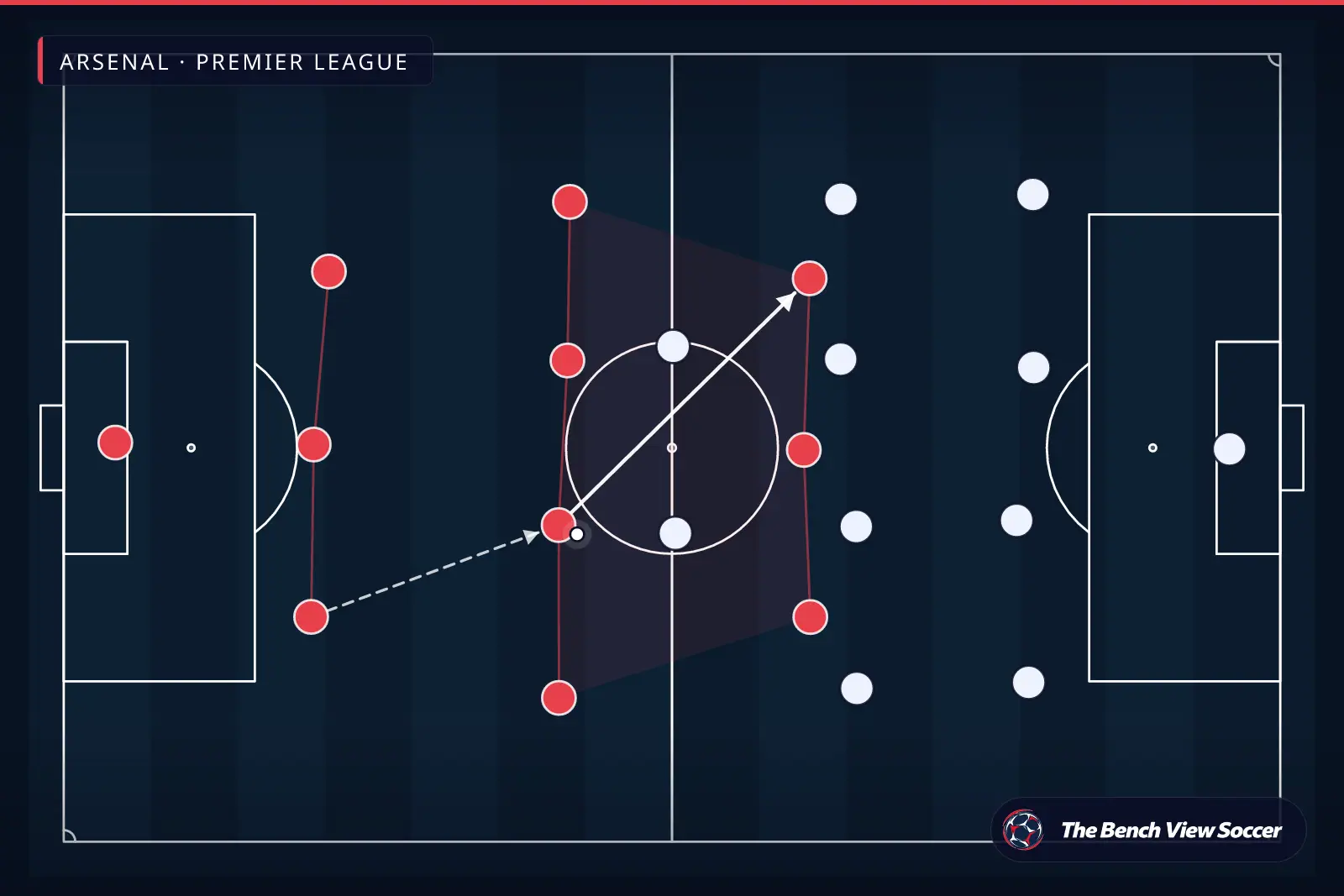
The result and the surrounding commentary point to an Arsenal side that can deliver the low-margin, high-stakes performance often required at the business end of a campaign. A 1-0 win at Anfield suggests their template can combine controlled possession phases with decisive transitional moments: a midfielder (Rice) creating the goal and then reverting to important defensive responsibilities. That dual role — creative spark plus defensive coverage — is typical of teams who can grind out results away from home.
The emphasis on Rice’s defensive contributions implies a midfield structure that prioritises compactness and intelligence in reading danger. When a midfielder who also supplies the assist is singled out for his defensive work, it points to a midfield unit that responsibilities are shared: the creative link plays forward but must also reconstitute shape quickly. This trade-off between creative freedom and defensive duty is a recurring tactical choice for teams that value both control and solidity.
The shirt-pull incident and the fact Isak did not appeal, with VAR staying out of the decision, highlights the micro-tactical theatre around physical duels. It suggests that individual behaviour in contact situations — whether to make a theatrical appeal or to play on — can materially affect officials’ and VAR’s responses. That dynamic feeds back into coaching priorities: training players how to present and sell legitimate fouls, and when to avoid overplaying contact to prevent bookings or reputational fallout.
Finally, the broader narrative around Arsenal’s depth and experience suggests their squad construction allows for tactical flexibility. Being described as more experienced and deeper indicates the ability to rotate personnel without sacrificing the core defensive and transitional principles that produced a narrow away victory. Managing those rotations while preserving a coherent shape is one of the trade-offs coaches routinely face when balancing freshness against the familiarity of a settled XI.
Key tactical points
- Midfield duality: midfielders who can both create and recover are central to winning tight away games.
- Transition moments matter: a single decisive forward pass can settle low-scoring matches, so training quick vertical play is essential.
- Defensive compactness after turnovers reduces exposure to counters and helps protect small leads away from home.
- Player behavior in contact matters: how attackers react to fouls can influence referees and VAR intervention.
- Squad depth enables rotation without losing core tactical identity, but maintaining shape across personnel changes is critical.
What to watch next
Observe whether Arsenal continue to ask midfield players to cover both creative and defensive tasks in similar high-pressure environments. Will the same profile of midfielder — one who can supply key passes and immediately reassert defensive presence — remain central to their setup?
Also watch how refereeing and VAR debates evolve: will attackers alter how they respond to contact in the box to influence decisions, and how will coaches prepare players mentally for those moments when appealing or playing on might change an outcome?
Train it
Exercise: ‘‘Transition Two-Zone Rondo with Finish’’. Create a central 20x20m possession zone flanked by two 10x20m transitional channels. Team A keeps possession in the central zone; on a coach’s signal or loss of possession, the ball must be played into a forward channel and the receiving player has one touch to attack a small goal while three defenders attempt to recover from the channel and prevent the shot. Rotate roles every 3–4 minutes.
- Coaching point 1: Emphasise the quick vertical pass out of the possession zone — reward split-second vision and timing rather than long-held possession.
- Coaching point 2: Demand immediate defensive recovery from the passer and nearby midfielders; shape must compress to deny obvious exits for the counter.
- Coaching point 3: Train attackers on how to present contact — balance the need to seek fair fouls with maintaining credibility to officials; rehearse both playing on and selling contact appropriately.
Sources
- Sky Sports: 'It's nailed on!' - Why was Isak NOT awarded penalty against Arsenal?
- The Guardian: Arsenal have everything they need to repeat as Premier League champions | Jonathan Wilson
- Sky Sports: Merse: Arsenal showed mark of champions at Anfield
- BBC Sport: To dive or not to dive? Football's big dilemma
- The Guardian: WSL talking points: Kang could have a problem and how long can Slegers hang on?
- The Guardian: ‘We had to dig in’: Arsenal’s Anfield win was performance of champions, says Rice
The Bench View app
Don’t just read football — train it
Everything you read here, turned into training you can follow step by step.
Physical training at home
AI daily sessions adapted to your level and position. No equipment needed.
Tactical training courses
Step-by-step courses on positioning, pressing, build-up and decision making.
- 7 days free
- No commitment
- Cancel anytime
Free account: 2 physical sessions + the first tactical course. PRO: 7-day free trial — cancel before day 8 and you pay nothing.
More Analysis
Arsenal’s heavy control undone by late Russo strike; Chelsea’s dominant win marred by James injury
November 2, 2026
How Arsenal’s champion know‑how and defensive discipline ended Anfield’s hoodoo
November 2, 2026
Suzuki error denies Villa as Jackson’s strike frustrated by own goal in 1-1 draw with Fulham
November 1, 2026
Chelsea exploit numerical advantage as Martinez red card deepens Manchester United crisis
October 31, 2026