

Arsenal arrive at a high-profile meeting with Manchester City amid scrutiny over recent results. While their season-long dominance has widened a gap to Liverpool and Brighton and left their Sunday opponents framed as chastened rivals, Arsenal have registered draws in successive matches and shown patterns of fading after the interval. Observers and analysts have flagged that what both teams do without the ball, and in particular City’s counter-attacking potential, could be decisive in the upcoming clash that some suggest might not affect the title picture.
What happened
Arsenal have been widely regarded as the season’s leading side, described as "supreme" and extending a points gap to Liverpool and Brighton and to their upcoming opponents. Yet the club’s recent form has contained warning signs: they have managed two consecutive draws, and across their last eight matches there were three draws plus a shootout defeat. In four most recent outings, three displayed a second-half drop-off. The meeting with Manchester City has been framed as a title showdown; some coverage has suggested it could, nevertheless, prove to be meaningless for the title outcome. Commentators have highlighted that the contest may be decided by how each side behaves without possession, with one columnist asserting that counter-attacks will be crucial for Manchester City against Arsenal.
The tactical reading
The reported pattern of Arsenal producing strong first-half performances and then suffering second-half decline points to an underlying issue of intensity maintenance and in-game control. When a team dominates large stretches early but then drops off after the interval it typically reflects either physical fatigue, tactical predictability that opponents adapt to, or both. Against top opposition, such a trend suggests the initial tactical setup is effective but opponents find solutions later, or the side struggles to recalibrate when the opponent changes approach.
The emphasis from analysts on how the sides act without the ball, and the specific warning that Manchester City’s counter-attacks could be decisive, suggests the clash will centre on transition moments. When an attacking team like Arsenal is advanced and in possession, the risk is space left in behind for quick breaks. If Manchester City are indeed potent on the counter, then Arsenal’s length of pressing and structure when possession is lost become critical: too many players committed forward or a failure to recover compactness opens avenues for fast opposition transitions.
These dynamics also influence role definitions. Players tasked with ball progression need support from nearby outlets to avoid isolated situations when possession turns over. Defensive midfielders and wide defenders typically double as the first line of transition defence; their capacity to shield space in front of the back line and to delay a rapid opposition outlet is decisive. Likewise, full-backs who push high to sustain attacking width will need either midfield cover or disciplined channel protection to prevent counters down the sides.
There is a tactical trade-off inherent in Arsenal’s season-long dominance: maintaining high-possession, high-intensity attacking football places enormous physical and cognitive demands on a squad. The reward is control and sustained territorial pressure, but the cost is vulnerability to well-executed counters and a requirement for effective game-management tools in the second half. Against an opponent noted for transition threat, the side in control must adapt mid-game either by shifting shape to protect the transitions or by varying tempo to reduce predictable forward surges.
Key tactical points
- Maintaining intensity and concentration through 90 minutes is crucial; second-half drop-offs point to problems in sustaining a high-pressing or high-possession plan.
- Counter-attacks will be a decisive phase; teams that dominate possession must manage the space left behind on turnovers.
- Transition defence relies on rapid role shifts from attackers to defensive support, especially from midfielders and wide defenders.
- Predictability in attacking patterns invites later-game adaptation from opponents; in-game tactical variety and tempo control can blunt those adjustments.
- Game management — including when to conserve energy, when to vary attacking shapes, and how to shore up channels — is as important as initial match tactics.
What to watch next
In the next fixtures, watch how the team manages the second half: do they alter shape to protect against counters, or do they attempt to reassert the first-half approach? Observers should look for specific adjustments such as dropping a midfielder deeper, narrowing attacking lines, or instructing full-backs to temper forward runs after breaks.
Also monitor whether the opposition prioritises quick transitions and how effectively the team under focus recovers to block those outlets. The success of the side’s counter-transition measures — immediate defensive reactions by attackers, midfield screening, and coordinated backline movement — will be a strong indicator of whether the current pattern of late volatility has been addressed.
Train it
Work on a transition-shaped rondo that simulates losing possession high up and forces immediate collective recovery to defend a counter-attack. The drill recreates the moments identified as decisive: swift turnovers, rapid opponent outlet passes, and the defending team’s first actions to delay, deny and reset shape.
- Structure the rondo with an attacking block that can be reduced to fewer players to simulate fatigue; on turnover, the attackers must sprint to designated recovery positions while the defenders look to exploit a quick outlet.
- Coaching focus on the first three seconds after loss of possession: immediate pressure on the ball carrier to delay the counter and organised sprint lanes for supporting defenders to cut passing channels.
- Encourage communication and role-switching practice: midfielders taking up screening positions, full-backs balancing width with recovery, and forwards offering the first line of press or cover depending on the scenario.
Sources
The Bench View app
Don’t just read football — train it
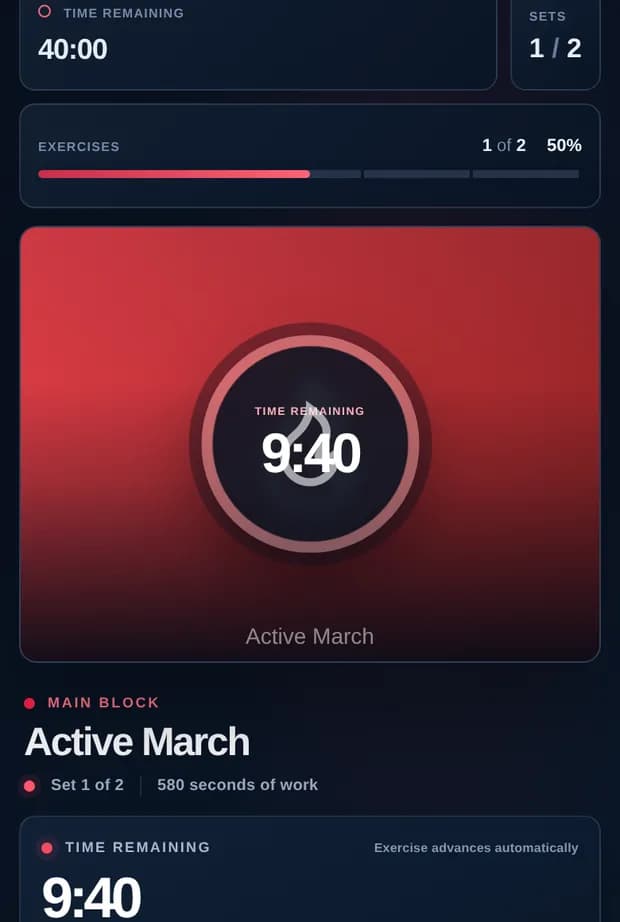
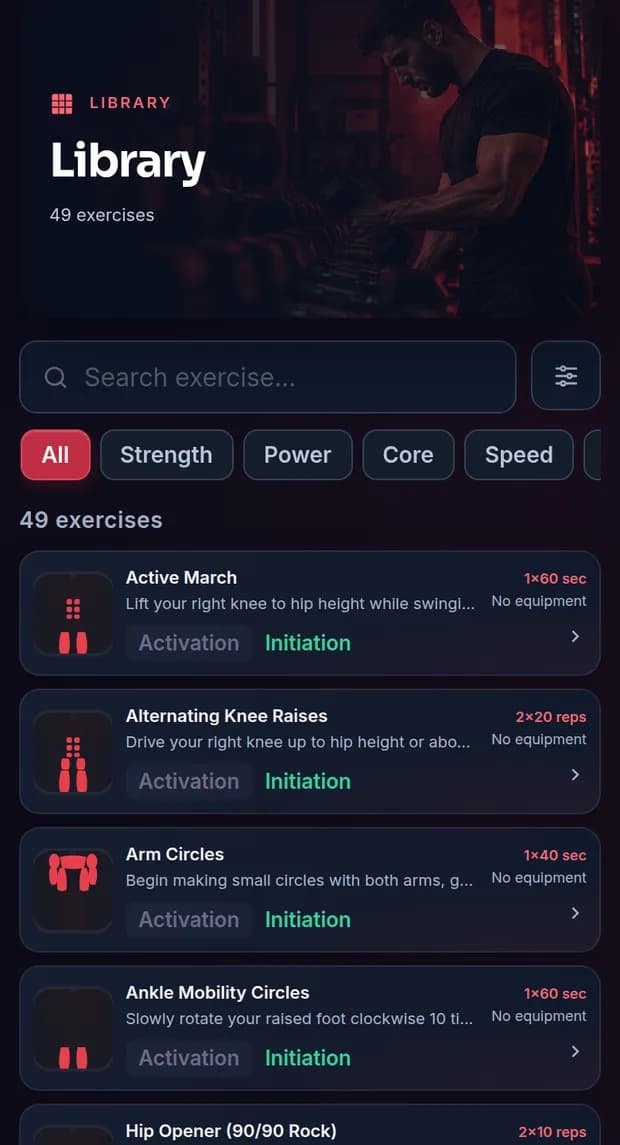
Everything you read here, turned into training you can follow step by step.
Physical training at home
AI daily sessions adapted to your level and position. No equipment needed.
Tactical training courses
Step-by-step courses on positioning, pressing, build-up and decision making.
- 7 days free
- No commitment
- Cancel anytime
Free account: 2 physical sessions + the first tactical course. PRO: 7-day free trial — cancel before day 8 and you pay nothing.
More Analysis
Damsgaard masterclass helps Brentford rout Man United — tactical lessons from a landmark Old Trafford win
November 29, 2026
Match AnalysisOff-field turbulence and refereeing clarity: what the week's news means tactically
November 27, 2026
Match AnalysisYoro clearance and the refereeing row: tactical implications for Manchester United
November 25, 2026
Match AnalysisRed card shapes Brentford’s 4-0 win; Lewis-Potter and Janelt on target
November 24, 2026