

Jude Bellingham came off the bench to score a stunning goal as Real Madrid recovered to win 5-1 against PSV Eindhoven, a result that maintained Real Madrid's 100% record in the Champions League. Teammates and manager José Mourinho praised Bellingham’s influence, and the midfielder credited Mourinho for his current form. Vinícius Júnior also received support from Bellingham after a strong attacking display.
What happened
Real Madrid fell behind to PSV Eindhoven but responded emphatically, producing a dominant second half that yielded four goals and turned the fixture into a comfortable 5-1 victory. Jude Bellingham, introduced from the bench, delivered a pivotal moment with a spectacular goal that helped swing momentum and energise the Bernabéu. The cameo drew strong acclaim from colleagues and the manager, while Bellingham himself singled out Mourinho as instrumental to his form. In the aftermath, Bellingham publicly backed teammate Vinícius Júnior amid discussions about the winger's critics.
The tactical reading
The facts point to a clear shift in control after half-time, suggesting Real Madrid altered something — whether personnel, intensity or positional balance — that allowed a much more incisive attacking performance. A five-goal output in the second period typically indicates improved verticality, quicker transitions and better coordination in the final third, which can arise from bringing on a player who changes the team’s tempo and positional relationships.
Bellingham’s introduction and immediate impact implies the team benefitted from a different midfield profile entering the game. When a central midfielder comes off the bench and quickly produces a decisive scoring moment, it often reflects an adjustment to how the side structures its forward movements: more direct runs from midfield, better late-arrival timing into the box, or a freer role that links attack and midfield with higher risk-taking. The praise from teammates and the manager underlines the psychological as well as tactical effect of such a substitution — an injection of belief and confidence that can encourage teammates to take more inventive attacking options.
The second-half resurgence also points to improved connection between wide and central attackers. Vinícius Júnior’s strong display, and Bellingham’s public backing of him, suggests the forward line was functioning with greater cohesion: when wide players are supported by runners from midfield, space opens for both dribblers and arriving attackers. That combination typically forces opposing defensive lines to make difficult choices between tracking advanced midfield runners or closing down wide threats, creating exploitable gaps.
There are trade-offs to such mid-game shifts. Increasing forward runs from midfield and encouraging more aggressive attacking positioning can leave spaces between the lines or expose the team to transitions if possession is lost. The success in this match indicates Real Madrid managed those risks well on the night, but the tactical template — using an influential substitute to alter tempo and arrival patterns — depends on the incoming player’s understanding of timing, decision-making and relationship with the front line.
Key tactical points
- Using a high-impact substitute can change tempo and positional relationships, enabling different attacking rhythms.
- Late midfield runs into the box create a secondary scoring threat that opponents must account for, stretching defensive coverage.
- Improved link-up between wide attackers and arriving midfielders increases unpredictability and opens pockets of space.
- Psychological boosts from a game-changing cameo can translate into bolder attacking decisions and higher team confidence.
- Shifting to a more direct or vertical attacking approach mid-game raises transition risk and requires coordinated defensive cover.
What to watch next
Watch how Real Madrid manage the balance between encouraging forward midfield incursions and maintaining defensive solidity in their following fixtures: will the team repeat the strategy of introducing a game-changing midfielder from the bench, or will similar attacking roles start matches? Observers should also monitor the evolving on-field partnership between the midfield and wide attackers, particularly how late midfield arrivals are incorporated into patterns that produce high-quality chances.
Another question is whether the psychological momentum of a dramatic second-half turnaround and the public backing of players like Vinícius Júnior become a template for handling scrutiny and criticism within the squad. Teams that harness such moments often use them to build continuity; whether that translates into consistent selection or further tactical tweaks will be revealing.
Train it
Exercise: 6v6 plus 4 neutral attackers to practise midfield arrivals and link play between wide forwards and central runners. Set on a medium-sized pitch with two small goals; neutrals always play for the team in possession. Encourage quick transitions and reward successful finishes that come from midfield late runs or combinations with wide players.
- Coaching point 1: Encourage midfielders to time their forward runs to arrive after the initial wide penetration or dribble, avoiding early offside and ensuring they meet cutbacks or second balls.
- Coaching point 2: Instruct wide attackers to create depth and pull defenders wide, then look for angled passes into arriving midfield runners rather than only crossing from the byline.
- Coaching point 3: Emphasise rapid defensive recovery shapes when possession is lost—compact central defenders and immediate pressure from the nearest midfielder—to mitigate transition risk.
Sources
- The Guardian: ‘He’s more elegant’: Bellingham downplays Zidane comparisons after wondergoal
- BBC Sport: Real Madrid put in five-star second half to win against PSV
- ESPN: Vinícius Júnior backed by Bellingham: Critics want 'excuse to hammer him'
- ESPN: Bellingham credits Mourinho 'full stop' for stellar form after Madrid stunner
The Bench View app
Don’t just read football — train it
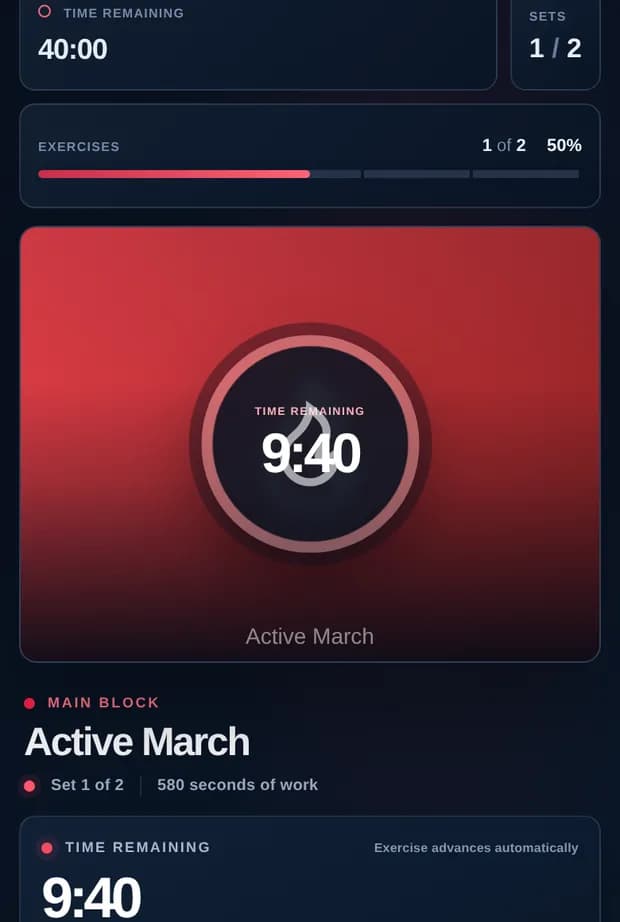
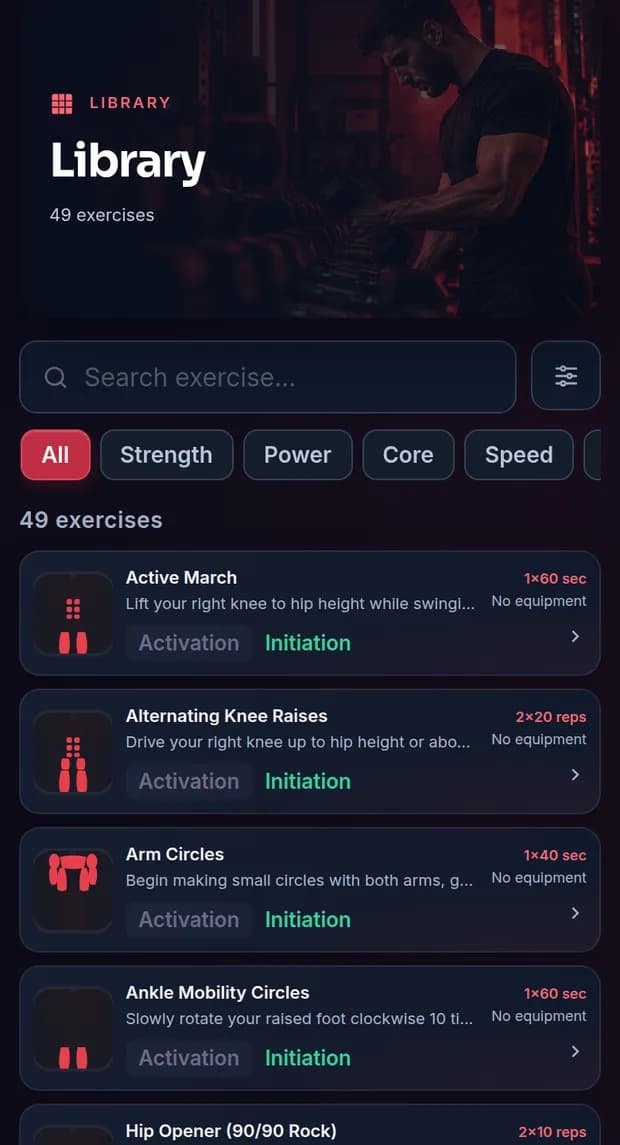
Everything you read here, turned into training you can follow step by step.
Physical training at home
AI daily sessions adapted to your level and position. No equipment needed.
Tactical training courses
Step-by-step courses on positioning, pressing, build-up and decision making.
- 7 days free
- No commitment
- Cancel anytime
Free account: 2 physical sessions + the first tactical course. PRO: 7-day free trial — cancel before day 8 and you pay nothing.
More Analysis
Liverpool’s Belgium performance: efficient, controlled and instructive
November 26, 2026
Match AnalysisHow Lille's two-minute swing exposed Bayern's balance — tactical analysis of a shock result
November 26, 2026
Match AnalysisLate header stings Villa in Istanbul — and raises questions about Emery’s attacking options
November 25, 2026
Match AnalysisArsenal held 1-1 by Dortmund — finishing lapses and game-management lessons
November 25, 2026