

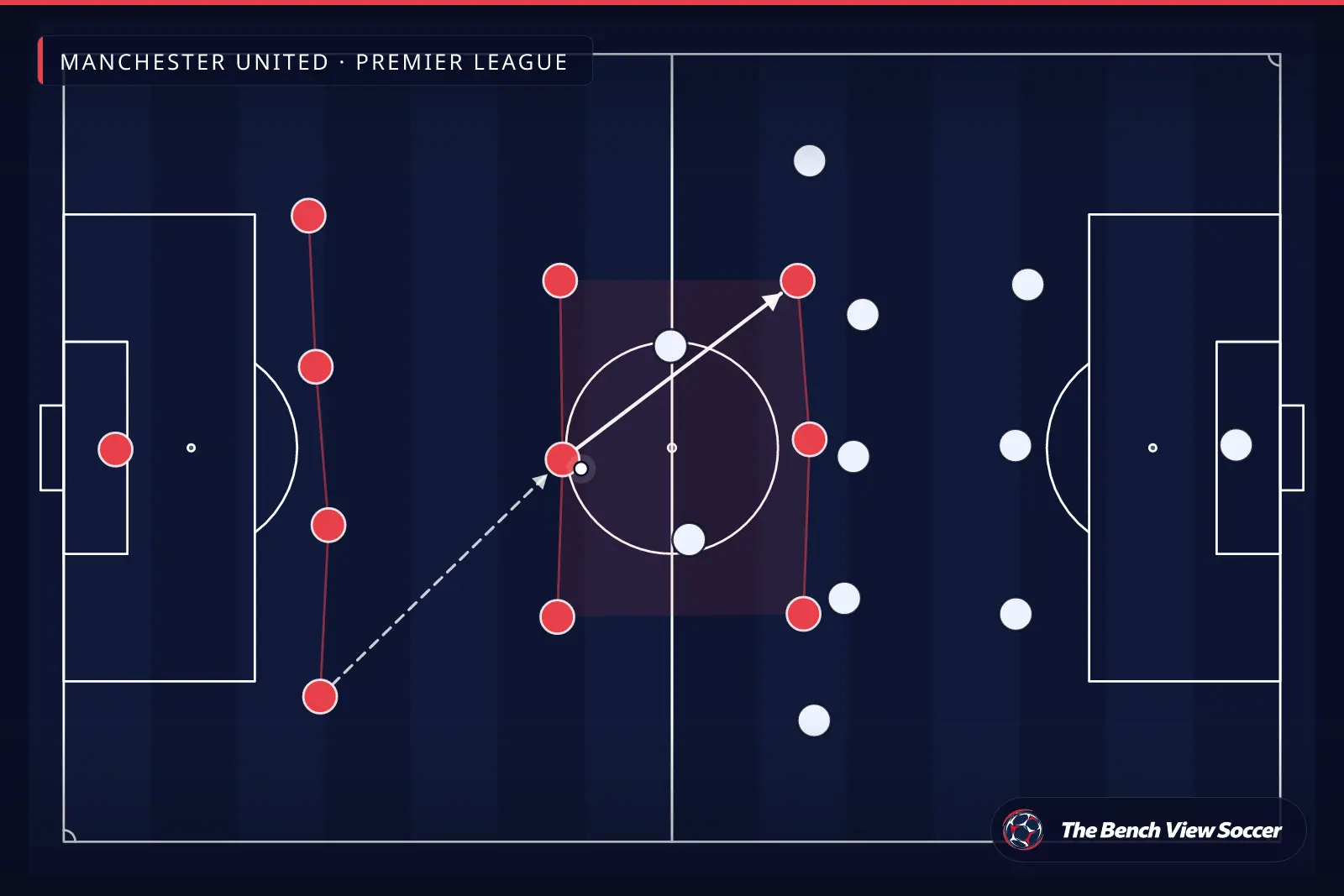
Manchester United produced a dramatic late rescue to secure a 4-4 draw with Aston Villa at Old Trafford after Patrick Dorgu's 96th-minute header squirmed in following a stoppage‑time scramble. United twice came back from being two goals down, scoring twice in stoppage time to salvage the point. The match left questions about defensive control and game management — points underlined by United sitting in the relegation zone going into the international break and their head coach Michael Carrick accepting his side "made it hard on themselves." Aston Villa manager Unai Emery left the pitch frustrated and went down the tunnel before full time, voicing displeasure after the late equaliser.
What happened
The contest at Old Trafford developed into an eight‑goal encounter, with Manchester United twice overturning two‑goal deficits to force a share of the points. United scored two goals in stoppage time, the second arriving in the 96th minute when Patrick Dorgu's header went in after a chaotic corner situation in which goalkeeper Senne Lammens collided with his opposite number Zion Suzuki; no foul was given, a decision that drew the ire of Aston Villa manager Unai Emery. The result left United in the relegation zone as they headed into the international break. Post‑match, Carrick reflected that his team had made things difficult for themselves while Emery expressed frustration at surrendering leads and exited towards the tunnel prior to the final whistle.
The tactical reading
The pattern of the game — twice allowing two‑goal cushions and needing goals in stoppage time to secure a draw — points to recurring structural problems rather than isolated lapses. Conceding multiple times across the match suggests that the team struggled with either transitional moments or sustained defensive organisation; a side that repeatedly loses a lead is typically experiencing breakdowns in maintaining shape or coping with an opponent's momentum shifts. The late‑game chaos around a corner that produced the equaliser highlights how set‑piece coordination and goalkeeper communication can determine outcomes when matches enter frantic closing phases.
The capacity to fight back twice and score in added time, however, indicates resilience and an attacking profile capable of generating high‑risk, high‑reward opportunities late on. Teams that salvage results in this manner often adopt a more direct, committed forward thrust in the final stages — pushing numbers into the box for crosses or committing midfield runners — which can overload opponents who are attempting to defend a slender lead. That same approach, though, exposes defensive vulnerabilities in the moments immediately before and after the attacking surge, trading defensive solidity for offensive urgency.
From a coaching perspective, selection and in‑game management choices are central to the balance between attacking impetus and defensive control. The match narrative suggests substitutions and tactical tweaks were used to chase the game, which typically forces a team into asymmetric shape where the lines become compressed or stretched. When a coach elects to push for a late equaliser, the trade‑off often manifests as gaps between midfield and defence or as numerical inferiority on counter transitions — scenarios that opposing managers will seek to exploit.
Finally, the psychological dynamic plays through the tactical layer. A manager’s reaction to late decisions, such as Emery going down the tunnel before the whistle and publicly contesting the final phase, illustrates how fine margins and perceived officiating influence tactical risk‑taking. When refereeing interventions go in one direction, coaches may adjust the level of aggression in pressing or in set‑piece marking. A team that frequently finds itself clawing back implies both appetite and a willingness to accept disorder late on — useful in rescue operations but costly if it becomes the default approach.
Key tactical points
- Repeatedly conceding two‑goal leads points to systemic defensive issues in maintaining organisation and focus across phases of play.
- Scoring twice in stoppage time shows effective late‑game offensive commitment but also highlights the risk of becoming overreliant on last‑ditch strategies.
- Set‑piece situations in the closing minutes require clear goalkeeper and defensive communication; chaotic collisions at corners can be decisive.
- Substitution strategy when chasing a game should explicitly plan for defending expected counterattacks to avoid trading leads for pressure.
- Managerial reactions and match incidents (e.g., contentious final decisions) can alter how a team chooses to press or protect a lead in the last minutes.
What to watch next
Look at how the team approaches matches immediately after an emotionally charged draw that involved late heroics. Will the coaches prioritise tightening defensive structures to stop recurring two‑goal deficits, or will they double down on the offensive characteristics that enabled late comebacks? The answers should become visible in the next fixtures' opening phases: whether the side starts conservatively to protect leads or adopts the high‑intensity pressing and forward numbers that produced the stoppage‑time goals.
Also watch set‑piece routines and goalkeeper communication. If the corner‑time scramble that produced the 96th‑minute equaliser was treated as an isolated fluke, similar moments may recur. Conversely, a deliberate change — either in marking assignments, goalkeeper positioning, or substitution timing late on — would indicate a strategic response to the vulnerabilities exposed in this match.
Train it
Practice a late‑game scenario that combines attacking urgency with defensive transition control: set up a 20‑minute drill where one team starts two goals down with limited time to score while the other defends a lead and can counter. The exercise should recreate the pressure of needing late goals while forcing defenders and goalkeepers to rehearse communication and marking on corners and counters.
- Coaching point 1: Emphasise clear verbal roles for goalkeeper and near‑post/central defenders on corners; rehearse who claims balls and how to recover from collisions.
- Coaching point 2: When the attacking side commits extra players, practice the defensive team’s outlet patterns — quick, safe passes to relieve pressure rather than panicked clearances.
- Coaching point 3: Simulate substitutions and rotations to teach how fresh attackers can be integrated without abandoning cover for likely counterattacking channels.
Sources
- The Guardian: Dorgu rescues point for Manchester United in eight-goal thriller against Aston Villa
- Sky Sports: Man Utd score two in stoppage-time to salvage 4-4 draw with Villa
- Sky Sports: Man Utd rescue draw in EIGHT-goal thriller against Villa
- Sky Sports: Villa boss Emery explains why he went down tunnel before full-time
- Sky Sports: Man Utd in relegation zone but boss Carrick 'expects' to stay on
- BBC Sport: Man Utd making it 'hard on ourselves' - Carrick
- BBC Sport: Man Utd score twice in stoppage time to share points in eight-goal thriller
- BBC Sport: 'Frustrated and disappointed' - Emery on Man Utd draw
- BBC Sport: Villa's Kamara on Chelsea watchlist - Monday's gossip
- BBC Sport: Where does Man Utd 4-4 Villa rank among best Premier League games?
- Sky Sports: Russo shines at Anfield, United snatch late win - WSL round-up
- Sky Sports: Liverpool's unwanted record highlights creativity issue
- The Guardian: There are very few reasons for Unai Emery to leave Aston Villa for Manchester United | Jonathan Wilson
- Sky Sports: WSL LIVE! Liverpool vs Arsenal, Aston Villa vs Man Utd in early action
- Sky Sports: Arsenal latest:Saliba to play for U21s against Aston Villa
The Bench View app
Don’t just read football — train it
Everything you read here, turned into training you can follow step by step.
Physical training at home
AI daily sessions adapted to your level and position. No equipment needed.
Tactical training courses
Step-by-step courses on positioning, pressing, build-up and decision making.
- 7 days free
- No commitment
- Cancel anytime
Free account: 2 physical sessions + the first tactical course. PRO: 7-day free trial — cancel before day 8 and you pay nothing.
More Analysis
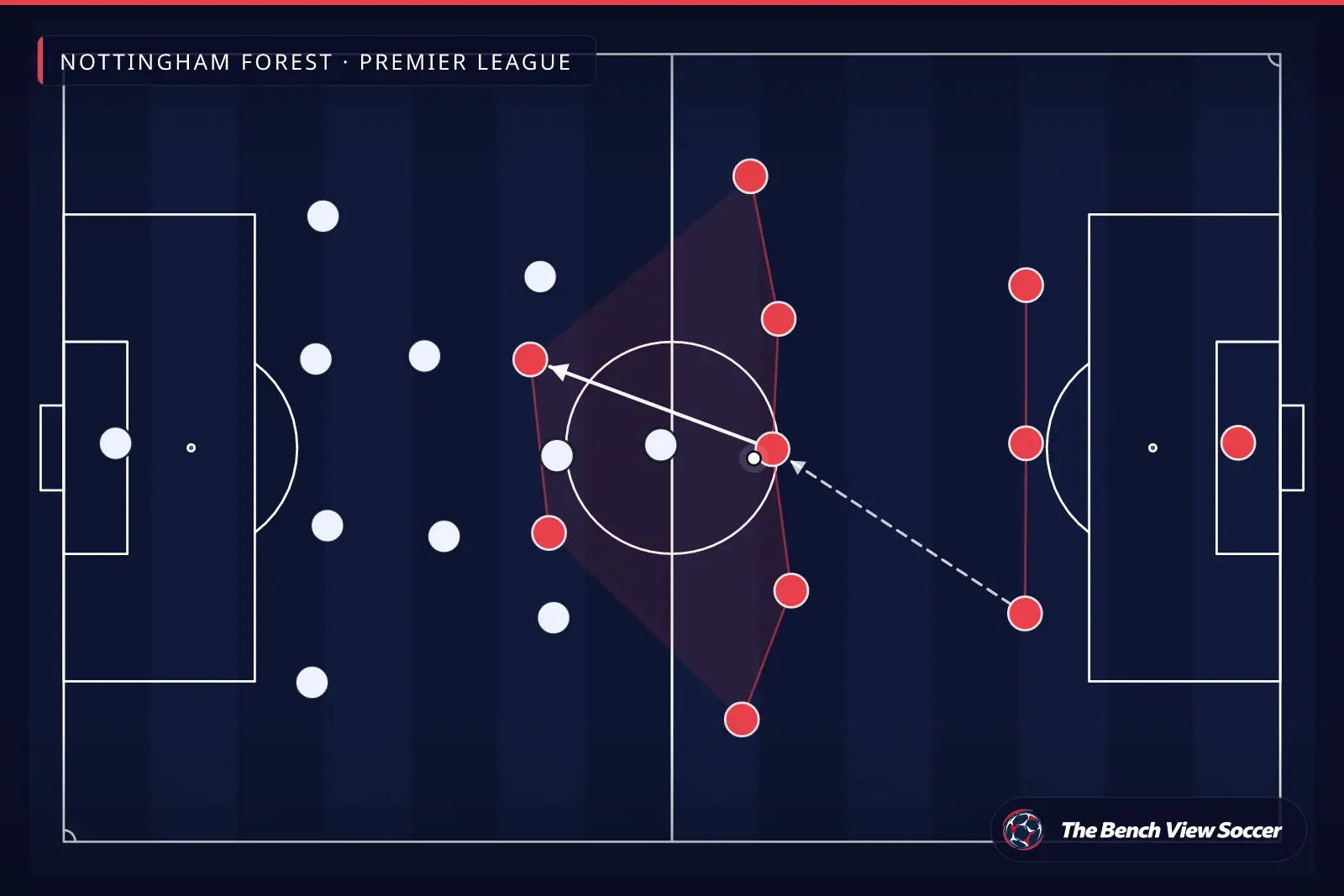
Delap double ends Forest’s home drought and hands Man City third straight league defeat
November 7, 2026
Pressure Game: What Manchester United v Aston Villa at Elland Road Means Tactically
November 7, 2026
Everton edge Newcastle as Barry again punishes St James' Park; Jaissle questions decisive incident
November 3, 2026
Arsenal’s Anfield win: champions’ composure, a non-penalty and tactical lessons
November 2, 2026