

Manchester United's 4-4 draw with Aston Villa at Old Trafford produced a chaotic contest that left Michael Carrick's side in 18th place with eight points from 10 league games. The match ended with debate over whether the late United equaliser should have been ruled out because of contact on goalkeeper Zion Suzuki, and pundits on Match of the Day highlighted four preventable defensive errors that underlined United's ongoing problems. Carrick publicly dismissed the idea that he should resign following the result.
What happened
Manchester United played Aston Villa in a high-scoring game at Old Trafford that finished 4-4. The result left United in the relegation zone with eight points from 10 matches and only one league victory so far this season, a win at home to Ipswich in August. After the late stages of the match there was controversy: Sky Sports' Ref Watch panel debated whether United's late equaliser should have stood because of contact on goalkeeper Zion Suzuki by Lammens. Separately, television pundits identified four significant defensive mistakes that contributed to United conceding four goals during the game. Michael Carrick responded to suggestions he should step down by dismissing the idea that resignation would be in the team's interest.
The tactical reading
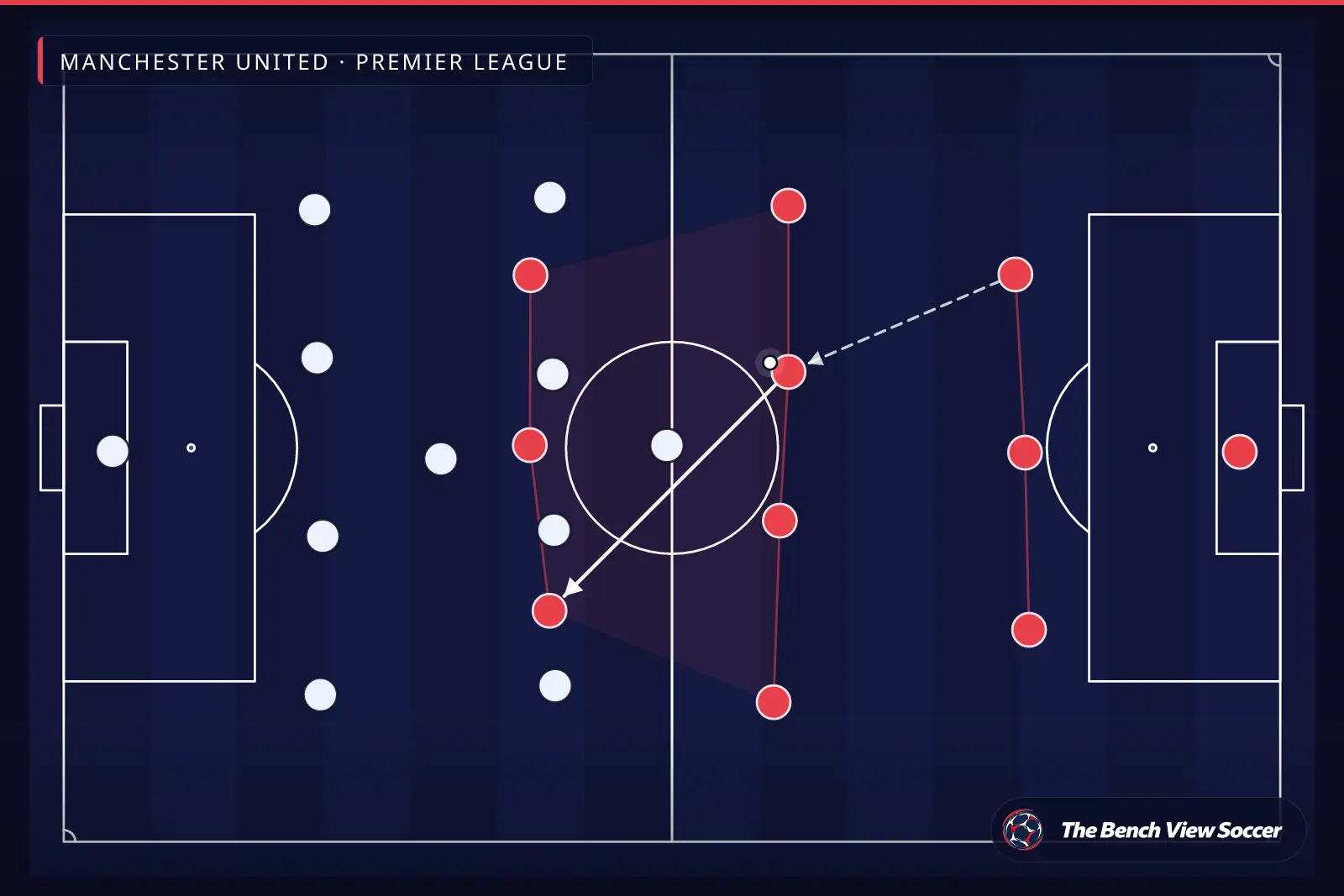
The nature of a 4-4 scoreline points to fundamental balance issues across the pitch rather than a single isolated failing. Conceding four goals typically indicates chronic problems in defensive structure, transitions and concentration; the Match of the Day breakdown that highlighted four "huge mistakes" suggests these were preventable lapses rather than merely being outplayed. When a side repeatedly gifts opportunities it often stems from breakdowns in defensive organisation—positioning, clear communication and role clarity among backline and midfield.
The late-equalling goal controversy, centred on contact between an opponent and the goalkeeper, also highlights the fine margins in match control and how individual duels can determine outcomes. When decisions on goalkeeper protectiveness or the physical involvement of opponents become match-defining, it points to recurring issues in how a team defends crosses, set plays and late attacking transitions. Teams that concede via contested goalkeeper situations typically have to address both technique in aerial defence and the procedural rules that govern goalkeeper protection.
Given the result and the commentary, United's tactical problem likely spans both structural and psychological realms. Structurally, repeated defensive errors tend to correlate with uncertain defensive shapes in transition—too many players committed forward, a midfield that fails to screen effectively, or the backline lacking a consistent organiser. Psychologically, conceding and then reacting to controversial decisions can create fragmented focus; a team vulnerable to such swings will find it hard to manage the game clock and close out matches.
Finally, coaching trade-offs are implicit in teams that produce high-scoring matches. A more aggressive, risk-taking approach can generate chances but increases exposure on the break. Conversely, an attempt to shore up the defence without clear role definition can lead to passive defending and confusion about assignments. The tactical lesson is that risk management has to be explicit: who presses, who drops, and how the goalkeeper and defenders coordinate on crosses and second balls must be rehearsed and non-negotiable during matches.
Key tactical points
- Preventable errors—multiple individual or collective mistakes can compound into high concession totals even without overall strategic inferiority.
- Goalkeeper protection in crowded penalty-area moments is decisive; contact and aerial duels need clear protocols and rehearsed communication.
- Transition management is critical: committing players forward requires a defensive fallback plan to deal with counter-attacks and late crosses.
- Mental resilience and concentration across 90+ minutes determine whether teams close out matches or allow late swings in momentum.
- Refereeing controversies amplify tactical deficiencies; if outcomes hinge on marginal contacts, the underlying defensive shape must be less reliant on luck.
What to watch next
Observe whether the coaching staff prioritises structural defensive work or opts for cosmetic changes. Will training focus on reducing individual mistakes and clarifying roles in transition, or will the emphasis be on altering personnel and attacking patterns? The next matches will reveal which trade-offs the coaching team chooses to address first.
Also watch how the team manages late phases of games and contested goalkeeper situations. Do they implement clearer marking schemes for crosses and set plays, and does the goalkeeper-defender communication improve under pressure? Those adjustments will be telling about whether the side can convert chaotic games into controlled results.
Train it
Practice a progressive defensive rondo that combines press triggers, midfield screening and goalkeeper involvement to reduce preventable concessions in transition and set-piece scenarios.
- Start with a 6v4 rondo where four defenders plus the goalkeeper must regain possession and play out under pressure; focus on immediate compactness and passing lanes when possession is lost.
- Progress to a 10v8 pattern that includes attackers and midfielders to rehearse transition shapes—who drops to cover, who steps to press, and how the goalkeeper organises the defence on crosses.
- Coaching points: enforce clear verbal cues from the goalkeeper, demand consistent body angles to shield second balls, and drill immediate defensive resets after every attacking sequence to build concentration and reduce preventable errors.
Sources
- The Guardian: ‘I expect to move forward’: Carrick denies risk of Manchester United sack
- Sky Sports: 'Should've been ruled out!' - Did Lammens foul Suzuki for Man Utd's late equaliser?
- BBC Sport: Bizarre & thrilling theatre as Carrick in limbo with Man Utd in drop zone
- BBC Sport: Four 'huge mistakes' that show Man Utd's defensive problems
The Bench View app
Don’t just read football — train it
Everything you read here, turned into training you can follow step by step.
Physical training at home
AI daily sessions adapted to your level and position. No equipment needed.
Tactical training courses
Step-by-step courses on positioning, pressing, build-up and decision making.
- 7 days free
- No commitment
- Cancel anytime
Free account: 2 physical sessions + the first tactical course. PRO: 7-day free trial — cancel before day 8 and you pay nothing.
More Analysis
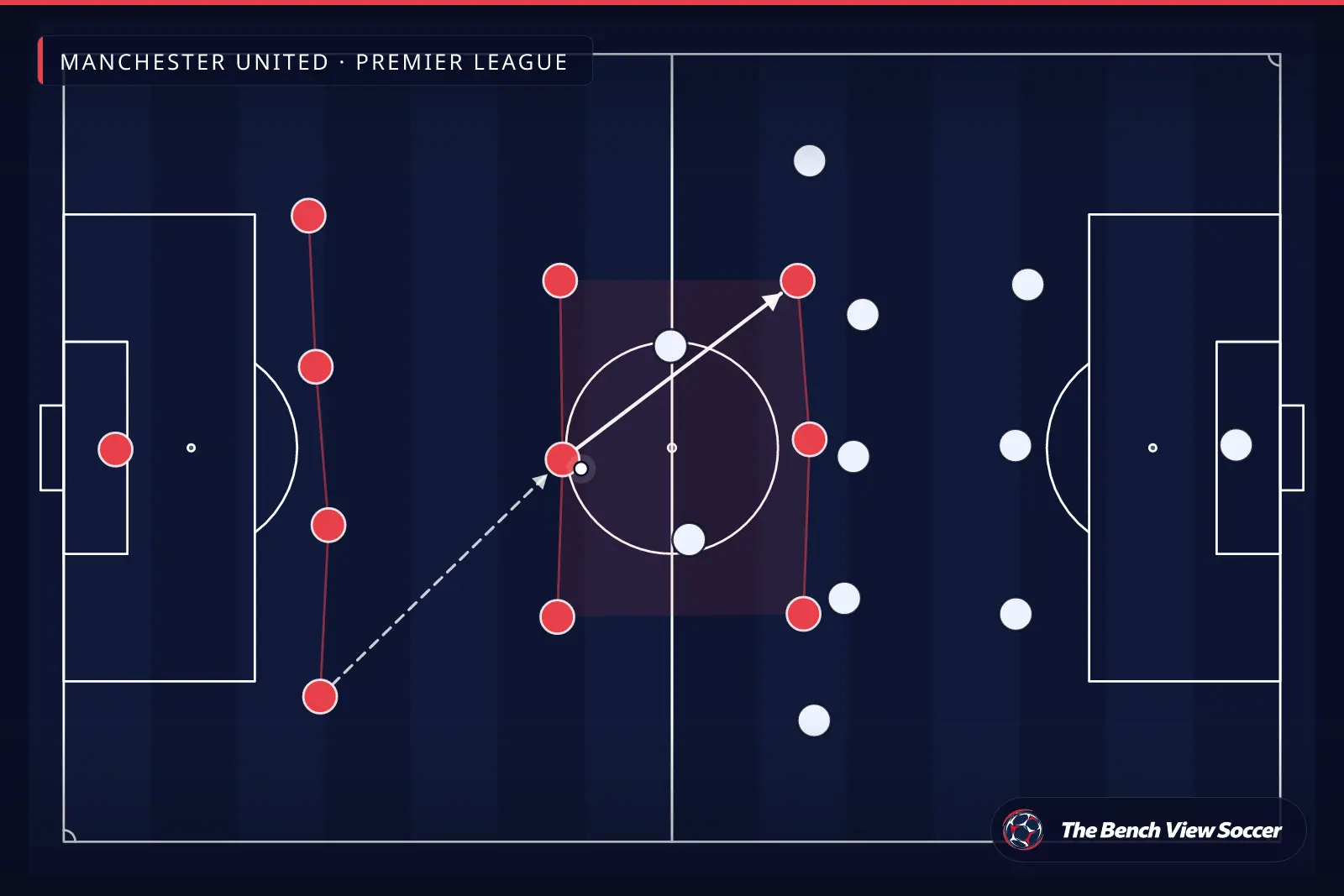
Breathless at Old Trafford: How Man United's 4-4 draw with Villa exposed structure and spirit
November 8, 2026
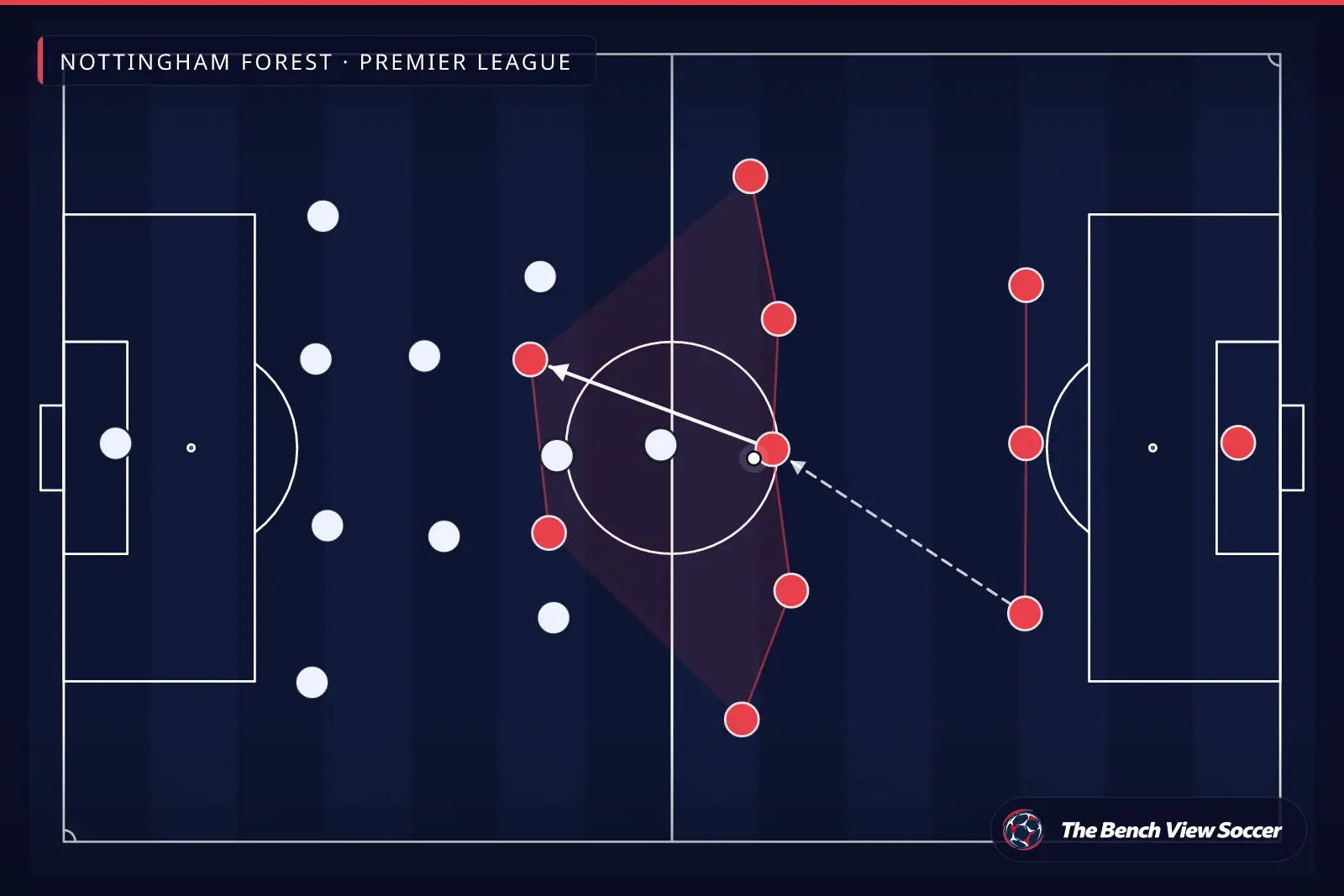
Delap double ends Forest’s home drought and hands Man City third straight league defeat
November 7, 2026
Pressure Game: What Manchester United v Aston Villa at Elland Road Means Tactically
November 7, 2026
Everton edge Newcastle as Barry again punishes St James' Park; Jaissle questions decisive incident
November 3, 2026