

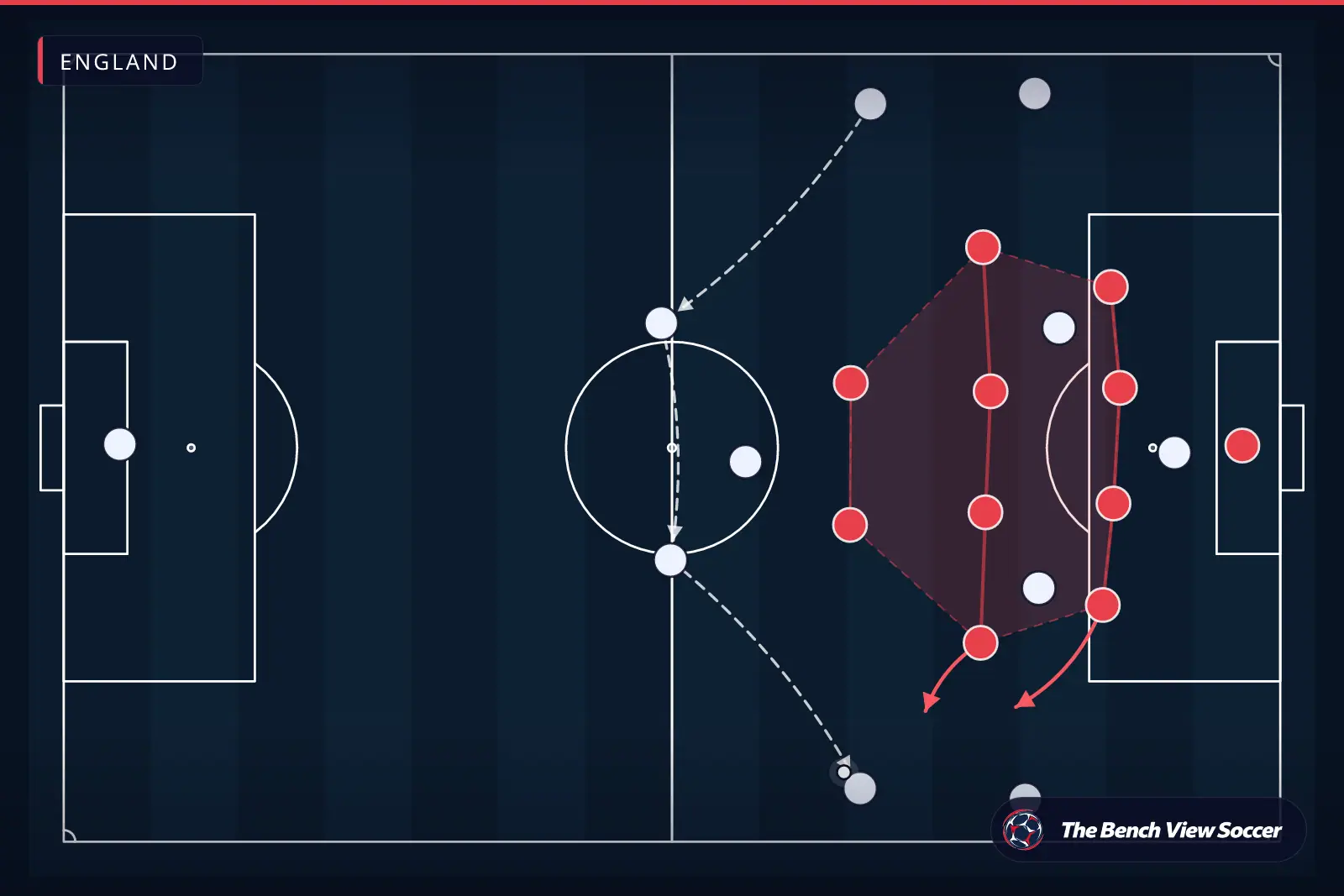
England's Nations League squad has seen a defensive reshuffle and an intriguing attacking inclusion. Bournemouth defender James Hill has been added for the Wembley fixture with Croatia, Newcastle's Dan Burn has been called up to replace Marc Guehi after a hip injury, and Fulham's Josh King — described as an attacking midfielder — is in the squad for the matches against Croatia and Spain.
What happened
Managerial staff made three squad adjustments announced in the build-up to England's Nations League fixtures. Bournemouth defender James Hill was added to the England squad specifically for Thursday's Nations League match against Croatia at Wembley. Separately, Newcastle player Dan Burn was called into the England group to replace Marc Guehi, who withdrew because of a hip injury; Burn's call covers the two Nations League matches against Croatia and Spain. Also included in the squad is Fulham's Josh King, described in reporting as an attacking midfielder and noted for an atypical background that includes strong academic influences and prior experience in rugby as a fly-half.
The tactical reading
These changes point to an immediate emphasis on defensive options for England. The description of Hill as a defender and the explicit framing of Burn's arrival as cover for an injured Guehi suggest the coaching staff wanted to ensure depth and flexibility across the backline. That approach typically signals preparations for coping with either multiple defensive roles being required or the need to sustain intensity across two matches in a short period.
Bringing in Dan Burn as direct cover for a player who withdrew with a hip injury implies a preference for experienced, ready-to-deploy personnel. Even without positional detail beyond the reporting, such a late replacement often suggests the staff value physical robustness and the ability to slot into an established defensive plan without a lengthy bedding-in period. The appointment of James Hill for the Wembley match further underlines the need for match-specific reinforcement, perhaps to manage rotation or to provide tactical alternatives for that particular opponent.
The inclusion of an attacking midfielder like Josh King — a player noted for both technical background and an unusual sporting education — adds a different dimension to the squad balance. His profile suggests the coaching staff are considering personnel who can offer intelligence in possession and versatility in attacking phases. Players with varied sporting experiences (the reporting mentions rugby experience as a fly-half) sometimes bring different decision-making perspectives, particularly in spatial awareness and transitional moments, which are valuable in tournament-style group matches.
Overall, the pattern of these call-ups typically represents a dual focus: consolidating defensive cover to protect against attrition and injuries, while bringing in attacking options who may influence tempo and creativity. The trade-off is clear — bolstering defensive numbers can limit opportunities for experimenting with attacking personnel, yet adding a creative midfield presence indicates a willingness to preserve tactical flexibility when England move into possession.
Key tactical points
- Late defensive additions often reflect a plan to secure cover for multiple potential roles rather than to change core tactics.
- Replacing an injured player with an experienced squad member suggests priority on seamless integration and physical readiness over developmental gambles.
- Adding a player described as an attacking midfielder with non-traditional sporting experience points to valuing decision-making and spatial intelligence in attacking phases.
- Match-specific call-ups (e.g., for Wembley) typically enable rotation strategies to preserve player freshness across a congested schedule.
- Balancing defensive reinforcements with attacking creativity indicates the coaching staff are preparing for both solidity out of possession and purposeful transitions in possession.
What to watch next
Watch how the manager deploys the newly called-up defenders in the immediate match context: whether they are used as like-for-like replacements, brought in for specific match plans at Wembley, or kept for squad depth across both fixtures. The way they are integrated will reveal whether the priority is short-term cover or tactical variety.
In attack, observe whether Josh King is selected to influence transitional moments or to add a different creative profile off the bench. His inclusion raises questions about how England might seek to manipulate space and tempo against opponents of differing defensive shapes in the two Nations League matches.
Train it
Practical exercise: Transitional four-versus-four plus two neutrals, focusing on quick defensive cover and immediate attacking exploitation. The drill simulates the need to switch between compact defending and rapid attacking transitions, reflecting the squad's combination of defensive depth and attacking versatility.
- Set-up: 25x20m grid. Four defenders vs four attackers, plus two neutral players who always play with the team in possession. One ball in play; when possession changes, the previous attackers must quickly transition to defend and get compact.
- Coaching focus: demand quick recovery runs from defenders, clear communication to cover channels, and immediate forward passing into neutrals to exploit space on turnover.
- Progression: add a time limit to retain possession (e.g., five passes to score) to increase pressure on defenders and encourage rapid attacking decisions that mirror match situations.
Sources
The Bench View app
Don’t just read football — train it
Everything you read here, turned into training you can follow step by step.
Physical training at home
AI daily sessions adapted to your level and position. No equipment needed.
Tactical training courses
Step-by-step courses on positioning, pressing, build-up and decision making.
- 7 days free
- No commitment
- Cancel anytime
Free account: 2 physical sessions + the first tactical course. PRO: 7-day free trial — cancel before day 8 and you pay nothing.
More Analysis
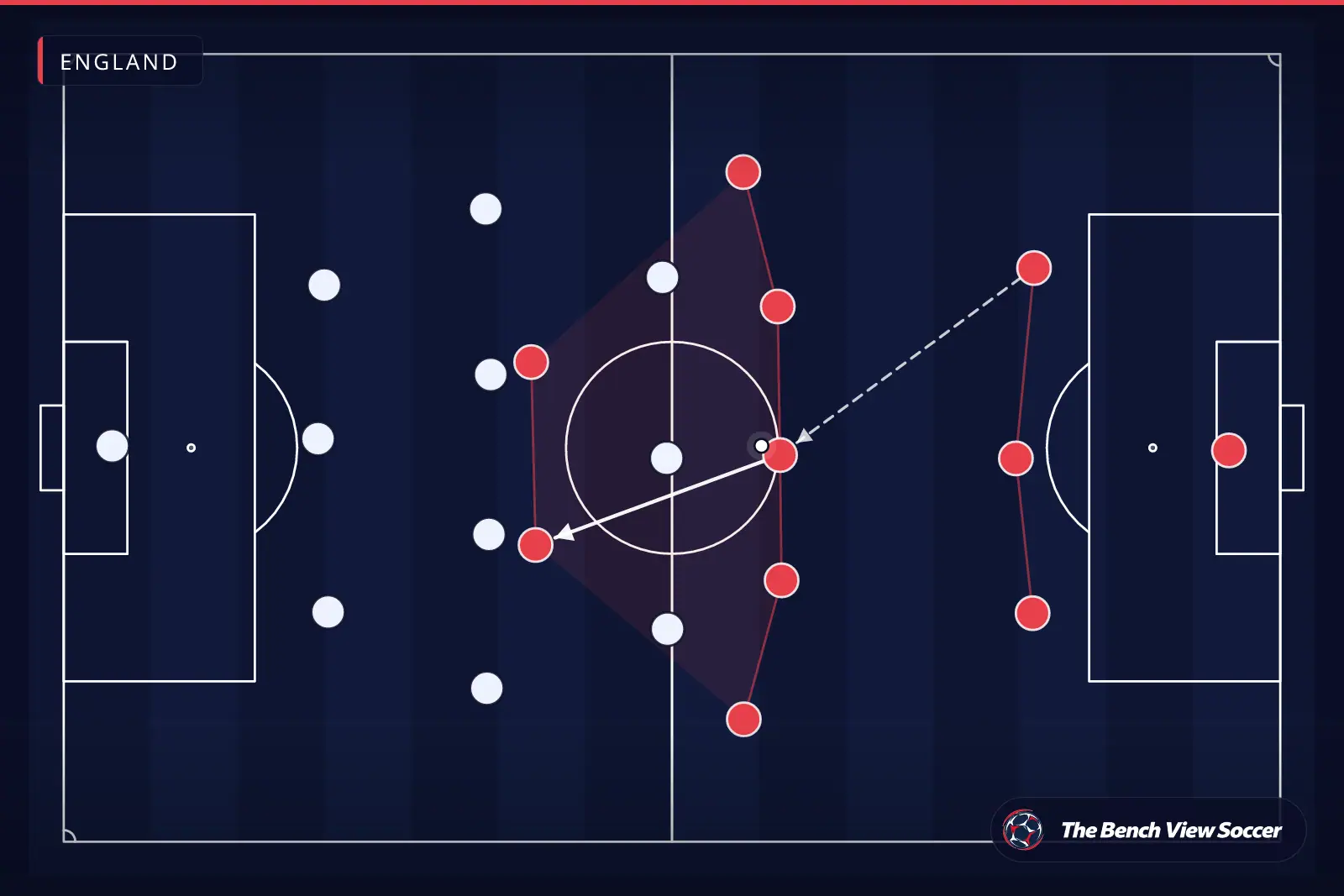
Harry Kane’s milestone and what it says about England’s tactical identity
November 12, 2026
Tuchel’s England steady amid wider coaching churn — tactical implications for the national side
November 12, 2026
McTominay's pre-tournament heart treatment and Scotland's leadership spine: tactical lessons
November 11, 2026
Ben White on England exile: facts, fan reaction and what coaches should learn
November 10, 2026