

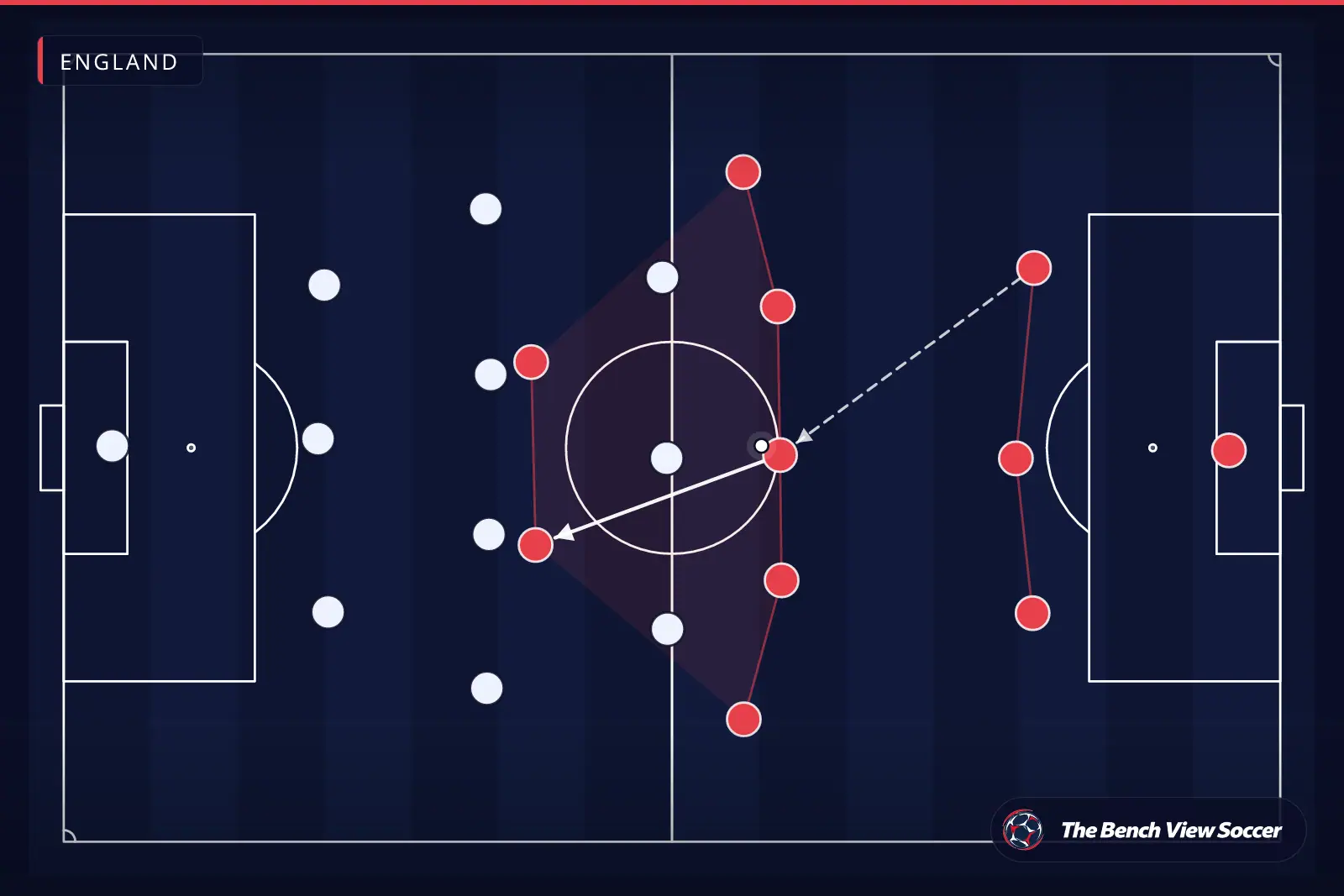
Harry Kane is set to become England’s most capped male player when he makes his 126th appearance against Croatia at Wembley, overtaking Peter Shilton’s long-standing total of 125 caps. Shilton reached that mark in his final England match at the 1990 World Cup third-place play-off in Bari, where he also wore the captain’s armband. Kane arrives at this milestone as England captain and the country’s record goalscorer, and his tally of 126 caps places him alongside well-known internationals who have similar appearance totals.
What happened
Harry Kane will play his 126th match for England against Croatia at Wembley in the Nations League, which will move him past Peter Shilton’s total of 125 England appearances. Shilton’s 125th and final cap came at the 1990 World Cup third-place play-off in Bari, where he captained the side. Reports note Kane’s status as England captain and as the nation’s record goalscorer. Media context also points out that a total of 126 international caps is comparable to figures reached by other prominent players in the global game.
The tactical reading
The milestone invites a look at what a player of Kane’s profile often offers a team beyond raw numbers. A long-serving captain and leading goalscorer typically becomes an organising hub in attack and a reference point for teammates. That role tends to shape a team’s attacking patterns: when a striker is used as a consistent focal point, the team often structures build-up to arrive in positions that exploit his strengths, whether that’s with progressive passes into feet, runs behind defences or combinations in the final third.
Kane’s accumulated minutes and leadership responsibilities suggest he functions as more than a pure finisher. In modern systems, such a forward often drops between the lines to create overloads and link play, or to pull central defenders out of position so wide players or late midfield runners can exploit space. A team that relies on such a figure will adjust its midfield and wing movement to complement those tendencies, supplying runners into channels and ensuring there is always an outlet for the striker’s hold-up play.
On the defensive side, a longstanding captain-forward dynamic usually shapes pressing triggers and transitions. When the primary striker is a trusted leader, coaches frequently ask him to set the tone for the press — whether initiating pressure on the ball near the defensive line or directing teammates to cover passing lanes. That responsibility forces trade-offs: instructing a forward to press aggressively can help win possession high but may leave the team vulnerable to quick counters if the rest of the unit does not maintain compactness.
Finally, longevity at international level points to adaptability. Players who remain in the setup over many campaigns commonly refine their positional understanding and adjust to different tactical plans. For a coach, that versatility is valuable because it allows tactical tweaks without wholesale personnel changes — for example shifting from a direct approach using target-man attributes to a more possession-oriented shape where the striker operates as a false nine or a playmaking hub.
Key tactical points
- Having a consistent striker-captain creates a predictable focal point in attack; build-up patterns will often be tailored to feed that player’s strengths.
- A striker who drops between the lines can generate overloads and create space for wide players and arriving midfielders, but the team must coordinate runs and spacing to exploit those movements.
- Assigning pressing responsibilities to a senior forward helps impose defensive structure high up the pitch but requires midfielders and full-backs to balance cover to prevent counterattacks.
- Longevity implies tactical adaptability — a coach can exploit a veteran’s positional intelligence to switch between direct and possession-based attacking modes without major personnel changes.
- Leadership on the field influences game management: experienced captains tend to stabilise transitions and set tempo, which is a tactical asset in tight matches.
What to watch next
With Kane moving into the record books, watch how England’s attacking shape adjusts to maximise his influence at the forefront of the team. Will the side continue to funnel chances through him as a central hub, or will coaches increasingly ask him to vacate the centre and create opportunities for other attackers to exploit? Observing how teammates time their runs and occupy half-spaces around him will reveal whether the team prioritises direct service or a more fluid interchange.
Also look at pressing and transition moments: does Kane take on clear pressing initiations that the rest of the unit follows, or is the press coordinated elsewhere with him conserving energy for offensive phases? The balance between attacking responsibility and pressing burden will indicate the tactical trade-offs the coaching staff prefers in upcoming matches.
Train it
Practice a 7v7 rondo that emphasises striker drop-and-link play and coordinated pressing triggers to replicate the tactical themes this milestone highlights. The exercise encourages a forward to receive between the lines, link play, and instantly transition to pressing when possession is lost.
- Coaching point 1: Encourage the central forward to drop deep to receive; teammates must recognise and create staggered passing angles to exploit the created space.
- Coaching point 2: Define pressing triggers — a loss in the final third or a specific pass — and rehearse the forward initiating the press with coordinated movements from midfield and wide players.
- Coaching point 3: Emphasise quick transitions: after winning the ball, the team should have an immediate vertical option (overlap or through pass) to test defensive organisation.
Sources
The Bench View app
Don’t just read football — train it
Everything you read here, turned into training you can follow step by step.
Physical training at home
AI daily sessions adapted to your level and position. No equipment needed.
Tactical training courses
Step-by-step courses on positioning, pressing, build-up and decision making.
- 7 days free
- No commitment
- Cancel anytime
Free account: 2 physical sessions + the first tactical course. PRO: 7-day free trial — cancel before day 8 and you pay nothing.
More Analysis
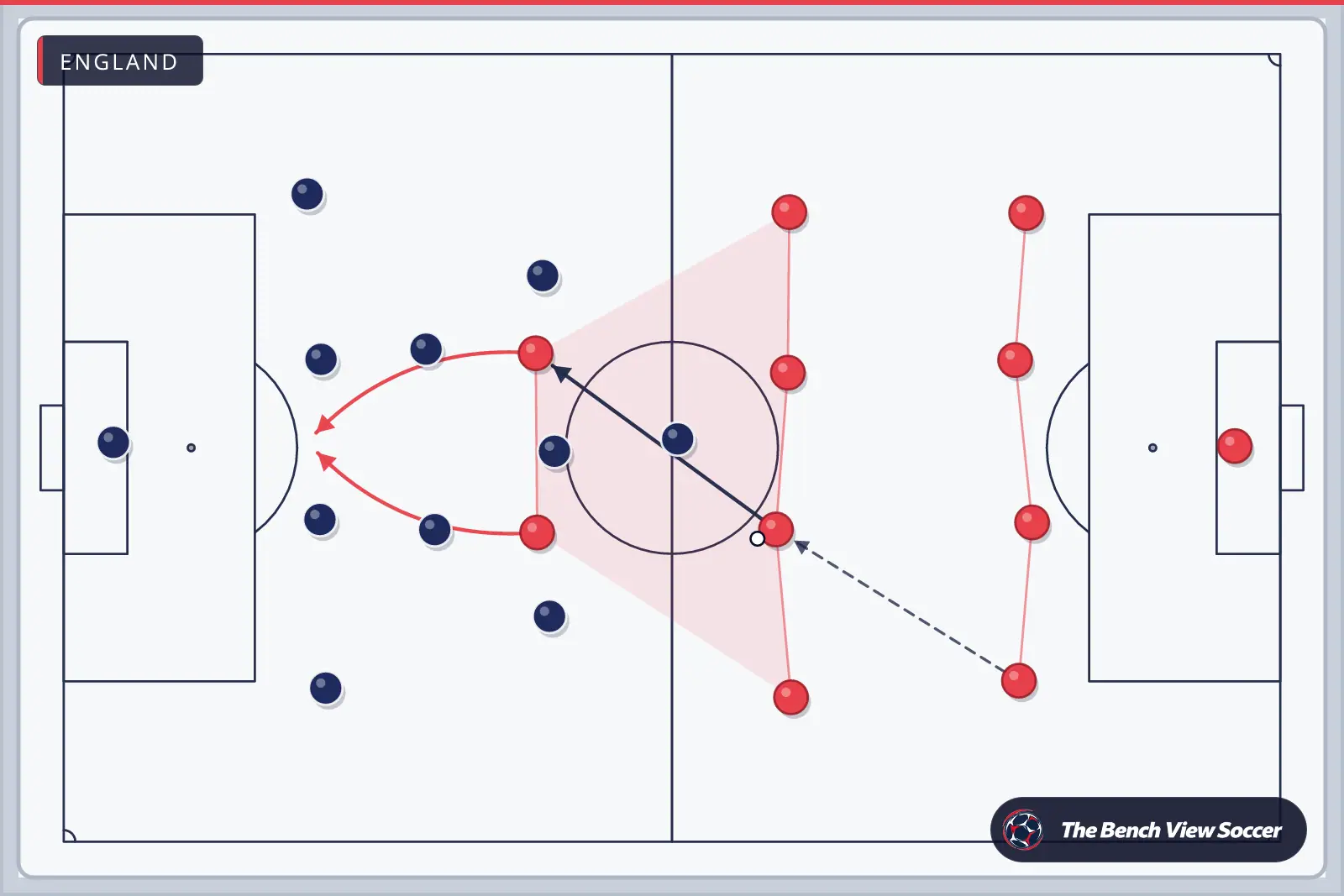
Tuchel’s England steady amid wider coaching churn — tactical implications for the national side
November 12, 2026
McTominay's pre-tournament heart treatment and Scotland's leadership spine: tactical lessons
November 11, 2026
England reshapes defensive options as King earns Nations League call-up
November 10, 2026
Ben White on England exile: facts, fan reaction and what coaches should learn
November 10, 2026