

Barcelona overturned a two-goal deficit to beat Villarreal 3-2 at Camp Nou, restoring a three-point lead at the top of LaLiga. Villarreal had raced into a 2-0 lead courtesy of two goals in a seven-minute spell from Tajon Buchanan and Tani Oluwaseyi, and Barcelona also saw winger Lamine Yamal miss a first-half penalty. After the break Barcelona rallied to secure the win; coach Hansi Flick described the comeback as "unbelievable" while expressing dissatisfaction with referee Alejandro Hernández Hernández.
What happened
Villarreal established a strong start at Camp Nou, taking advantage of a brief spell to score twice inside seven minutes through Tajon Buchanan and Tani Oluwaseyi. Barcelona then had a penalty in the first half which was taken by Lamine Yamal but failed to convert. Despite that setback, Barcelona fought back in the second half to overturn the 2-0 deficit and ultimately win 3-2, a result that restored their three-point lead atop LaLiga. After the match Barcelona coach Hansi Flick hailed the comeback as "unbelievable" yet publicly criticised referee Alejandro Hernández Hernández.
The tactical reading
The sequence of events points to a match in which momentum swung dramatically. Villarreal's two early goals inside a short window indicate they were able to exploit either transitional moments or concentrated overloads to break Barcelona's structure. A rapid double-strike like that typically suggests a vulnerability in the home side's initial defensive organisation — perhaps a lack of compactness or delayed reactions to quick switches of play — which allowed Villarreal to create and finish high-quality opportunities.
Barcelona's missed penalty in the first half is significant beyond psychology; it removed a clear chance to immediately alter the scoreline and the tactical balance. Missing from 12 yards often forces a team to pursue control through open play rather than resetting game management via the scoreboard. The recovery in the second half therefore points to a tactical adjustment or mental reset from Barcelona that allowed them to dominate the subsequent phases and manufacture three goals without conceding further damage.
Hansi Flick's description of the comeback as "unbelievable" and his dissatisfaction with the referee hint at additional contextual factors that affected the contest: the team needed to manage both emotional swings and external frustrations. A successful second-half response typically requires clearer positional discipline, better sequencing in possession to probe the opposition, and targeted pressing triggers to regain the ball in dangerous areas. Barcelona's ability to overturn the deficit suggests they found ways to increase control in midfield, improve vertical connections, and exploit spaces left by Villarreal when chasing the game.
Finally, the trade-offs embedded in such a comeback are instructive. For Barcelona to chase and overturn a two-goal gap they likely committed more players forward, accepting counterattack risk. Recovering from a missed penalty also demands resilience and concentration; balancing forward intent with defensive structure becomes crucial. The scenario highlights how teams must be prepared tactically and mentally to adapt between compact, conservative phases and more expansive, risk-taking periods when chasing a result.
Key tactical points
- Early transitional moments can decide a match: two goals in seven minutes underline the need for defensive compactness from kick-off.
- Penalty misses change tactical options: without the immediate numerical correction on the scoreboard teams must seek control through sustained possession and structured build-up.
- Successful comebacks often stem from a second-half tactical reset — either personnel, pressing triggers or positional adjustments to regain midfield dominance.
- Balancing forward intent with counterattack vulnerability is key when chasing: increase overloads in final third while preserving a disciplined defensive spine.
- Emotional and refereeing factors affect execution; coaching must include management of frustration and clear, simple instructions at halftime.
What to watch next
Watch whether Barcelona adopt similar halftime resets in future matches after setbacks: will they persist with the same structure or make tangible tactical switches (pressing intensity, midfield rotations or wider positioning) to alter control? Observers should note how the team manages the trade-off between committing players forward and maintaining a defensive spine when chasing games.
Also look for how Barcelona cope with early transitional threats arriving from opponents. If Villarreal could score twice in quick succession, other teams may attempt similar high-tempo bursts; monitoring Barcelona's opening 15 minutes in upcoming fixtures will reveal whether the adjustments from this match translate into better initial organisation.
Train it
Drill: Transition rondo with scoring gates to train both defensive compactness early in games and attacking responses after a setback. The exercise alternates phases keyed to a coach's whistle: an initial 3-minute possession phase for the defending team to simulate game start, immediately followed by a forced transition where the attacking team tries to score through small gates or counter after winning the ball.
- Coaching point 1: Emphasise quick, compact cover on turnovers during the initial possession phase — defenders must shrink distances and communicate to prevent immediate overloads.
- Coaching point 2: After a defensive lapse or conceded goal, practice structured restart sequences that prioritise calm build-up and controlled progression rather than frantic long balls.
- Coaching point 3: Work on pressing triggers and coordinated runs into gates when the team needs to chase — encourage vertical support and two-player overloads to create high-quality opportunities while retaining a defensive fallback plan.
Sources
- The Guardian: European football: Barcelona roar back from two goals down to sink Villarreal
- ESPN: Flick: Barça comeback 'unbelievable,' not happy with ref
- Sky Sports: 2-0 down, Yamal misses pen, but Barcelona STILL beat Villarreal
- ESPN: Barcelona fight back against Villarreal to win 3-2 and restore three-point lead at the top of LaLiga
The Bench View app
Don’t just read football — train it
Everything you read here, turned into training you can follow step by step.
Physical training at home
AI daily sessions adapted to your level and position. No equipment needed.
Tactical training courses
Step-by-step courses on positioning, pressing, build-up and decision making.
- 7 days free
- No commitment
- Cancel anytime
Free account: 2 physical sessions + the first tactical course. PRO: 7-day free trial — cancel before day 8 and you pay nothing.
More Analysis
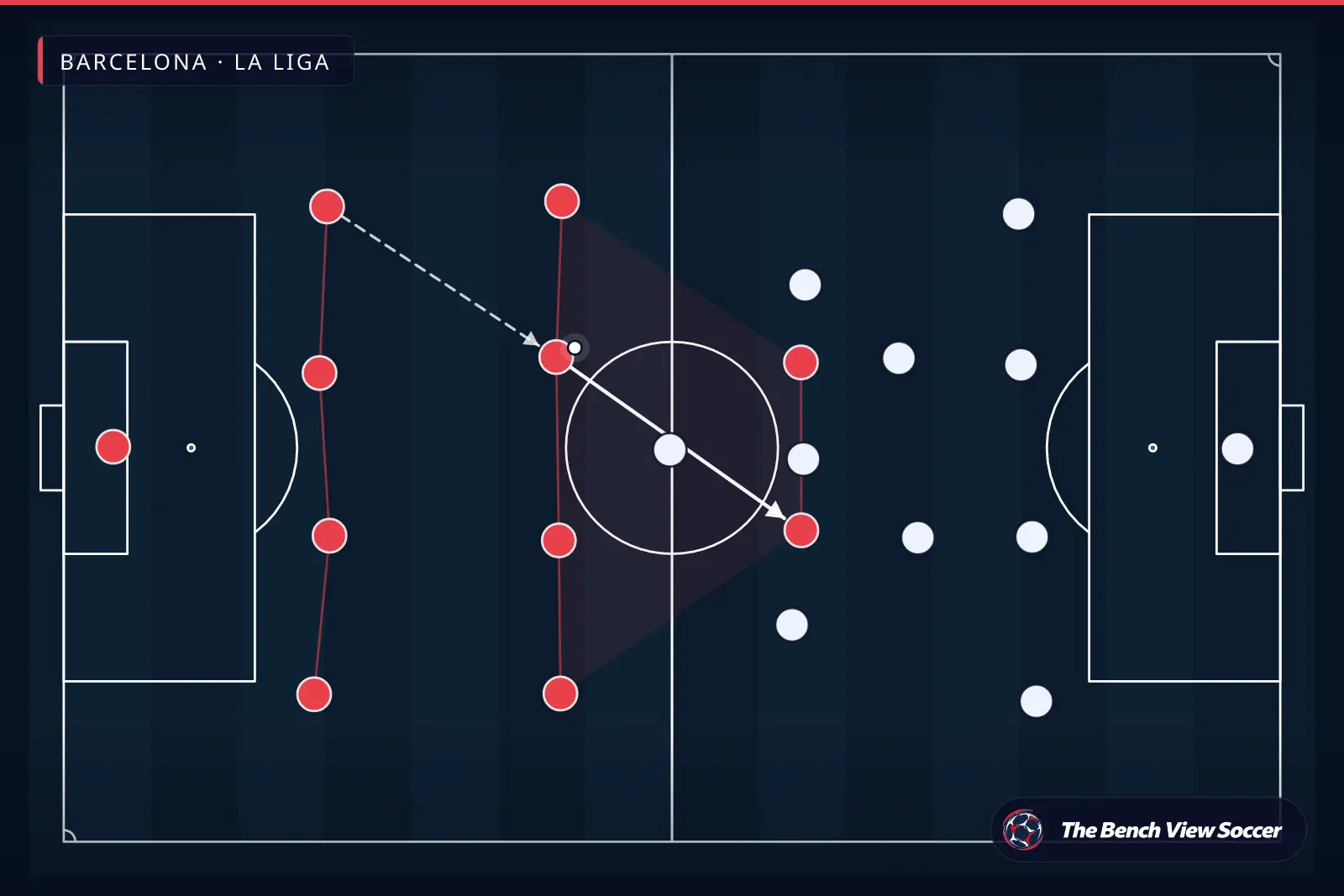
Fermín’s brace powers Barcelona past Atlético — what the win reveals tactically
November 10, 2026
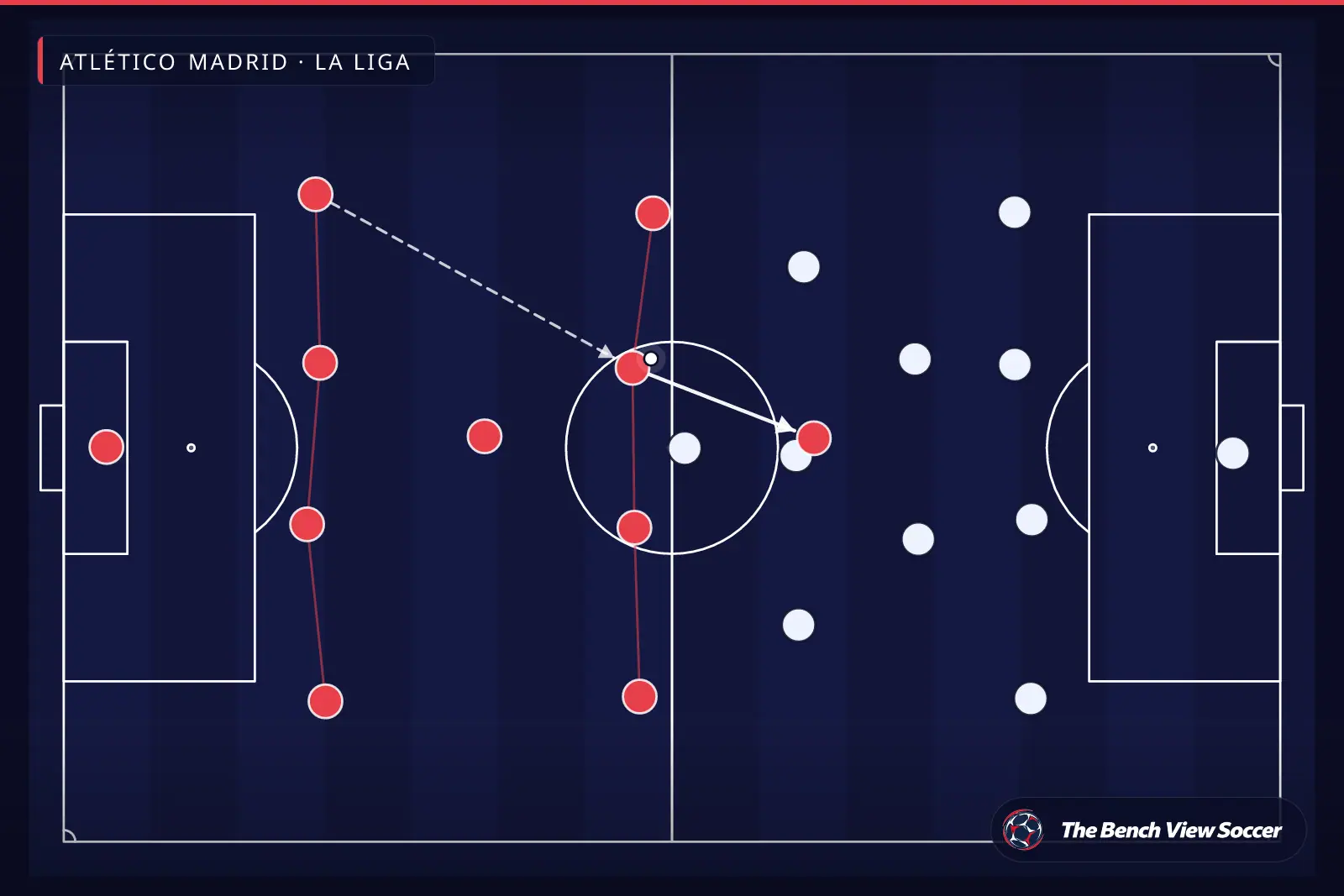
Metropolitano showdown: Álvarez’s redemption story reshapes Atlético–Barcelona tactical chessboard
November 8, 2026
Alex Freeman’s breakout for Villarreal: versatility, a first La Liga goal and what coaches should learn
October 27, 2026
Mbappé double at Camp Nou: late Real Madrid victory that reveals Mourinho’s midfield triggers
October 26, 2026