

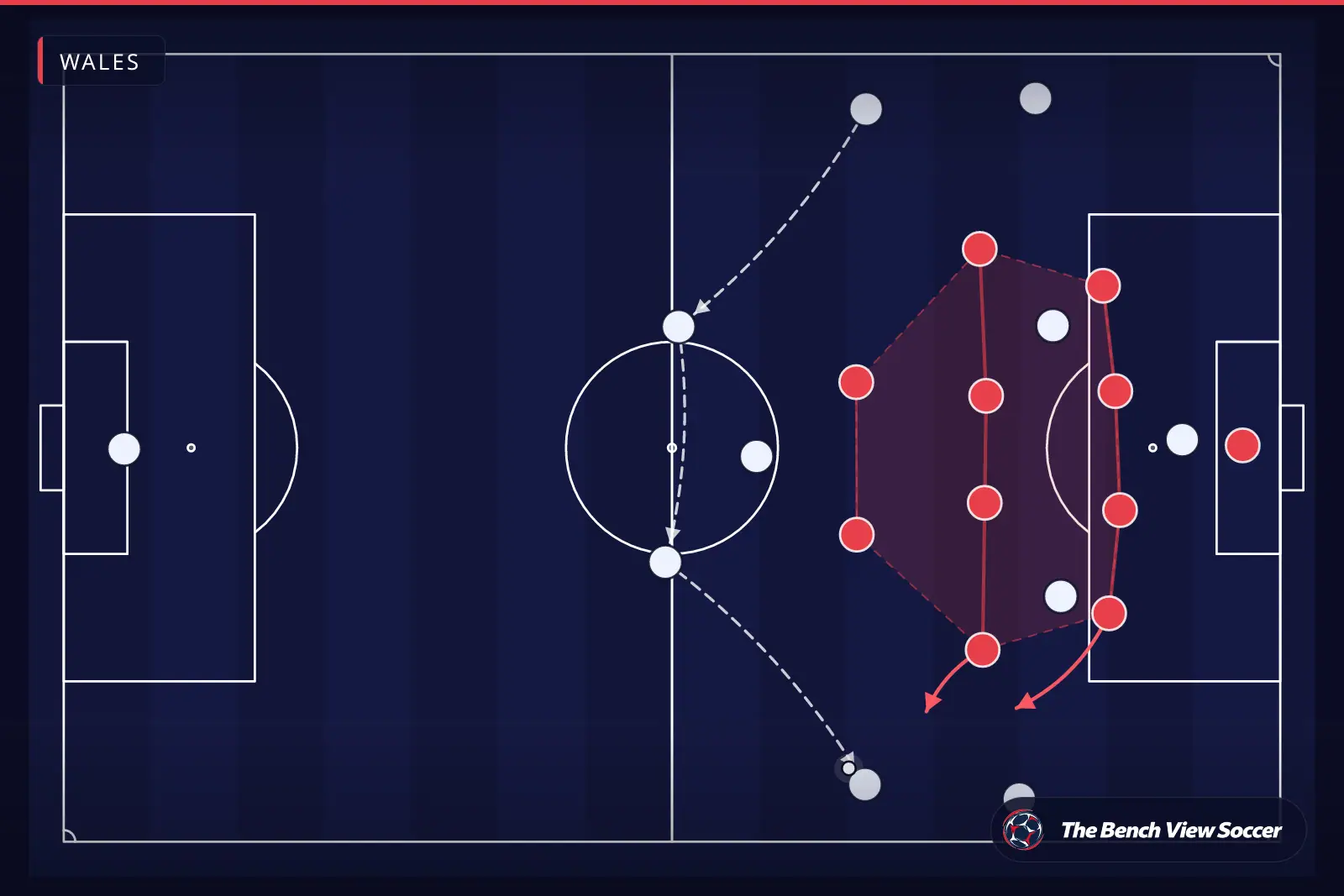
Wales managed to nullify Erling Haaland when they beat Norway a month ago, and they aim to deploy the same approach again in Oslo on Saturday. Winger Dan James has warned that Norway will seek revenge, underlining that Wales proved a point in that previous meeting but expect Norway and Haaland to respond.
What happened
Wales defeated Norway in a match a month ago in which they successfully limited the influence of Erling Haaland. The tactical plan that yielded that outcome is set to be used again when the sides meet in Oslo on Saturday. Dan James has publicly cautioned that Norway will be looking to retaliate after that defeat.
The tactical reading
The available facts point to a deliberate defensive strategy focused on stopping a dominant centre-forward. When a team contains an elite striker like Haaland, it typically prioritises organisation between lines and minimising the delivery of clean chances into the striker's preferred zones. The Welsh game that neutralised him likely emphasised reducing the space in central channels and contesting the crosses and through-balls that create high-quality opportunities.
That approach usually elevates certain roles: central defenders must be ready to engage in physical duels and time their challenges well, while the midfield has to act as an effective screen to block direct passes into the striker. Wide players — whether full-backs or wingers — commonly have the added job of cutting off service from wide areas, forcing the build-up inside where more bodies can help defend. The fact Wales plan to repeat the setup indicates confidence in those role assignments and in collective discipline.
Applying such a plan brings an identifiable game plan: willingly cede some possession and instead control the opponent's most dangerous moments. This typically involves compact defensive blocks, disciplined vertical distances between lines and triggers to press when the ball arrives in certain zones. The trade-offs are clear: a team that limits a central striker often concedes territory and ball circulation, which can invite sustained possession and potentially second-ball opportunities for the opponent.
Another typical element is psychological and physical management. By executing a game plan that frustrated Haaland once, Wales will expect Norway to adapt — for example, by altering the way they feed the striker or by varying running patterns. Dan James' warning about revenge underlines the possibility of a tactical chess match: Norway may change tempo, reposition attendants around Haaland or push for more aggressive wide play. Wales therefore must not only replicate the defensive actions but also be prepared to counter the adjustments that a motivated opponent will make.
Key tactical points
- Prioritise denying direct, high-quality service into the striker's preferred central zones.
- Keep compact vertical distances between defence and midfield to limit pockets of space for cutbacks or through-passes.
- Assign clear responsibilities for wide areas to prevent crosses and diagonal deliveries into the box.
- Use coordinated pressing triggers rather than random aggression — press as a unit when the ball enters specific corridors.
- Prepare for the opponent's adaptation by rehearsing secondary plans that adjust to changes in ball delivery and movement patterns.
What to watch next
Will Norway change how they supply their striker? Look for different patterns of play aimed at creating space for central deliveries — more diagonal switches, overloads on the flanks, or repositioning of attacking teammates to drag markers out of line. If Norway alters their approach, that will test whether Wales can maintain their previous defensive coherence under new pressures.
Also watch how Wales cope with the inevitable trade-offs of a defence-first plan: do they remain compact without becoming passive, and can they manage the physical and mental demands if Norway sustain long spells of possession? The way Wales respond to higher tempo or altered delivery will reveal whether the original plan is robust or needs in-game tweaks.
Train it
Exercise: 8v6 (attackers vs defenders) in a 50x40m grid with a central channel representing the striker's zone. Attackers attempt to create and deliver passes into the central channel for a target player to attack; defenders focus on denying those channels and recovering second balls.
- Coaching point 1: Emphasise compactness — keep 6–10 metres between defence and midfield lines and move as a unit to shrink central pockets.
- Coaching point 2: Define pressing triggers — only sprint to challenge when the ball is played into the channel or a targeted pre-defined corridor.
- Coaching point 3: Practice quick transition moments — after a blocked delivery, defenders must secure the second ball and either counter-press immediately or reset shape depending on situation.
Sources
The Bench View app
Don’t just read football — train it
Everything you read here, turned into training you can follow step by step.
Physical training at home
AI daily sessions adapted to your level and position. No equipment needed.
Tactical training courses
Step-by-step courses on positioning, pressing, build-up and decision making.
- 7 days free
- No commitment
- Cancel anytime
Free account: 2 physical sessions + the first tactical course. PRO: 7-day free trial — cancel before day 8 and you pay nothing.

More Analysis
Kane’s spot-kick seals England’s Nations League quarter-final place — tactical lessons from a flatter Wembley night
November 14, 2026
Palmer left out, Tuchel bullish and England selection questions — tactical implications for the Three Lions
November 13, 2026
Harry Kane’s milestone and what it says about England’s tactical identity
November 12, 2026
Tuchel’s England steady amid wider coaching churn — tactical implications for the national side
November 12, 2026