

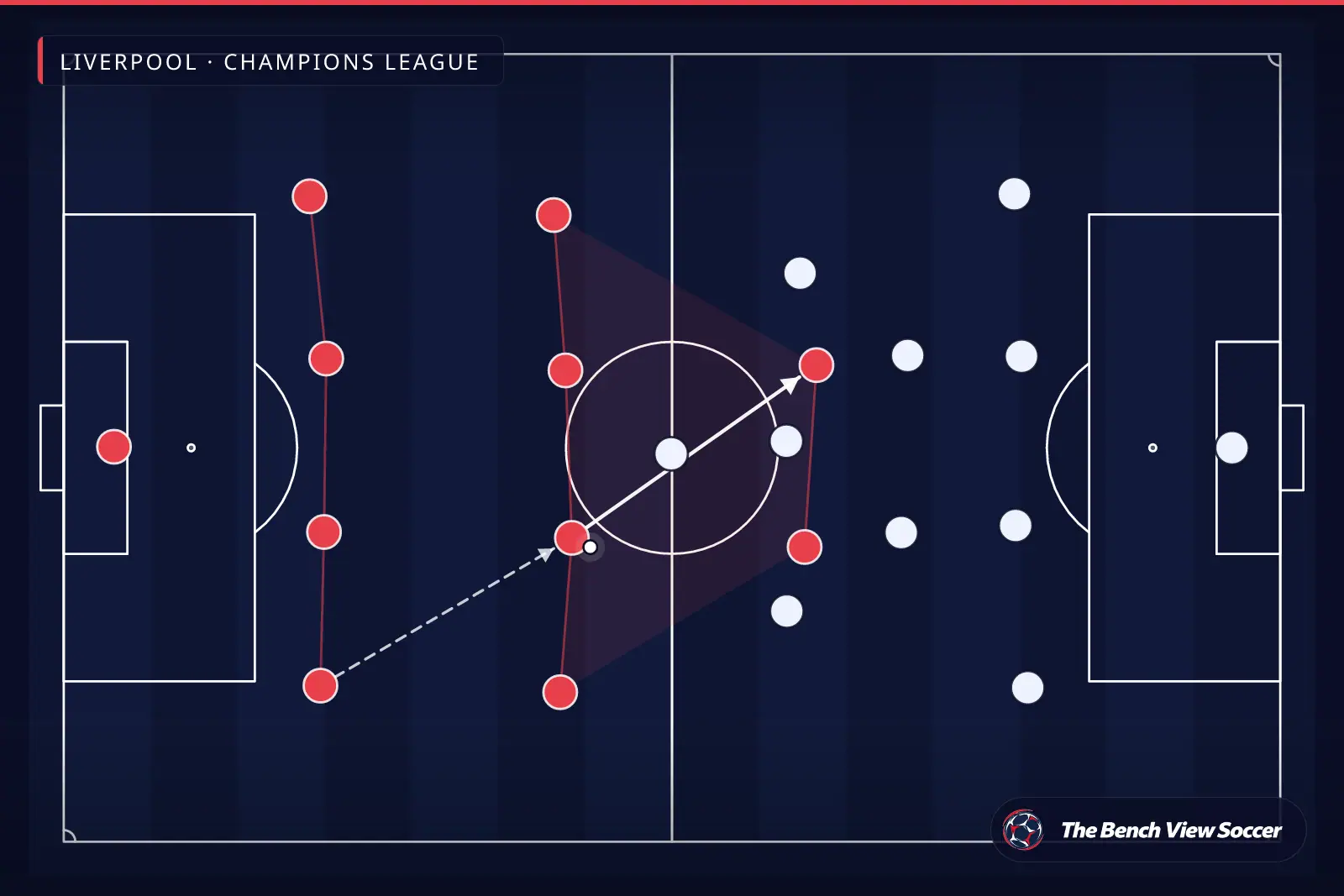
Liverpool arrive at a high-profile home meeting with Arsenal carrying renewed credibility after a 2-0 victory that combined goalscoring and defensive solidity. The result followed a run of wins that had drawn caveats — a red-card-affected victory over Brentford and a high-scoring game against Villarreal — but the latest clean sheet against one of the division’s top scorers removed at least some of those asterisks. Pundits and writers have framed the forthcoming Liverpool v Arsenal match as a meaningful barometer in the title debate.
What happened
After an uneven start to the season, Liverpool have produced wins that attracted scrutiny because of the contexts in which they came: earlier victories included a game affected by a Brentford red card and a match in which Liverpool conceded three goals to Villarreal. Most recently, Liverpool recorded a 2-0 win over Brighton — a side that had scored 23 goals in their first seven matches — while keeping a clean sheet. Observers in the media have highlighted this sequence of results and flagged the upcoming clash with Arsenal at Anfield as a potentially decisive encounter in assessing Liverpool’s title credentials.
The tactical reading
The sequence of results suggests Liverpool have been balancing two imperatives: recovering goal threat while shoring up defensive organisation. The earlier wins that carried caveats point to inconsistent underlying processes — goals have not always come without favourable moments for the opposition — whereas the latest clean sheet implies more reliable defensive structure on the day against a team that had been prolific. That contrast invites attention to how Liverpool blend pressing aggression with moments of defensive discipline.
The victory over a high-scoring opponent indicates a capacity to manage transition phases effectively: defending riskily in certain moments across the season can yield goals, but it also invites concessions. The most recent game suggests a shift towards tightening the backline and limiting high-quality chances for the opponent. In practical terms, this typically means better coordination in the defensive third, improved scanning to prevent overloads, and more compact spacing between lines to reduce through-ball opportunities.
At the same time, the earlier results — a game affected by a sending-off and a match that saw Liverpool concede three — point towards trade-offs Liverpool face when trying to regain attacking fluency. Pressing intensely or committing bodies forward to generate scoring opportunities can leave spaces exploitable on the counter. The challenge is to maintain offensive threat without surrendering the structural safeguards necessary against fast transitions.
The upcoming tie with Arsenal, framed by commentators as a key litmus test, puts a premium on tactical clarity. A side that has recently kept a clean sheet against a top scorer will likely need to reproduce the compactness and moment-to-moment discipline that produced that clean sheet, while also finding ways to generate and convert clear scoring opportunities. This often requires precise role definitions for players in possession and a shared understanding of when to press high versus when to sit and invite possession.
Key tactical points
- Defensive compactness: reducing spaces between lines proved crucial in keeping a high-scoring opponent off the scoresheet.
- Transition control: managing the moments immediately after losing possession prevents quick counters and limits high-quality chances against.
- Risk balance in attack: aggressive forward methods have produced goals at times but can expose the team, so selective aggression is necessary.
- Consistency under scrutiny: results with caveats revealed variability; the clean sheet showed what more consistent application of principles can deliver.
- Match importance breeds tactical conservatism: high-profile fixtures can incentivise focus on structure and discipline over unrestrained creativity.
What to watch next
Against Arsenal, watch whether Liverpool reproduce the defensive organisation that delivered the recent clean sheet or revert to the more open approach seen in earlier, high-concession matches. Will they prioritise compactness and transition control, or will they press higher and accept greater counter risks in search of goals?
Also observe the balance between collective defensive discipline and attacking articulation: does the team maintain role clarity in possession to create better chances, while still protecting the back line? How Liverpool manage that balance will be telling about their readiness to be discussed seriously in the title context.
Train it
A short, focused drill to reinforce the tactical theme of transition control and compactness: a 6v6+2 possession-to-attack exercise that replicates moments of loss of possession and forces structured recovery.
- Start with a 6v6 possession phase inside a 30x25m grid; two neutral wide players provide outlets for the team in possession.
- On a coach’s whistle the ball is played out; the defending team must immediately organise a compact recovery block within three seconds, preventing quick outlets to either neutral for five passes.
- Rotate defenders and attackers frequently; reward teams that recover and keep compact shape by allowing them a directed two-touch counter into a small target goal.
Key coaching points: stress the speed and direction of recovery runs, ensure vertical and horizontal compactness between lines, and coach decision thresholds for when to press high versus when to retreat and reorganise.
Sources
- The Guardian: Are Liverpool in the title race? Their match against Arsenal will tell us a lot
- The Guardian: Premier League team news: predicted lineups for the weekend action
- The Guardian: Premier League: 10 things to look out for this weekend
- Sky Sports: Carrick's last chance? The fixes Man Utd may need at Chelsea
- The Guardian: Arteta can take inspiration from George Graham to expunge painful Anfield memories
- Sky Sports: Merson: Liverpool must beat Arsenal to be in the title race
- Sky Sports: Papers: Chelsea, Arsenal and Man Utd eye Como defender
- The Guardian: Liverpool beat Chelsea as three more join penalty hall of shame | Football Daily
- Sky Sports: PL Predictions: Man Utd to deliver a reaction for Carrick at Chelsea
- The Guardian: Post your questions for Charlie Nicholas
The Bench View app
Don’t just read football — train it
Everything you read here, turned into training you can follow step by step.
Physical training at home
AI daily sessions adapted to your level and position. No equipment needed.
Tactical training courses
Step-by-step courses on positioning, pressing, build-up and decision making.
- 7 days free
- No commitment
- Cancel anytime
Free account: 2 physical sessions + the first tactical course. PRO: 7-day free trial — cancel before day 8 and you pay nothing.

More Analysis
City’s profligacy punished as late PSG leveller leaves questions over game management
October 30, 2026
How Chelsea’s unbeaten run vs Roma reveals a clearer tactical identity
October 29, 2026
Shock in the Cup and a Statement in Europe: Fleetwood stun Arsenal; Russo makes history for Arsenal Women
October 29, 2026
Kuyt’s interim appointment at Fenerbahçe: how one week changes the tactical landscape ahead of Liverpool clash
October 28, 2026